High-Speed Mixing Granulator: Compare Binder Spray Distribution Before Changing Wet-Massing Time
By QUANPIN
Uneven binder delivery can produce locally wet material even when the total addition matches the recipe. Investigate how binder enters the moving powder before treating wet-massing time as the only adjustment. The High-Speed Mixing Granulator duty should be defined by the prepared mass and the intended granule.
This guide concerns pharmaceutical wet granulation with a proposed liquid-addition arrangement. Confirm the actual supplied binder-delivery equipment before planning the study. See the matching pharmaceutical industry applications.
Which Binder-Delivery Variables Need Separate Evidence?
Separate binder quantity, binder properties, addition history and distribution in the study record. These inputs answer different questions about the developing wet mass.
Compare the resulting granules through suitable tests; the appearance of one wet region cannot represent the complete batch. Use product-specific development knowledge to justify the attributes being examined. See FDA ICH Q8 pharmaceutical development.
Equipment Principle and Material Requirements
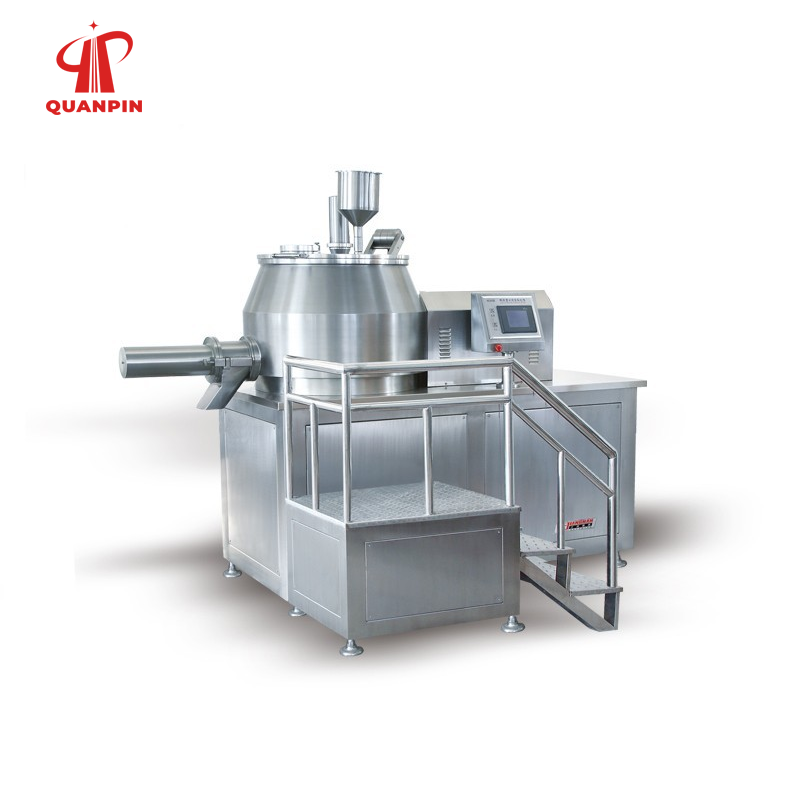
The main mixing action moves powder and wet mass while the cutting action assists granule formation. Liquid delivery interacts with that moving material. Compare the proposed high speed mixer granulator arrangement against this material and the documented process stage.
The nozzle or addition location is only one part of the arrangement. Liquid properties, delivery history and the actual charge also influence the comparison.
Five Steps for the Application Study
Identify the binder
Identify the binder solution and distinguish its composition from the total amount of liquid added.
Document the installed delivery system
Record the installed addition arrangement and the approved method for observing delivery.
Control the trial inputs
Keep other defined granulation inputs comparable when testing a delivery change.
Test wet and dried material
Assess representative wet material and the granules after the specified downstream treatment.
Review the supported change
Review the complete evidence before changing the established wet-massing instruction.
Four Process Boundaries to Record
Binder preparation: retain solution identity and preparation history with the granulation batch.
Delivery: record the actual addition history rather than only the planned total.
Wet mass: distinguish localized observations from representative sampling evidence.
Finished granules: assess the material after the drying or sizing stages included in the study.
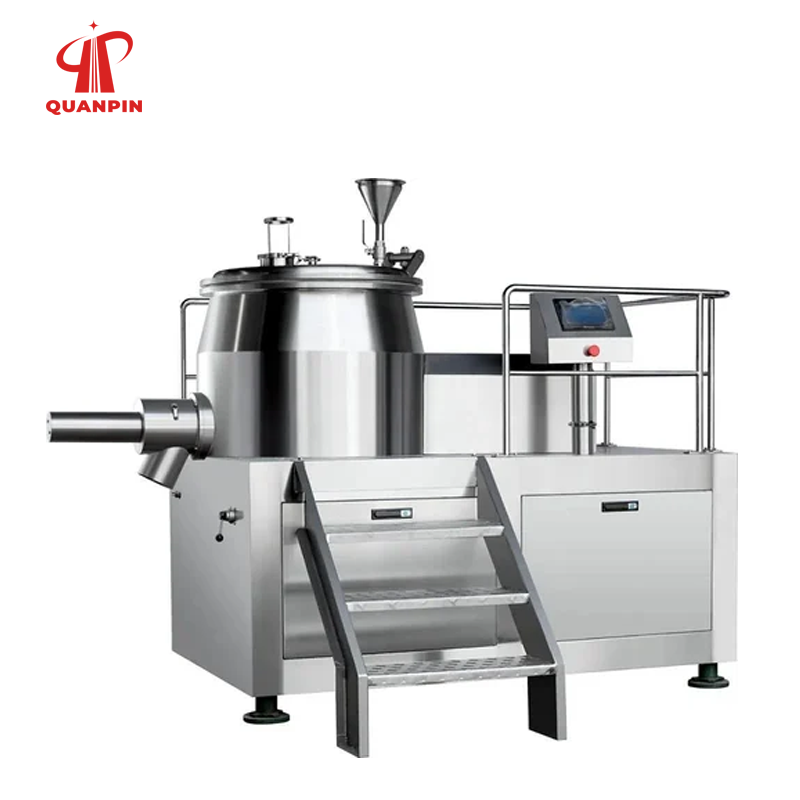
High-Speed Mixing Granulator Components and Interfaces
Powder charge
The granulation bowl provides the process space and should be loaded within the specified working arrangement. For high-speed wet mixer granulator, state which attributes will be tested before and after the operation.
Impeller and drive
The main impeller moves material through the region where liquid is introduced. A rapid mixer granulator description does not replace the trial evidence for this formulation.
Binder delivery
The cutting assembly contributes a separate mechanical action; its operating state belongs in the trial record.
Side chopper
The liquid-addition assembly needs an identified supply scope, including any metering or nozzle equipment actually provided.
Wet discharge
The discharge path influences the material collected for later sizing and drying.
Process and sample records
The measurement system should retain addition and process events with the batch and sample identities.
Comparison Choices and Process Interfaces
Define the Reference Basis
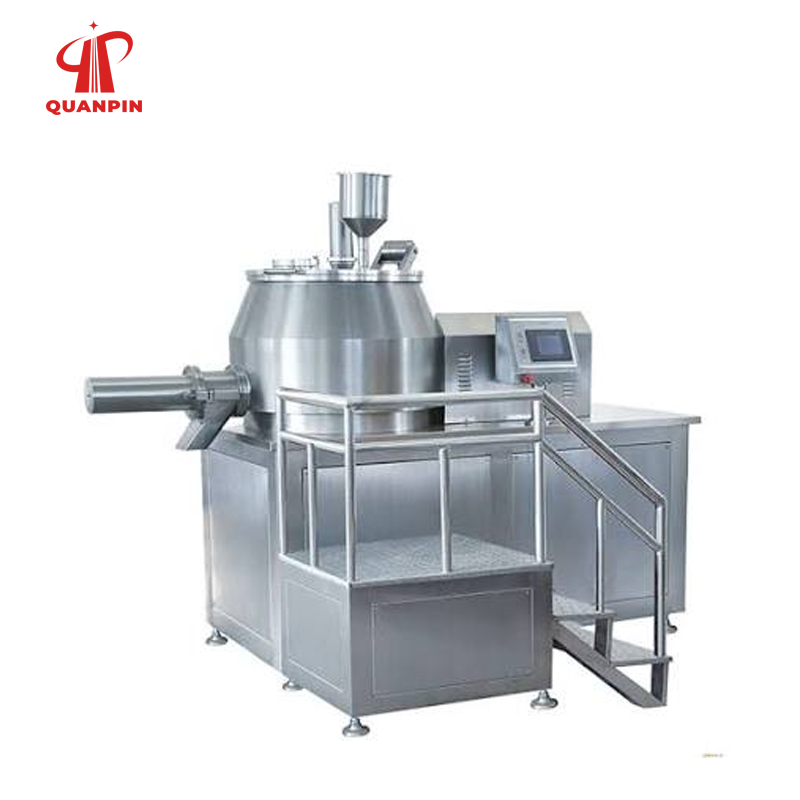
A comparison of addition locations should retain the actual arrangement shown on the equipment drawing. Place rapid mixer granulator machine within the complete process boundary, including the next handling step.
If the delivery rate also changes, identify that additional variable rather than attributing all differences to location.
Do not describe a standard nozzle option or a universal spray pattern without confirming the quoted equipment.
Keep the Comparison Interpretable
An approved delivery check can help investigate the addition system before a formulation trial.
Such a check does not establish the distribution of binder inside a moving production mass.
The formulation trial must use the intended material and suitable evidence of the resulting granules.
Assess the Receiving Process
Wet-mass observations and dried-granule measurements describe different stages of the route.
Keep their sample identities linked so a later result can be traced to its binder-delivery history.
Do not infer an appropriate tablet formulation or final dosage performance from a granulator trend alone.
Industry Application and Acceptance
Pharmaceutical preparation and drying provide the matching application for this granulation stage.
The product-development plan determines which granule attributes and downstream tests matter for the intended formulation. A development comparison should not be presented as complete validation of an untested production process. See FDA process validation guidance.
Document the proposed relationship between addition conditions and those attributes instead of claiming a universal optimum.
Any adopted change should remain traceable through the responsible quality and development procedures.
Benefits and Practical Limits
Separating delivery from wet-massing time helps avoid compensating for an unresolved addition problem with a longer cycle. Specify granulation equipment using the actual preparation history and the required finished material.
The investigation does not establish one nozzle, addition rate or endpoint suitable for every formulation. Assess relevant quality risks using the actual material and process context. See FDA ICH Q9 quality risk management.
Six Details That Affect the Result
Retain binder identity and preparation conditions with each compared run.
Record the beginning and end of addition using the same event definitions.
Identify any interruptions or manual additions outside the planned sequence.
Distinguish instrument response from a directly measured product attribute. Interpret measurements through process understanding rather than treating an isolated instrument reading as product acceptance. See FDA process analytical technology framework.
Preserve the drying and sizing history when comparing finished granules.
Review the full batch record before interpreting one favorable endpoint signal.
Safety and Operating Requirements
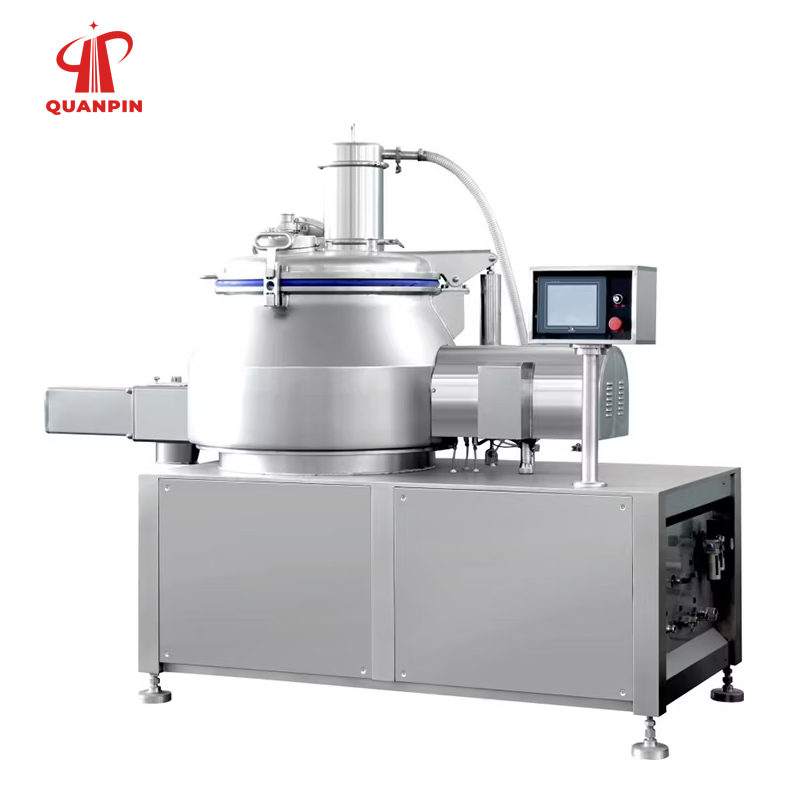
Observe only through approved arrangements; do not open or reach into operating mixing and cutting equipment.
Review liquid, powder and cleaning hazards for the actual formulation and installed system.
Prepare Your Equipment Enquiry
Send QUANPIN the binder properties, intended addition history, formulation duty and granule acceptance plan.
Ask which delivery components are included and which trial observations are needed to evaluate their interaction with the moving charge. The granulation line for solid dosage form requirement should retain the material identity, sampling method and downstream acceptance boundary. Retain knowledge and manage adopted process changes through the pharmaceutical quality system. See FDA ICH Q10 pharmaceutical quality system.
Frequently Asked Questions
Does total binder quantity describe its delivery?
No. The same total liquid can be delivered through different histories and arrangements.
Can longer wet massing correct every delivery problem?
It cannot automatically resolve an unsuitable delivery arrangement; investigate the actual cause using development evidence.
Is a nozzle system included with every model?
Confirm the equipment and operating scope; a general model name does not establish every optional liquid system.
Can wet-mass appearance support the investigation?
Only where the test and observation are justified for the product question being examined.
Should dried granules be assessed separately?
Evaluate the granules after the specified treatment rather than inferring their condition from the wet mass alone.
How can QUANPIN review liquid addition?
Provide the binder-delivery and product requirements so QUANPIN can review the proposed granulation configuration.
Discuss Your High-Speed Mixing Granulator Application with QUANPIN
Discuss your application with High-Speed Mixing Granulator specialists at QUANPIN. Use the enquiry below or our contact page.
Email sales@quanpinmachine.com or stacie@quanpinmachine.com. Call +86 19850785582, or contact us on WhatsApp: +86 15921493205.