
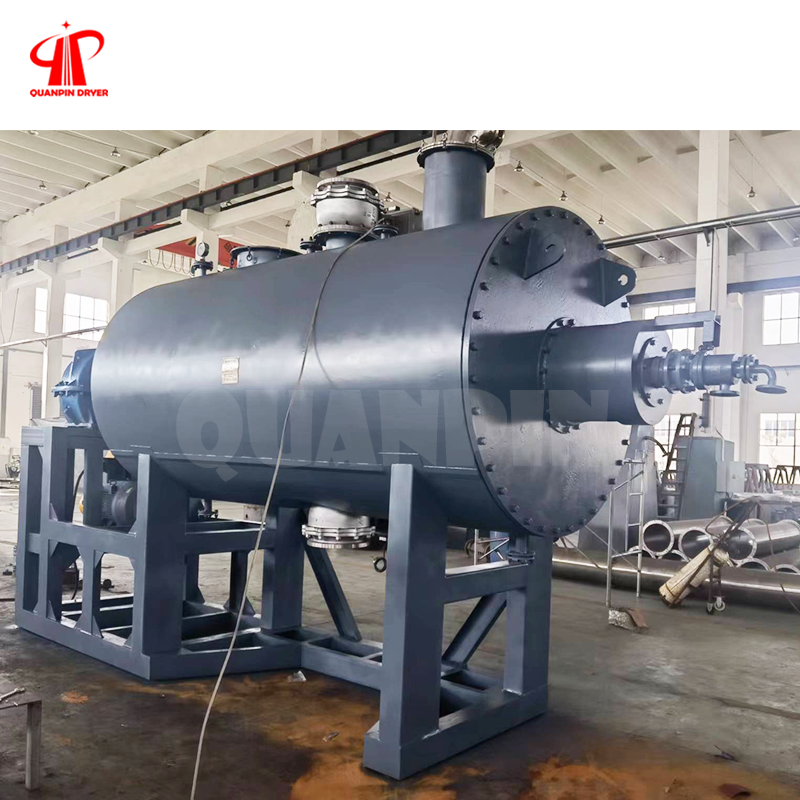
QUANPIN Vacuum Rake Dryer
Vacuum rake drying combines indirect heating, mechanical agitation and reduced pressure for suitable wet solids and pastes. QUANPIN reviews your feed properties and drying target to select the vessel, drive and vacuum arrangement.
Agitation to redistribute material during drying
Indirect heating through the selected heated surfaces
Vacuum equipment matched to the vapor load
Product-contact materials specified for the application
Feed, discharge and cleaning access
Process controls defined for your production
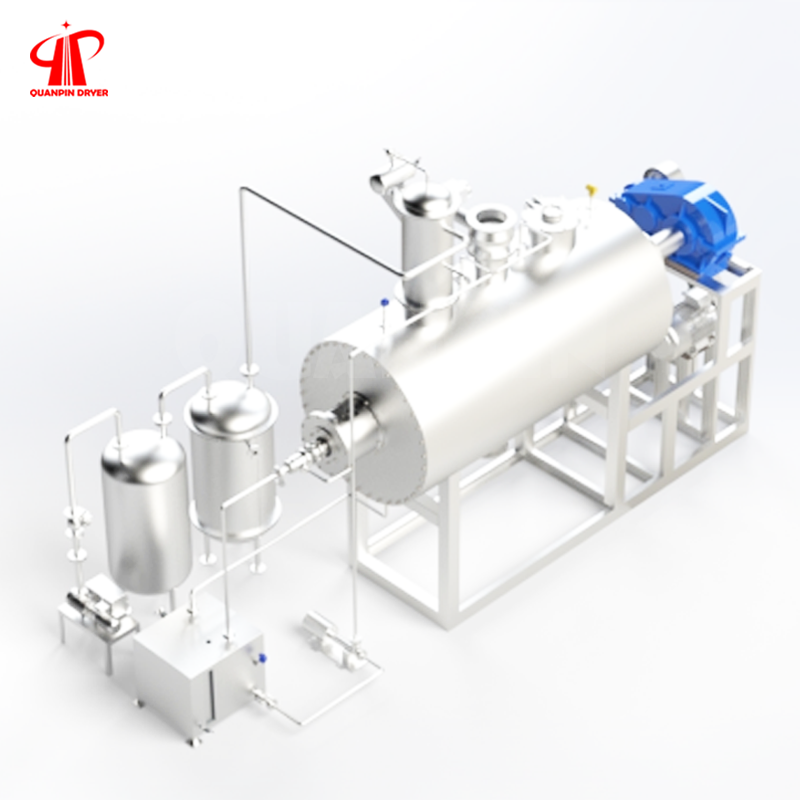
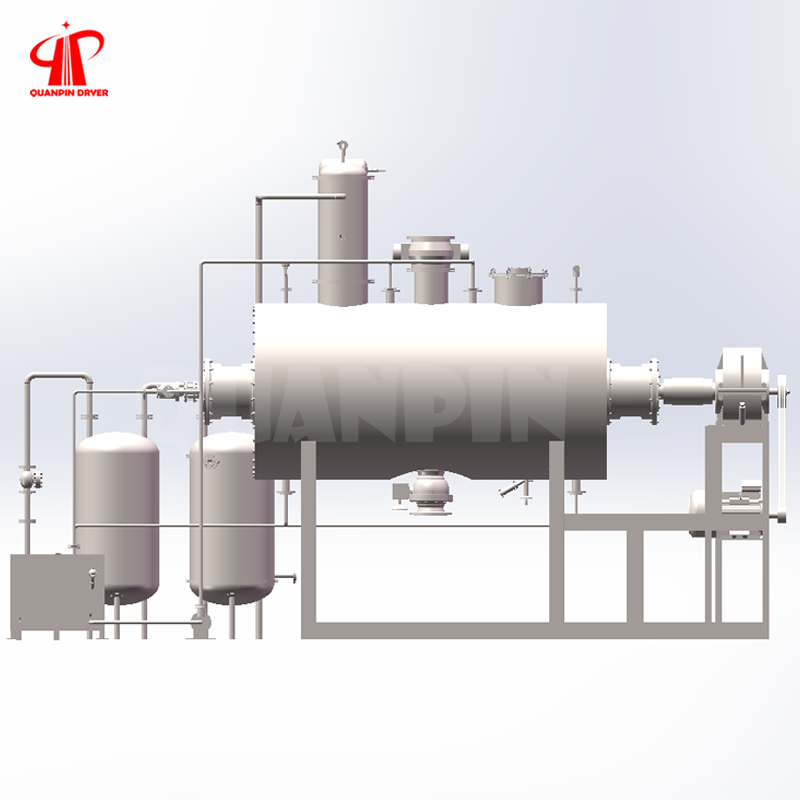
Vacuum Rake Drying System
Material is held in a sealed vessel and moved by the rake agitator. Heat supplied through the selected heating surfaces supports evaporation, while the vacuum system removes vapor. Agitation helps redistribute the batch and maintain contact with the heated surfaces.
Features of a Vacuum Rake Dryer
• Vessel configuration selected around the material and batch size.
• Agitator and drive matched to material handling behavior.
• Heating arranged around the available utilities.
• Vacuum and condensation equipment reviewed together.
• Contact materials and seals chosen for the process.
• Access provided for inspection, cleaning and discharge.
Applications
Suitable materials may include wet powders, filter cakes and pastes. Selection depends on composition, moisture, viscosity, thermal limits and how the material changes during drying.
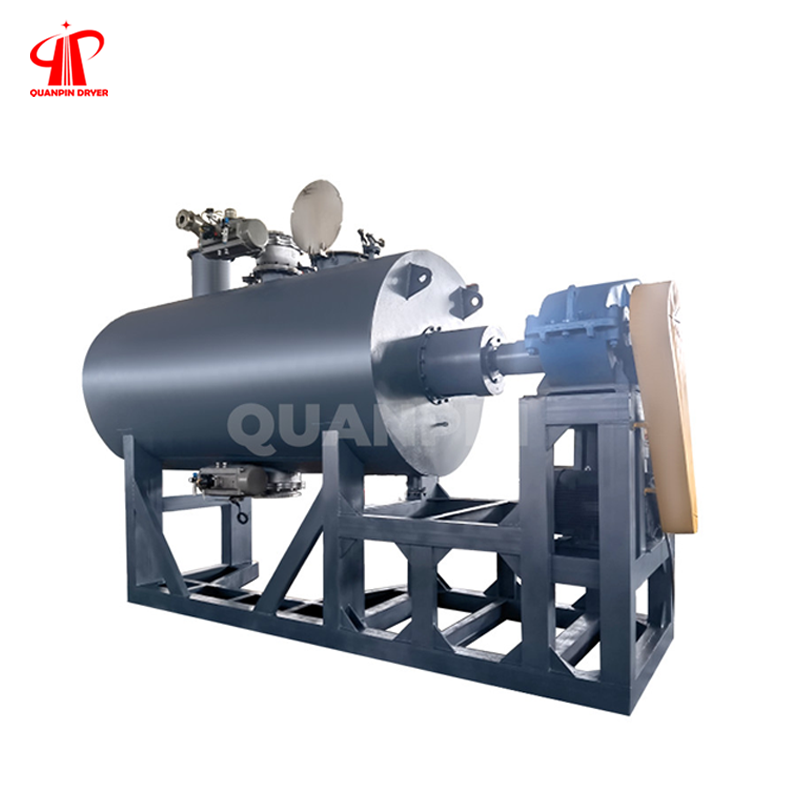
Agitated Vacuum Drying
Assess the feed consistency and its behavior through the drying cycle.
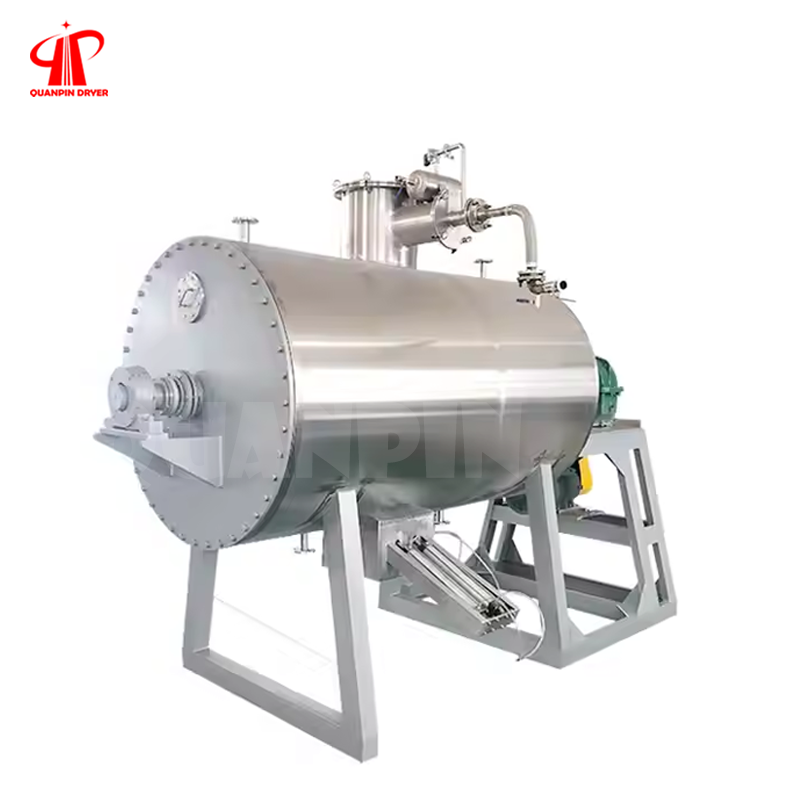
Powder and Filter Cake Drying
Provide particle properties, initial moisture and the required final condition.
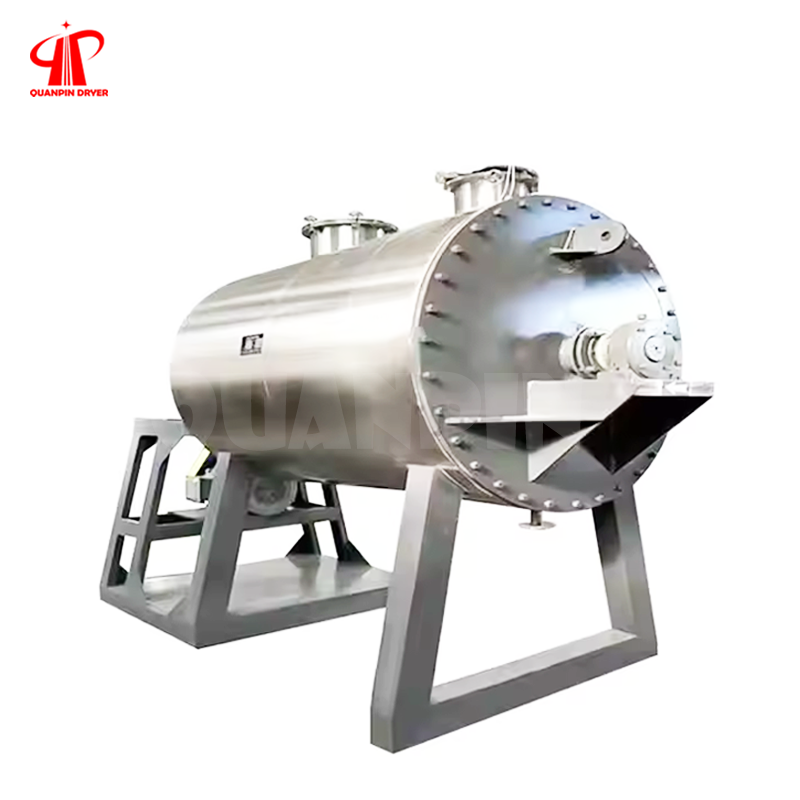
Rake Dryer Configuration
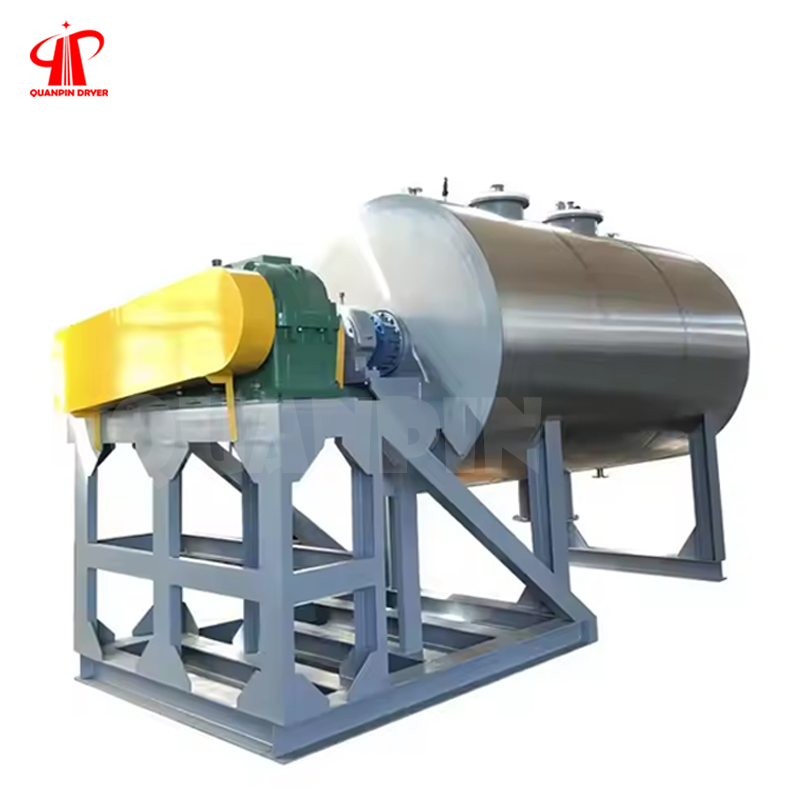
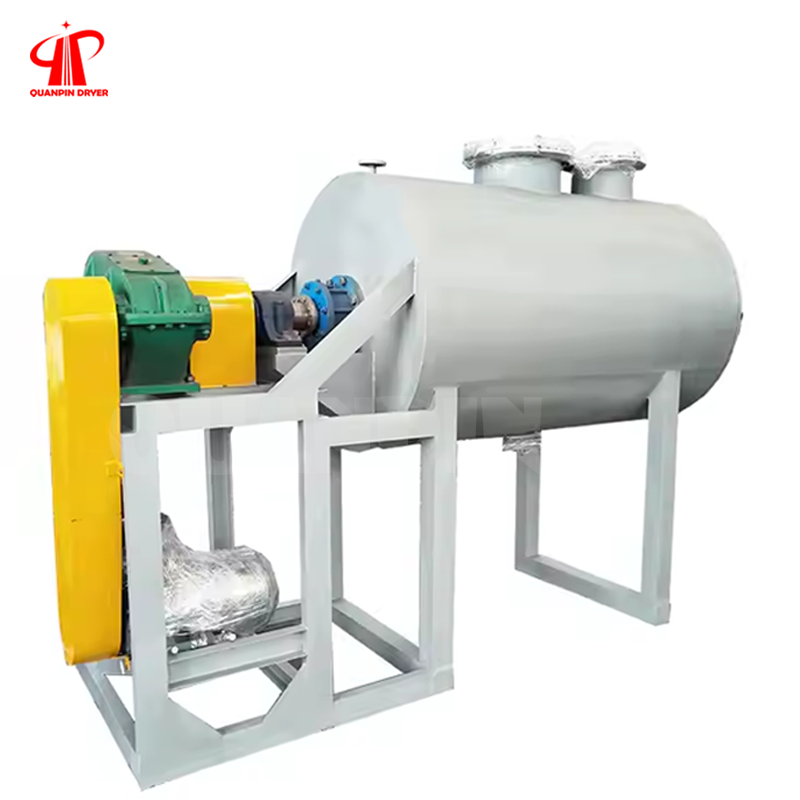
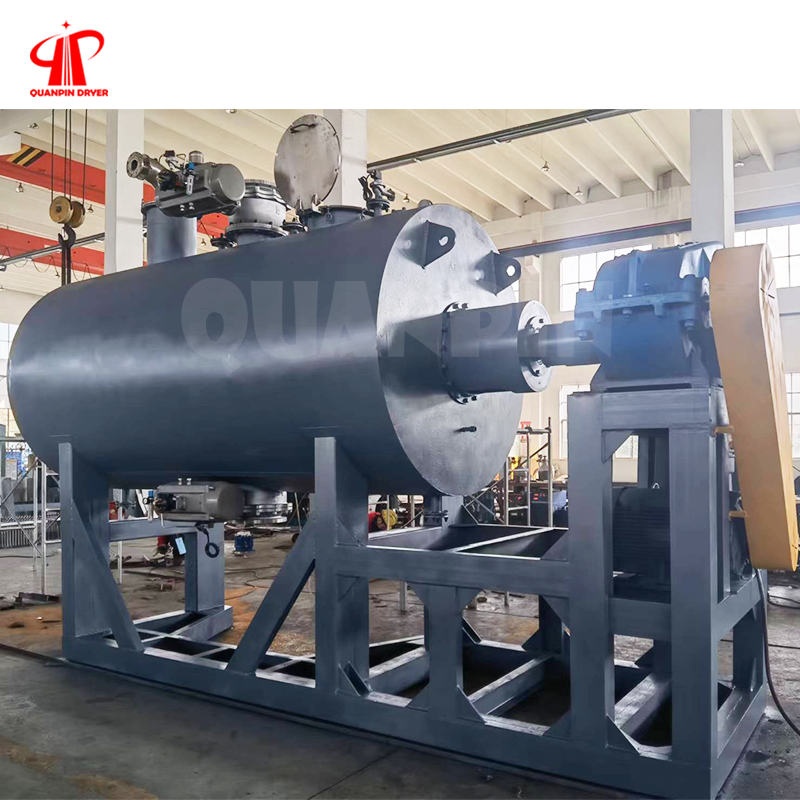
Review vessel size, agitator arrangement and batch handling.
Vacuum System Selection
Coordinate the pressure requirement, vapor load and condensation equipment.
Drive and Agitation
Select the drive around material resistance and operating conditions.
Solvent-containing Materials
Provide composition and vapor information for a project-specific review.
Chemical Material Assessment
Confirm compatibility, temperature limits and documentation requirements.
Organic Material Drying
Discuss feed properties, product quality and downstream handling.
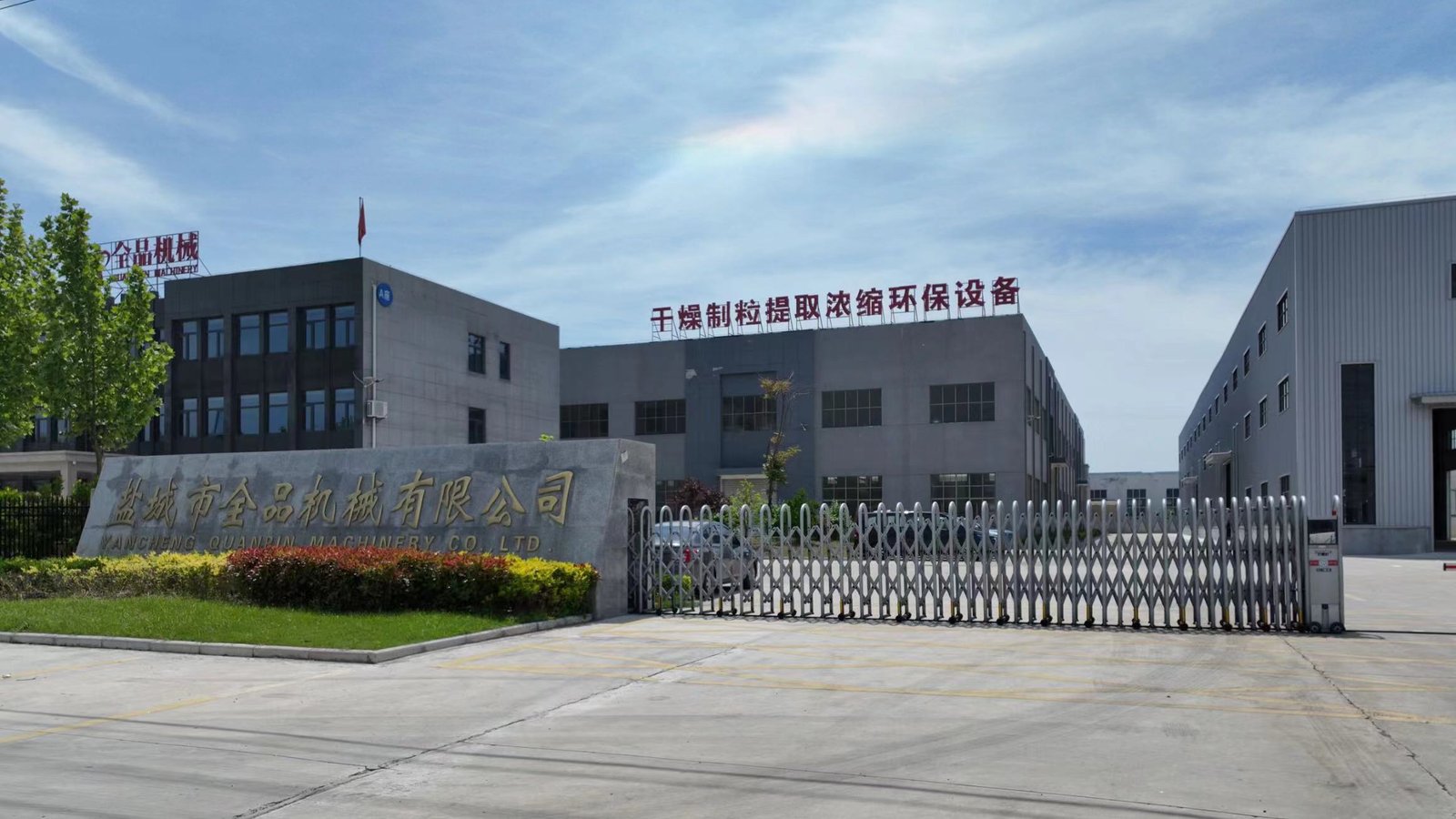
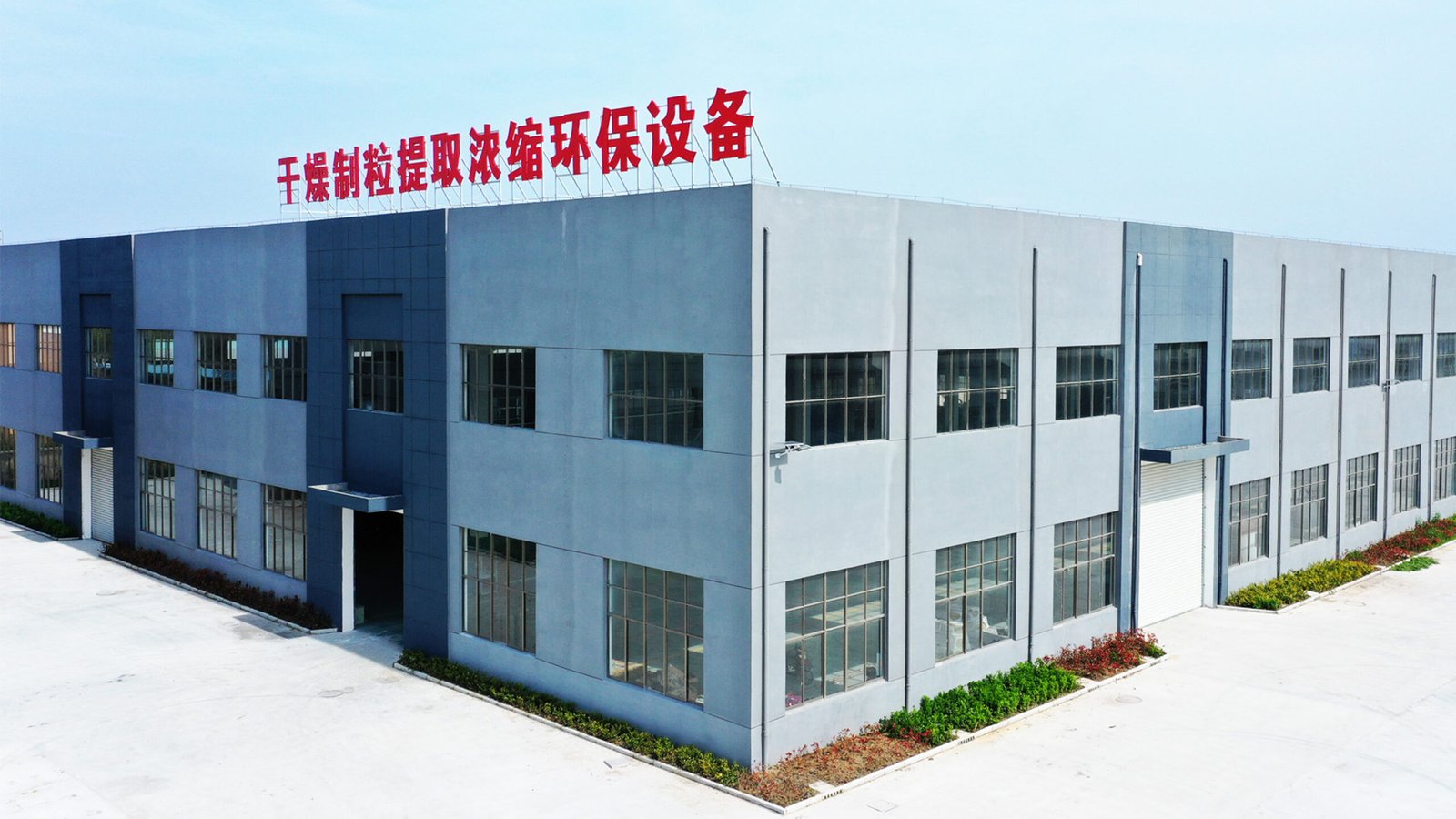
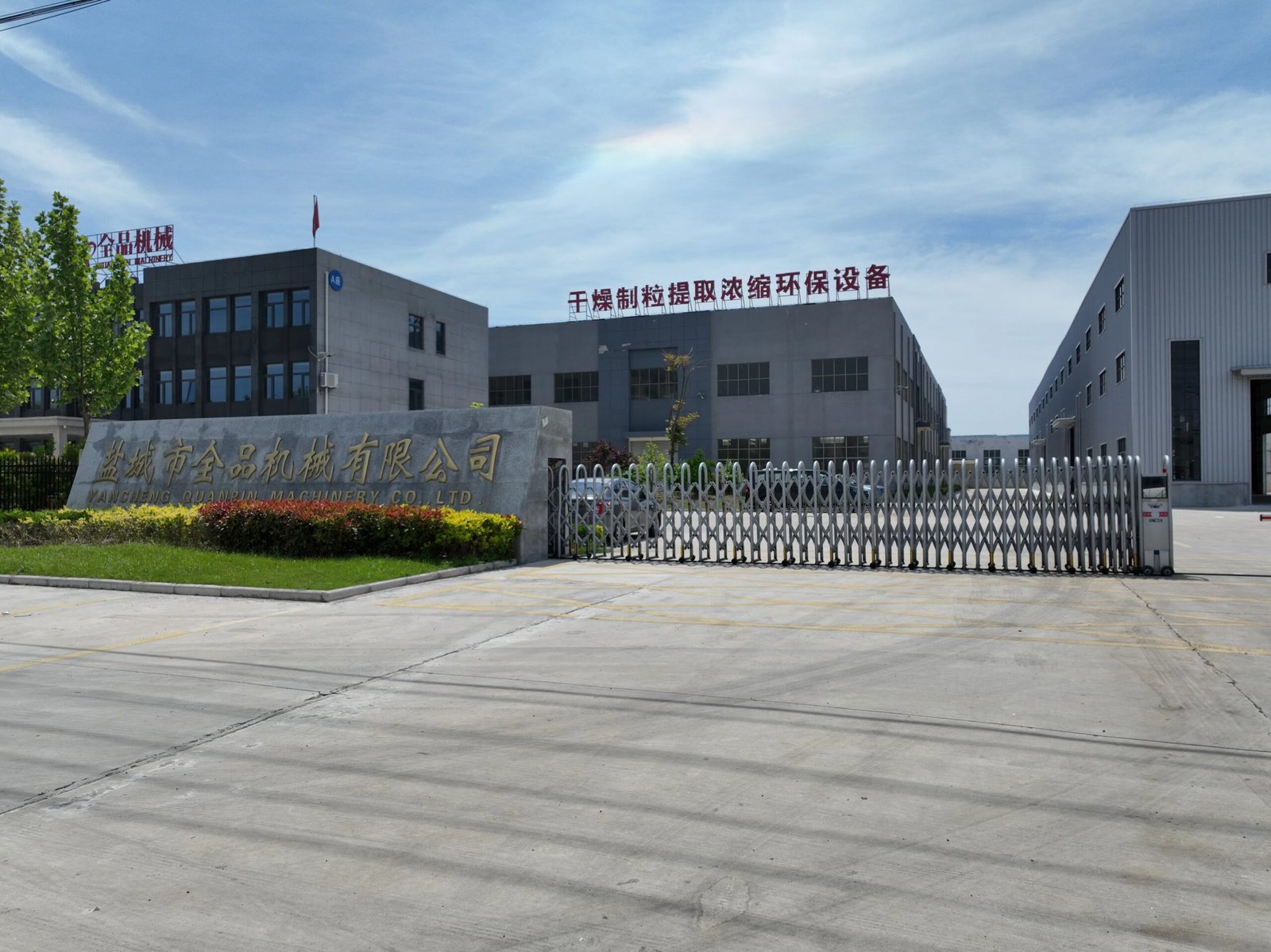
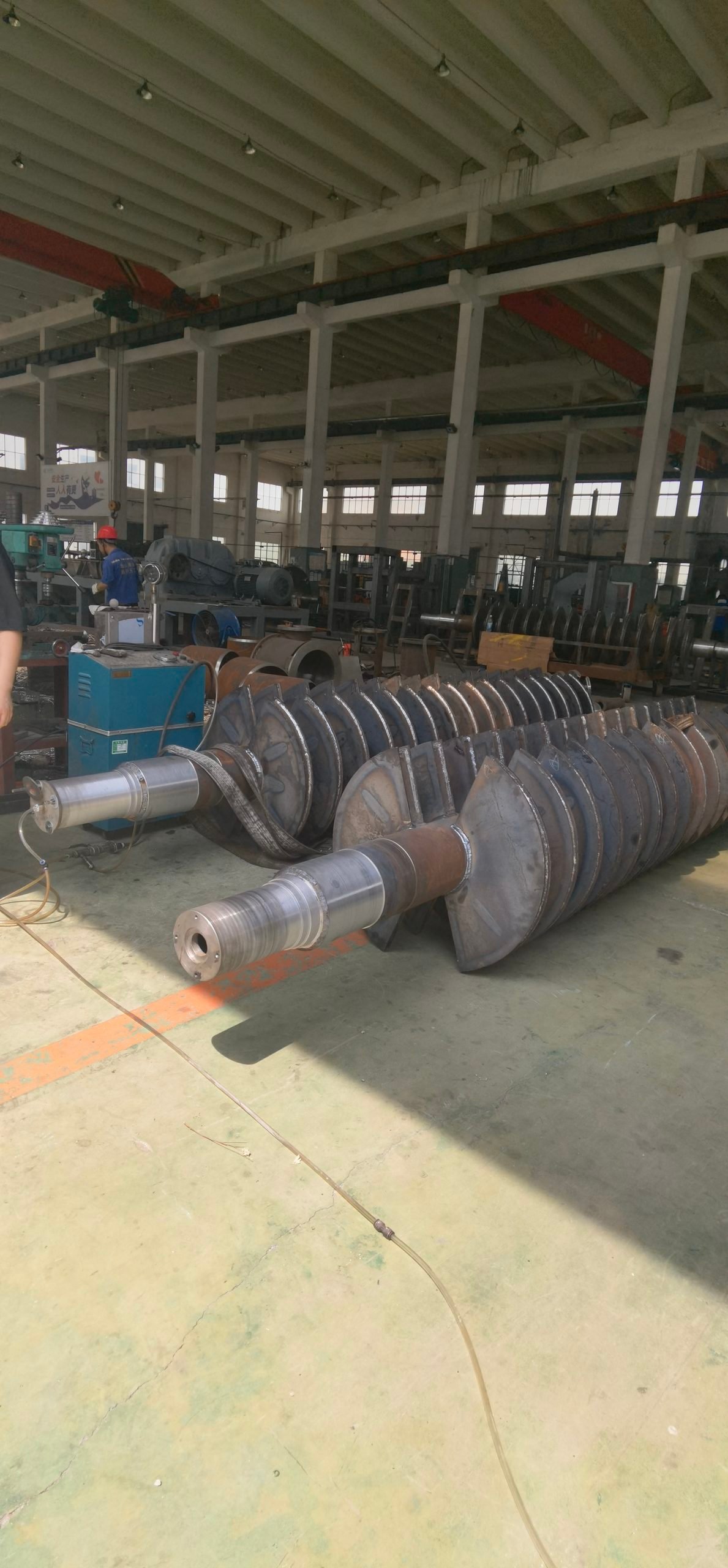
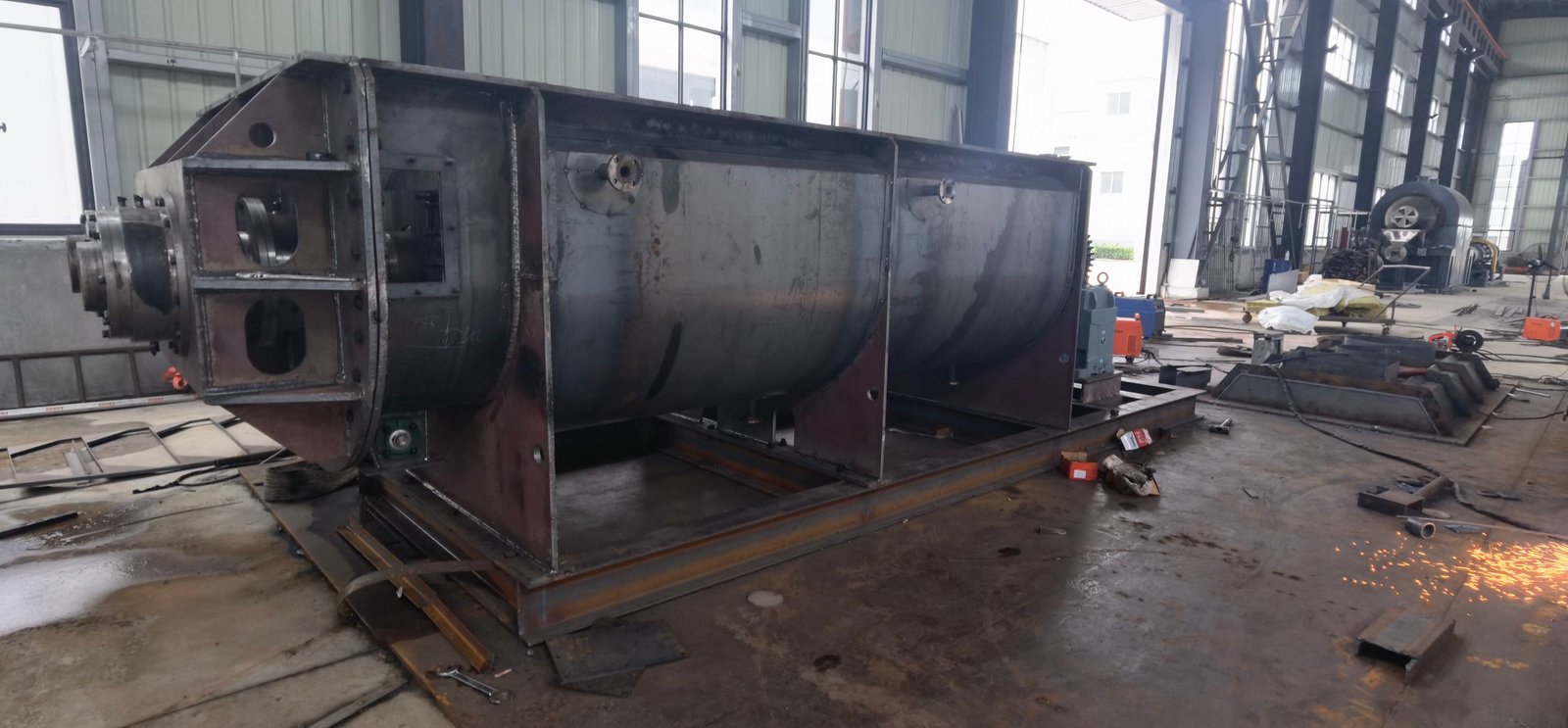
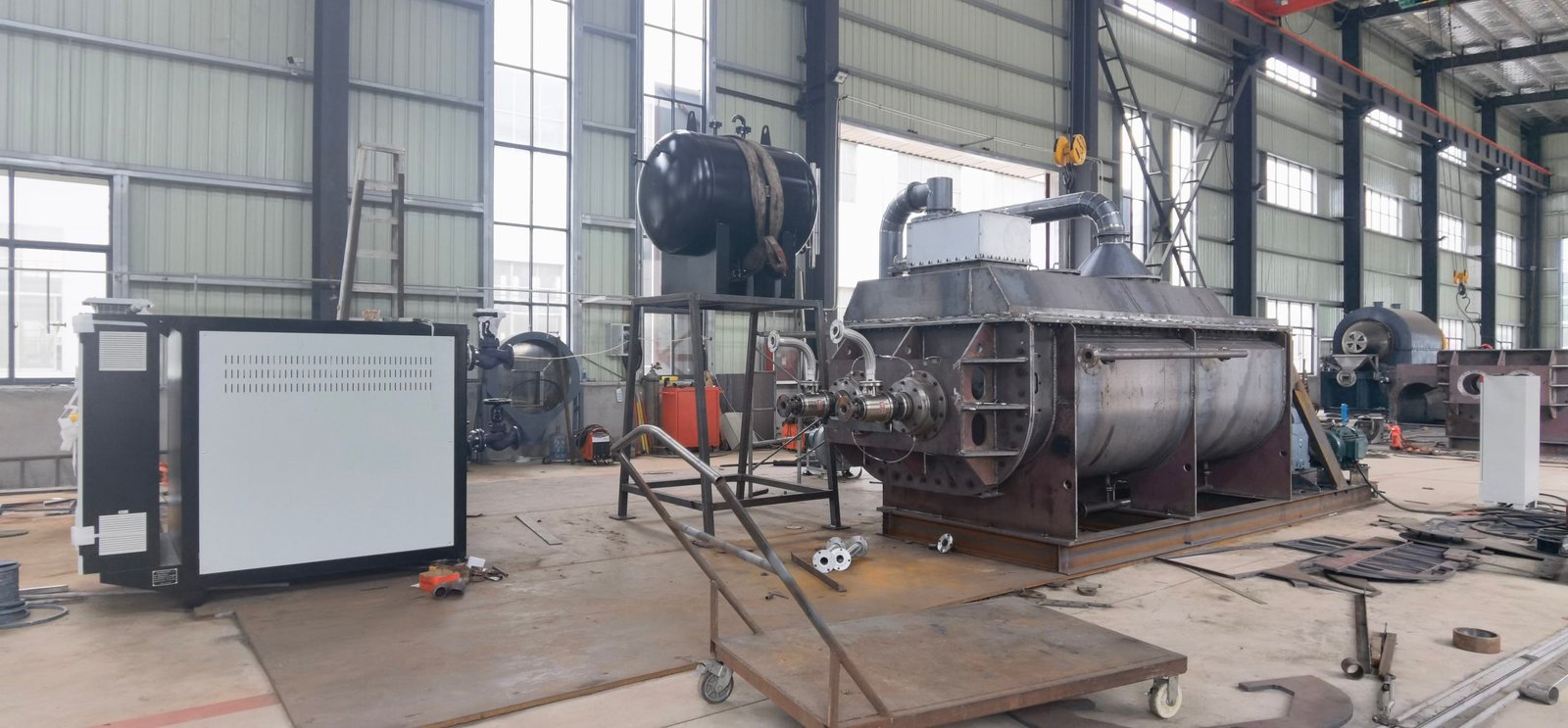
Our Factory
Technical Parameters
| Selection Item | Information Required |
| Material | Composition, consistency and bulk density |
| Batch | Required loading quantity and production schedule |
| Moisture | Initial moisture and target final moisture |
| Temperature | Product temperature limit and heating utilities |
| Vacuum | Process pressure and expected vapor load |
| Construction | Contact materials, seals and cleaning requirements |
| Installation | Space, access and process connections |
Final numerical specifications are defined for the selected QUANPIN equipment and material.
What is a Vacuum Rake Dryer?
A vacuum rake dryer is an agitated vessel used to remove moisture from suitable material under reduced pressure. Indirect heating supplies energy while the rake agitator redistributes the material.
Working Principle
After loading and sealing, the vacuum system establishes the required conditions. Heat is supplied to the vessel while the rake moves the material. Vapor leaves through the selected condensation and vacuum arrangement. The batch is discharged according to the operating procedure after the required final condition is reached.
Components of a Vacuum Rake Dryer
The vessel, heating arrangement, agitator, drive, vacuum equipment and controls must be selected as a coordinated system.
Vessel
The vessel contains the batch and provides the required heated surfaces and process connections. Loading volume depends on material behavior and the selected design.
Heating System
Available utilities, the product temperature limit and the moisture-removal duty inform the heating arrangement.
Vacuum System
The vacuum and condensation equipment are selected around the operating pressure, vapor composition and vapor load.
Drive System
The drive must suit the resistance and handling behavior of the material across the cycle.
Control System
Define the operating sequence, process measurements and information required by the operators.
Applications of Vacuum Rake Drying
Suitability is assessed for the actual feed and desired product. Provide representative material information or samples before equipment selection.
Mineral Materials
Review abrasiveness, composition and the required moisture target.
Food Products
Specify ingredient properties, cleaning requirements and temperature limits.
Chemical Materials
Provide material compatibility and vapor information for the process review.
Electronic Materials
Set out contamination limits and the required finished-product characteristics.
Pharmaceutical Materials
Identify the required contact materials, cleaning scope and documentation for the facility.
Environmental Processing
Describe feed consistency, solids content and the intended final handling or use.
Send Your Inquiry Now
Start Optimizing Your
Drying Process Today.
Our engineers are ready to assess your material and recommend a reliable, cost-effective drying solution.