Extrusion Granulator: Assess Wet-Mass Consistency Before Adjusting Die Conditions
By QUANPIN
Changing the extrusion die may not solve variation caused by an inconsistent prepared wet mass. Examine the feed condition before attributing every strand difference to the extrusion assembly. The Extrusion Granulator duty should be defined by the prepared mass and the intended granule.
This discussion concerns pharmaceutical wet extrudate intended for a defined later treatment. It does not assume that extrusion alone produces the final accepted dosage material. See the matching pharmaceutical industry applications.
What Wet-Mass Evidence Should Precede an Extrusion Adjustment?
Keep wet-mass preparation and conditioning records with the extrusion results. Composition, liquid distribution and time before feeding can change how the material is presented to the machine.
Define the intended strand observations and later product tests before selecting an equipment adjustment. Use product-specific development knowledge to justify the attributes being examined. See FDA ICH Q8 pharmaceutical development.
Equipment Principle and Material Requirements
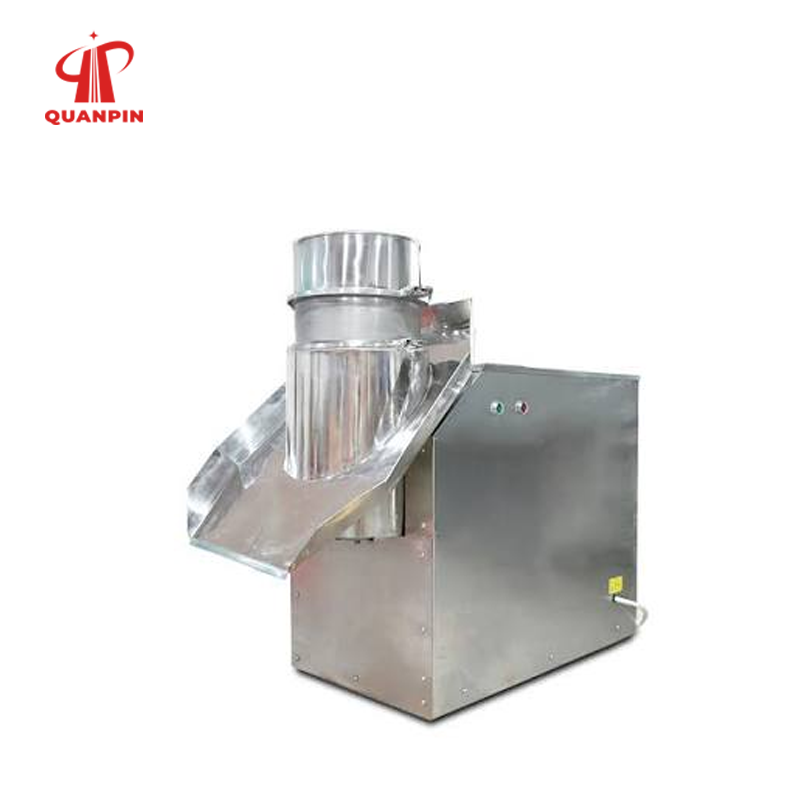
An extrusion mechanism forces compatible prepared mass through a screen or die to form wet extrudate. Compare the proposed granulation arrangement against this material and the documented process stage.
The resulting material reflects both the fitted geometry and the feed response. A die designation cannot describe an unspecified wet mass.
Five Steps for the Application Study
Record wet-mass preparation
Identify the formulation and the preparation history of the incoming mass.
Preserve conditioning history
Record the interval and conditions between preparation and extrusion.
Identify fitted geometry
Confirm the fitted screen or die and the approved operating arrangement.
Collect comparable strands
Collect representative strands using a consistent handling and measurement procedure.
Assess the next operation
Evaluate any downstream drying or other finishing stage under its own defined acceptance plan.
Four Process Boundaries to Record
Preparation: record what enters the mass, including the actual liquid-addition history.
Conditioning: keep any hold or protected storage period visible in the feed record.
Extrusion: identify the fitted geometry and actual feeding conditions.
Later treatment: distinguish wet-strand evidence from the finished granule or pellet result.
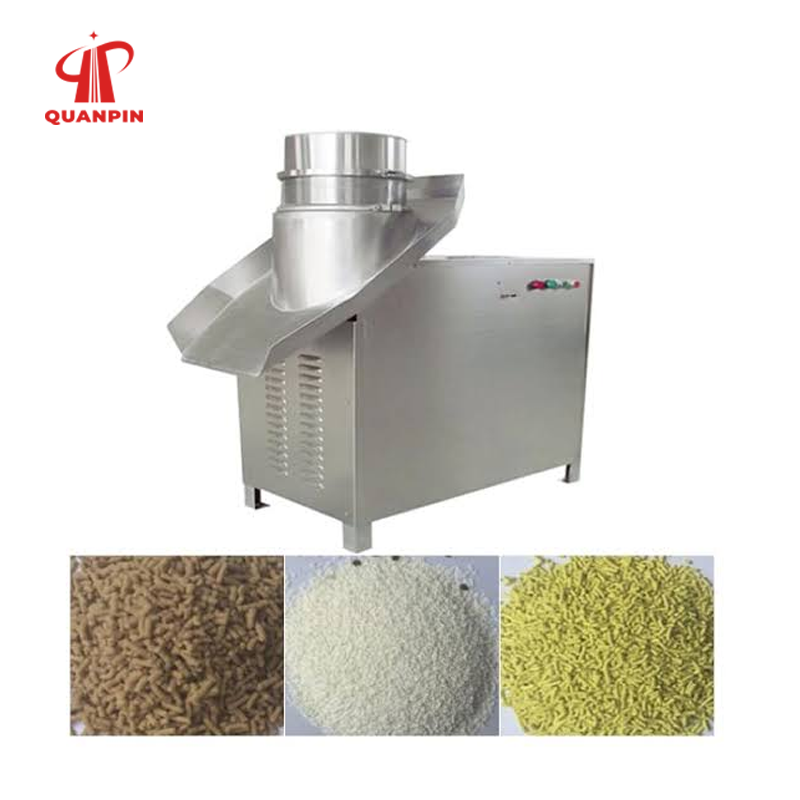
Extrusion Granulator Components and Interfaces
Wet-feed preparation
The feed interface should supply representative prepared mass without undocumented selection or extra conditioning. For granulation equipment, state which attributes will be tested before and after the operation.
Feed delivery
The extrusion mechanism must be identified from the proposed model and equipment drawing.
Extrusion mechanism
The screen or die defines a physical part of the process and requires its own identity and inspection status.
Screen or die
The product-contact path should allow the specified cleaning and inspection procedure.
Strand collection
The collection arrangement should avoid uncontrolled compression or drying of samples before measurement.
Sample and hold-time records
The event record should link wet-mass preparation, feeding and strand sampling times.
Comparison Choices and Process Interfaces
Define the Reference Basis
First compare feed preparations using the same defined extrusion arrangement where that is the study question. Place granulation and drying line within the complete process boundary, including the next handling step.
If both preparation and die conditions change, describe the trial as a combined change rather than a single-variable test.
Use the results to identify which unresolved input needs a further controlled comparison.
Keep the Comparison Interpretable
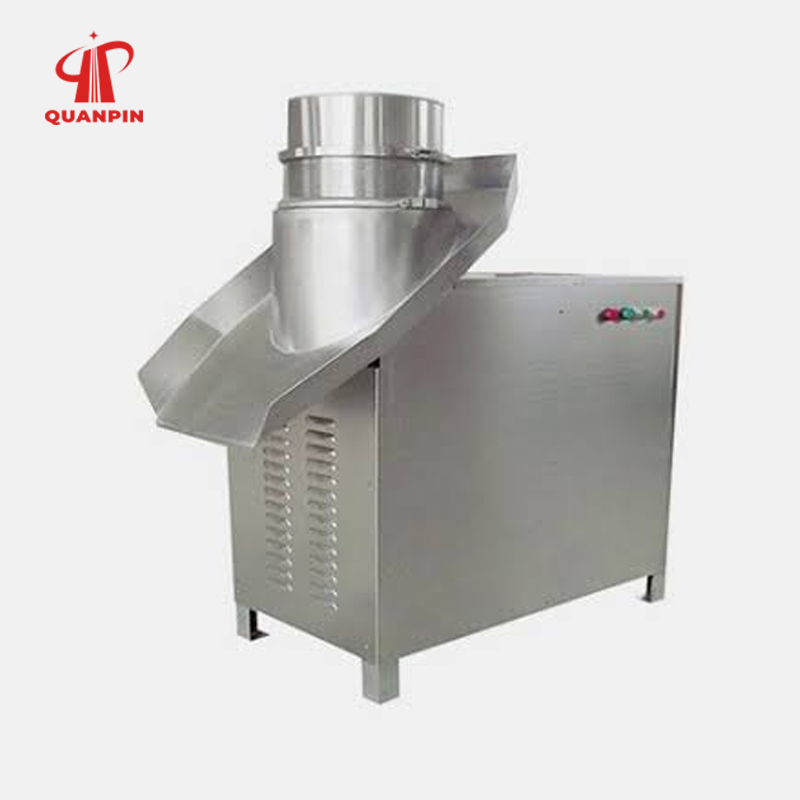
Wet-strand appearance can provide observations but should not replace the defined measurement method.
A delayed specimen may differ from freshly collected extrudate because of its handling and exposure history.
Keep the time and preparation method with any dimensional or consistency observation.
Assess the Receiving Process
Where spheronization is intended, assess that operation with the actual extrudate under a separate development plan. The granulation line for solid dosage form assessment should separate process readings from product acceptance tests.
Where drying follows directly, define how strand condition and loading relate to the planned drying study.
Avoid presenting an attractive selected strand as evidence for the accepted output of the complete run.
Industry Application and Acceptance
The matching industry is pharmaceutical preparation and drying, with extrusion as an identified preparation stage.
Final material acceptance depends on the formulation and the downstream route actually being developed. A development comparison should not be presented as complete validation of an untested production process. See FDA process validation guidance.
The equipment enquiry should identify those interfaces without implying that all later machines are included.
Review any new formulation against the established feed and product evidence rather than transferring settings automatically.
Benefits and Practical Limits
A feed-focused investigation can prevent unnecessary hardware changes when preparation is the unresolved variable. Specify wet granulation using the actual preparation history and the required finished material.
It does not establish a universal consistency range or die condition for unrelated pharmaceutical masses. Assess relevant quality risks using the actual material and process context. See FDA ICH Q9 quality risk management.
Six Details That Affect the Result
Retain the actual wet-mass recipe and addition record rather than a nominal product name alone.
Use consistent definitions for preparation completion and extrusion start.
Record unplanned conditioning, manual working or delayed feeding.
Keep screen identity with each collected specimen. Interpret measurements through process understanding rather than treating an isolated instrument reading as product acceptance. See FDA process analytical technology framework.
Separate measurement replication from independent samples of different parts of the run.
Include retained or rejected material when reporting accepted extrusion output.
Safety and Operating Requirements
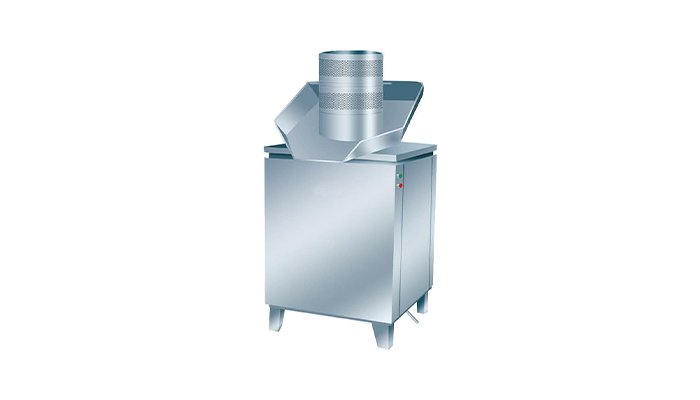
Follow approved guarding and isolation procedures before inspecting or changing extrusion components.
Assess the actual formulation hazards and cleaning conditions with responsible specialists rather than relying on a wet appearance as evidence of safety.
Prepare Your Equipment Enquiry
Provide QUANPIN with the prepared mass, conditioning history, intended extrudate and later processing route. Review the interface with dry/wet powder blender so preparation and final treatment are not confused with the machine’s own duty.
Ask for a trial that identifies the installed geometry and the evidence needed to distinguish feed effects from equipment changes. The granule drying requirement should retain the material identity, sampling method and downstream acceptance boundary. Retain knowledge and manage adopted process changes through the pharmaceutical quality system. See FDA ICH Q10 pharmaceutical quality system.
Frequently Asked Questions
Does changing the die address every extrusion variation?
No. Feed preparation and conditioning can affect the result and need their own records.
Why record time before extrusion?
Record the elapsed time and conditions where they may affect the mass presented for extrusion.
Can strand appearance replace measurement?
It can supplement the study but cannot replace the specified measurement and finished-product tests.
Are shaping and drying part of every extrusion unit?
Do not treat later shaping or drying as part of the extrusion unit unless it is explicitly included and verified.
How should rejected fractions be treated?
Preserve their identity and obtain an appropriate quality decision rather than silently combining them with accepted output.
What wet-mass information does QUANPIN need?
Share the actual wet mass and downstream requirements so QUANPIN can discuss a representative extrusion trial.
Discuss Your Extrusion Granulator Application with QUANPIN
Discuss your application with Extrusion Granulator specialists at QUANPIN. Use the enquiry below or our contact page.
Email sales@quanpinmachine.com or stacie@quanpinmachine.com. Call +86 19850785582, or contact us on WhatsApp: +86 15921493205.