
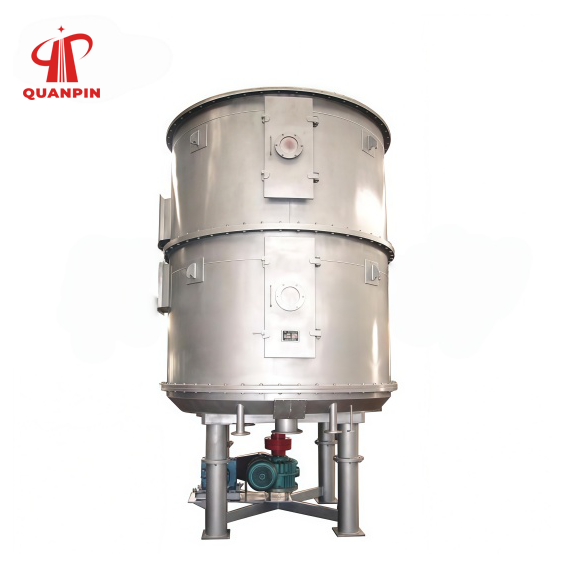
Disc Dryer for Chemical and Food Processing
Explore 10 material applications
Disc drying uses heated surfaces and controlled material movement to remove moisture from suitable wet solids, pastes and granular feeds. Review the drying arrangement around the feed and the required finished-product condition. Review the continuous disc dryer using representative slurry drying trials; conductive drying performance in indirect contact dryers depends on material contact, sticking and discharge behaviour.
QUANPIN can assess the heating duty, material handling and vapor collection for your application. Provide representative material information before selecting the equipment.
10 Material Applications for Disc Dryer
Select a specific material to review its feed condition, drying requirements, product checks and downstream handling alongside the original equipment specifications.
Disc Dryer for Chemical and Mineral Processing: Precipitated Calcium Carbonate Powder
Disc Dryer is evaluated for precipitated calcium carbonate powder in chemical and mineral processing. The defined feed is friable washed calcium carbonate cake or granulated solids. Match this duty to the material checks below and the unchanged original equipment parameters.
Disc Dryer for New-Energy Lithium-Ion Battery Materials: Battery-Grade Lithium Carbonate Crystals
Disc Dryer is evaluated for battery-grade lithium carbonate crystals in new-energy lithium-ion battery materials. The defined feed is washed lithium carbonate crystals with known residual liquor. Match this duty to the material checks below and the unchanged original equipment parameters.
Disc Dryer for New-Energy Lithium-Ion Battery Materials: Lithium Hydroxide Monohydrate Crystals
Disc Dryer is evaluated for lithium hydroxide monohydrate crystals in new-energy lithium-ion battery materials. The defined feed is washed lithium hydroxide monohydrate crystals. Match this duty to the material checks below and the unchanged original equipment parameters.
Disc Dryer for Food Ingredient Processing: Sodium Citrate Crystals
Disc Dryer is evaluated for sodium citrate crystals in food ingredient processing. The defined feed is washed food-grade sodium citrate crystals. Match this duty to the material checks below and the unchanged original equipment parameters.
Disc Dryer for Food Ingredient Processing: Citric Acid Crystals
Disc Dryer is evaluated for citric acid crystals in food ingredient processing. The defined feed is centrifuged citric acid crystals of a specified hydrate grade. Match this duty to the material checks below and the unchanged original equipment parameters.
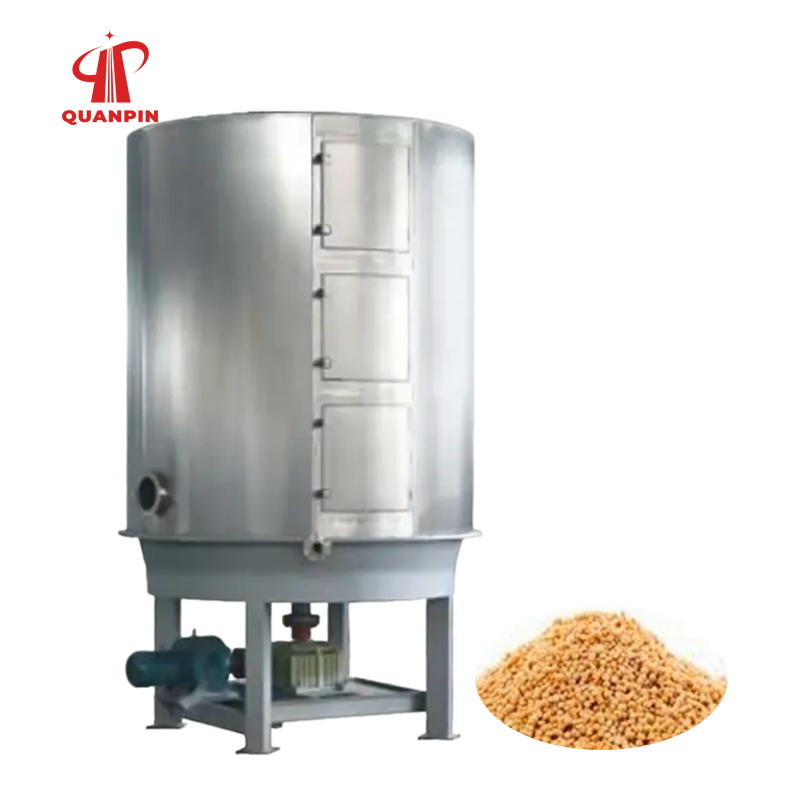
Disc Dryer for Food Ingredient Processing: Monosodium Glutamate Crystals
Disc Dryer is evaluated for monosodium glutamate crystals in food ingredient processing. The defined feed is washed monosodium glutamate crystals. Match this duty to the material checks below and the unchanged original equipment parameters.
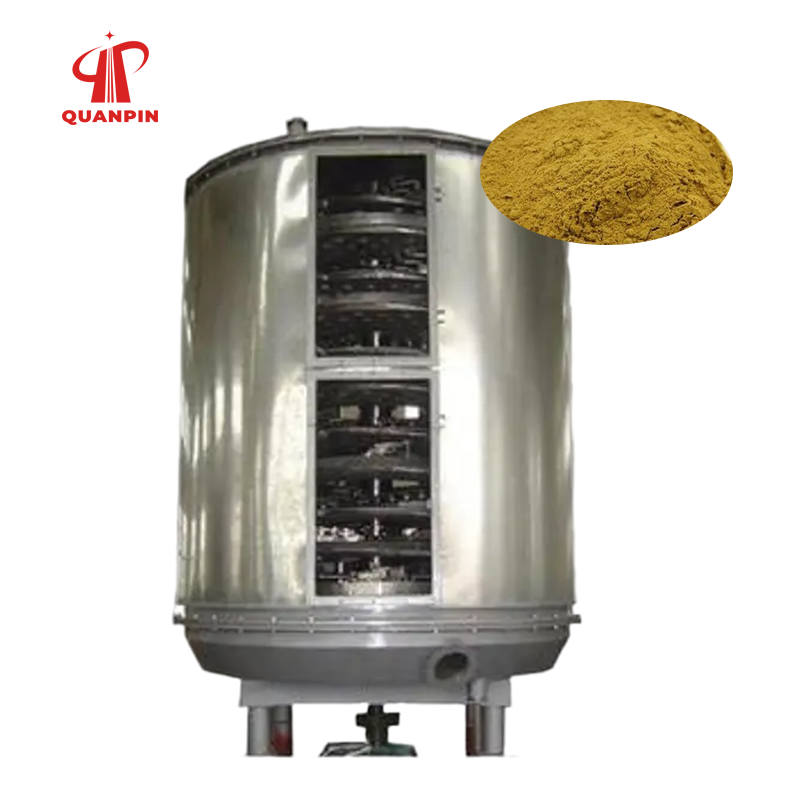
Disc Dryer for Chemical and Mineral Processing: Sodium Sulfate Crystals
Disc Dryer is evaluated for sodium sulfate crystals in chemical and mineral processing. The defined feed is dewatered sodium sulfate crystals of an identified hydrate form. Match this duty to the material checks below and the unchanged original equipment parameters.
Disc Dryer for Chemical and Mineral Processing: Oxalic Acid Crystals
Disc Dryer is evaluated for oxalic acid crystals in chemical and mineral processing. The defined feed is isolated aqueous-wet oxalic acid crystals of an agreed hydrate grade. Match this duty to the material checks below and the unchanged original equipment parameters.
Disc Dryer for Polymer Manufacturing: Polyamide 6 Chips
Disc Dryer is evaluated for polyamide 6 chips in polymer manufacturing. The defined feed is washed polyamide 6 chips with free surface moisture. Match this duty to the material checks below and the unchanged original equipment parameters.
Disc Dryer for Polymer Manufacturing: Cellulose Acetate Powder
Disc Dryer is evaluated for cellulose acetate powder in polymer manufacturing. The defined feed is aqueous-washed and friable cellulose acetate solids. Match this duty to the material checks below and the unchanged original equipment parameters.
Equipment Structure & Material Flow
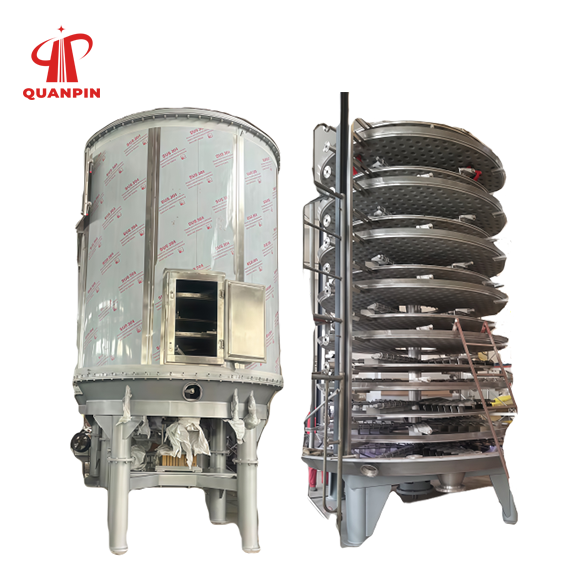
A horizontal disc dryer and a vertically stacked plate dryer use different material paths. Define the arrangement needed for your feed before comparing dimensions or heating area.
Feed
Introduce the material at a rate suited to the selected dryer.
Transfer Heat
Supply energy through the configured heated surfaces.
Handle Vapor
Collect moisture and discharge the product through the specified systems.
Disc & Plate Drying Systems
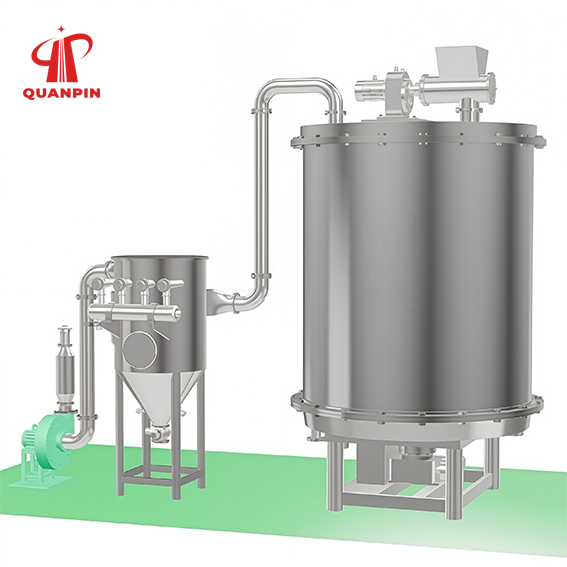
The heating medium transfers energy through metal surfaces in contact with the material. Mechanical movement renews that contact and helps convey the feed. The selected vapor-handling arrangement removes evaporated moisture.
Features to Specify
• Heating medium and allowable product temperature.
• Material movement, residence time and loading behavior.
• Vessel pressure and vapor collection requirements.
• Product-contact materials and cleaning access.
• Drive, instrumentation and the intended control sequence.
Applications
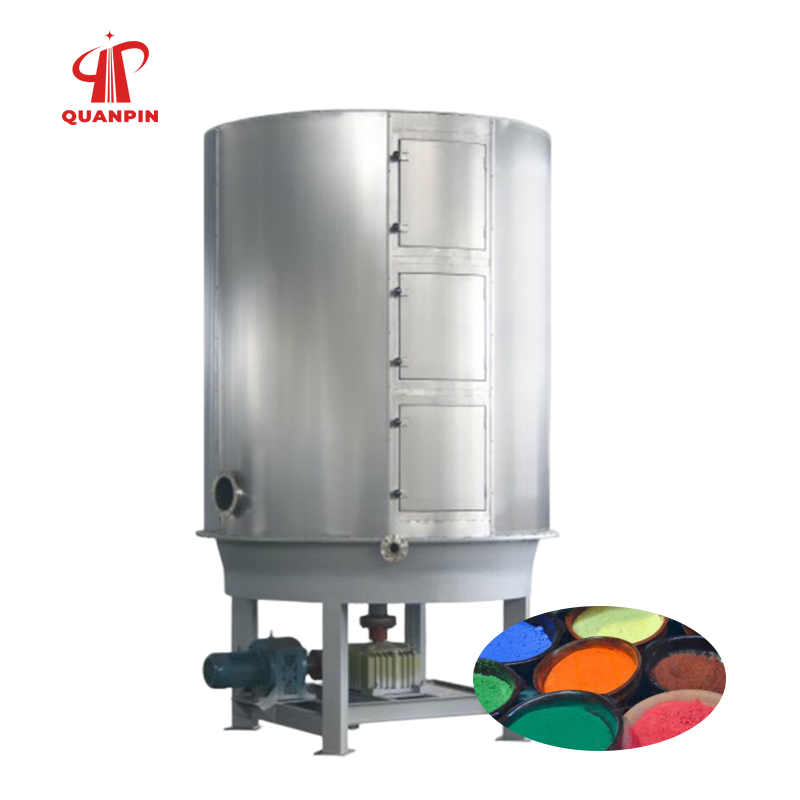
Evaluate the actual feed for chemical, pharmaceutical, food, feed or environmental processing. Composition, stickiness, abrasiveness and the final product specification influence suitability.
Disc Dryer Configurations
The images below show related QUANPIN indirect-heating equipment. Discuss the configuration and material requirements for your application.
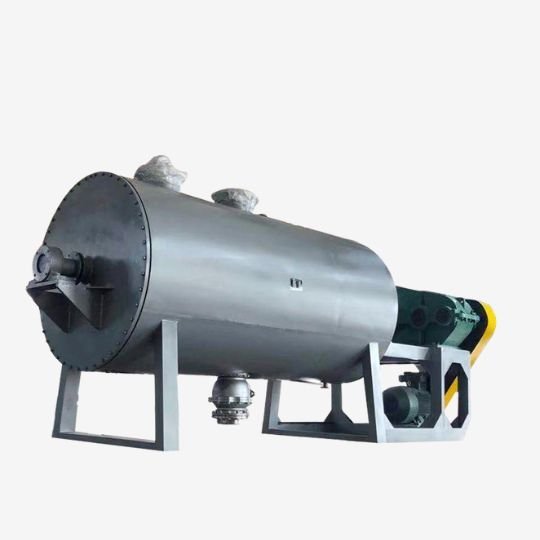
Horizontal Drying
Review how a horizontal disc-and-shaft arrangement moves and agitates the wet charge. Feed consistency and discharge behavior are part of the equipment review.
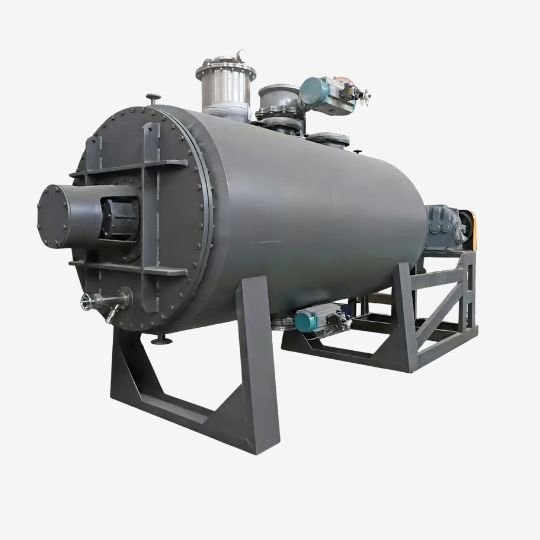
Slurry Drying
Describe solids content, viscosity and changes in consistency during moisture removal. Provide representative samples where sticking or agglomeration affects operation.
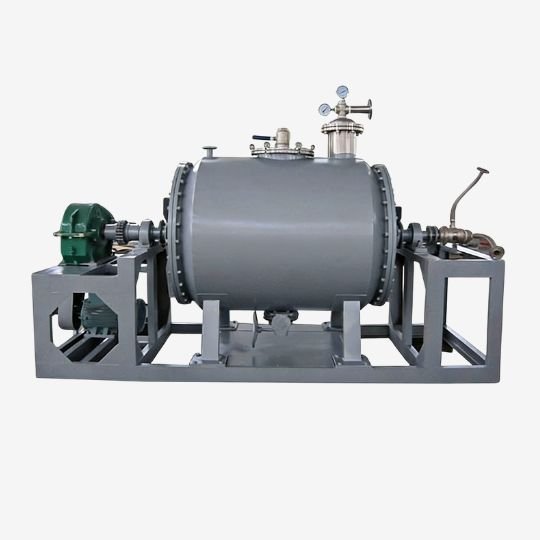
Organic Materials
Identify temperature limits, vapor properties and product-contact material requirements. Include any recovery or atmosphere-control requirements in the inquiry.
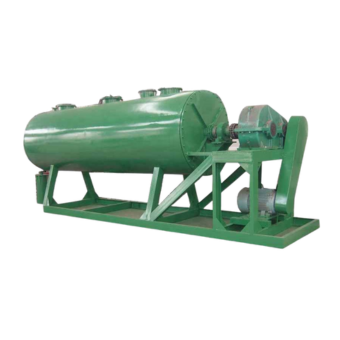
Rendering Applications
Discuss the actual feed, hygiene requirements and downstream product specification. Equipment suitability and the process cycle require material-specific evaluation.
Industrial Drying
Specify the required feed rate, moisture-removal duty, operating schedule and available utilities. Review the complete line rather than the dryer vessel alone.
Stainless Steel
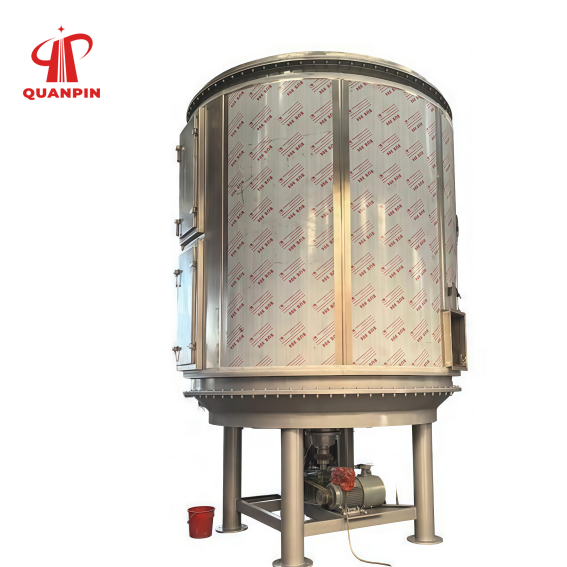
Select product-contact surfaces around composition, cleaning and corrosion requirements. The material grade and finish are defined in the technical proposal.
Continuous Drying
Coordinate feed delivery, material movement and discharge. The loading behavior and heating conditions determine the appropriate operating arrangement.
Vertical Drying
For a stacked-plate layout, review plate area, material distribution and access between levels. Confirm this arrangement separately from horizontal disc equipment.
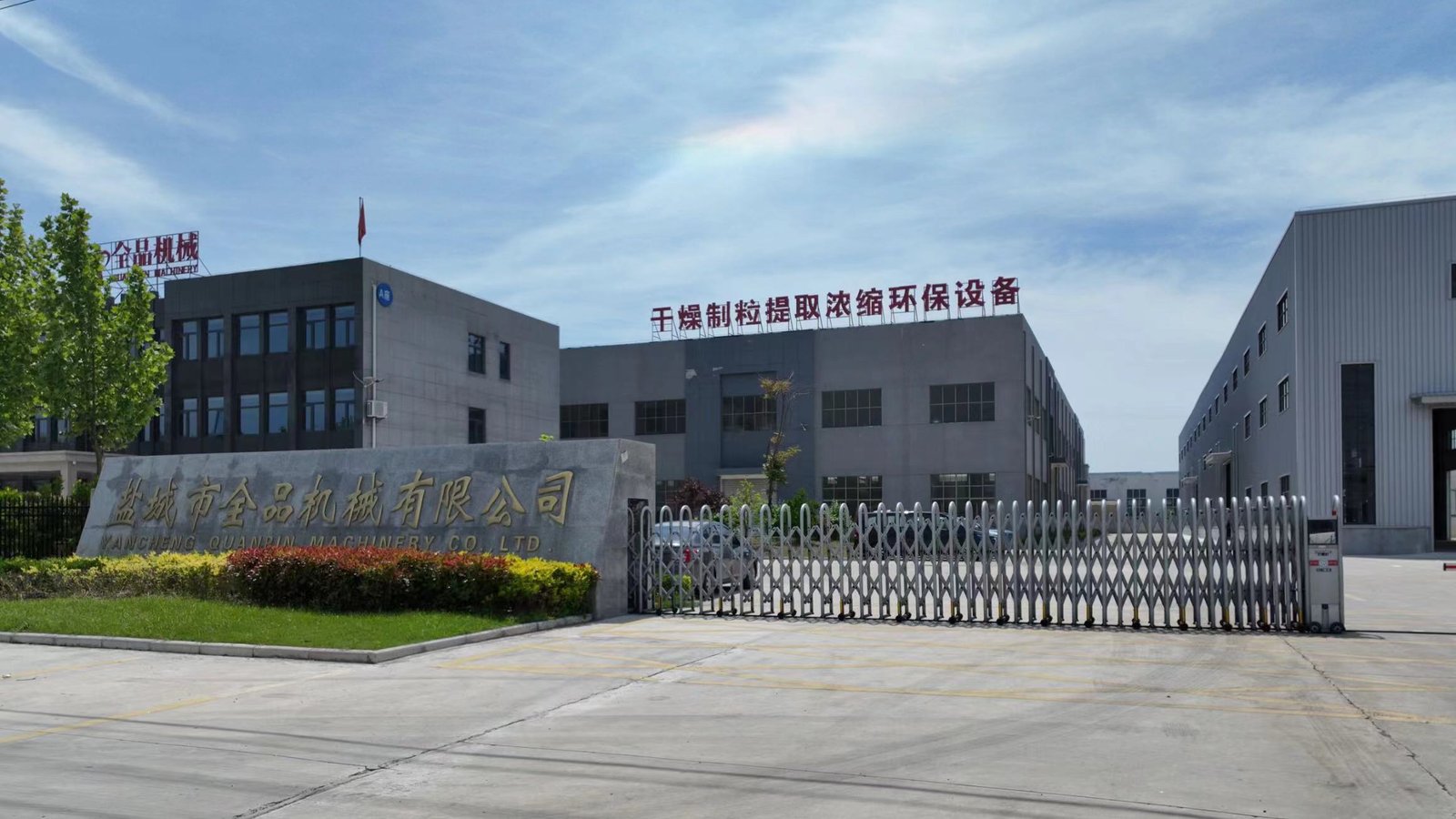
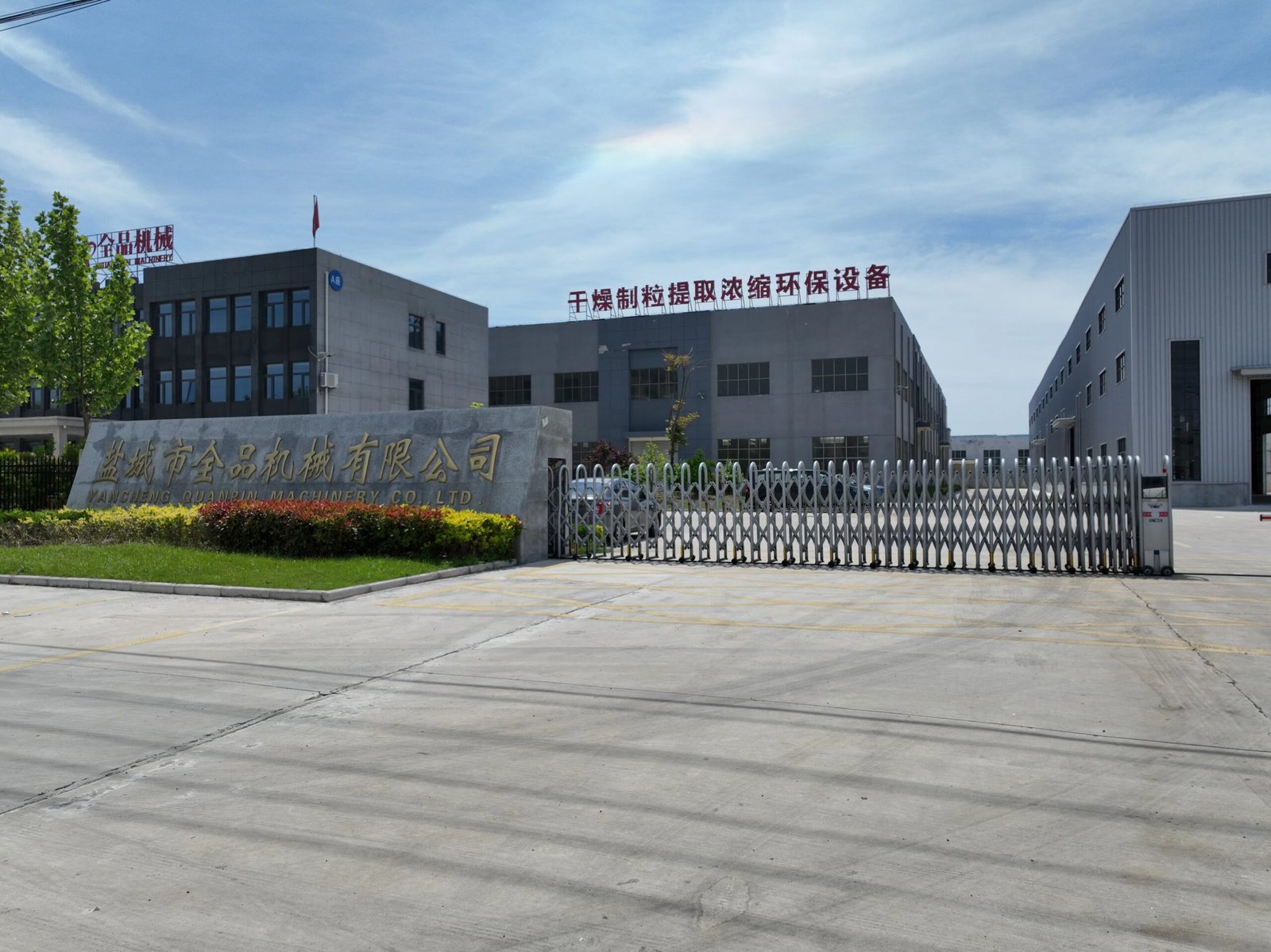
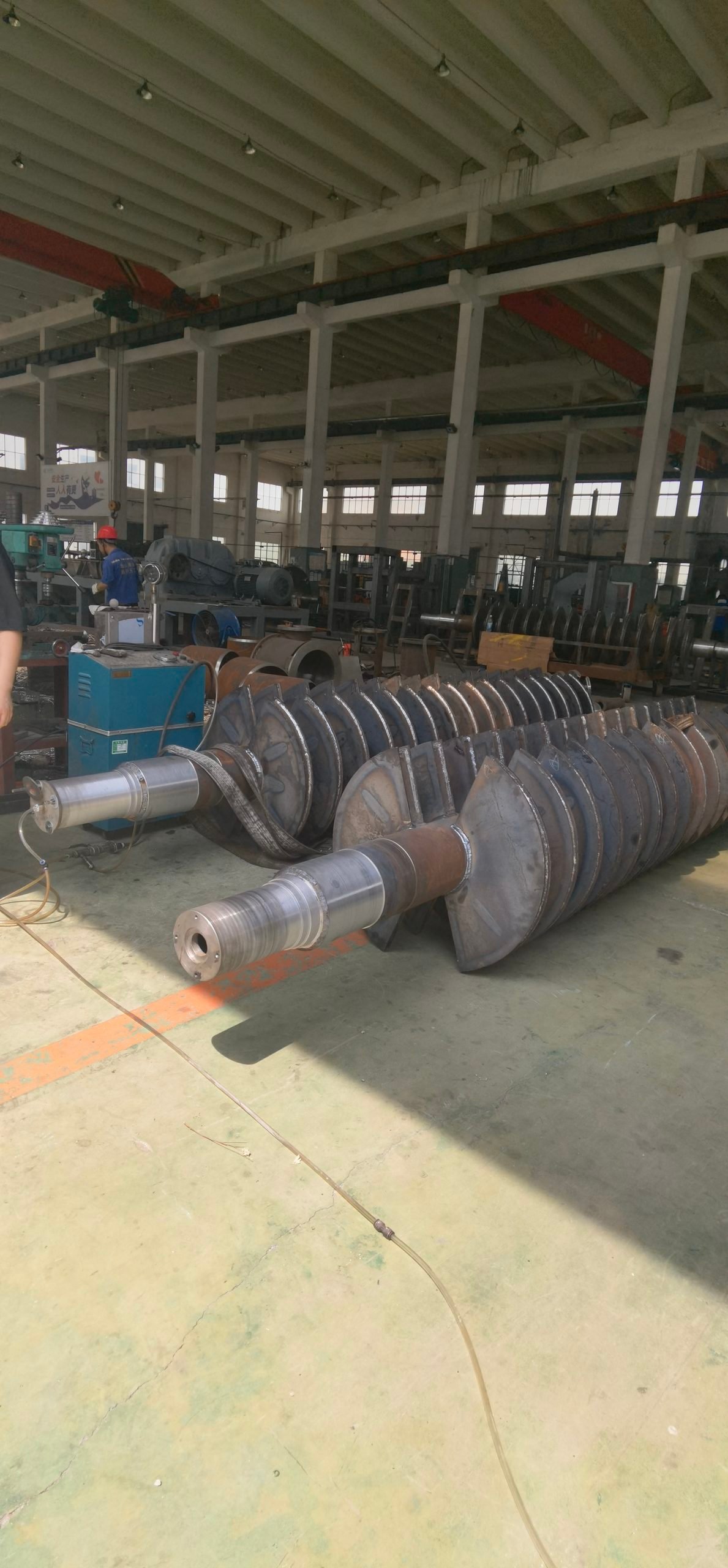
Our Factory
Reference Sizing Data
The table below reproduces the published YP-series reference sizing data, including repeated specifications. Confirm dimensions and operating duty before equipment selection; QUANPIN quotations define the selected machine.
| Spec. | Outer diameter (mm) | Height (mm) | Drying area (m²) | Power (kW) |
|---|---|---|---|---|
| 1200/4 | 1850 | 2608 | 3.3 | 1.1 |
| 1200/6 | 1850 | 3026 | 4.9 | 1.1 |
| 1200/8 | 1850 | 3448 | 6.6 | 1.5 |
| 1200/10 | 1850 | 3868 | 8.2 | 1.5 |
| 1200/12 | 1850 | 4288 | 9.9 | 1.5 |
| 1500/16 | 2100 | 3022 | 8.0 | 2.2 |
| 1500/9 | 2100 | 3442 | 10.7 | 2.2 |
| 1500/10 | 2100 | 3682 | 13.4 | 2.2 |
| 1500/12 | 2100 | 4282 | 16.1 | 3.0 |
| 1500/14 | 2100 | 4702 | 18.8 | 3.0 |
| 1500/16 | 2100 | 5122 | 21.3 | 3.0 |
| 2200/6 | 2900 | 3262 | 18.5 | 4.0 |
| 2200/8 | 2900 | 3682 | 24.6 | 4.0 |
| 2200/10 | 2900 | 4102 | 30.8 | 4.0 |
| 2200/12 | 2900 | 4522 | 36.9 | 4.0 |
| 2200/14 | 2900 | 4942 | 43.1 | 4.0 |
| 2200/16 | 2900 | 5382 | 43.3 | 4.0 |
| 2200/16 | 2900 | 5782 | 55.4 | 5.5 |
| 2200/20 | 2900 | 6202 | 61.6 | 5.5 |
| 2200/24 | 2900 | 6622 | 67.7 | 7.5 |
| 2200/26 | 2900 | 7042 | 57.9 | 7.5 |
| 3000/8 | 2800 | 7062 | 60.0 | 7.5 |
| 3000/10 | 2800 | 4650 | 48 | 11 |
| 3000/12 | 2800 | 4650 | 60 | 11 |
| 3000/14 | 2800 | 5250 | 72 | 11 |
| 3000/16 | 2800 | 5850 | 84 | 11 |
| 3000/18 | 2800 | 6450 | 96 | 11 |
| 3000/20 | 2800 | 7050 | 108 | 13 |
| 3000/22 | 2800 | 7650 | 120 | 13 |
| 3000/24 | 2800 | 8250 | 132 | 13 |
| 3000/26 | 2800 | 8850 | 144 | 13 |
| 3000/28 | 2800 | 9450 | 156 | 13 |
| 3000/30 | 2800 | 1050 | 168 | 13 |
| 3000/30 | 2800 | 180 | 180 | 13 |
Working Principle
Heated Surfaces
Energy passes from the heating medium to product-contact surfaces. The effective contact area and material movement affect moisture removal.
Material Movement
The selected disc, shaft or plate arrangement keeps suitable material moving through the heated region. Its handling behavior changes as moisture falls.
Vapor Collection
Vapor and entrained particles pass to the specified separation, condensation or treatment equipment. Define this scope together with the dryer.
Discharge
Coordinate the outlet with downstream cooling, packaging or storage requirements. Finished-product properties are checked against the application specification.
Disc Dryer Selection Priorities
Heating and Utilities
Match available utilities to the product temperature limit and required moisture-removal duty.
Drive and Controls
Define the operating sequence, monitoring points and adjustments required by the operators.
Cleaning and Maintenance
Review access to product-contact surfaces, seals and the drive. Include changeover and inspection requirements in the equipment specification.
Installation Layout
Allow space for feed handling, vapor equipment, discharge and maintenance access.
Material and Process Selection
Provide representative material information when discussing chemical powders, food ingredients, pharmaceutical intermediates, feed materials or sludge. A name alone does not establish suitability: moisture, handling behavior and the intended final use must be reviewed.
Frequently Asked Questions
Is a disc dryer difficult to operate?
The operating interface and sequence depend on the agreed scope. Specify the measurements, alarms and routine adjustments needed by the production team.
What affects service life?
Material compatibility, wear, loading and maintenance influence service life. Follow the instructions for the selected equipment and operating conditions.
How should energy demand be assessed?
Define the feed rate and moisture removed, then review heating, drives and vapor handling together. Compare utility demand using equivalent process conditions.
Send Your Inquiry Now
Application Review: Chemical and Food Processing
Review the actual feed composition, consistency, initial and final moisture, temperature limits and discharge requirements. Define heating, vapour handling, cleaning and collection around the selected material and process.
For the formulation review, consult HSE hazardous-substance assessment guidance.
Review the formulation’s safety data sheets using HSE chemical safety data sheet guidance.
Review the actual powder characteristics using the HSE safe handling of combustible dusts.
For the heating-system review, consult the U.S. Department of Energy process heat overview.
For maintenance and isolation planning, refer to HSE work equipment maintenance guidance.
Start Optimizing Your
Drying Process Today.
Our engineers are ready to assess your material and recommend a reliable, cost-effective drying solution.