
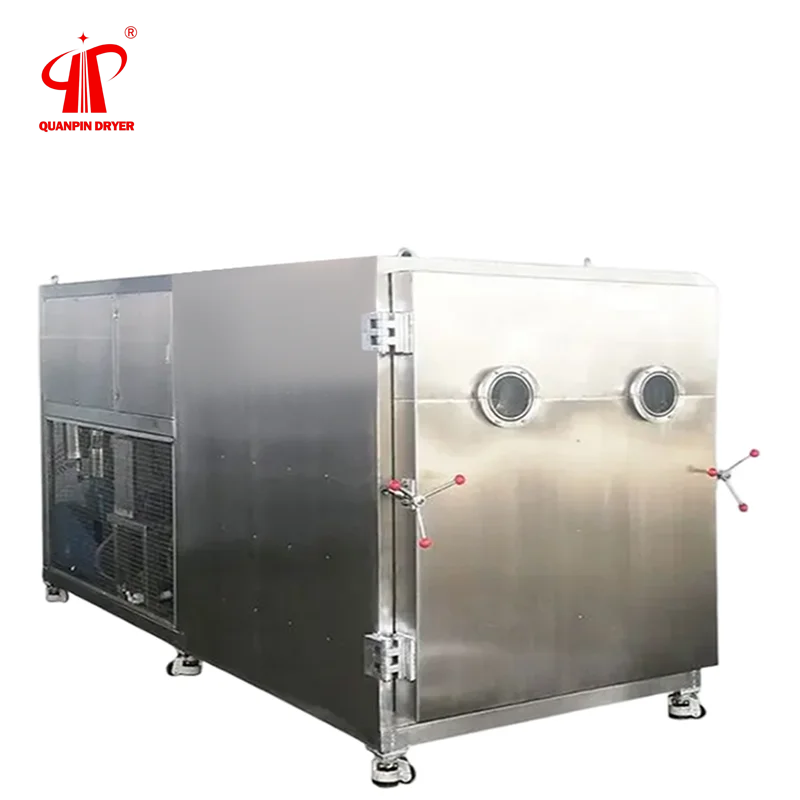
FD Vacuum Freeze Dryer (Lyophilizer) for Food and Pharmaceutical Applications
Freeze drying removes moisture from a frozen product under reduced pressure; it is a different process route from a vacuum drying oven or an agitated vacuum dryer used for unfrozen feed. Before selecting vacuum drying equipment, define the required product structure, rehydration behavior and batch conditions. Compare our vacuum tray dryer and the vacuum drying versus freeze drying guide, then discuss product-specific trials with QUANPIN. Specify the vacuum freeze dryer machine around the frozen load and condenser duty; a vacuum freeze drying machine used for heat-sensitive material drying needs product-specific temperature and endpoint criteria.
Freezing and controlled vacuum drying
Shelf and tray layout matched to the product
Refrigeration and vapor condensation
Vacuum equipment selected for the process
Temperature and pressure monitoring
Product-specific cycle development
Vacuum Freeze Drying System
Vacuum freeze drying uses freezing, primary drying and secondary drying to remove water from a product. The cycle and equipment must be matched to the formulation, loading pattern and required residual moisture.
How Does a Vacuum Freeze Dryer Work?
Stage 1 — Freezing
The product is frozen under controlled conditions. The freezing stage prepares the material for primary drying and can influence the structure of the dried product.
Stage 2 — Primary Drying
Under reduced pressure, energy is supplied so that ice passes directly into vapor. The condenser captures vapor removed from the product.
Stage 3 — Secondary Drying
The cycle continues under specified conditions to remove additional bound moisture. Final moisture and product quality are checked against the agreed requirements.
Features to Specify
• Usable shelf area, tray dimensions and loading pattern.
• Refrigeration and condenser requirements for the batch.
• Vacuum system and process pressure range.
• Temperature measurement and cycle-control requirements.
• Contact materials and cleaning access.
• Product unloading and packaging conditions.
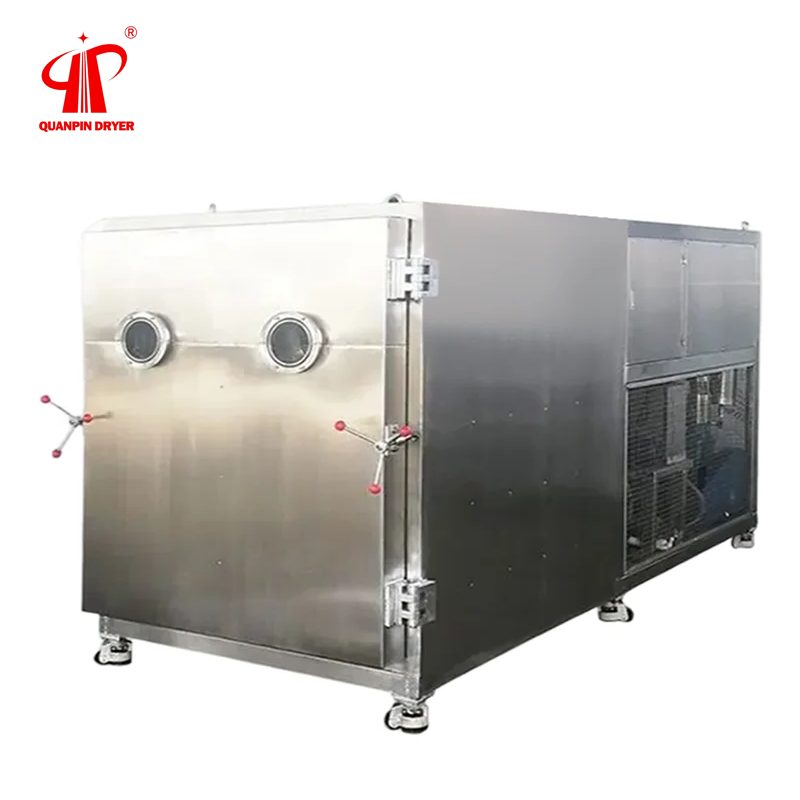
Features of FD Series Vacuum Freeze Dryer
Advanced Design for High-Quality and Stable Vacuum Freeze Drying Process
✓ Super Capacity to Adapt to Ambient Temperature
It has super capacity to adapt to ambient temperature, and can work at high temperature in 40℃, which changed the vacuum freeze dryer’s work condition, such as high demands to ambient temperature and can not work in summer as usual.
✓ Original Man-Made Intelligent Automatic Control, Convenient Monitor Interface
It adopts technical microcomputer control; multicolor liquid crystal display and record all parameters. Its working condition is clear at a glance, the record data can be deposited several months to one and a half year, and the data also can be copied to deposit for a long time. It has original manmade intelligent automatic control, and the freeze-dry curve can be set up automatically, so that the trouble of setting freeze-dry curve can be avoided. It gets rid of the influence to process of freeze-dry, which is caused by forced filling rate and changes of ambient temperature.
✓ Substantial Energy Saving Effect
Supernatural power arrangement, compare with the other vacuum freeze dryer, the same processing capability, but our equipment just need a half or lower power arrangement, and it need not any matching installation (steam boiler, freeze tower etc.), Just three-phase electricity can made it work autocoprally. The drying time is short commonly, it spend 8~16 hours (according to the property of raw material). In contrast, it has obvious and concrete saving energy effect.
✓ Compact Construction
Complete function has compact construction, its cold trap and dryer box is an organic whole, air-blast cooling tower the temperature quickly and equably. Its heating plate adopts special medium, which ensure the transfer of heat; radiation heating ensure homogeneity of heat and controllability of temperature. Its setting, maintenance, and operation is convenient operator only need press the button to start, and tail off then discharge port by indicating of pilot lamp, it has complete function, call off deepfreeze and freeze-dry done without any setup.
Technical Parameters
| Model | FD-0.5A | FD-1A | FD-5A | FD-10A | FD-20A |
|---|---|---|---|---|---|
| Control | Microcomputer automatic, freeze-drying curve self-tuning, color LCD display, record | ||||
| Working style | quick-freeze or freeze dry | ||||
| Body material | 304 stainless steel | ||||
| Drying area | 0.5 m² | 1 m² | 5 m² | 10 m² | 20 m² |
| Charge amount | 5 kg | 10 kg | 50 kg | 100 kg | 200 kg |
| Tray size | 300/400/25 | 300/500/25 | 600/800/25 | 600/1000/25 | 600/1000/25 |
| Number of tray | 5 | 7 | 12 | 17 | 34 |
| Tray type | Stainless steel dish or Stainless steel net dish | ||||
| Shell number | 6 | 8 | 13 | 18 | 36 |
| Shell Temp. | -35~120°C | ||||
| Shell medium | Low-temperature silicone oil | ||||
| Water Getting | 5 kg | 10 kg | 50 kg | 100 kg | 200 kg |
| Vacuum pump | Screw slice pump | ||||
| Vacuum degree | ≤130pa | ||||
| Ultimate vacuum | <10pa | ||||
| Defrosting | Hot water spray | ||||
| Compressor | Inlet whole sealing | Hall sealing | |||
| Cool water stream | No need | ||||
| Power | Single or three phase | Three phase | |||
| Working Temp. | ≤40°C | ||||
| Rate power | 5 kW | 6 kW | 16 kW | 25 kW | 40 kW |
| Working period | 12 hours quick freeze and freeze dry | ||||
| Spinach | 1.39° electricity/kg H₂O | ||||
| Water | ≤3° electricity/kg H₂O | ||||
Third-Party Lyophilizer Comparison — Reference Data
The following comparison names Fanqun equipment in the source material. It is not a QUANPIN product acceptance test or a guaranteed energy-saving result. Request a quotation and an agreed test specification for your actual product and batch.
| Brand | Specification (m²) | Power (kw) | Celostrum lyophilized Time(h) | Lyophilized Royal Jelly Time(h) | Sheep placenta block Time (h) |
|---|---|---|---|---|---|
| Fanqun lyophilizer | 5 | 16 | 13 | 14 | 12 |
| Others | 5 | 32 | 24 | 28 | 48 |
FD-5A type 50 kg spinach the performance of the lyophilized test
| Loaded material temperature (kg) | Quick freeze time (h) | Drying time (h) | Defrost time, etc.(h) | Dry spinach (kg) | Total anhydrate (kg) | Total power consumption (Degrees) | Unit energy consumption capacity (kgH₂O) |
|---|---|---|---|---|---|---|---|
| 50 | 1 | 7 | 1 | 7.5 | 42.5 | 59 | 1.39 |
FD-5A type 50 kg water lyophilized test machine performance
| Tray number | Water amount (kg) | Water temperature in tray (°C) | Quick freeze time (h) | Freeze sublimation time (h) | Defrost time, etc. (h) | Total power consumption (Degrees) | Unit energy consumption capacity (kgH₂O) |
|---|---|---|---|---|---|---|---|
| 12 | 4.2 | 10 | 1 | 3 | 8 | 59 | 2.56 |
Product Advantages
- Low-temperature drying helps protect suitable heat-sensitive ingredients.
- Sublimation removes ice directly from the frozen product under vacuum.
- Controlled shelf temperature supports product-specific drying cycles.
- Freeze drying can help preserve a porous structure for rehydration.
- Primary and secondary drying stages allow control of residual moisture.
- Solvent recovery requires a specially engineered, solvent-compatible freeze-drying system.
- Shelf area and condenser capacity can be selected around the intended batch load.
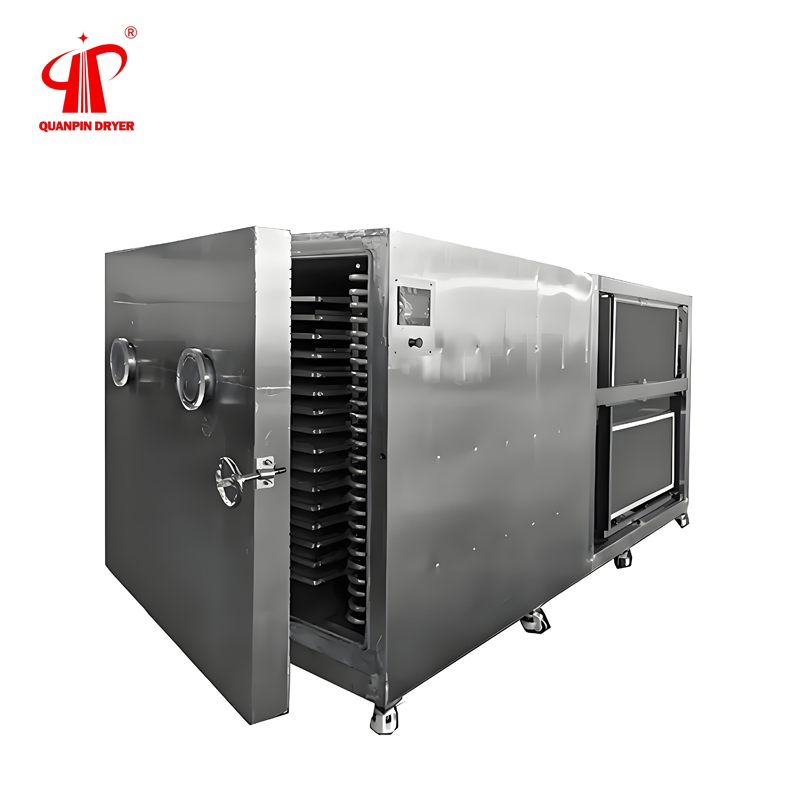
Food Freeze Drying
Review ingredient preparation, loading and desired rehydration properties.
Product Lyophilization
Discuss formulation behavior and the required residual moisture.
Shelf and Tray Configuration
Select shelf area and spacing around the product and batch.
Small Batch Processing
Assess sample quantities and the intended development work.
Vacuum Freeze Drying
Coordinate the chamber, refrigeration, condenser and vacuum equipment.
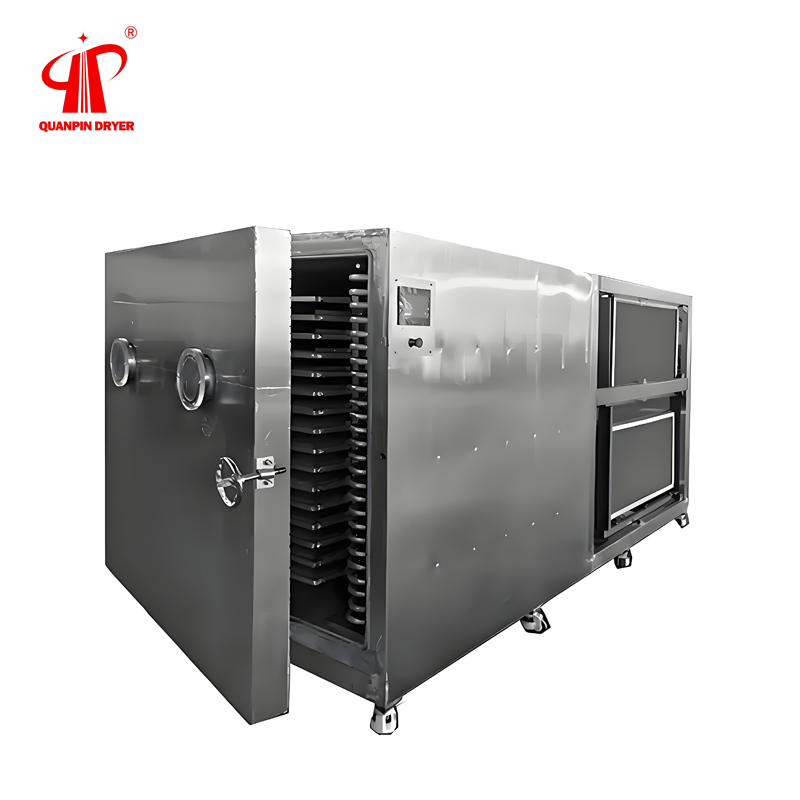
Chamber Configuration
Review chamber arrangement and production workflow.
Industrial Production
Define batch output, cycle scheduling and utility requirements.
Pilot-scale Development
Use representative trials to support process and equipment selection.
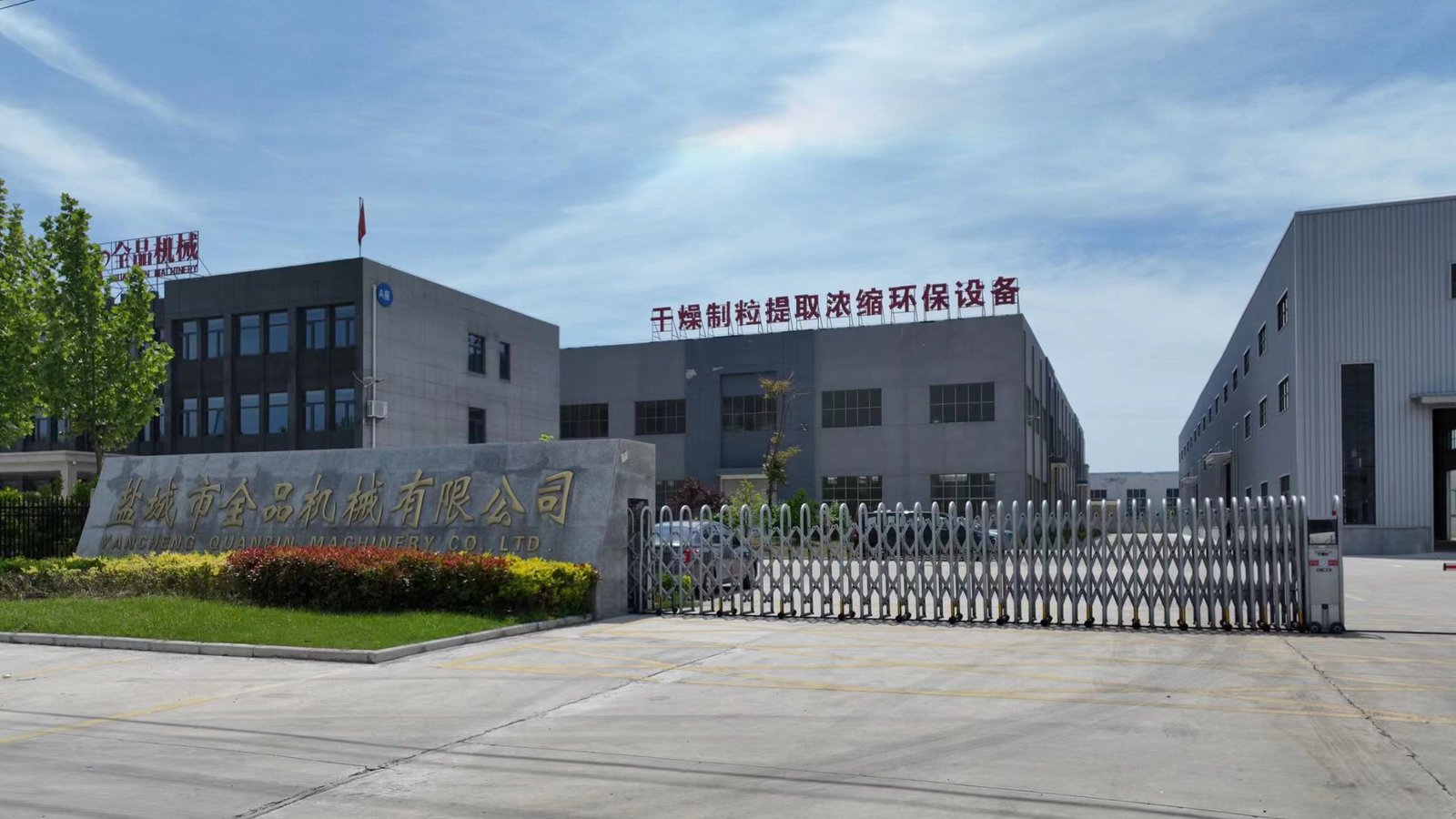
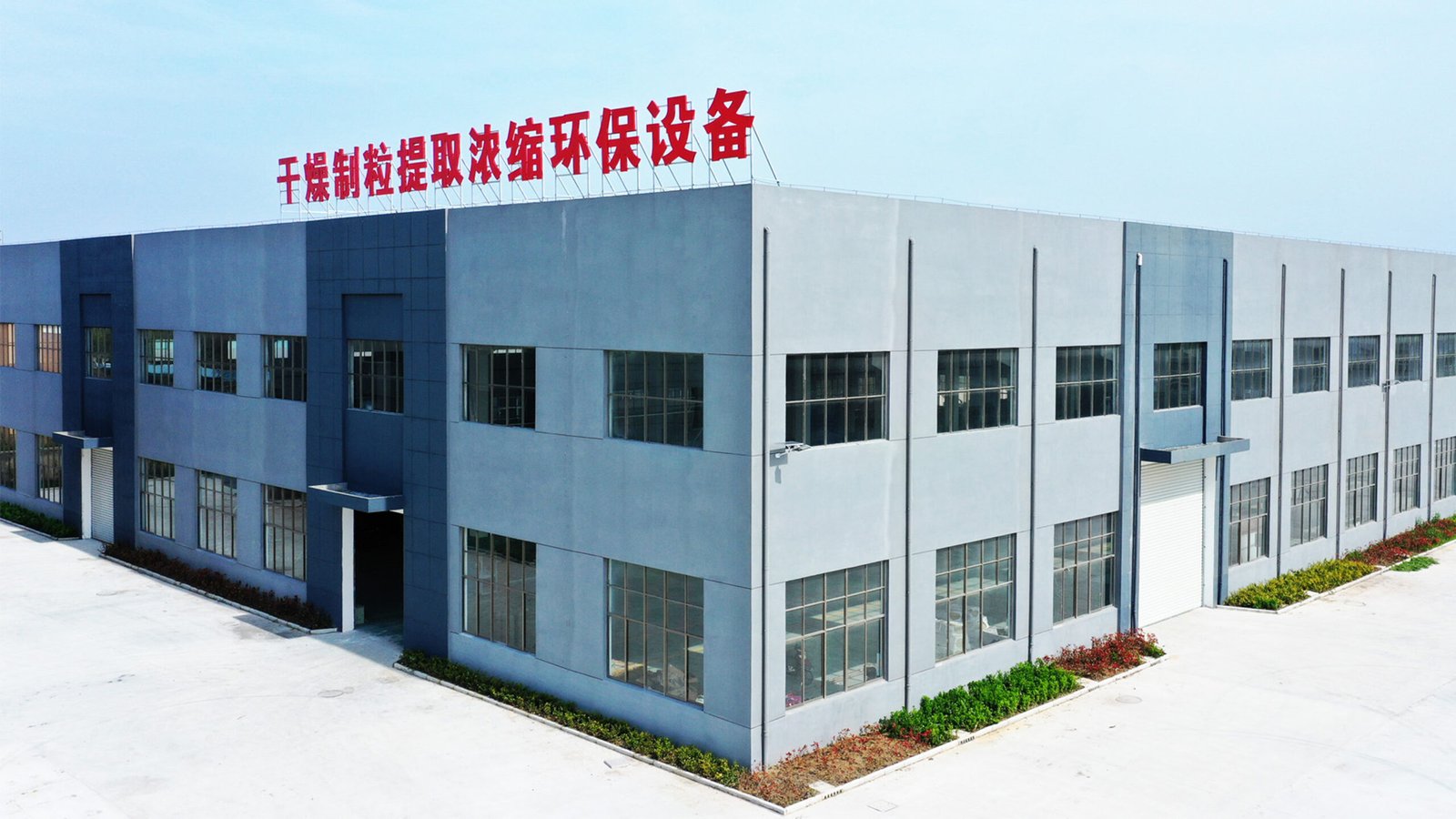
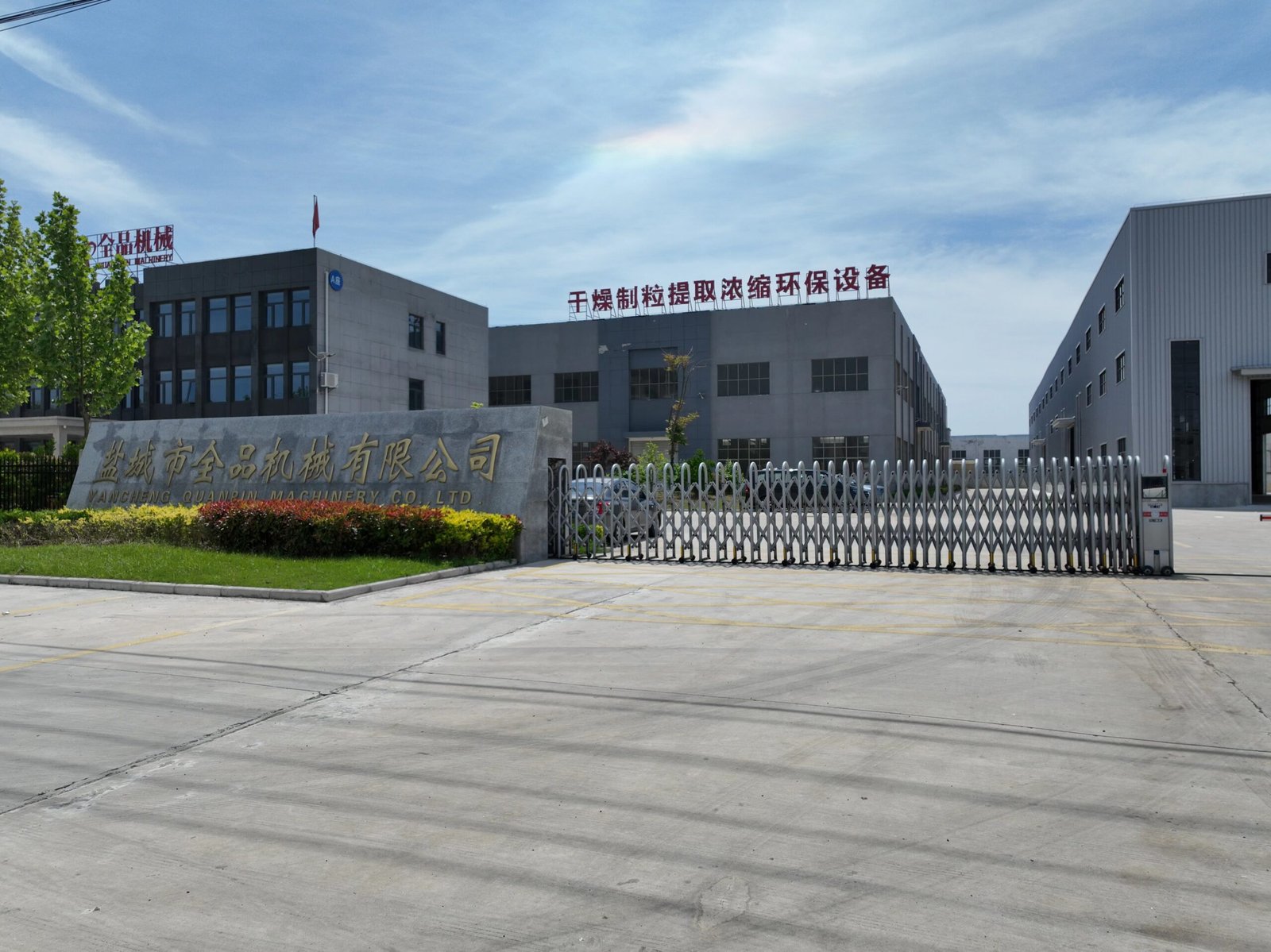
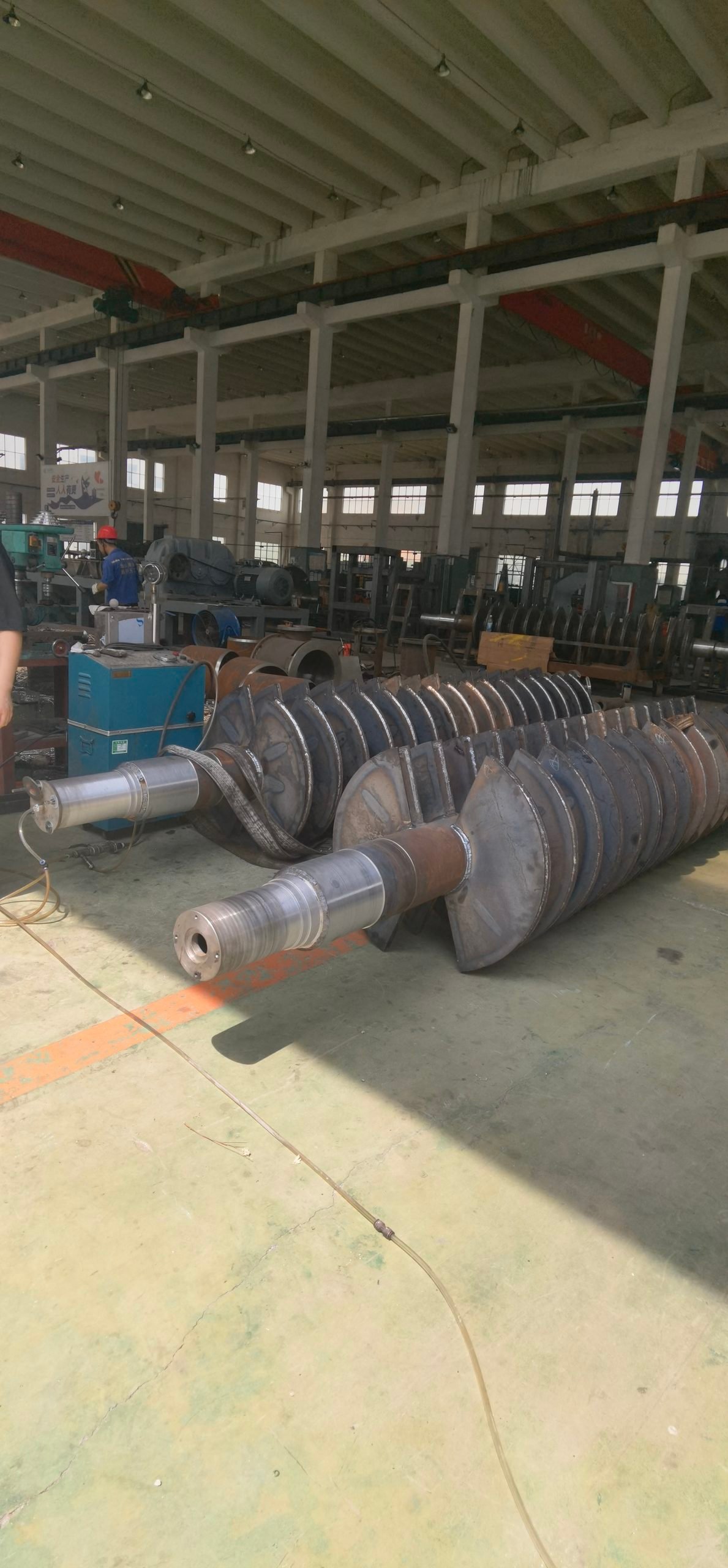
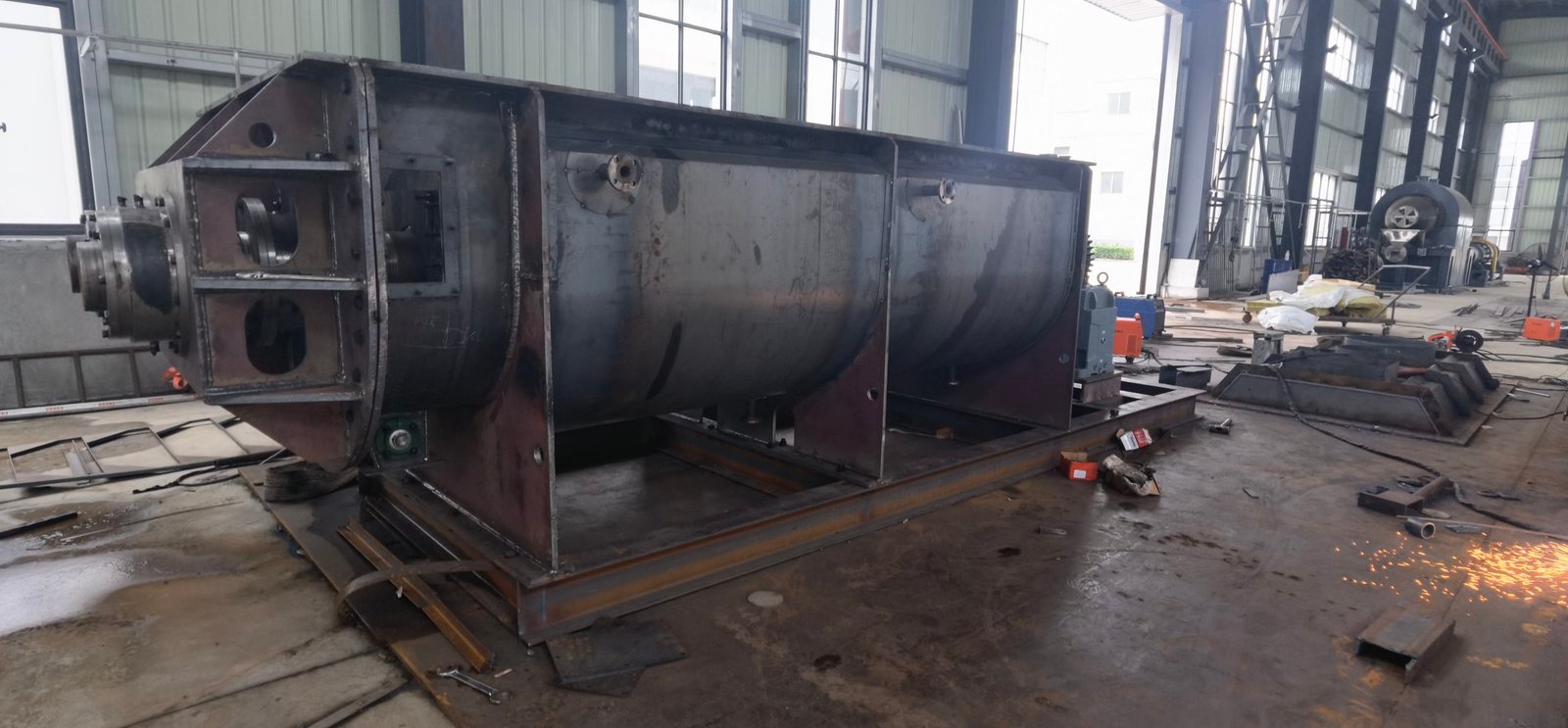
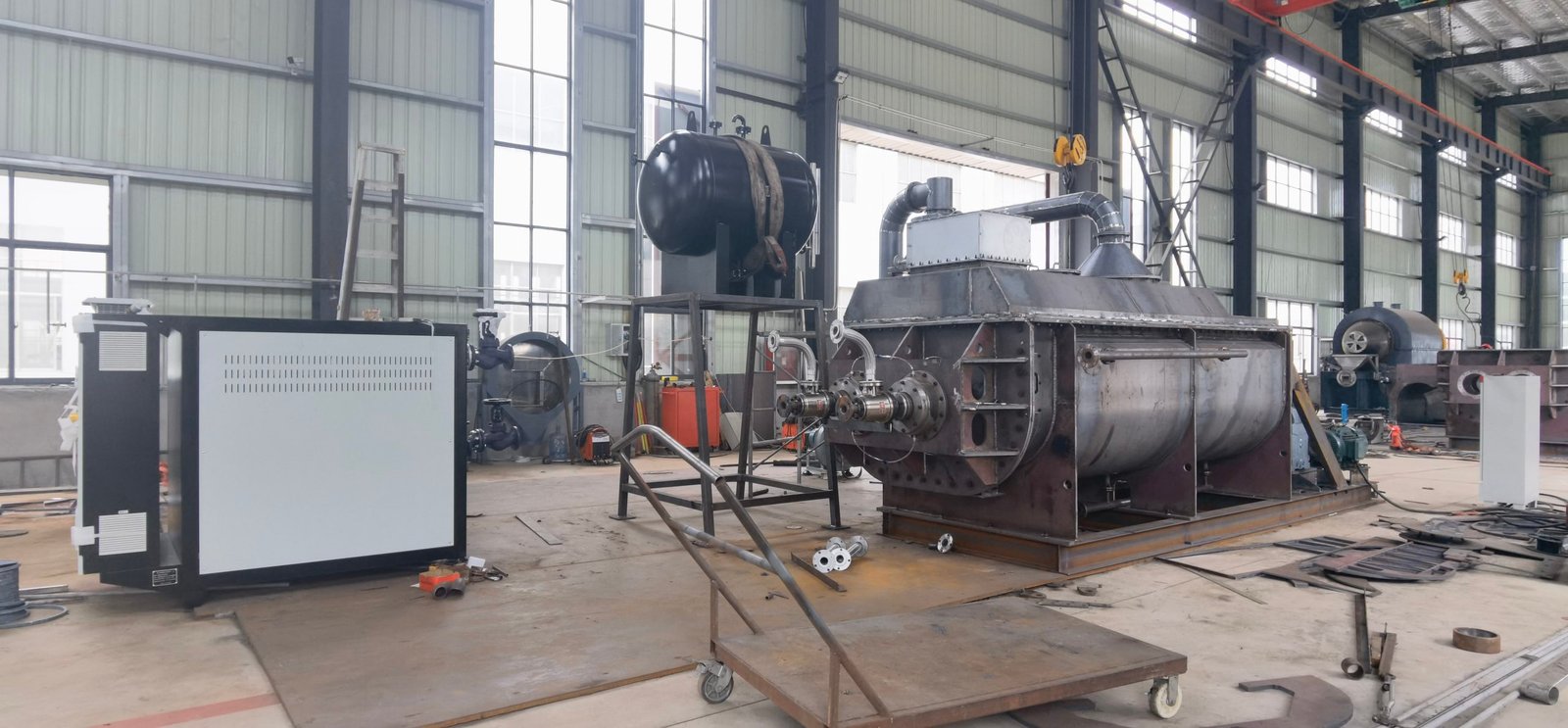
Our Factory
Additional Technical Data
| Parameter | Project Information |
| Product | Formulation, initial moisture and temperature limits |
| Batch | Loading quantity and production schedule |
| Shelves | Usable area, spacing and tray dimensions |
| Condenser | Expected water removal per batch |
| Vacuum | Required operating conditions |
| Controls | Cycle development, monitoring and recording needs |
| Installation | Available utilities, space and cleaning requirements |
The final specification is defined in the QUANPIN technical proposal.
Performance Test
A representative product trial provides the basis for assessing the drying cycle. Agree the loading pattern and acceptance criteria before testing.
| Test Item | Record or Assessment |
| Loading | Material, batch mass and tray distribution |
| Freezing | Temperature profile and freezing time |
| Primary drying | Shelf temperature, chamber pressure and duration |
| Secondary drying | Temperature, pressure and duration |
| Final product | Residual moisture, appearance and rehydration where relevant |
| Utilities | Measured consumption under the stated test conditions |
No material-specific performance or energy-saving guarantee is implied by this test checklist.
What is a Vacuum Freeze Dryer?
A vacuum freeze dryer removes water from a frozen product through sublimation followed by further drying. The refrigeration, vacuum and temperature-control systems are coordinated to meet the product’s process requirements.
How Does Freeze Drying Work?
The product is first frozen. Primary drying removes ice under reduced pressure, and secondary drying reduces remaining moisture. Cycle development balances product temperature, pressure and heat input.
Product Characteristics
The process can be useful for materials that require careful control of thermal exposure. Results depend on the formulation and cycle rather than the equipment name alone.
Low-temperature Processing
Set the product temperature limits and review them throughout cycle development.
Product Structure
Freezing and drying conditions influence the resulting structure. Product tests are needed to assess the outcome.
Rehydration
Where rehydration matters, define the test method and acceptance criteria for the finished product.
Storage and Transport
Packaging and storage conditions must be considered alongside residual moisture and product stability.
Shelf Life
Shelf life requires product-specific stability evidence under the intended packaging and storage conditions.
Material Suitability
Provide composition and process requirements so that freeze drying can be compared with other drying methods.
Utility Requirements
Evaluate refrigeration, vacuum and heat input using actual batch and cycle information.
Types of Vacuum Freeze Dryers
Equipment scale is selected around usable shelf area, loading quantity, condenser duty and the production schedule.
Small-scale Vacuum Freeze Dryers
Small batches can support product trials and cycle development. Confirm that the equipment offers the measurements required for the work.
Pilot-scale Vacuum Freeze Dryers
Pilot work can assess representative loading and support a production-scale proposal.
Production Vacuum Freeze Dryers
Production systems require coordinated planning for batches, loading, unloading, utilities and maintenance.
Main Components
The chamber, shelves, refrigeration system, condenser, vacuum equipment and controls work together throughout the cycle.
Drying Chamber and Shelves
Shelf area, spacing and temperature control should match the product presentation and loading pattern.
Refrigeration and Condenser
These systems freeze the product as configured and capture vapor released during drying.
Vacuum Equipment
Selection depends on the process pressure and vapor-handling arrangement.
Controls
Specify cycle programming, monitoring, data recording and operator requirements.
Applications
Potential applications include suitable food ingredients, biological materials and pharmaceutical products. Suitability and documentation requirements are reviewed for each project.
Selecting a Vacuum Freeze Dryer
Provide product form, tray or container dimensions, batch mass, initial and target moisture, temperature sensitivity and available utilities. Define the required product structure and rehydration behavior, then agree trial sampling and acceptance criteria. The FDA freeze drying inspection guide explains freezing, primary drying and secondary drying for pharmaceutical context; it does not establish certification or suitability of this equipment for sterile production.
Send Your Inquiry Now
To request a quote for the FD Vacuum Freeze Dryer (Lyophilizer), send the product composition, piece size or fill depth, frozen batch load, moisture endpoint, product temperature limits and required final structure. Include site space, utilities and installation requirements so QUANPIN can review the equipment scope and discuss a suitable configuration. Material-specific targets should be agreed before model selection.
Application Review: Food and Pharmaceutical Applications
Review the actual feed composition, consistency, initial and final moisture, temperature limits and discharge requirements. Define heating, vapour handling, cleaning and collection around the selected material and process.
For food ingredients, review the Codex food hygiene and HACCP framework when defining hygienic handling.
For a food-processing application, consult FDA food manufacturing practices for the intended market.
For dried foods, the FDA water activity reference helps distinguish water activity from moisture content.
Review the actual powder characteristics using the HSE safe handling of combustible dusts.
For the heating-system review, consult the U.S. Department of Energy process heat overview.
Start Optimizing Your
Drying Process Today.
Our engineers are ready to assess your material and recommend a reliable, cost-effective drying solution.