
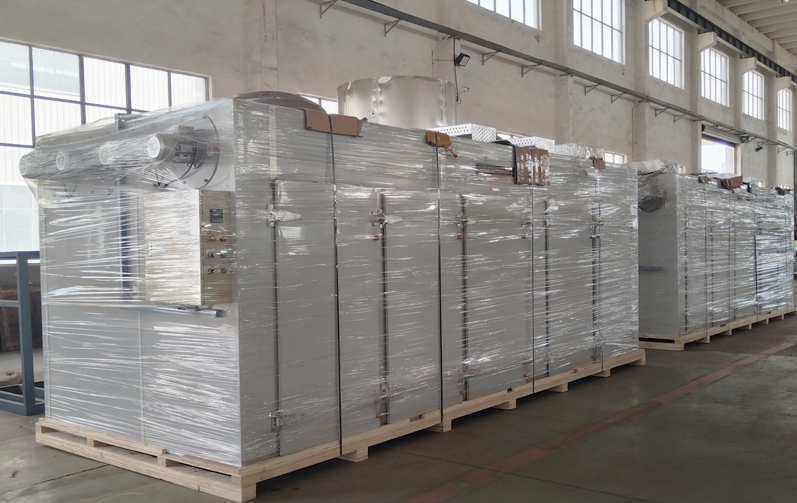
QUANPIN Hot Air Circulation Oven
QUANPIN reviews your material, batch size and drying requirements to specify a hot air circulation oven. Discuss tray loading, temperature limits, heating utilities and installation conditions with our team.
Circulating heated air for batch drying
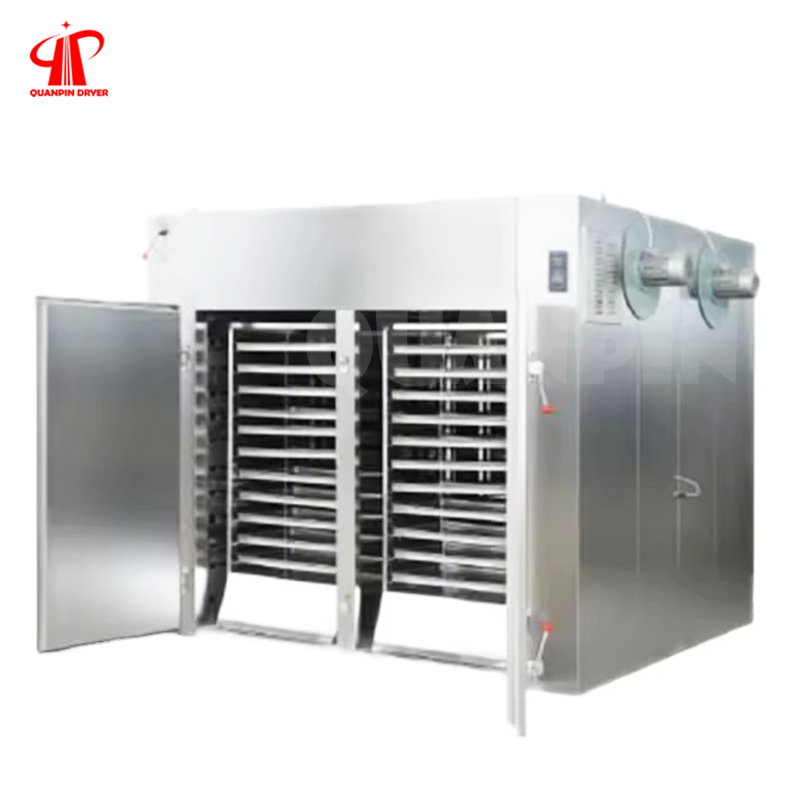
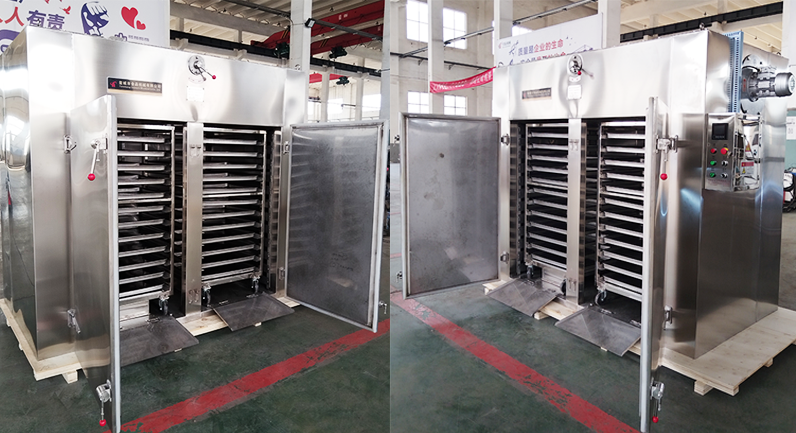
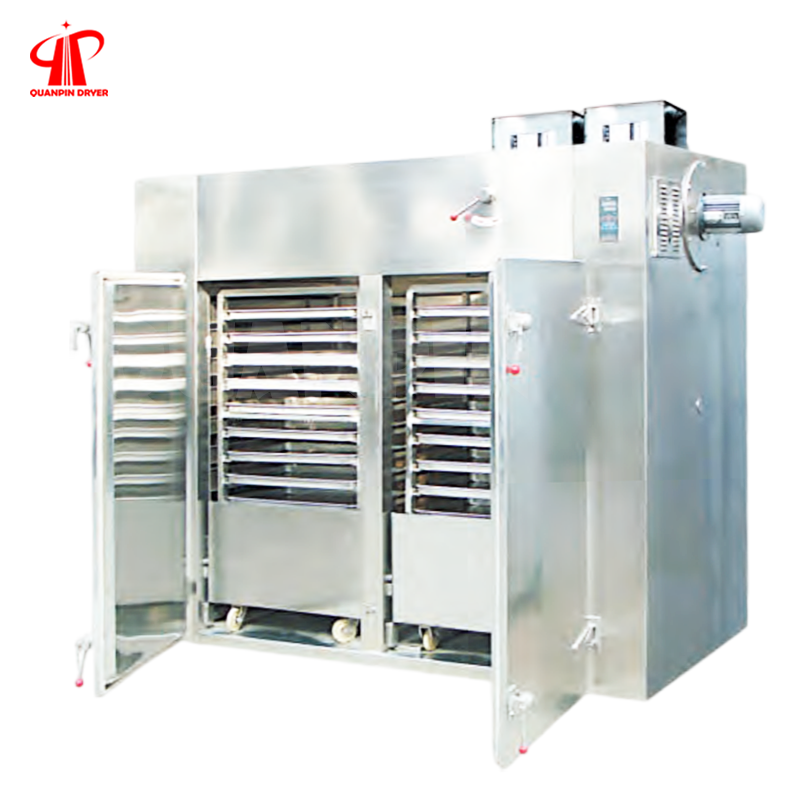
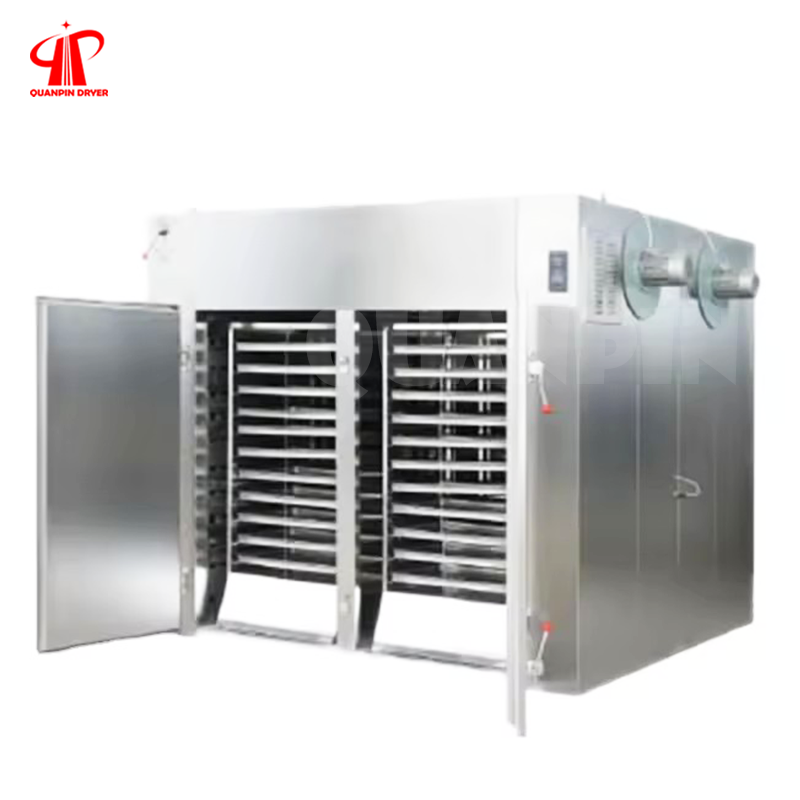
Tray and trolley layout matched to the load
Heating arrangement selected for the process
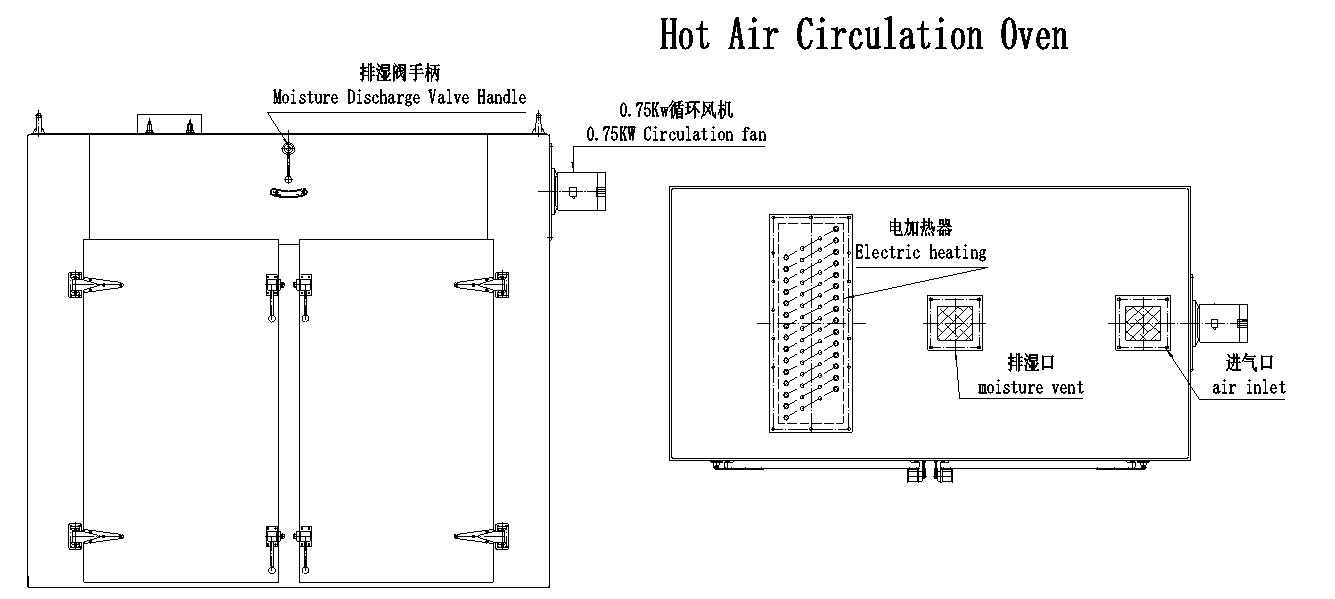
Air circulation and moisture exhaust
Temperature monitoring and control
Material-specific drying trials
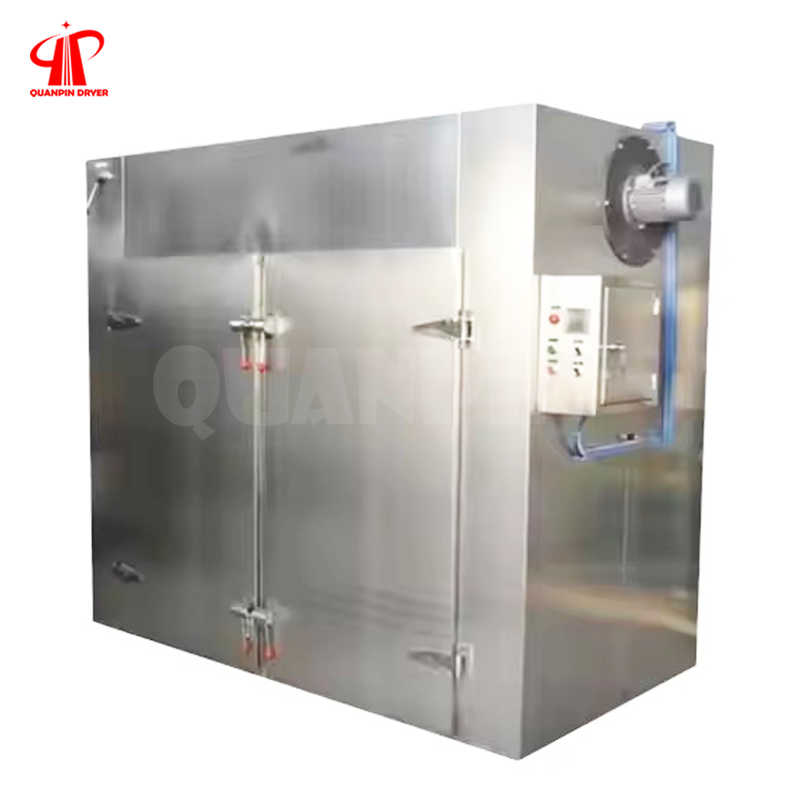
Hot Air Circulation Drying System
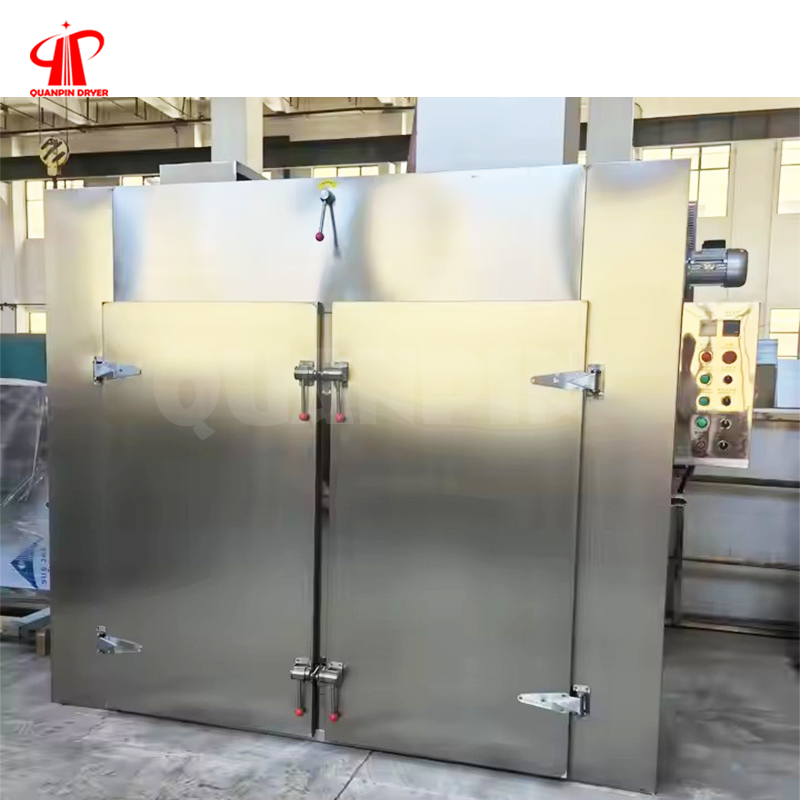
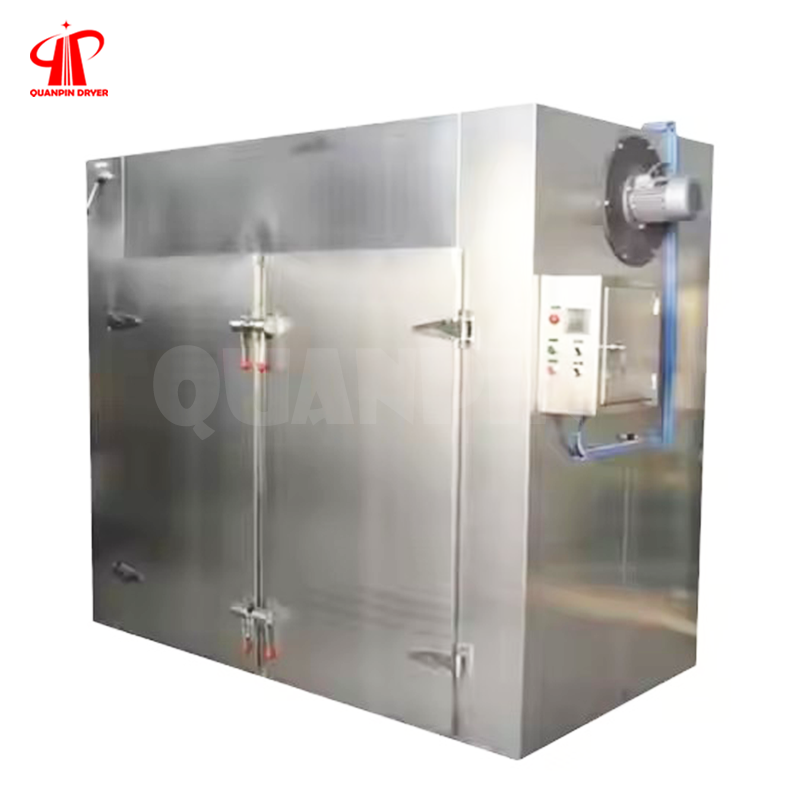
Hot air circulation ovens use heated airflow to dry material arranged on trays or suitable supports. Loading, air movement and moisture exhaust should be coordinated with the product and required drying conditions.
How Does a Hot Air Circulation Oven Work?
Stage 1 — Loading and Preparation
Arrange the material on suitable trays with space for airflow. Confirm batch quantity, layer thickness and the permitted product temperature before starting.
Stage 2 — Heating and Circulation
Heated air circulates through the drying chamber and transfers heat to the material. The operating temperature and airflow are selected for the product and loading arrangement.
Stage 3 — Moisture Removal and Unloading
Moisture released from the product is removed through the exhaust arrangement. Check the final moisture and product condition before cooling and unloading.
Features to Specify
• Tray dimensions, quantity and loading arrangement.
• Heating utilities and operating temperature requirements.
• Air circulation and exhaust requirements.
• Temperature monitoring, timing and control requirements.
• Contact materials and cleaning access.
• Loading, unloading and available installation space.
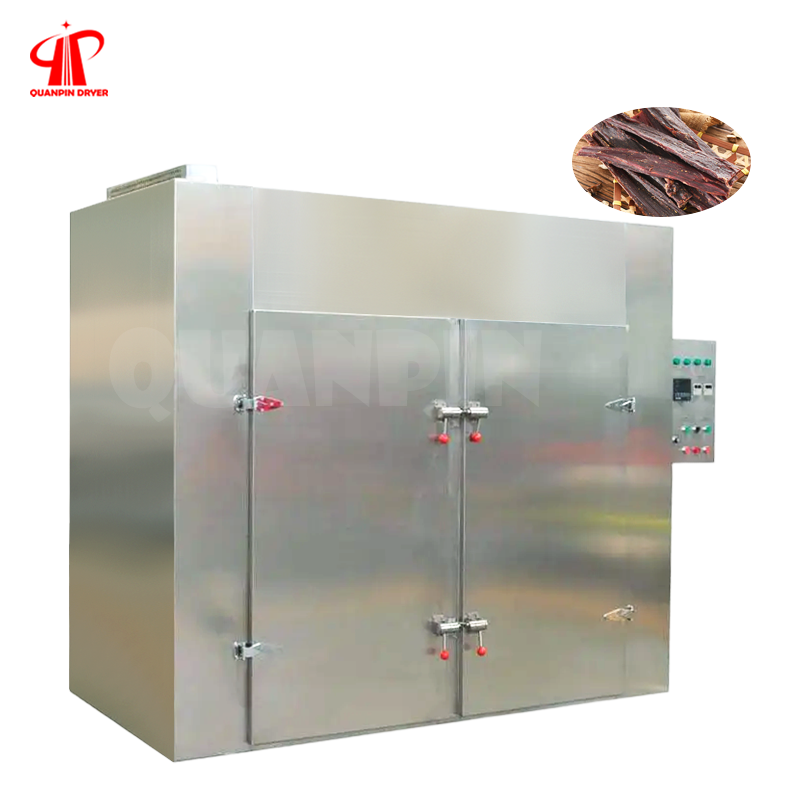
Batch Drying
Discuss the material and required moisture removal for each batch.
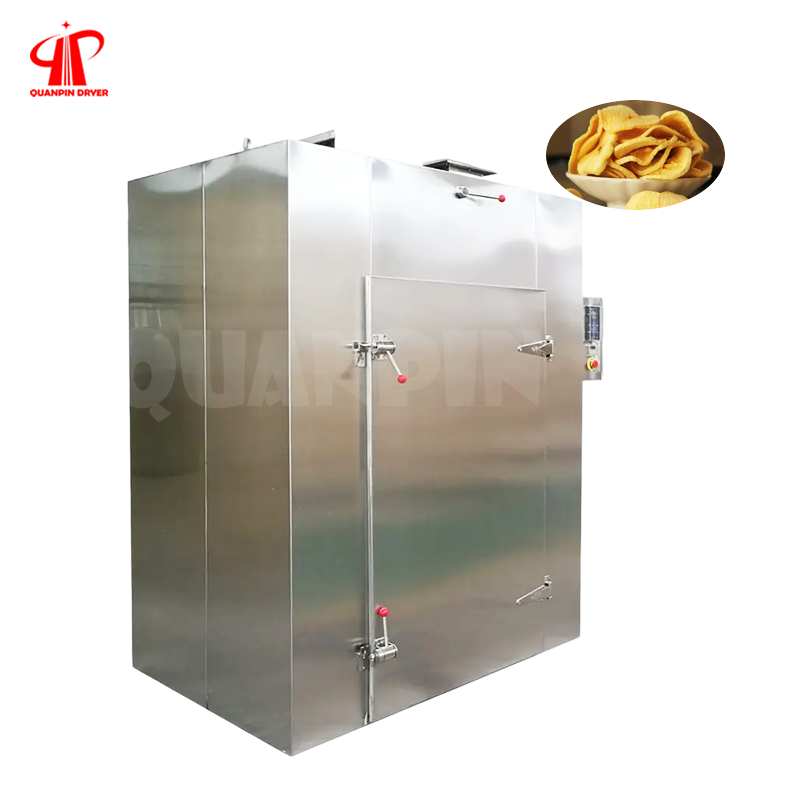
Tray Arrangement
Select tray dimensions and loading depth around the product.
Hot Air Circulation
Review airflow paths and clearances through the load.
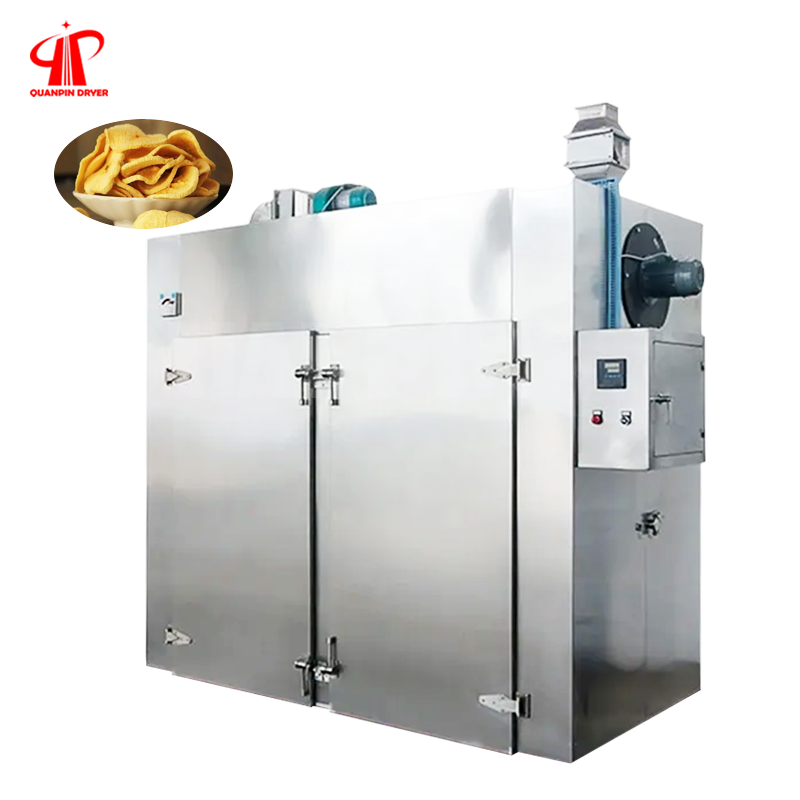
Small Batch Requirements
Confirm the batch quantity and available installation space.
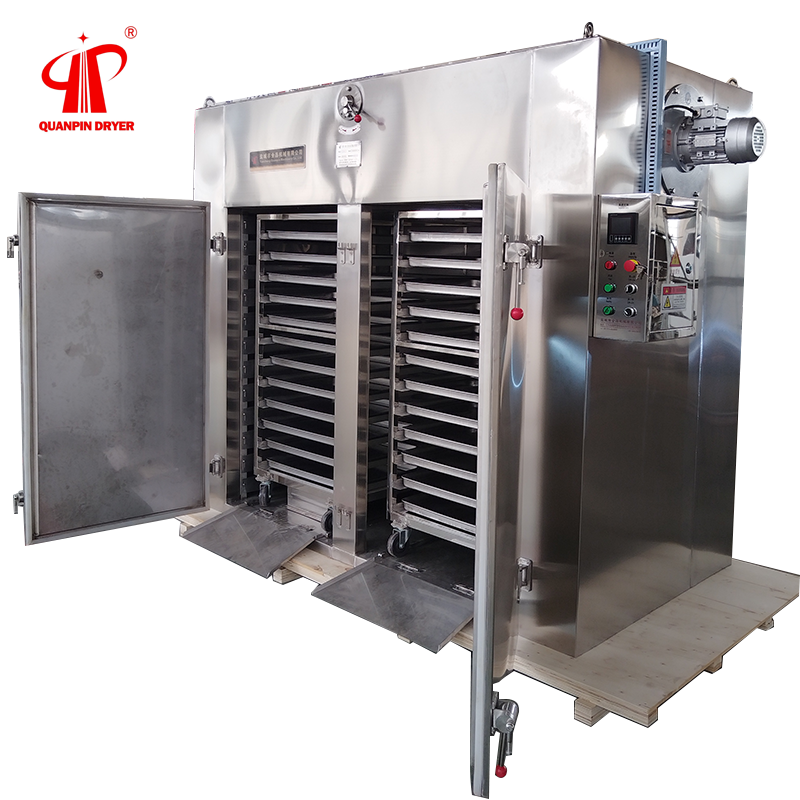
Heating Configuration
Review available heating utilities and temperature requirements.
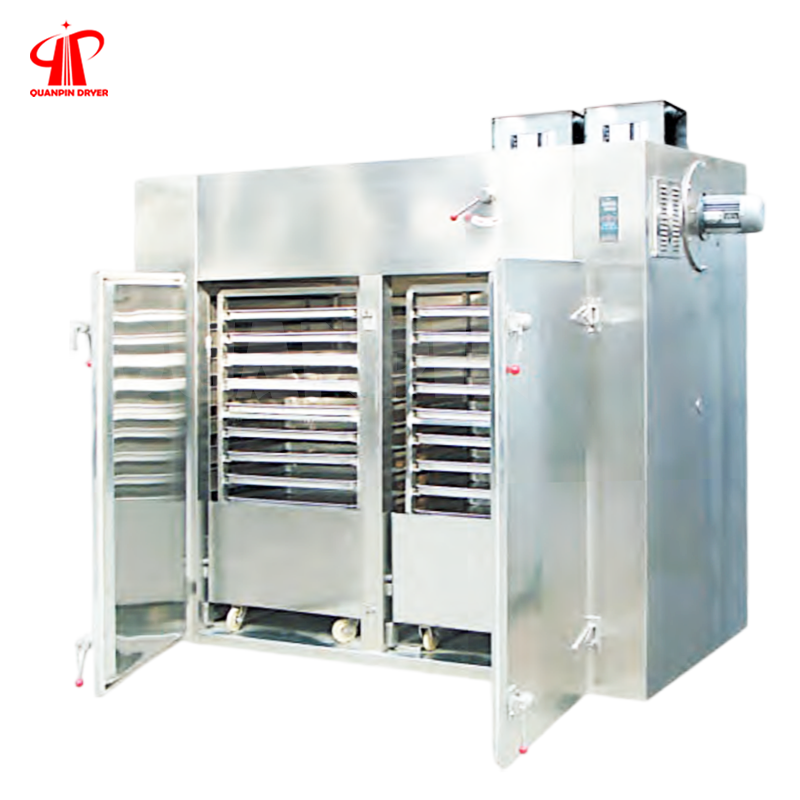
Chamber Configuration
Coordinate chamber access, tray loading and production workflow.
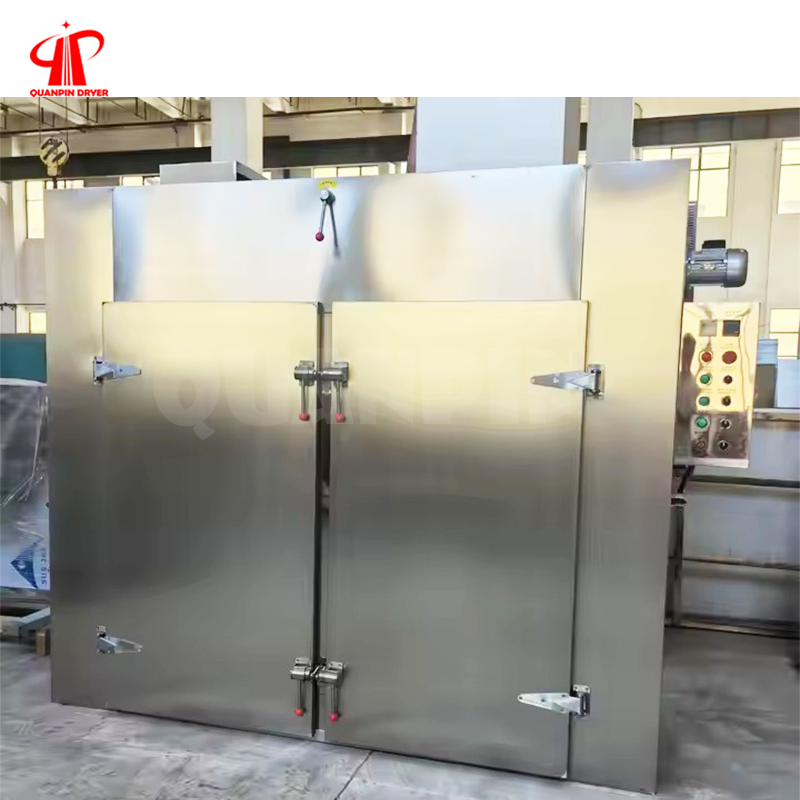
Production Planning
Define batch scheduling, loading and unloading requirements.
Drying Trials
Use representative material trials to confirm suitable operating conditions.
Equipment Gallery
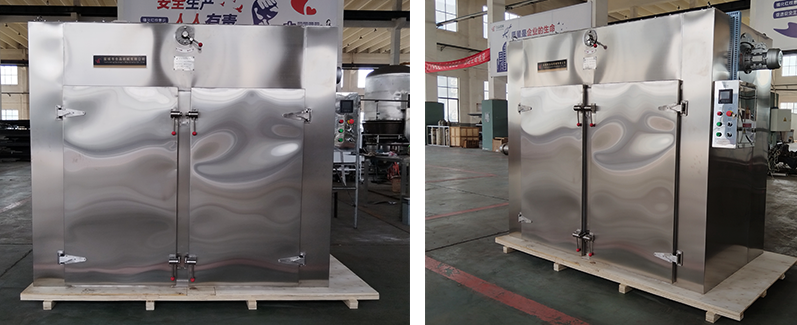
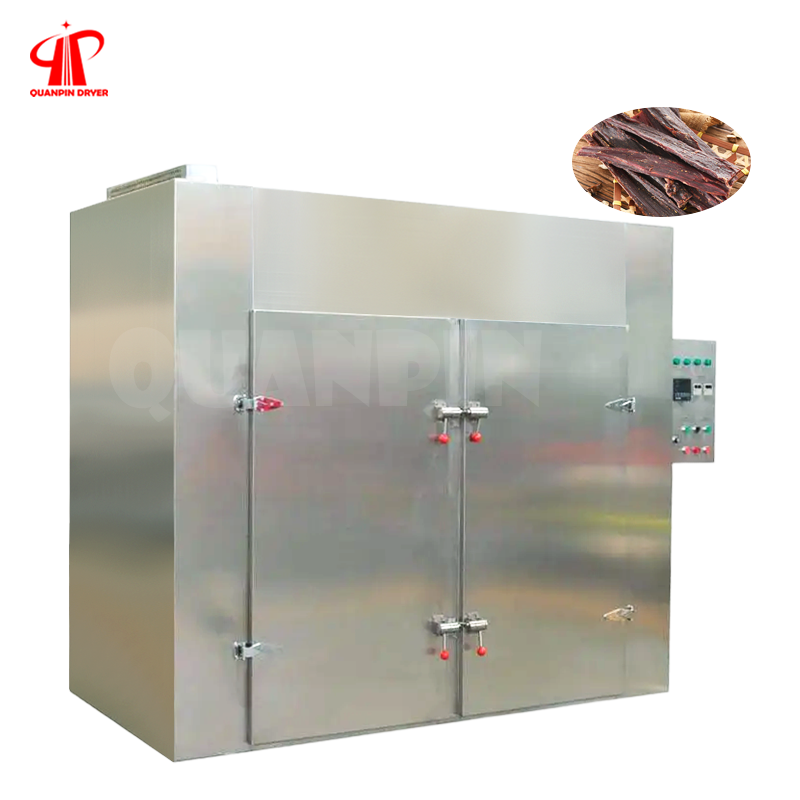
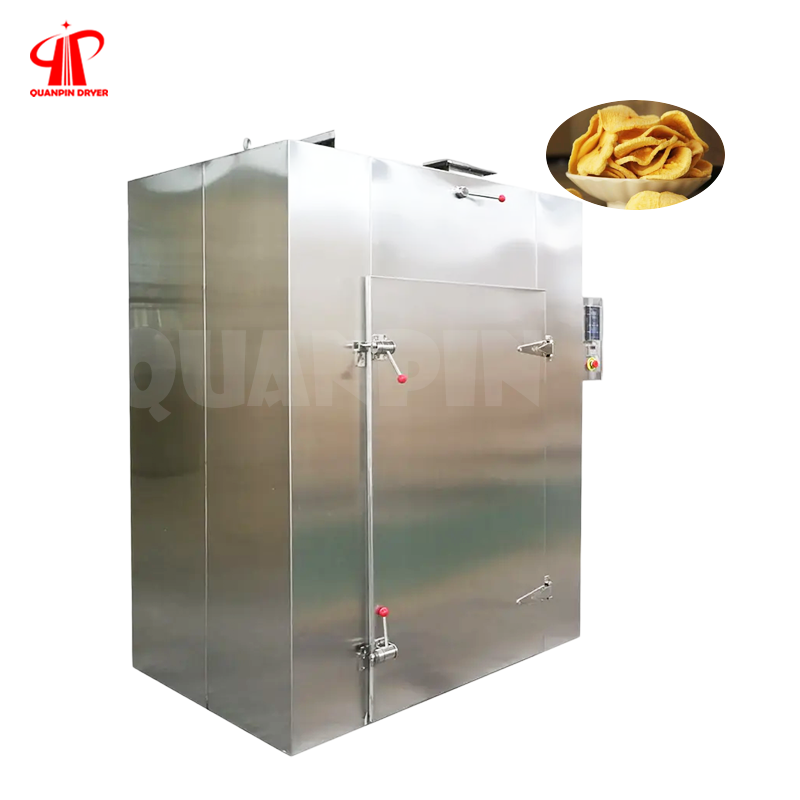
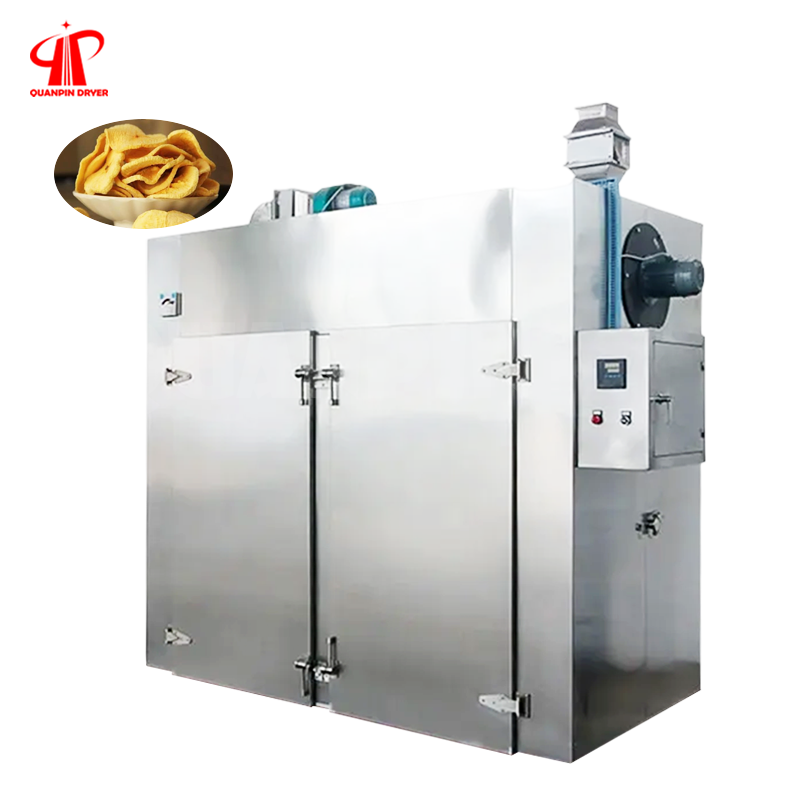
Technical Parameters
| Parameter | Project Information |
| Product | Material form, initial moisture and temperature limits |
| Batch | Loading quantity and production schedule |
| Trays | Tray quantity, dimensions and loading depth |
| Heating | Available heat source and temperature requirements |
| Airflow | Circulation, ventilation and exhaust requirements |
| Controls | Temperature settings, timing and monitoring needs |
| Installation | Available utilities, space and cleaning requirements |
The final specification is defined in the QUANPIN technical proposal.
Performance Test
Agree the batch loading, temperature limits and target moisture before testing representative material.
| Test Item | Record or Assessment |
| Loading | Material, batch mass and tray distribution |
| Preparation | Batch loading and initial moisture |
| Heating | Air and product temperatures and duration |
| Drying completion | Final moisture and drying time |
| Final product | Residual moisture, appearance and product-specific checks |
| Utilities | Measured consumption under the stated test conditions |
Record test conditions so results can be evaluated for the intended production load.
What is a Hot Air Circulation Oven?
A hot air circulation oven is a batch drying chamber that distributes heated air around the material. Equipment selection depends on the product, tray loading and required moisture removal.
How Does Circulating Air Support Drying?
The heating and circulation arrangement supplies warm air through the load. Moisture exhaust and fresh-air requirements should be assessed together with product temperature and drying time.
Product Requirements
Review the material form, initial moisture, target moisture and acceptable temperature range before defining the oven configuration.
Temperature Limits
Specify the maximum permitted product temperature and the required monitoring points.
Loading Distribution
Maintain suitable spaces for airflow between trays and through the material.
Drying Uniformity
Agree sampling positions and moisture acceptance criteria for the finished batch.
Storage and Transport
Confirm cooling, handling and packaging conditions after drying.
Finished-product Checks
Define the required checks for moisture, appearance and other product properties.
Material Suitability
Share the composition and handling requirements so that the proposed drying method can be assessed.
Utility Requirements
Provide the available power supply and heating utilities for the installation.
Oven Configurations
Chamber capacity, tray arrangement and heating configuration are selected around your batch and operating requirements.
Compact Batch Ovens
Discuss lower batch quantities and the available working space.
Tray and Trolley Ovens
Review tray dimensions, trolley access and loading requirements.
Production Ovens
Plan the batch schedule, loading route, utilities and maintenance access together.
Main Components
The chamber, trays, heating arrangement, circulation fan, exhaust and controls form the drying system.
Chamber and Trays
Specify contact materials, tray layout and cleaning access for the product.
Heating and Circulation
Review the heat source, airflow route and temperature-control requirements.
Moisture Exhaust
Specify the exhaust and ventilation requirements for the material and installation.
Controls
Discuss temperature settings, timing, monitoring and operator requirements.
Applications
Share your material and processing requirements with QUANPIN to assess whether hot air circulation drying is suitable.
Selecting a Hot Air Circulation Oven
Provide batch quantity, material form, moisture targets, temperature limits and installation information. Confirm the final configuration in the technical proposal.
Send Your Inquiry Now
Start Optimizing Your
Drying Process Today.
Our engineers are ready to assess your material and recommend a reliable, cost-effective drying solution.