GLZ Single-Cone Screw Vacuum Dryer for Pharmaceutical and Chemical Processing
Explore 20 material applications
GLZ combines a single-cone vessel with screw ribbon agitation for batch vacuum drying. Compare the ZJG Vacuum Paddle Dryer when selecting the material movement required by your process. Review the conical vacuum dryer and agitation arrangement together: an agitated vacuum dryer must match the material behaviour, while an industrial vacuum dryer specified for low-temperature vacuum drying also needs a defined vapour-handling duty.
A single-cone screw vacuum dryer uses indirect heating and agitation under reduced pressure. Specify the system around material behavior, initial and final moisture, temperature limits and vapor handling. Discuss your material and drying target with QUANPIN.
Reduced-pressure drying for suitable heat-sensitive materials.
Indirect heating through a specified vessel heating arrangement.
Screw ribbon agitation moves the charge and renews material contact with heated surfaces.
Vertical conical equipment layout selected around available space.
Vacuum and condensation equipment matched to water or solvent vapor.
20 Material Applications for GLZ Single-Cone Screw Vacuum Dryer
Select a specific material to review its feed condition, processing requirements, quality checks and downstream handling alongside the unchanged equipment specifications.
GLZ Single-Cone Screw Vacuum Dryer for New-Energy Lithium-Ion Battery Materials: Lithium Iron Phosphate Cathode Powder
washed filter cake or powder after an upstream aqueous step.
GLZ Single-Cone Screw Vacuum Dryer for New-Energy Lithium-Ion Battery Materials: Nickel-Manganese-Cobalt Hydroxide Precursor
washed hydroxide precursor cake.
GLZ Single-Cone Screw Vacuum Dryer for New-Energy Lithium-Ion Battery Materials: Battery-Grade Lithium Carbonate Crystals
washed lithium carbonate crystals.
GLZ Single-Cone Screw Vacuum Dryer for New-Energy Lithium-Ion Battery Materials: PVDF Battery Binder Powder
polymer powder or cake from the upstream isolation process.
GLZ Single-Cone Screw Vacuum Dryer for Polymer Manufacturing: Polyvinylpyrrolidone Powder
polymer filter cake or damp powder.
GLZ Single-Cone Screw Vacuum Dryer for Pharmaceutical Manufacturing: Hydroxypropyl Methylcellulose
washed cellulose-ether solids.
GLZ Single-Cone Screw Vacuum Dryer for Polymer Manufacturing: Sodium Carboxymethyl Cellulose
wet cellulose-ether cake.
GLZ Single-Cone Screw Vacuum Dryer for Pharmaceutical Manufacturing: Ethylcellulose Polymer
isolated polymer cake or damp powder.
GLZ Single-Cone Screw Vacuum Dryer for Pharmaceutical Manufacturing: Paracetamol API Crystals
isolated active-ingredient crystals.
GLZ Single-Cone Screw Vacuum Dryer for Pharmaceutical Manufacturing: Ibuprofen API Crystals
isolated ibuprofen crystals.
GLZ Single-Cone Screw Vacuum Dryer for Pharmaceutical Manufacturing: Caffeine Crystals
isolated caffeine crystals.
GLZ Single-Cone Screw Vacuum Dryer for Pharmaceutical Manufacturing: Ascorbic Acid Crystals
washed vitamin crystals.
GLZ Single-Cone Screw Vacuum Dryer for Pharmaceutical Manufacturing: Mannitol Crystals
washed crystalline mannitol.
GLZ Single-Cone Screw Vacuum Dryer for Food Ingredients: Citric Acid Monohydrate Crystals
washed food-grade acid crystals.
GLZ Single-Cone Screw Vacuum Dryer for Food Ingredients: Green Tea Extract Solids
concentrated extract or isolated wet solids.
GLZ Single-Cone Screw Vacuum Dryer for Food Ingredients: Pea Protein Ingredient
dewatered pea-protein cake.
GLZ Single-Cone Screw Vacuum Dryer for Food Ingredients: Soy Protein Ingredient
dewatered protein cake.
GLZ Single-Cone Screw Vacuum Dryer for Specialty Chemicals: Precipitated Silica Powder
dewatered silica cake.
QUANPIN Single-Cone Screw Vacuum Dryer
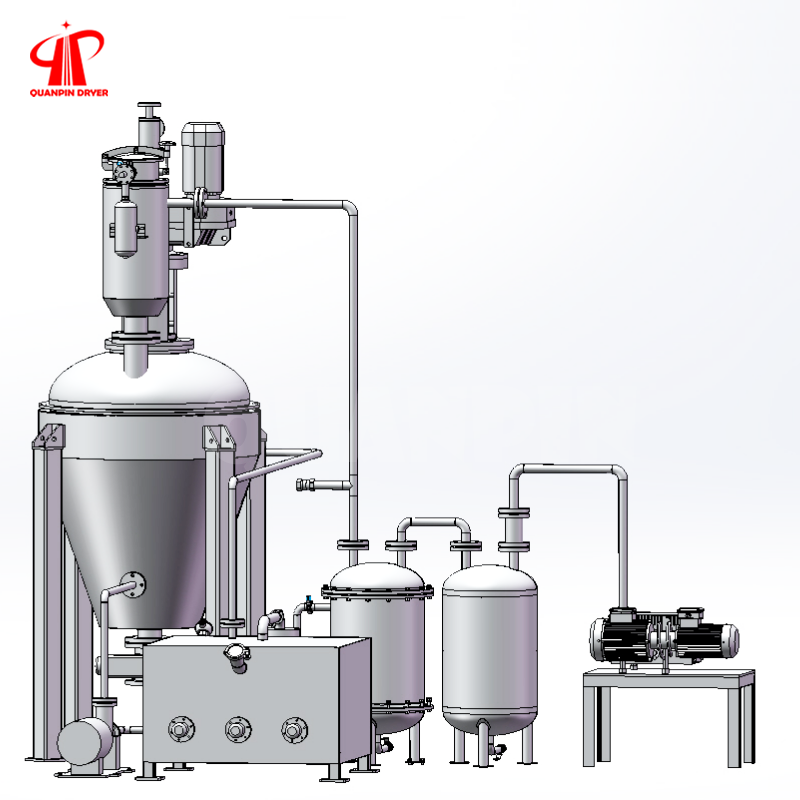
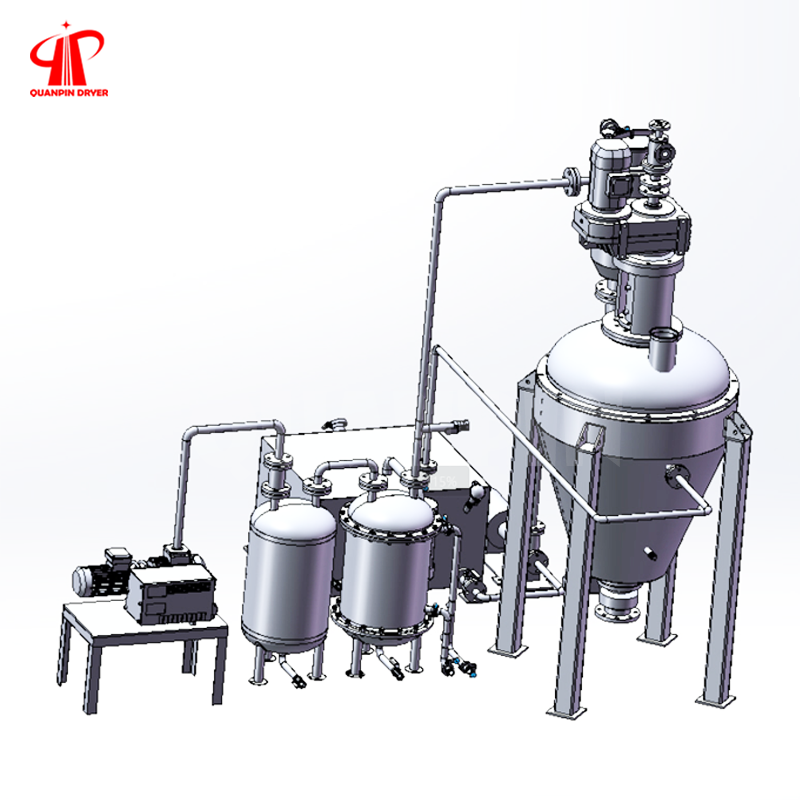
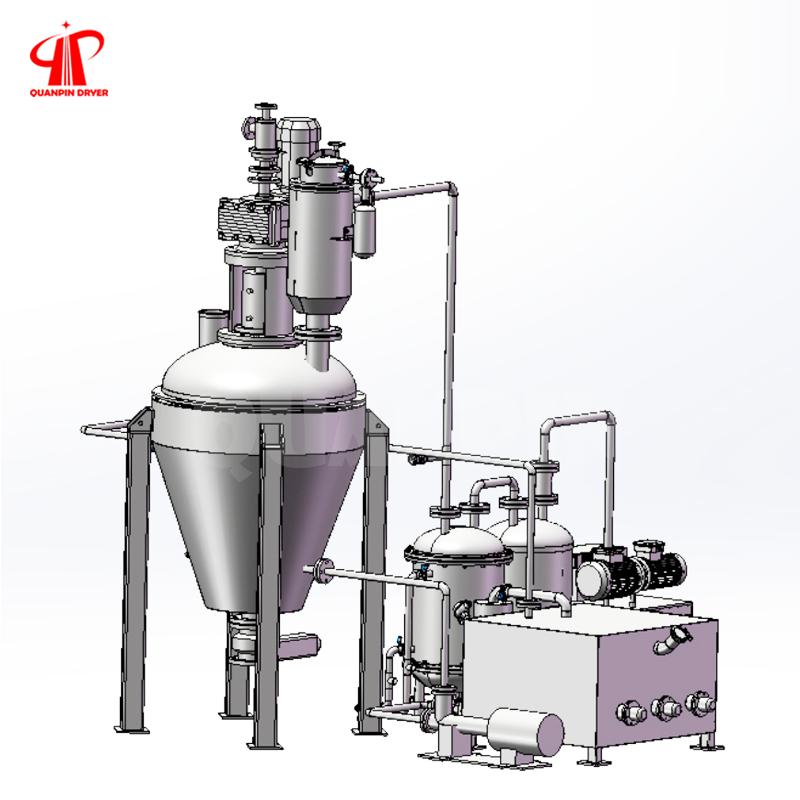
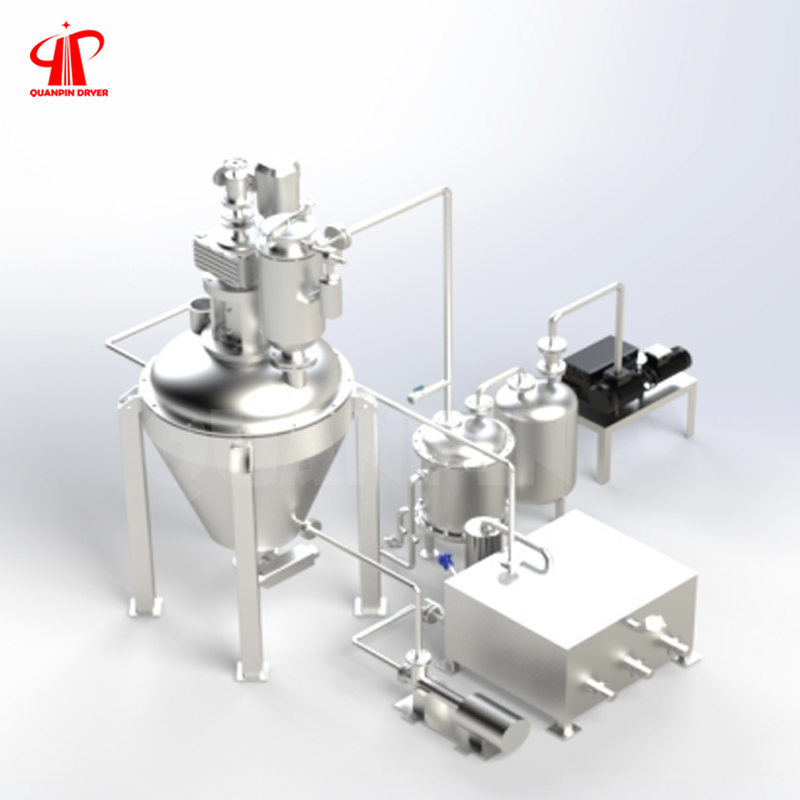
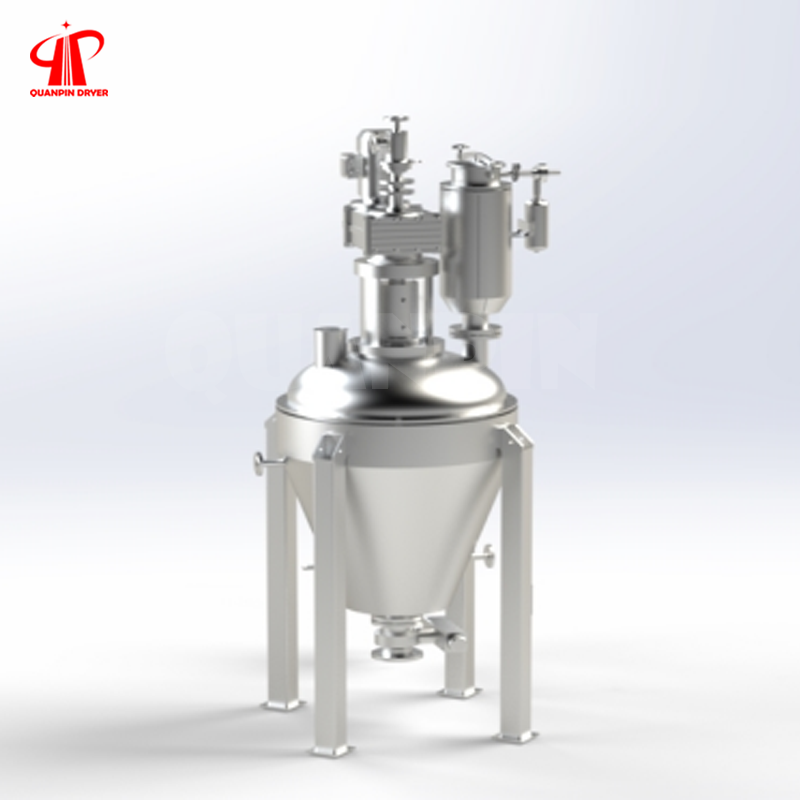
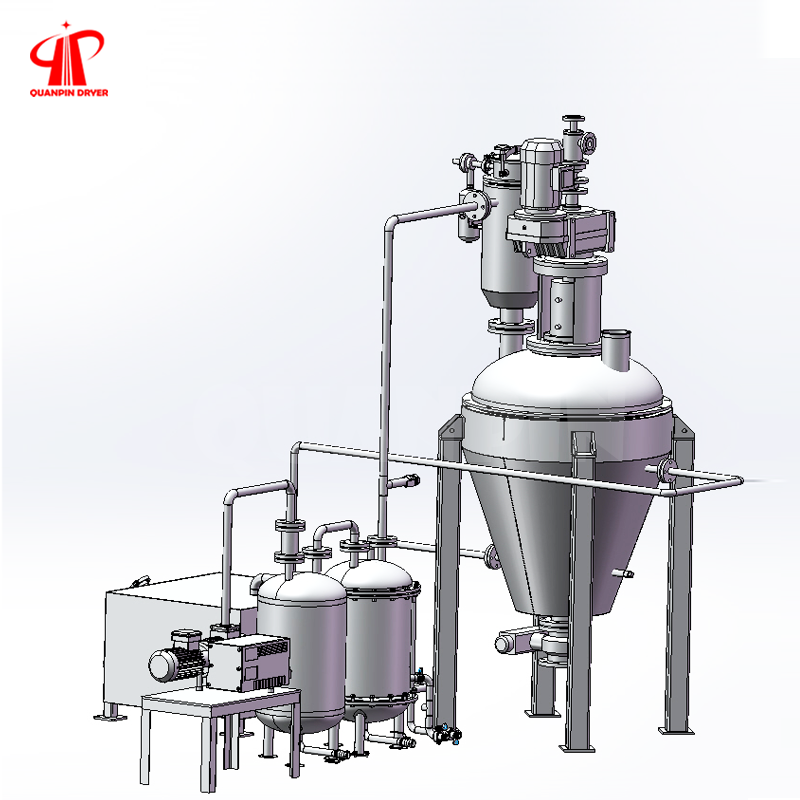
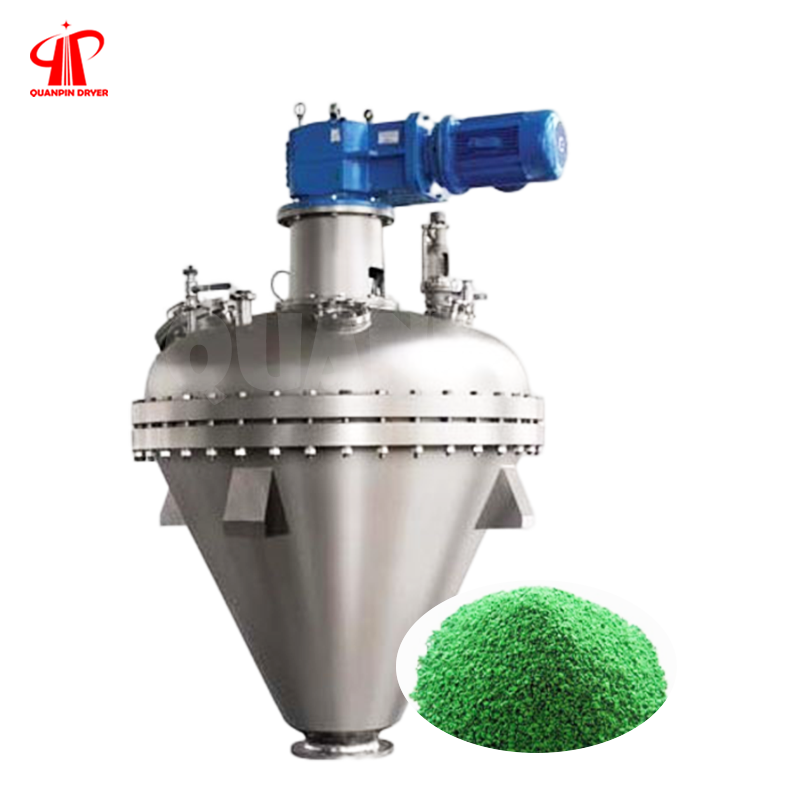
The GLZ Single-Cone Screw Vacuum Dryer is an agitated batch drying arrangement built around a conical vessel. Material is heated indirectly while the vacuum system removes evaporated moisture or solvent.
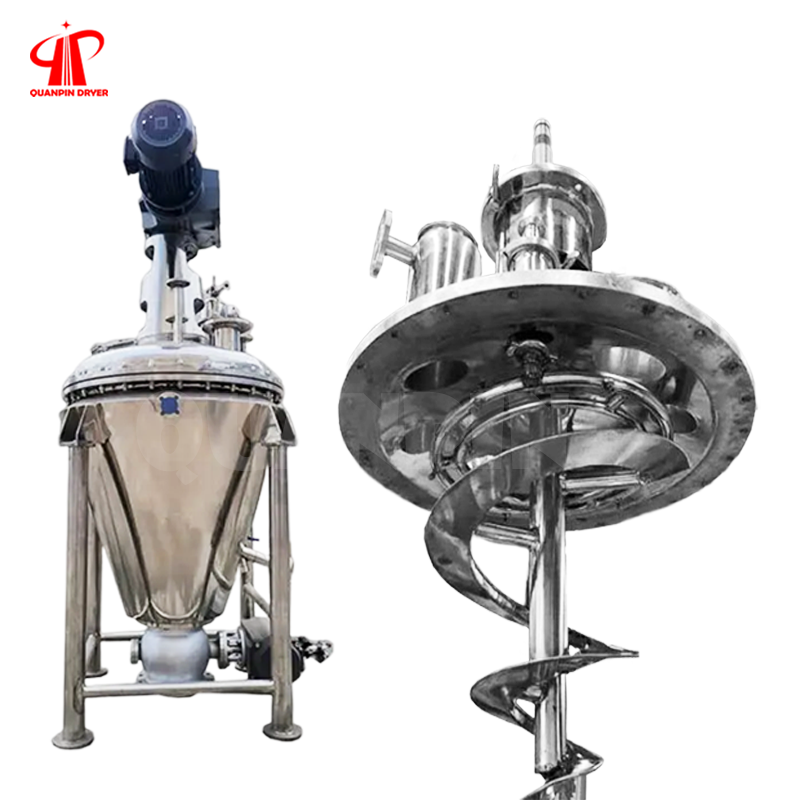
The screw ribbon agitator moves material within the cone. Suitable operating conditions depend on flowability, viscosity, particle strength and how the charge changes during drying.
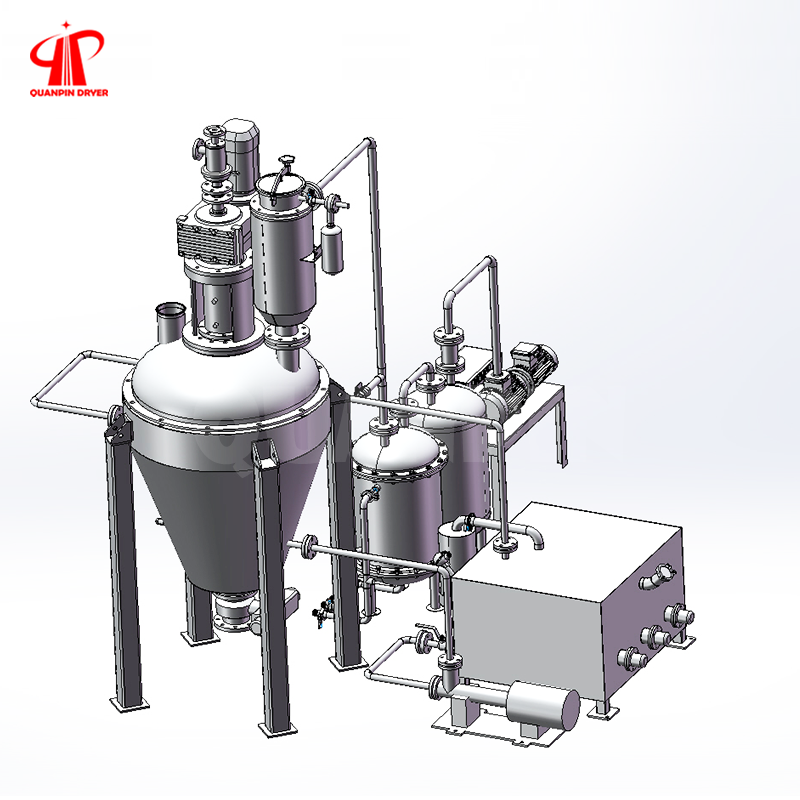
The system consists of the vessel, heating arrangement, agitation drive, vacuum connections and discharge arrangement. Condensation, filtration and solvent collection are selected for the process.
Representative material trials should establish the loading range, drying cycle, final moisture and discharge behavior. Heating, vacuum and agitation settings are coordinated to respect the product temperature limit.
Features of GLZ Single-Cone Screw Vacuum Dryer
- Indirect heating: Select the heating arrangement and medium for the evaporation duty.
- Conical vessel: Review batch loading, circulation and bottom discharge behavior.
- Material suitability: Evaluate temperature sensitivity, viscosity and particle strength through trials.
- Vapor handling: Specify filters, condensers and collection equipment for water or solvent vapor.
- Operation and maintenance: Confirm access, cleaning and drive service requirements.
Application of GLZ Single-Cone Screw Vacuum Dryer
- Chemical intermediates: Assess solvent content, corrosion and rheology before equipment selection.
- Inorganic powders: Confirm flowability, abrasion and agglomeration behavior.
- Food and pharmaceutical materials: Define hygiene, containment and product quality requirements.
- Other process solids: Evaluate representative samples against the intended drying target.
Conical Vessel and Batch Loading
Specify vessel capacity and batch loading for the required production schedule.
Screw Ribbon Agitation
Select screw ribbon geometry and drive duty for the material behavior.
Material-contact Construction
Choose contact materials and surface finish for corrosion and cleanliness requirements.
Heating Arrangement
Specify the heating medium and available utility conditions.
Vacuum and Condensation
Match vapor filtration, condensation and vacuum equipment to the process.
Process Controls
Select instrumentation and controls for temperature, pressure and the drying sequence.
Cleaning and Discharge
Review access, cleaning method and discharge arrangements.
Installation and Maintenance
Confirm installation height, maintenance space and utility connections.
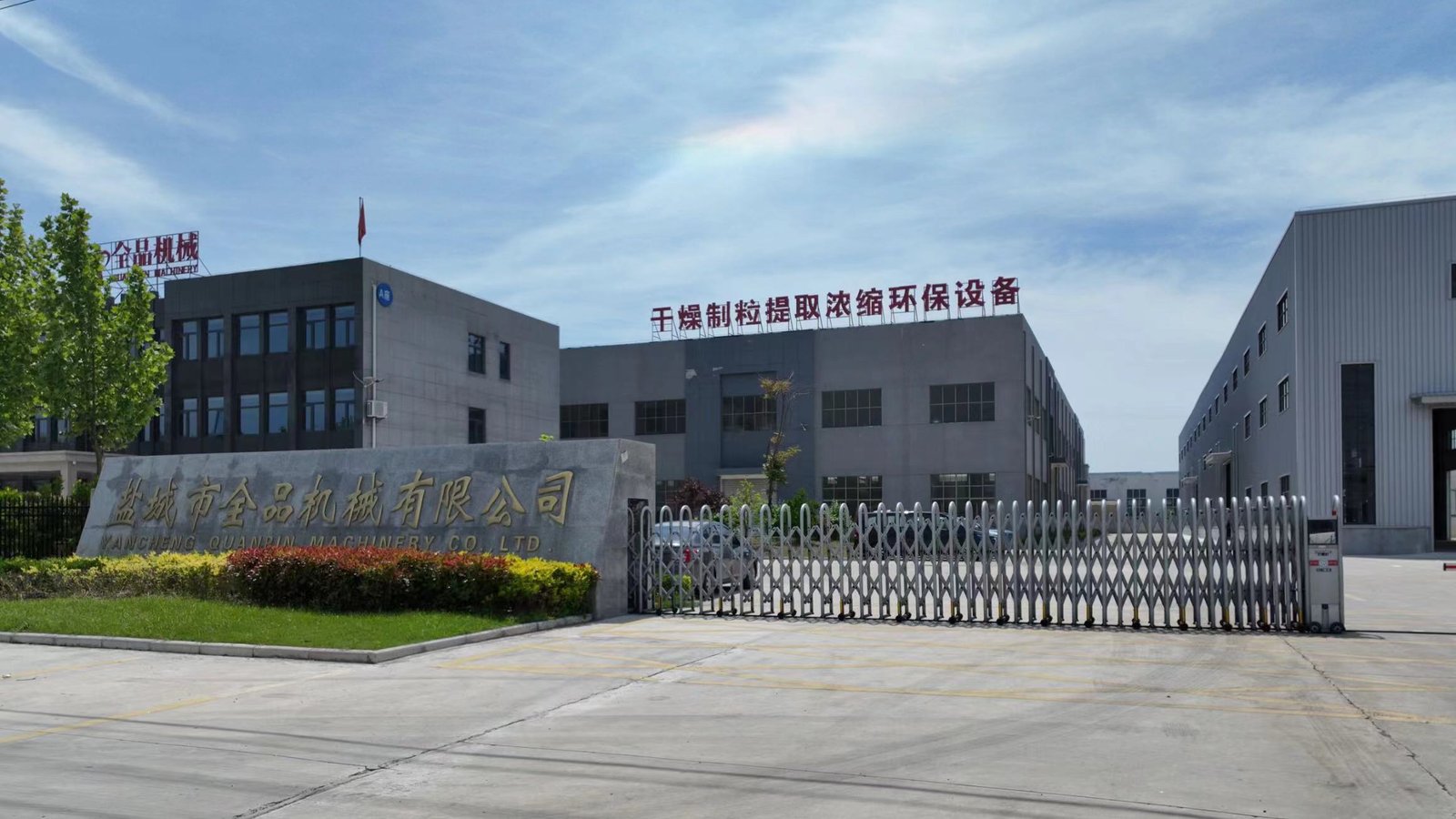
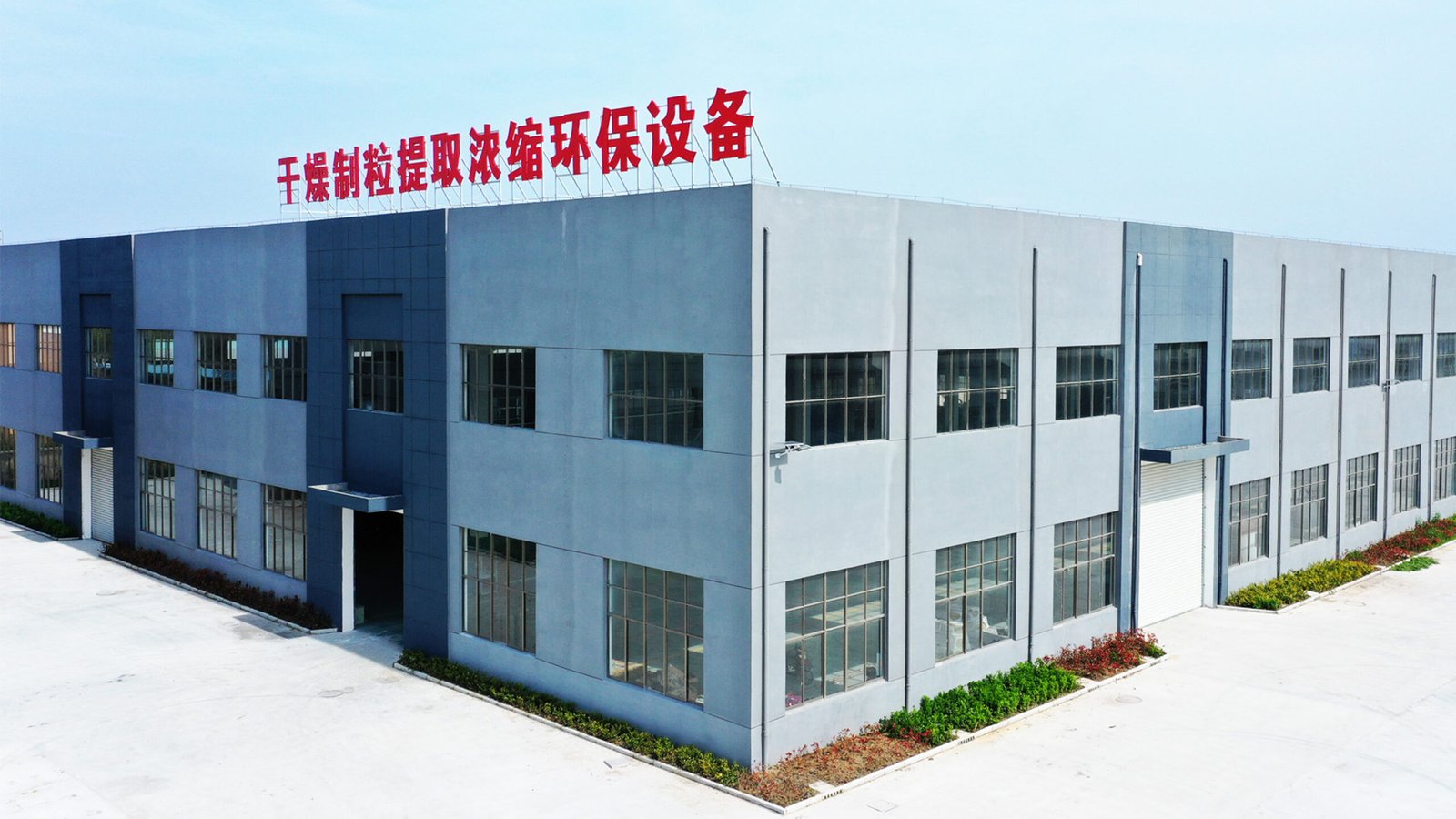
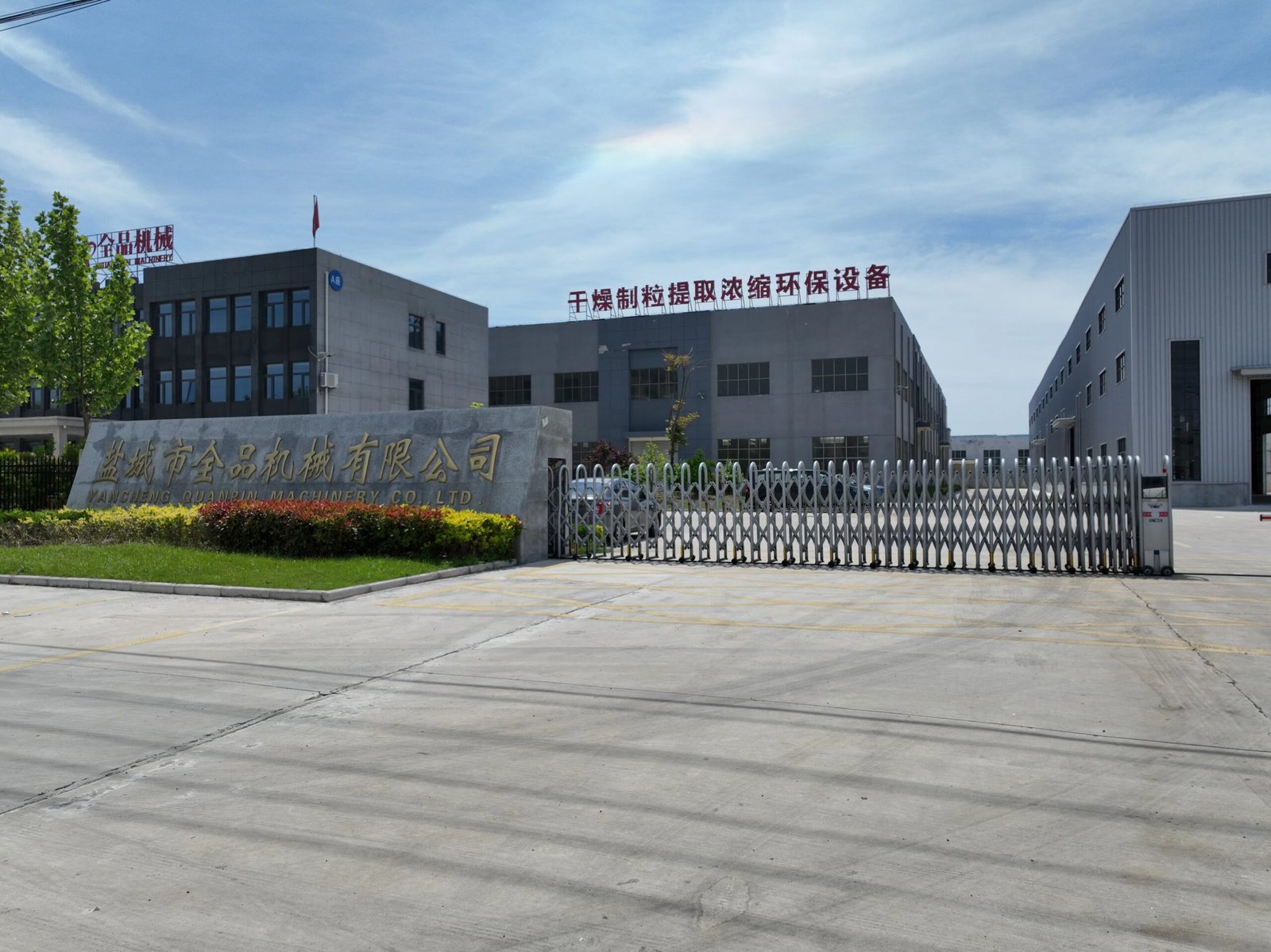
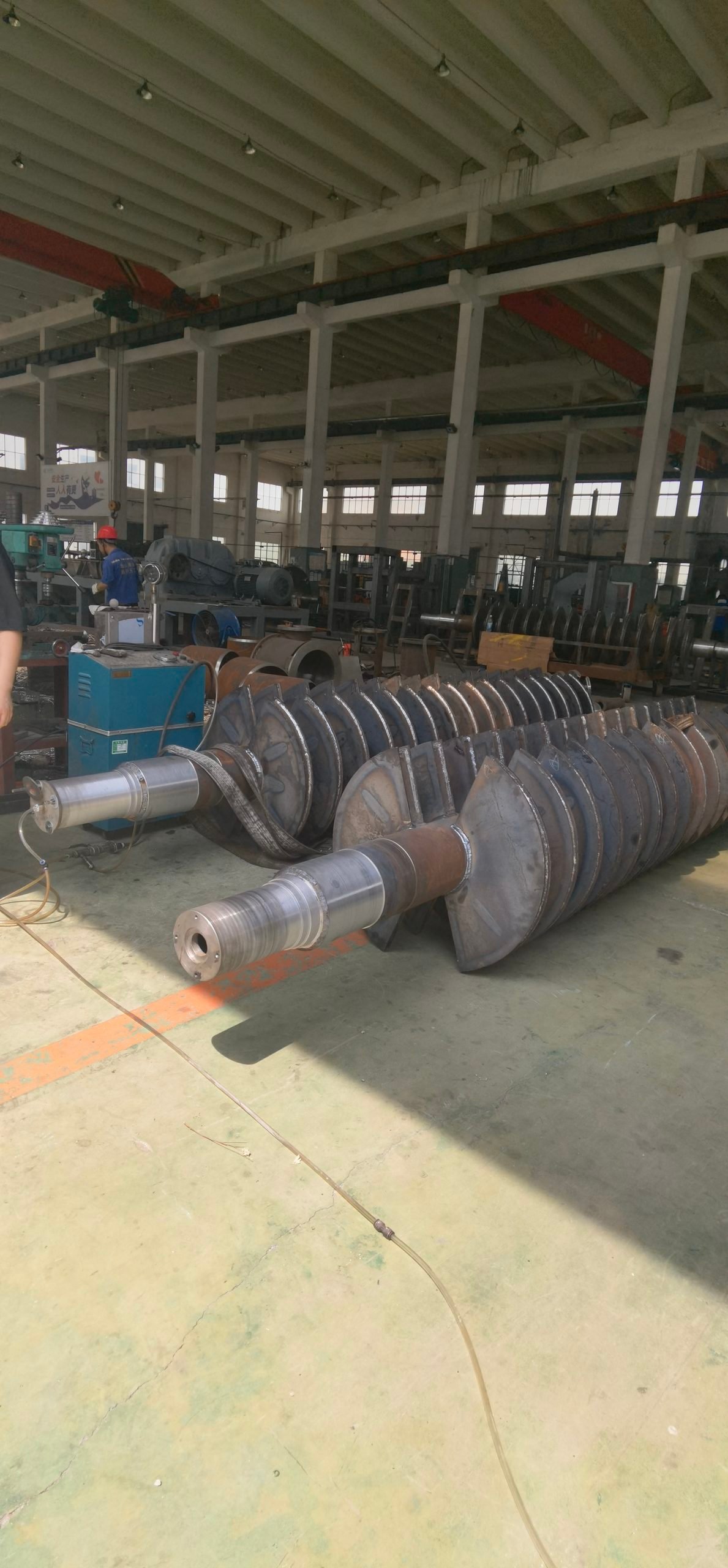
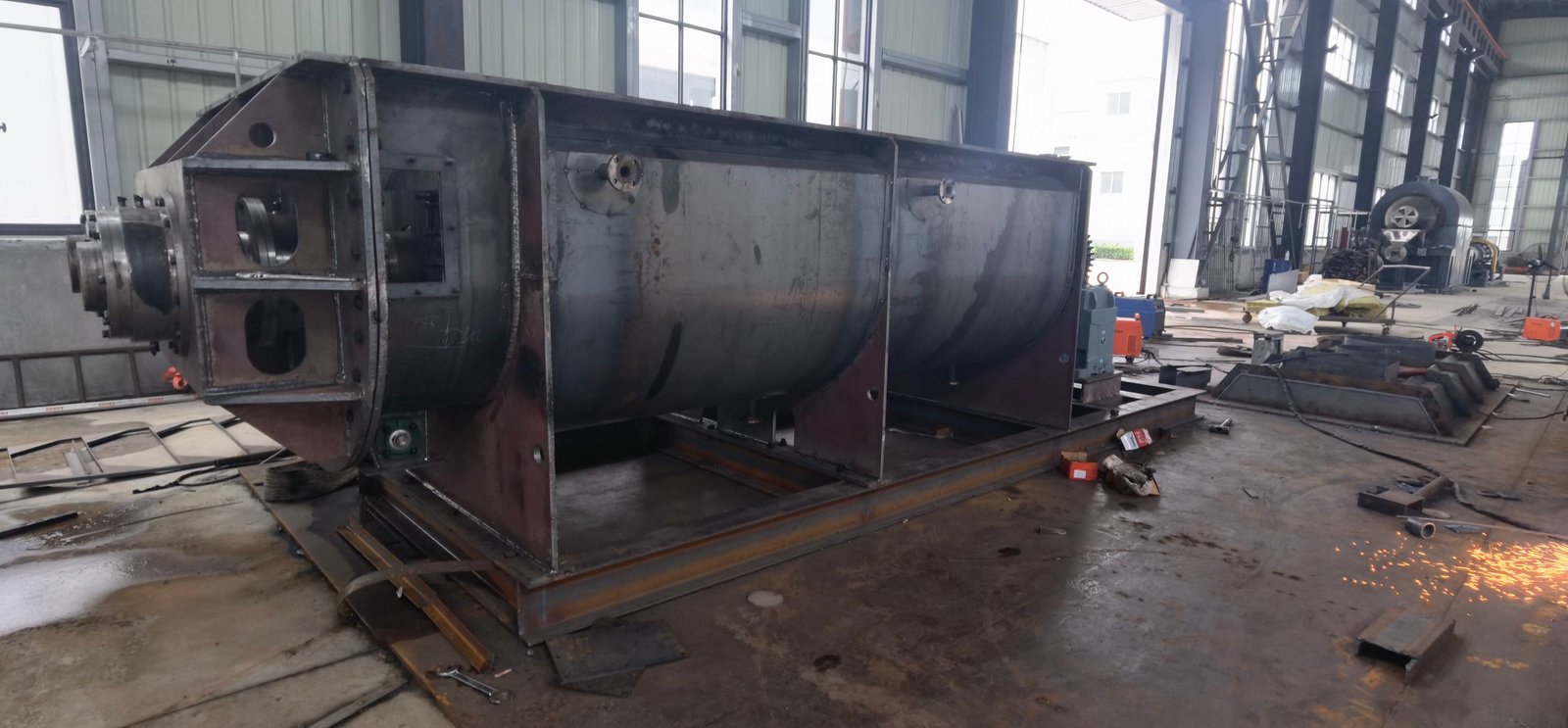
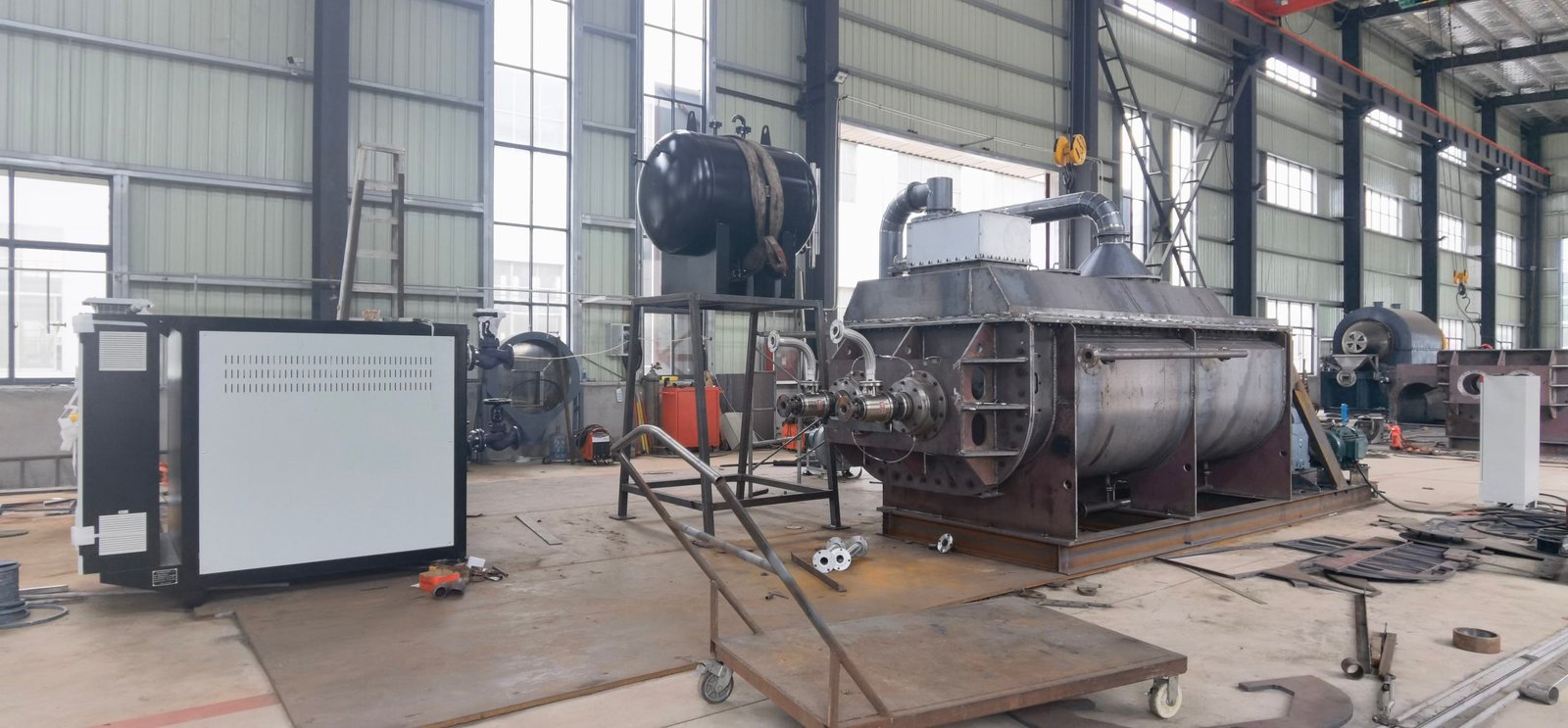
Our Factory
Technical Parameters
| Parameter | Selection Requirement |
| Model | GLZ Single-Cone Screw Vacuum Dryer |
| Batch capacity | Selected for material properties and production schedule |
| Heating | Medium, heating duty and product temperature limit to be specified |
| Agitation | Screw ribbon arrangement, speed and torque to suit the charge |
| Vacuum | Operating pressure and vapor load to be confirmed |
| Construction | Contact materials, seals and surface finish to suit the process |
| Vapor collection | Filtration, condensation and solvent handling as required |
| Installation | Space, access, discharge and utility connections to be confirmed |
Final numerical specifications are defined for the selected QUANPIN equipment and material.
Application Review: Pharmaceutical and Chemical Processing
Review the actual feed composition, consistency, initial and final moisture, temperature limits and discharge requirements. Define heating, vapour handling, cleaning and collection around the selected material and process.
For pharmaceutical process evaluation, consult FDA process validation guidance.
For an active-ingredient application, review the equipment and documentation topics in FDA Q7A guidance.
For pharmaceutical cleaning requirements, consult the FDA equipment and cleaning questions.
Review the actual powder characteristics using the HSE safe handling of combustible dusts.
Include moving-part access in the installation review using HSE work equipment and guarding guidance.
What is a Single-Cone Screw Vacuum Dryer
A single-cone screw vacuum dryer combines a conical vessel, screw ribbon agitator, heating arrangement and vacuum system. It is used as a batch process; suitability must be established for the proposed material and operating conditions.
How Does a Single-Cone Screw Vacuum Dryer Work
- Step 1: Load the specified batch, close the vessel and establish the required process pressure.
- Step 2: Apply indirect heat and operate screw ribbon agitation at the confirmed process settings.
- Step 3: Remove vapor through the specified collection system, confirm the endpoint and discharge under the required conditions.
Advantages of Single-Cone Vacuum Drying
Controlled Drying Process
The charge is loaded, the vessel is brought to the specified pressure, and indirect heat supplies the energy for evaporation. Agitation circulates material within the cone while vapor is removed through the specified filtration and condensation system.
Product Quality
Reduced pressure can allow evaporation at a lower temperature. Product quality still depends on actual temperature, residence time, agitation and the final moisture or solvent specification; verify these through trials.
Material Circulation
Agitation can support material circulation and heat transfer. Sticky transitions, increasing viscosity and torque must be considered when setting batch loading and drive requirements.
Vapor Handling and Containment
The enclosed vessel provides a process boundary. Solvent handling, oxygen control, containment and emission treatment must be specified for the material and installation.
Operating Cost Considerations
Compare total cycle time, heating and cooling duties, vacuum utilities, cleaning and maintenance when evaluating operating cost. Actual performance depends on the confirmed equipment configuration.
Single-Cone Screw Vacuum Dryer Applications
Chemical Industry
Chemical powders and intermediates may be candidates where batch vacuum drying and controlled vapor handling are needed. Provide corrosion, solvent and material behavior data before selection.
Food Industry
For food ingredients and extracts, review product temperature limits, contact materials, cleanability and quality requirements. Material trials are needed to confirm the effect of drying on the product.
Pharmaceutical and Bioengineering
For pharmaceutical materials, specify containment, cleaning, residual solvent targets and documentation requirements. These requirements must be confirmed for the proposed installation.
Other Process Solids
For residues and other process solids, provide composition, moisture variability and downstream requirements. Drying does not itself establish suitability for reuse or disposal.
How to Select a GLZ Single-Cone Screw Vacuum Dryer
Select a GLZ system using the feed properties, drying target, batch schedule and available utilities. Review the following requirements with QUANPIN:
- Material Properties: Provide composition, moisture, solvent content, bulk density, viscosity and thermal limits.
- Drying System: Define final moisture, residual solvent targets, heating utilities and the required batch cycle.
- Drive and Agitation: Review screw ribbon geometry, speed and torque for the changing charge.
- Vacuum Requirements: Specify operating pressure and vapor load for the material and heating conditions.
- Contact Materials: Select corrosion resistance, surface finish, seals and cleaning requirements.
- Process Requirements: Confirm condensation, containment, instrumentation and discharge conditions.
- Service Requirements: Review commissioning, spare parts, maintenance access and operator training.
Contact QUANPIN with your material properties, production requirements and installation conditions to discuss a suitable single-cone screw vacuum drying system.
How does GLZ differ from a ZJG Vacuum Paddle Dryer?
A GLZ single-cone dryer uses screw ribbon agitation in a conical vessel. A ZJG vacuum paddle dryer uses paddle agitation. Compare material circulation, discharge, cleaning and heat transfer for the intended charge.