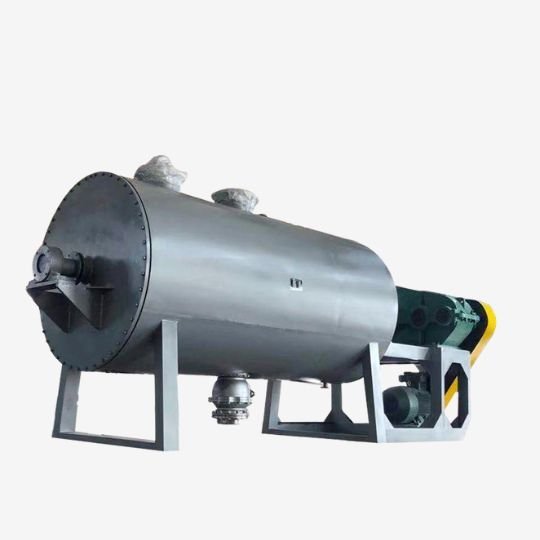
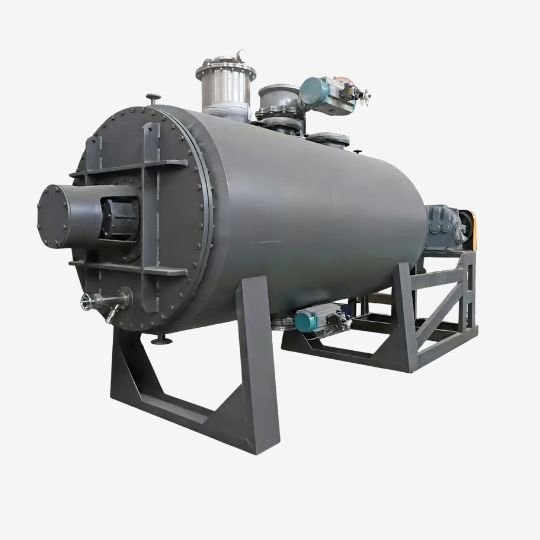
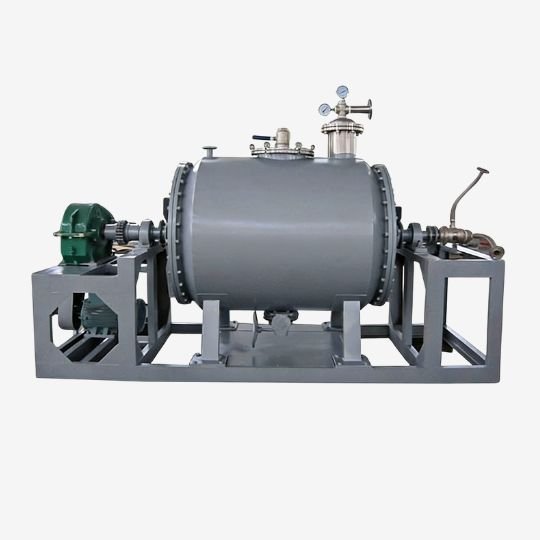
ZJG Vacuum Paddle Dryer for Chemical and Pharmaceutical Processing
Explore 20 material applications
Compare vacuum paddle and double cone dryers by material movement before choosing equipment for a changing wet charge. For low-temperature vacuum drying, review the proposed vacuum dryer and industrial vacuum dryer system against the actual limits relevant to heat-sensitive material drying.
A vacuum paddle dryer combines indirect heating and agitation inside an enclosed vessel under reduced pressure. This agitated vacuum dryer should be specified around feed behavior, final moisture and vapor handling. When comparing vacuum hollow paddle dryer arrangements, confirm heating surfaces, seals and cleaning access rather than assuming every paddle design is interchangeable. Compare vacuum rake dryer options and discuss your material and drying target with QUANPIN.
Low-temperature vacuum drying for suitable heat-sensitive materials.
Indirect heating through the jacket and hollow paddle surfaces.
Continuous agitation renews the heated surfaces and supports uniform drying.
A compact equipment arrangement selected for your production space.
Vacuum, condensation and solvent recovery equipment matched to the process.
20 Material Applications for ZJG Vacuum Paddle Dryer
Select a specific material to review its feed condition, processing requirements, quality checks and downstream handling alongside the unchanged equipment specifications.
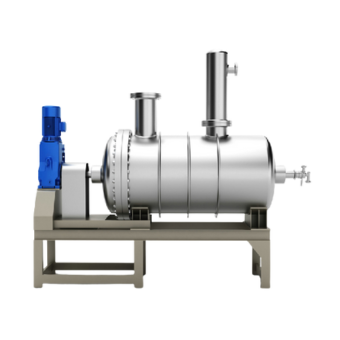
ZJG Vacuum Paddle Dryer for New-Energy Lithium-Ion Battery Materials: Lithium Iron Phosphate Cathode Powder
washed filter cake or powder after an upstream aqueous step.
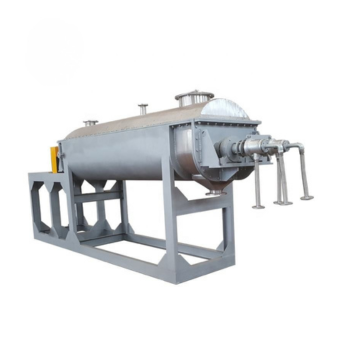
ZJG Vacuum Paddle Dryer for New-Energy Lithium-Ion Battery Materials: Nickel-Manganese-Cobalt Hydroxide Precursor
washed hydroxide precursor cake.
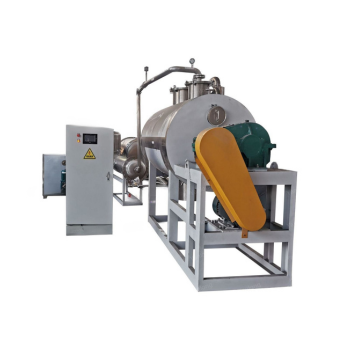
ZJG Vacuum Paddle Dryer for New-Energy Lithium-Ion Battery Materials: Battery-Grade Lithium Carbonate Crystals
washed lithium carbonate crystals.
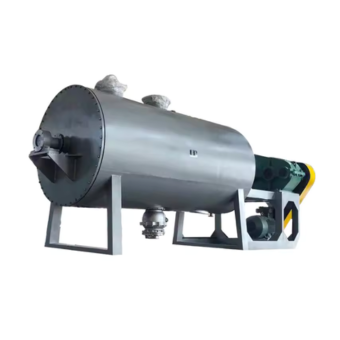
ZJG Vacuum Paddle Dryer for New-Energy Lithium-Ion Battery Materials: Battery Anode Graphite Powder
aqueous-washed graphite powder or cake.
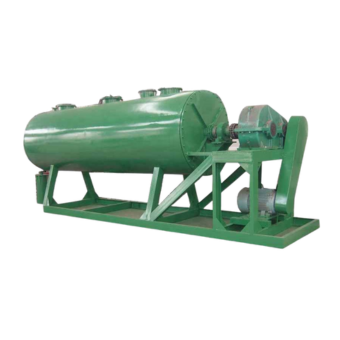
ZJG Vacuum Paddle Dryer for Specialty Chemicals: Titanium Dioxide Pigment
washed pigment cake.
ZJG Vacuum Paddle Dryer for Specialty Chemicals: Iron Oxide Pigment
aqueous iron-oxide filter cake.
ZJG Vacuum Paddle Dryer for Specialty Chemicals: Phthalocyanine Green Pigment
washed pigment filter cake.
ZJG Vacuum Paddle Dryer for Specialty Chemicals: Zinc Oxide Powder
washed or precipitated zinc-oxide cake.
ZJG Vacuum Paddle Dryer for Specialty Chemicals: Precipitated Silica Powder
dewatered silica cake.
ZJG Vacuum Paddle Dryer for Specialty Chemicals: Magnesium Hydroxide Flame-Retardant Filler
washed magnesium-hydroxide cake.
ZJG Vacuum Paddle Dryer for Specialty Chemicals: Precipitated Calcium Carbonate
washed calcium-carbonate filter cake.
ZJG Vacuum Paddle Dryer for New-Energy Lithium-Ion Battery Materials: PVDF Battery Binder Powder
polymer powder or cake from the upstream isolation process.
ZJG Vacuum Paddle Dryer for Polymer Manufacturing: Polyvinylpyrrolidone Powder
polymer filter cake or damp powder.
ZJG Vacuum Paddle Dryer for Polymer Manufacturing: Sodium Carboxymethyl Cellulose
wet cellulose-ether cake.
ZJG Vacuum Paddle Dryer for Polymer Manufacturing: Cellulose Acetate Polymer
washed cellulose acetate cake.
ZJG Vacuum Paddle Dryer for Food Ingredients: Soy Protein Ingredient
dewatered protein cake.
ZJG Vacuum Paddle Dryer for Food Ingredients: Pea Protein Ingredient
dewatered pea-protein cake.
ZJG Vacuum Paddle Dryer for Food Ingredients: Hydrolyzed Protein Ingredient
concentrated protein-hydrolysate paste.
ZJG Vacuum Paddle Dryer for Food Ingredients: Ginseng Extract Solids
concentrated extract paste or tray-loaded concentrate.
ZJG Vacuum Paddle Dryer for Food Ingredients: Green Tea Extract Solids
concentrated extract or isolated wet solids.
QUANPIN Vacuum Paddle Dryer
As an indirectly heated piece of equipment, the horizontal disc paddle dryer has been applied in the chemical industry, food industry, feed industry, dye industry, and sludge treatment for several decades.
The horizontal disc paddle dryer is used for the indirect heating and cooling of pasty, granular, powdered, and slurry materials. The disc-type paddles inside the equipment feature a large heat transfer area and high heat transfer efficiency.
The main body of the horizontal disc paddle dryer consists of a cylindrical shell and a set of discs running through the center. The disc assembly is hollow, allowing the heating medium to flow through it and transfer heat indirectly to the material through the discs. The material passes between the discs and the shell, receives heat transferred from the discs, and evaporates moisture. The water vapor generated from moisture evaporation is carried out of the dryer by hot air.
The horizontal disc paddle dryer features low dust generation during operation and high safety performance. Each disc transfers heat on both the left and right sides, providing a large heat transfer area. The structure is compact, the overall dimensions are small, auxiliary equipment is minimal, and the system is simple. As the material inside the dryer is wet, fixed long scrapers are installed on the inner wall of the shell to prevent material from sticking to the discs. These scrapers extend into the gaps between the discs, serving to agitate the sludge and clean the disc surfaces. Low-temperature heat sources (≤180 °C) are used for heating, ensuring that material on the discs will not overheat during shutdown. Only a small amount of auxiliary air is required, resulting in compact exhaust gas treatment equipment. The disc dryer can be used for both semi-drying processes and full drying processes. Various heat transfer media such as steam and thermal oil can be used, providing a very good on-site environment. It features low power consumption, stable operation, low noise, and low labor requirements.
Features of QUANPIN Vacuum Paddle Dryer
- Low Energy Consumption: the dryer heats materials through the paddles, shaft, and inner wall. Due to indirect heating, heat loss is minimal;
- Low Investment Cost and Small Footprint: a large heat transfer coefficient and high thermal efficiency shorten drying time, reduce equipment size, and decrease building area and space;
- Wide Range of Material Applications: it can process both heat-sensitive materials and high-temperature-resistant materials. Different heating media can be selected according to different materials. Common heating media include steam, thermal oil, hot water, and cold water. Continuous operation or batch operation is possible, with a wide range of applications;
- Low Environmental Pollution: air is used to carry away water vapor, resulting in minimal dust entrainment and easy exhaust gas treatment. For polluted materials or materials requiring solvent recovery, closed-loop circulation systems or vacuum disc dryers can be used;
- Low Operating Cost: operator requirements depend on the installation. Low rotational speed and reasonable structure result in minimal wear and low maintenance costs.
Application of QUANPIN Vacuum Paddle Dryer
- Organic Chemical Products:Polyvinyl chloride resin, polytetrafluoroethylene resin, maleic acid, anthraquinone, nitroanthraquinone, p-aminophenol, melamine, cyanuric acid, p-aminobenzenesulfonic acid, antioxidant 168, phenolic compounds, stearates, aniline, nitroaniline, dipentaerythritol, chlorinated paraffin, calcium formate, triethylenediamine, EDTA, rubber accelerators, sodium benzenesulfinate, isophthalic acid, sodium dimethyl pentasulfonate, thiourea, oil-soluble aniline black dyes, acid black dyes, indigo, and other organic chemical raw materials and intermediates.
- Inorganic Chemical Products:Light calcium carbonate, activated calcium carbonate, nano-scale ultrafine calcium carbonate, magnesium carbonate, sulfur concentrate, pyrite, copper-nickel ore, aluminum hydroxide, lime black, strontium carbonate, barium carbonate, potassium carbonate, lithopone, sodium dithionite, silica fume, barium sulfate, potassium sulfate, microsphere catalysts, magnesium hydroxide, copper sulfate, nickel sulfate, nickel amide, sodium molybdate, sodium chloride, cryolite, red iron oxide, nickel oxalate, cobalt oxalate, black iron oxide, lithium hydroxide, nickel hydroxide, zirconium hydroxide, calcium phosphate, sulfur, etc.
- Pharmaceuticals and Food:Ampicillin, Deng salt, L-phenylglycine and intermediates, cefamandole, ceftriaxone, metamizole, cimetidine, vitamin B12, vitamin C, pharmaceutical-grade salt, pharmaceutical aluminum hydroxide, pharmaceutical magnesium metasilicate, caffeine, tea, flower extracts, ginkgo leaf, cocoa powder, starch, corn germ, pharmaceutical raw materials and intermediates.
- Feed and Fertilizers:Potassium carbonate, bio-potassium fertilizer, protein feed, chlortetracycline for feed, mycelium, bran, distillers’ grains, grains, seeds, herbicides, cellulose, dicalcium phosphate for feed.
Technical Parameters
| Model | Power(kw) | Heat Transfer Area(m²) | Full Capacity(m³) | External Dimensions(L×W×H)(mm) |
|---|---|---|---|---|
| ZJG-30 | 15 | 30 | 1.97 | 5500×1300×810 |
| ZJG-50 | 18.5 | 50 | 3.27 | 5600×1600×1000 |
| ZJG-80 | 22 | 80 | 4.5 | 5200×1900×2700 |
| ZJG-100 | 30 | 100 | 6 | 6400×1900×2700 |
| ZJG-120 | 37 | 120 | 8 | 7200×1900×2700 |
| ZJG-150 | 45 | 150 | 9 | 6200×2500×3000 |
| ZJG-180 | 45 | 180 | 11.5 | 7500×2500×3000 |
| ZJG-200 | 55 | 200 | 15 | 9000×2500×3000 |
| ZJG-260 | 75 | 260 | 17.5 | 8600×2800×3300 |
| ZJG-300 | 75 | 300 | 20 | 10100×2800×3300 |
| ZJG-350 | 90 | 350 | 26 | 11000×3000×3650 |
| ZJG-400 | 90 | 400 | 30 | 11500×3200×3750 |
| ZJG-450 | 110 | 450 | 33 | 12000×3300×3950 |
| ZJG-500 | 132 | 500 | 36 | 12500×3400×4100 |
Industrial Vacuum Paddle Dryer
High-safety level. Heat-sensitivity for raw material. Low temperature vacuum drying.
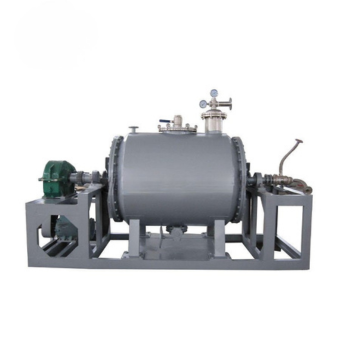
Detergent Powder Vacuum Paddle Dryer
Long service life. Easy to operate and control. High-efficiency product machine.
Automatic Food Grade Vacuum Paddle Dryer
Made from stainless steel material for sanitary standard. Low temperature and high efficiency.
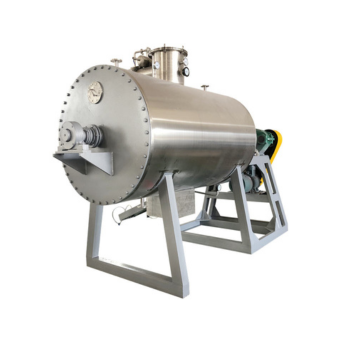
Multifunctional Stainless Steel Vacuum Paddle Dryer
Versatile, and handle high humidity / viscous materials. High efficiency and low cost. Ideal for liquid, paste and etc.
Heavy-duty Automatic Vacuum Paddle Dryer
Enery-saving machines. Good heat transfer for both heating and cold cooling of the product. High-thermal efficiency.
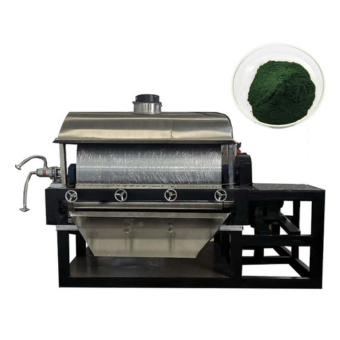
Vacuum Paddle Dryer for Chemical Machinery Material
Preserving chemical integrity. Made robust materials like stainless steel, hastelloy to ensures long life service.
Customizable Vacuum Hollow Paddle Dryer
Operation cost is low and steady operation. We can offer you customizable vacuum paddle dryer according to your needs.
Rotary Industrial Vacuum Paddle Dryer
High-thermal efficiency and low temperature operation. Safety frame, easy maintenance and compact design.
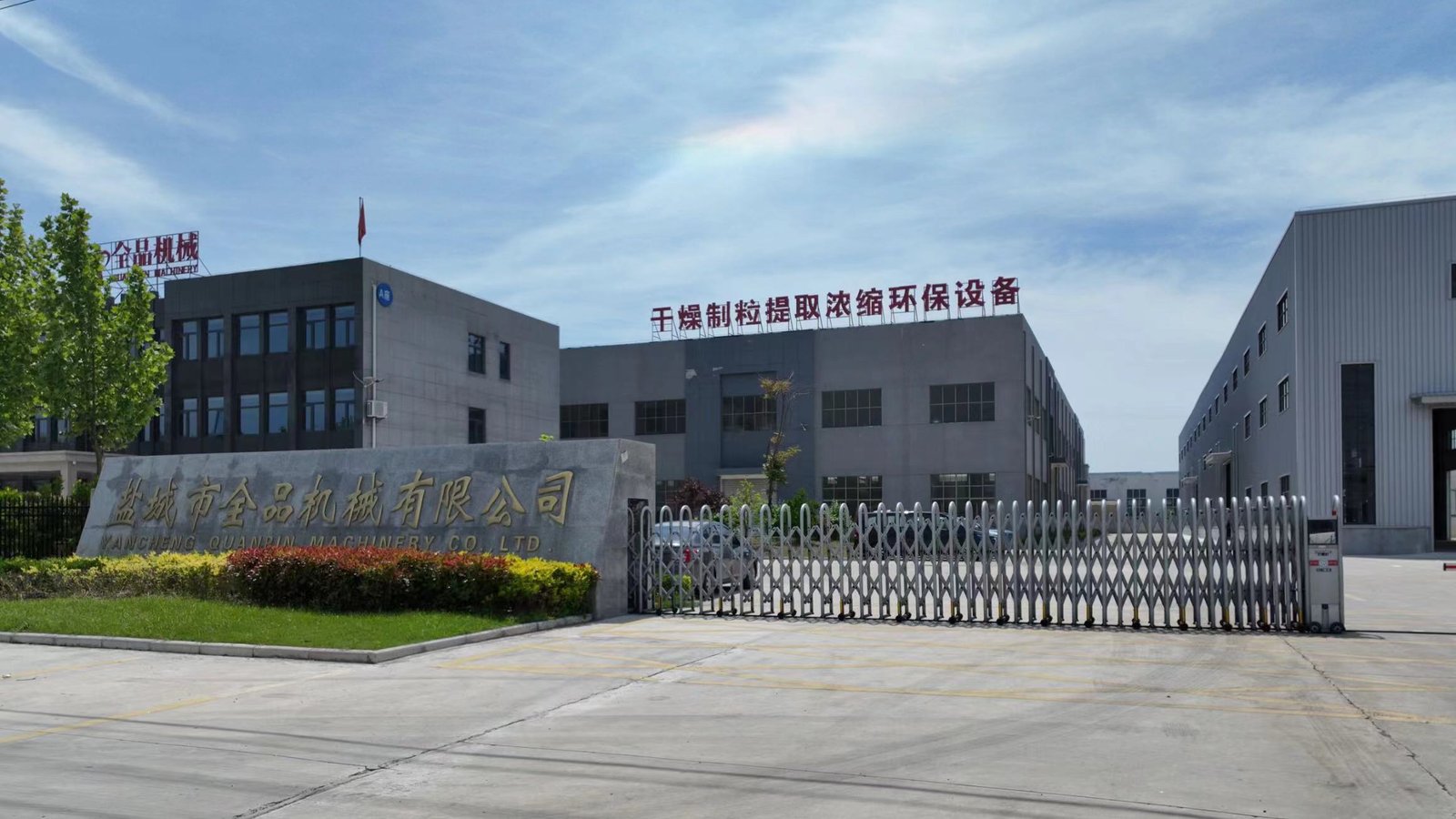
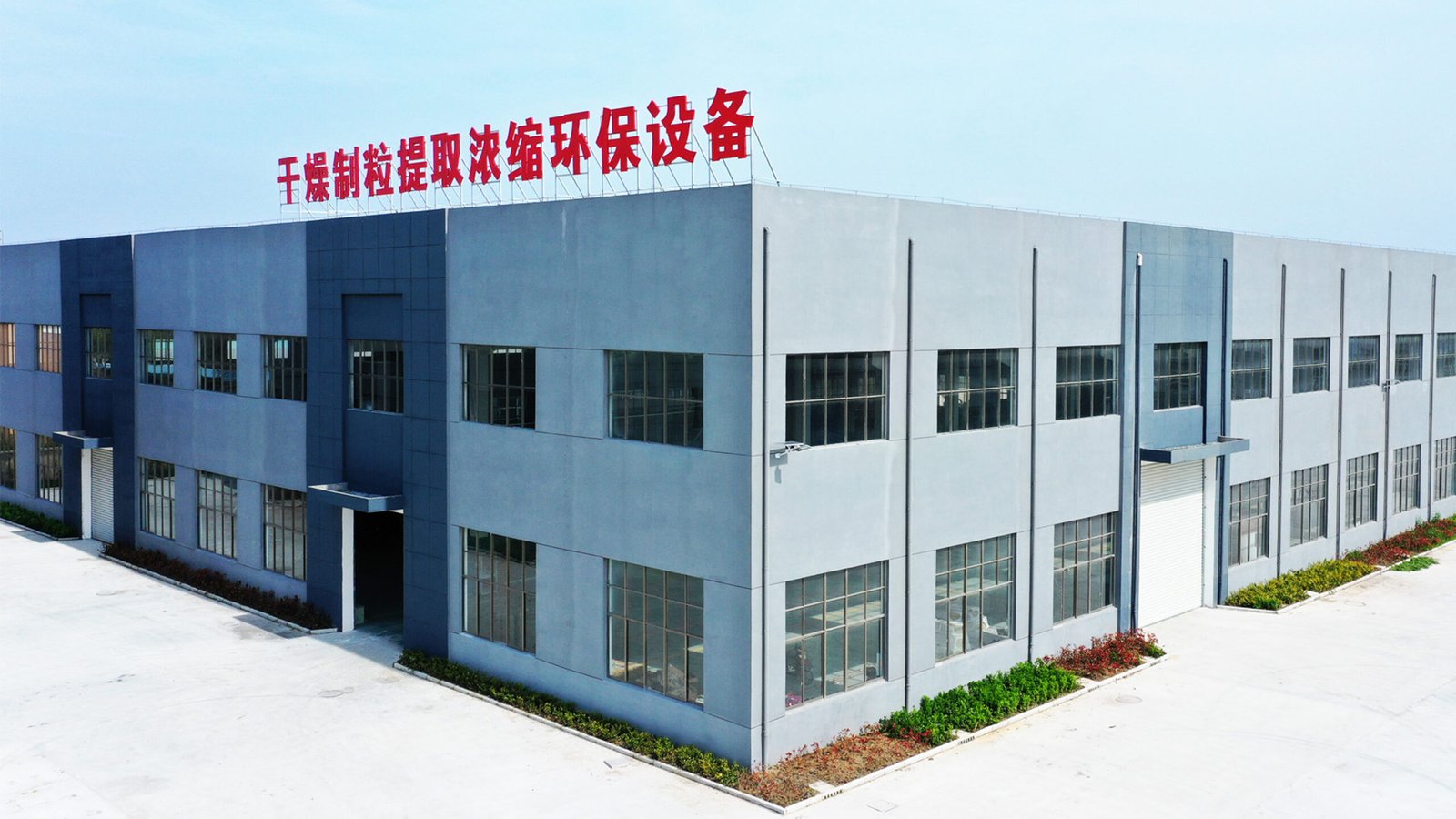
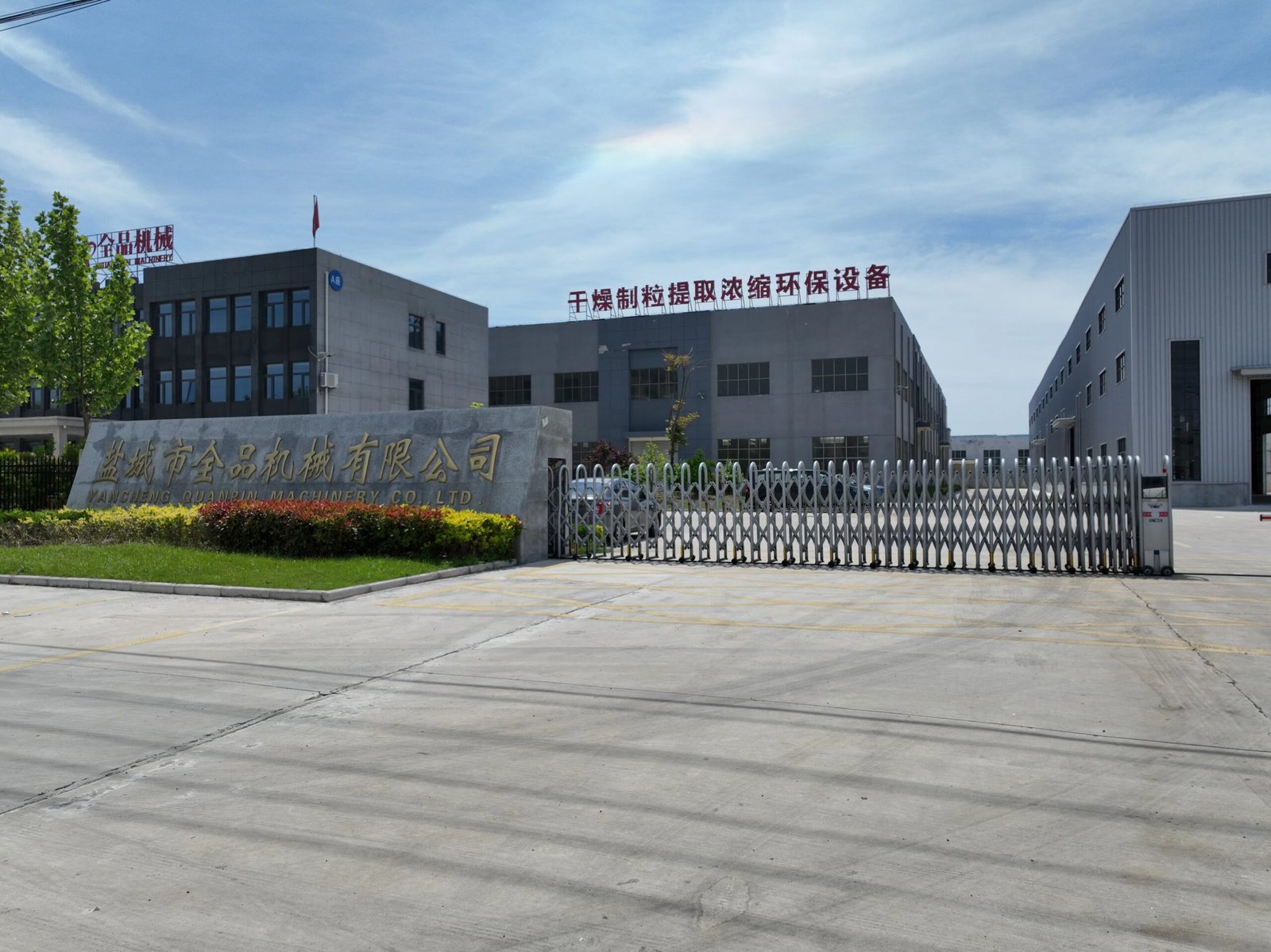
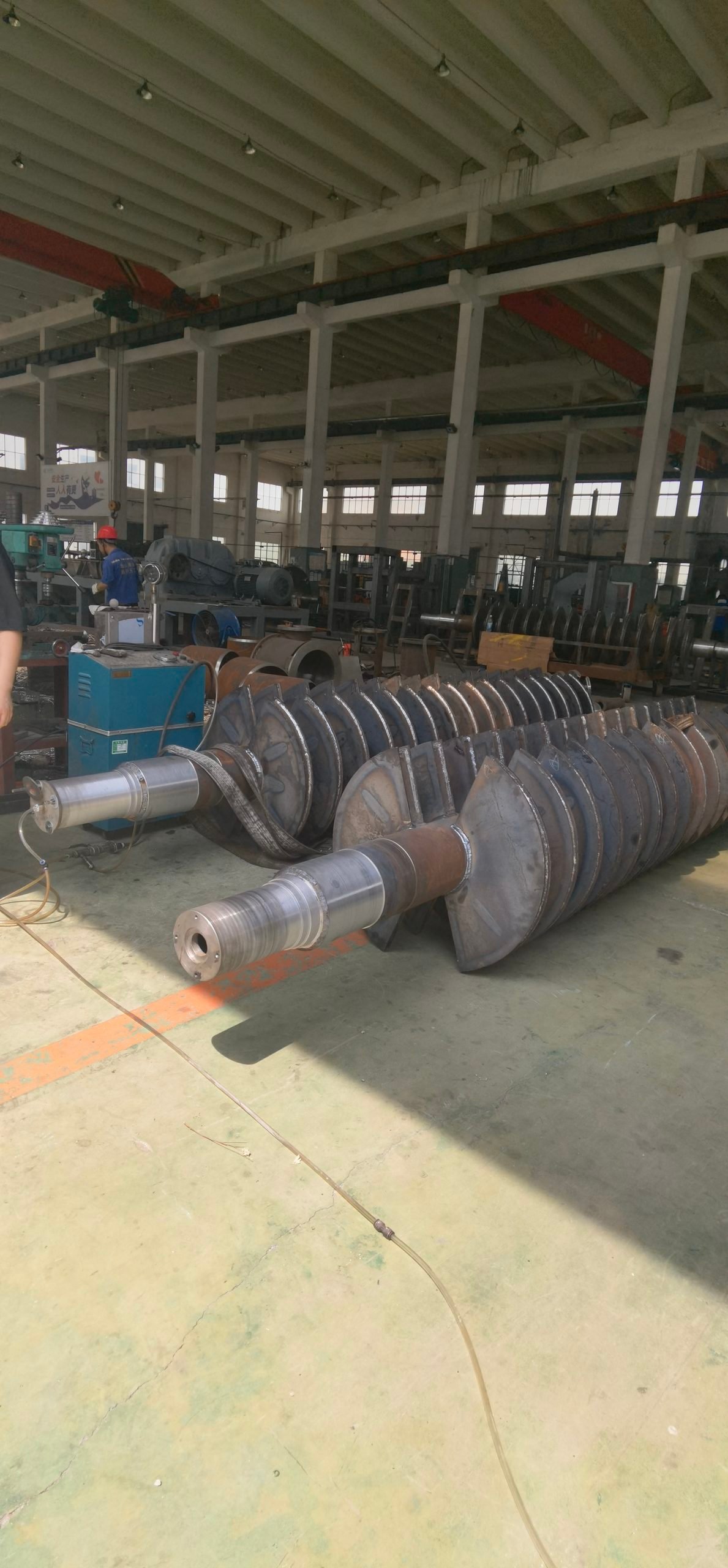
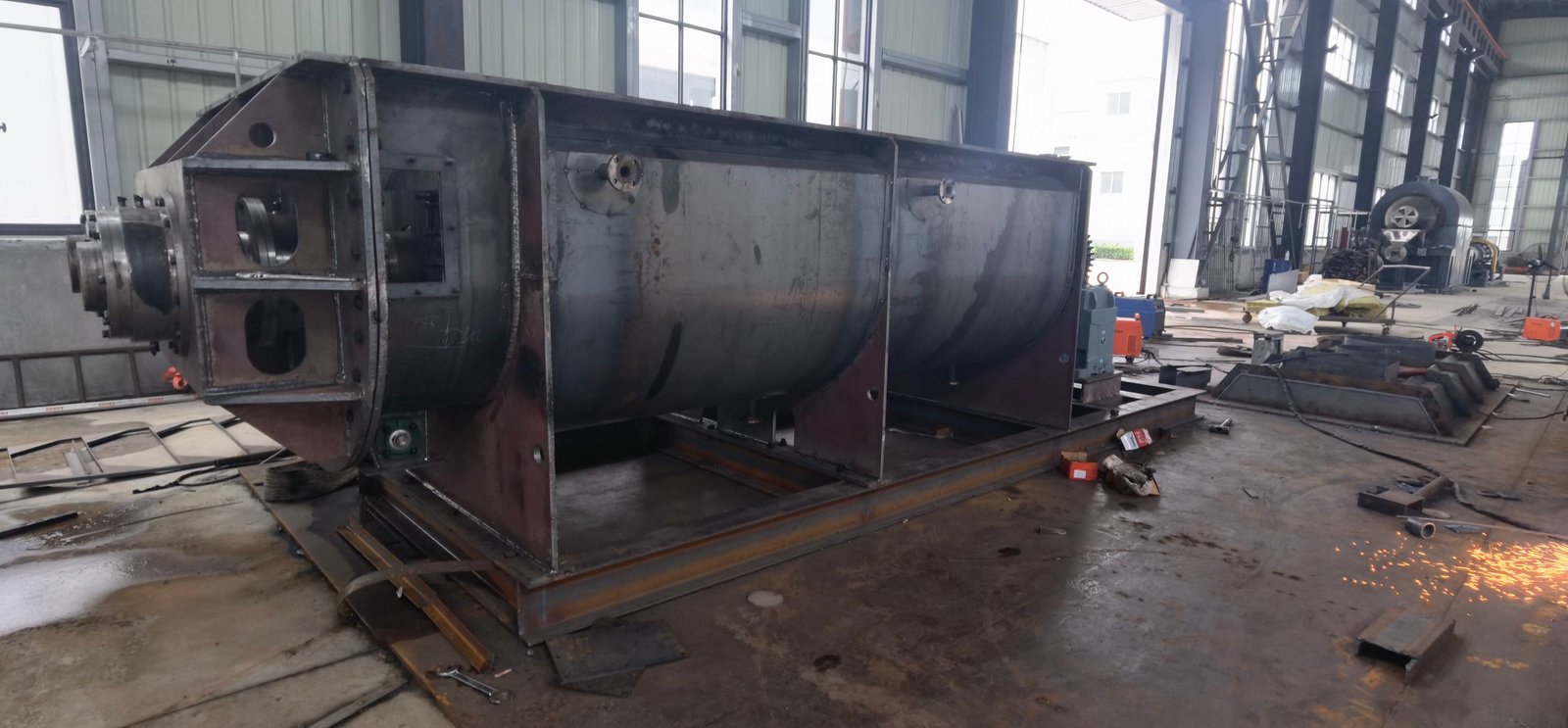
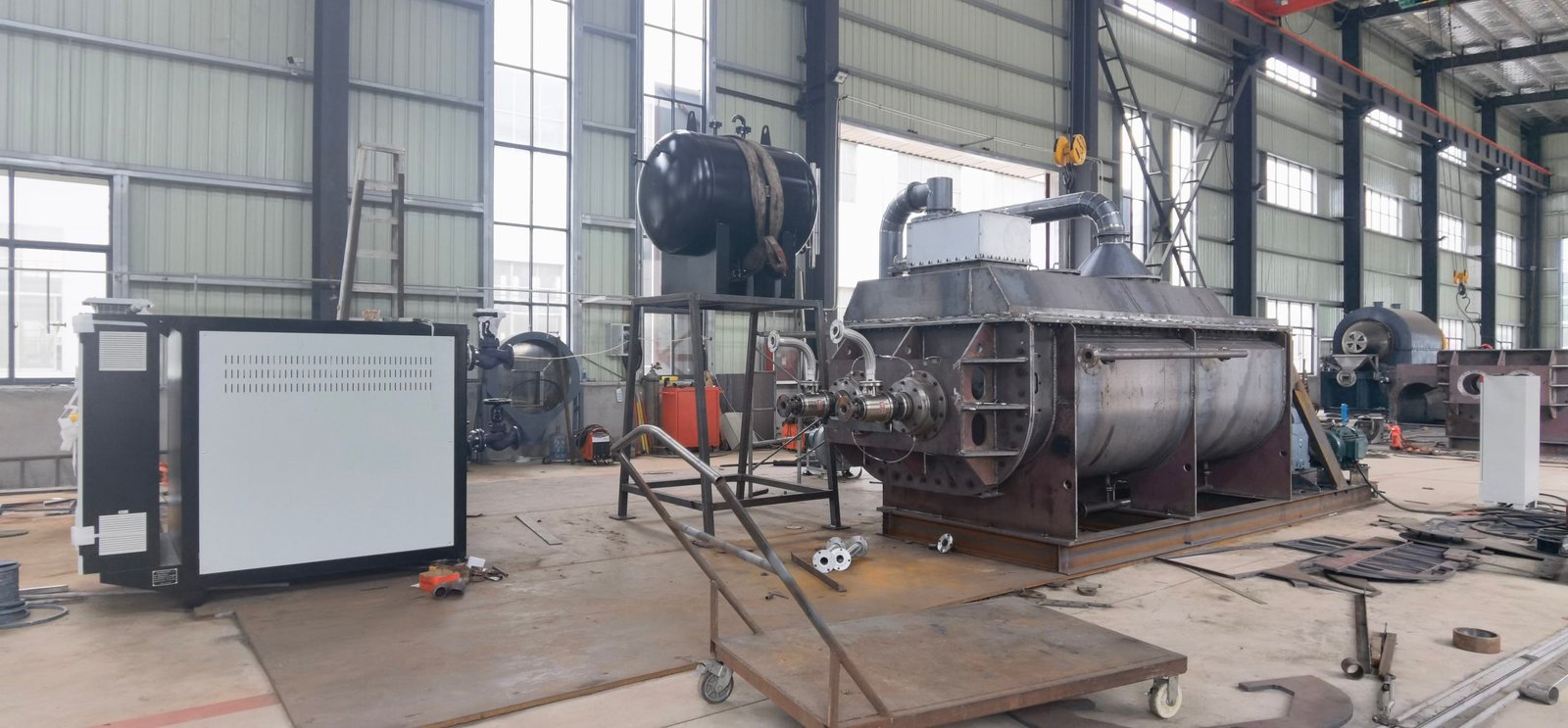
Our Factory
Additional Technical Data
| Model | Power(kw) | Heat Transfer Area(m²) | Full Capacity(m³) | External Dimensions(L×W×H)(mm) |
| ZJG-30 | 15 | 30 | 1.97 | 5500×1300×810 |
| ZJG-50 | 18.5 | 50 | 3.27 | 5600×1600×1000 |
| ZJG-80 | 22 | 80 | 4.5 | 5200×1900×2700 |
| ZJG-100 | 30 | 100 | 6 | 6400×1900×2700 |
| ZJG-120 | 37 | 120 | 8 | 7200×1900×2700 |
| ZJG-150 | 45 | 150 | 9 | 6200×2500×3000 |
| ZJG-180 | 45 | 180 | 11.5 | 7500×2500×3000 |
| ZJG-200 | 55 | 200 | 15 | 9000×2500×3000 |
| ZJG-260 | 75 | 260 | 17.5 | 8600×2800×3300 |
| ZJG-300 | 75 | 300 | 20 | 10100×2800×3300 |
| ZJG-350 | 90 | 350 | 26 | 11000×3000×3650 |
| ZJG-400 | 90 | 400 | 30 | 11500×3200×3750 |
| ZJG-450 | 110 | 450 | 33 | 12000×3300×3950 |
| ZJG-500 | 132 | 500 | 36 | 12500×3400×4100 |
Final numerical specifications are defined for the selected QUANPIN equipment and material.
Application Review: Chemical and Pharmaceutical Processing
Review the actual feed composition, consistency, initial and final moisture, temperature limits and discharge requirements. Define heating, vapour handling, cleaning and collection around the selected material and process.
For the formulation review, consult HSE hazardous-substance assessment guidance.
Review the formulation’s safety data sheets using HSE chemical safety data sheet guidance.
Review the actual powder characteristics using the HSE safe handling of combustible dusts.
For the heating-system review, consult the U.S. Department of Energy process heat overview.
For maintenance and isolation planning, refer to HSE work equipment maintenance guidance.
What is Vacuum Paddle Dryer
QUANPIN’s vacuum paddle dryer typically consists of a cylinder, heating jacket, hollow paddle shaft, vacuum system, and other components. It is a batch drying system that combines drying, agitation, and solvent recovery into a single machine. The vacuum paddle dryer is mainly used to handle materials with high wet solid content due to its good flowability. It is also friendly to heat-sensitive materials, producing stable and complete products for you.
How Does a Vacuum Paddle Dryer Work
- Step 1: Before drying the materials, the vacuum system of the vacuum paddle dryer decreases pressure of the cylinder to build a vacuum environment. This step is mainly used to reduce boiling points of the raw material, making it suitable for evaporation with low temperature. For heat-sensitive material, the vacuum pressure reduction process is especially important.
- Step 2: After decreasing the boiling points of materials, the materials can be heated and dried by the paddle. The structure of the paddle shaft and paddle body is hollow, making it suitable to be filled with thermal oil, steam, or hot water. With continuous agitation and mixing, the material can be heated evenly to ensure a uniform drying process.
- Step 3: The evaporated solvent generated during the drying process is removed by the vacuum system. It can be collected by the cooling system to reduce solvent loss and VOC emissions. Then the final dry products are also collected.
Advantages of Vacuum Paddle Dryer
High-efficiency Drying Process
The vacuum paddle dryer uses an indirect heating mode with two heat sources. The heat transfer medium fills both the jacket and the hollow paddles to improve heating efficiency. In addition, the paddle shaft brings the drying system to rotate continuously, renewing the heated surfaces of materials while also accelerating drying speed. This will efficiently shorten the drying cycle. The vacuum paddle dryer also features high thermal efficiency and large heat transfer surface to support efficient drying; cycle time depends on the material and operating conditions.
Excellent Product Quality
Some materials such as antibiotics, polymers, and plant extracts are sensitive to high temperatures. One of the biggest advantages of the vacuum paddle dryer is its support for the drying process with low temperature. Retention of active ingredients and final quality must be confirmed through material trials at the proposed product temperature and cycle. In addition, the vacuum paddle dryer maintains continuous agitation during the drying process to ensure uniform heating of the material. This not only improves consistency of material particles, but also prevents issues such as sticking or caking.
Strong Production Capacity
Based on its strong agitation capability and high heat conductivity efficiency, the vacuum paddle dryer supports handling various different materials. It is especially suitable for materials that are easy to discolorate, oxidate, or decompose, ensuring the product’s quality. Even for high-viscosity material, the vacuum paddle dryer also keeps good flowability by continuous agitation. This significantly reduces sticking to the walls or clogging issues.
Safety and Environmental Protection
The structure of a vacuum paddle dryer is typically enclosed to prevent the materials contacting external environmental factors or operators. Enclosure provides a process boundary; oxidation, contamination and emissions still require material-specific controls and verification. For the material that contains organic solvents, the vacuum system and condenser can recycle it directly. Solvent recovery and appropriate process safeguards must be specified for the material and operating conditions.
Economic Advantages
Main drive components of the vacuum paddle dryer feature a robust structure to extend service life, decreasing the maintenance rates of the machine. Its unique paddle structure offers high stability and reliability to ensure normal operation in the high load conditions. Additionally, the drying process of the equipment does not need too high temperature. This means the energy consumption will be reduced, thereby saving your costs. The enclosed system of the vacuum paddle dryer efficiently reduces product loss, increasing product yield to enhance economical benefits.
Vacuum Paddle Dryer Applications
Chemical Industry
The vacuum paddle dryer is widely used in the chemical industry to handle high-viscosity resins, dyes, surfactants, and additives that are sensitive to high temperatures. It offers high processing capacity to convey slurries into powders or lumps. The chemical industry generally involves materials that contain organic solvents. The vacuum paddle dryer collects these harmful solvents during the drying process to prevent safety risks. The machine also makes chemical materials maintain good flowability and ensures minimal color variation.
Food Industry
For the food industry, the vacuum paddle dryer offers a drying process with low temperature to handle soy protein, plant extracts, hydrolyzed proteins, and nutritional fortifiers. This not only prevents nutrient loss caused by high temperatures, but also preserves natural color and flavor of raw materials. In addition, the vacuum paddle dryer used for the food industry is typically made of stainless steel to meet the food hygiene standards.
Pharmaceutical and Bioengineering
The vacuum paddle dryer can be used to dry drug raw materials with high speed, meeting the continuous production requirements of the pharmaceutical industry. It features enclosed structures to maintain cleanliness during the drying process, ensuring the purity and stability of products. The low temperature drying features of this machine also preserve drug activity and are suitable to handle heat-sensitive materials. For expensive solvents, the vacuum paddle dryer features a recycle system to reduce loss.
Environmental Industries
For sludge or residues, provide composition, moisture variability and the intended downstream route. Review emissions, dust and disposal requirements separately. Drying alone does not establish suitability for fuel, composting or building materials; confirm the proposed equipment and process using representative samples.
How to Select Proper Vacuum Paddle Dryer
A proper vacuum paddle dryer provides high production capacity while also offering additional benefits for you. When selecting the vacuum paddle dryer, you should consider comprehensive factors. The following are common factors for your reference:
- Material Properties: Properties of the raw material is an important factor that you should consider, including viscosity, water content, solid content, heat sensitivity, and more. These parameters are directly connected to the drying process demands. You should ensure the vacuum paddle dryer you choose can meet actual requirements.
- Drying System: When selecting the vacuum paddle dryer, you should also focus on its drying system, which determines the entire performance of the machine. For example, the heat transfer area of a vacuum paddle dryer affects its drying speed. You can also choose suitable heat sources based on the thermal stability of materials, such as thermal oil, steam, or hot water.
- Drive and Agitation Structure: Different types of materials require different agitation speed to maintain excellent flowability. You should analyze the paddle torque and motor parameter to determine if the machine can handle your project material. The paddle of the vacuum paddle dryer also offers various shapes to meet different demands, such as standard paddles, angled paddles, and tapered paddles.
- Vacuum Requirements: Different solvents feature different boiling points that require a suitable vacuum level. In general, materials that are easy to oxidize or have high demands on residual solvents need a higher vacuum level.
- Machine Material: The vacuum paddle dryer is mainly made of 304/316L stainless steel, glass-lined steel, and special alloys. You should select it based on the corrosion resistance and cleanliness requirements of raw materials. Ensure the machine you choose can meet the industry’s demands.
- Process Requirements: The vacuum paddle dryer supports equipping with a solvent recovery system or other special devices to meet different demands. You can determine the process requirements you need based on the material types, capacity demands, and others.
- After-sale Service: You should better choose the famous brands or suppliers to ensure reliable and stable machine quality. They typically provide professional after-sale service, and support local service. When your vacuum paddle dryer is damaged, they can solve it in time, reducing downtime loss.
Contact QUANPIN with your material properties, production requirements and installation conditions to discuss a suitable vacuum paddle drying system.
What is the difference between a vacuum paddle dryer and a double cone rotary vacuum dryer?
Both use indirect heating. A vacuum paddle dryer agitates material with a paddle shaft; a double cone rotary vacuum dryer moves material by rotating the vessel. Selection depends on flowability, viscosity, heat transfer and the required drying cycle.