Hopper Mixer: Define the Blend-to-Tablet-Press Transfer Interface
By QUANPIN
An accepted pharmaceutical blend still has to reach the next operation in an identified and suitable condition. Specify the transfer interface when reviewing a hopper mixer for a solid-dosage line.
The focus is the boundary between the completed container blend and its receiving equipment. The hopper mixer itself should not be described as a tablet press or dosing system. See the matching pharmaceutical industry applications.
Where Does the Hopper-to-Receiving-Process Boundary End?
Identify the receiving operation, transfer arrangement and quality attributes that must remain controlled after mixing.
An equipment drawing can establish connection geometry, but composition, flow and product suitability need appropriate process evidence. Use product-specific development knowledge to justify the attributes being examined. See FDA ICH Q8 pharmaceutical development.
Equipment Principle and Material Requirements
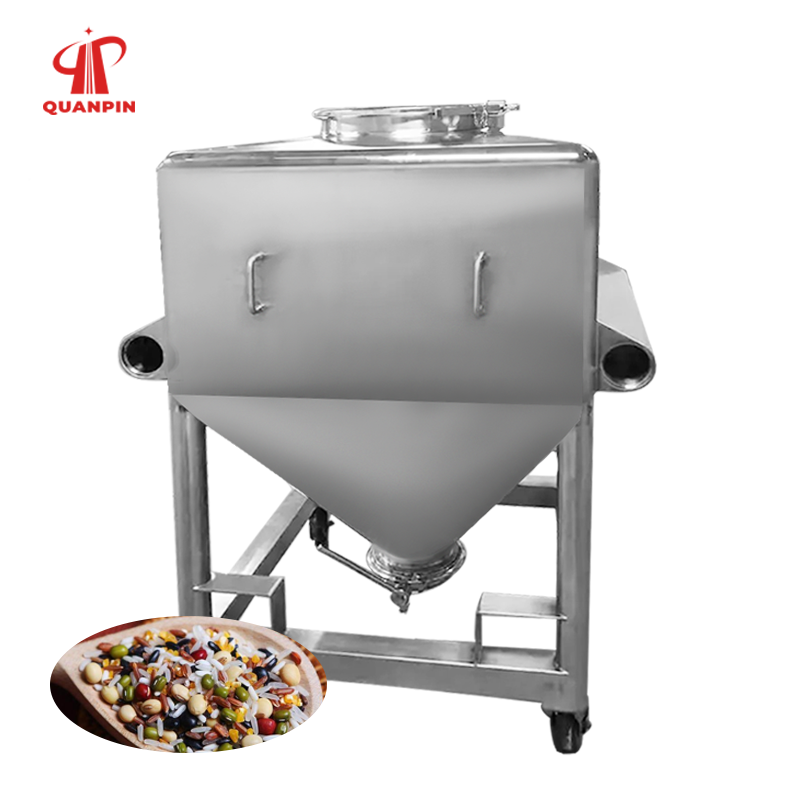
A hopper mixer tumbles the container charge under its specified motion. After mixing stops, discharge and transfer introduce a different material-handling history. Describe the intended hopper mixer machine duty using the actual ingredient properties and working load.
Movement through a valve, chute or other approved connection can affect the powder reaching the next stage; the effect is formulation-dependent.
Five Steps for the Application Study
Identify the completed blend
Record the completed blend identity and the container used for the transfer study.
Map the transfer route
Map the connection from the hopper outlet to the agreed receiving point.
Define receiving evidence
Define observations and samples that represent the material across the intended transfer.
Record handling events
Keep delays, interruptions and any additional handling with the affected material record.
Evaluate the receiving stage
Assess the receiving-process results within their own approved development and quality plan.
Four Process Boundaries to Record
Blend completion: define when the mixing stage ends and which data support that stage.
Container movement: retain the identity and status of the hopper during relocation or holding.
Discharge connection: specify the actual fitted interface and responsibility for supplied accessories.
Receiving point: state where the transfer assessment ends rather than implying coverage of the entire production line.
Hopper Mixer Components and Interfaces
Hopper loading
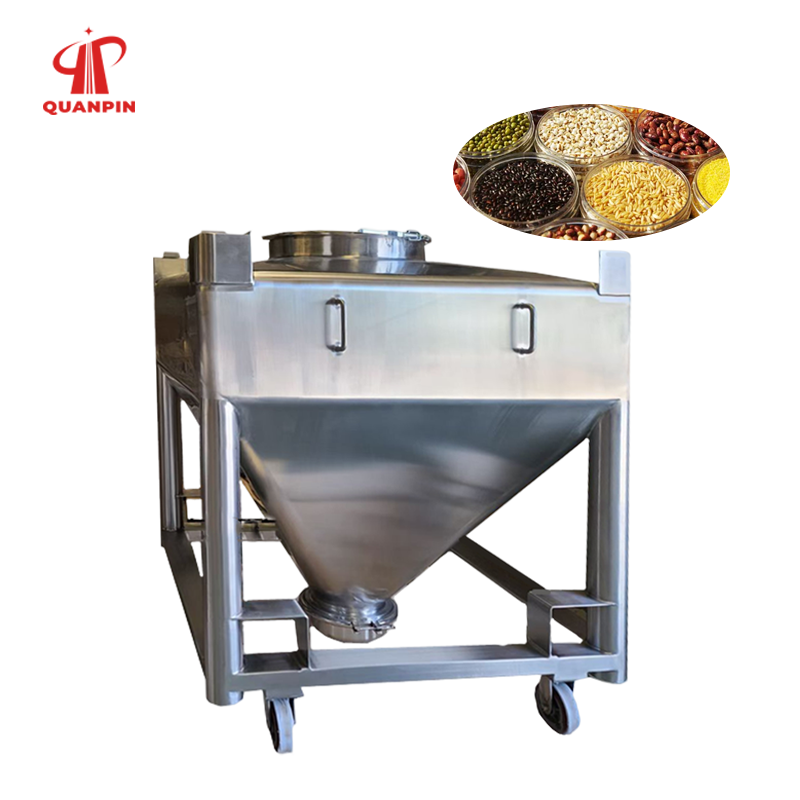
The hopper vessel provides the identified blend container; its working load and geometry remain part of the equipment specification. The bin blender comparison needs both the sample method and the discharge boundary.
Clamping frame
The mixing drive and securing arrangement need their documented operating and inspection procedures. Choose the granule blending arrangement for the documented material rather than a generic vessel-volume claim.
Rotation drive
The outlet valve should be reviewed for the proposed powder and the required cleaning boundary.
Container closure
Transfer accessories must be identified in the quotation rather than assumed from an illustration.
Transfer interface
The receiving equipment may impose connection and feed requirements that need separate confirmation.
Identification and sampling records
Batch records and sample labels should connect the completed blend to the material received downstream.
Comparison Choices and Process Interfaces
Define the Reference Basis
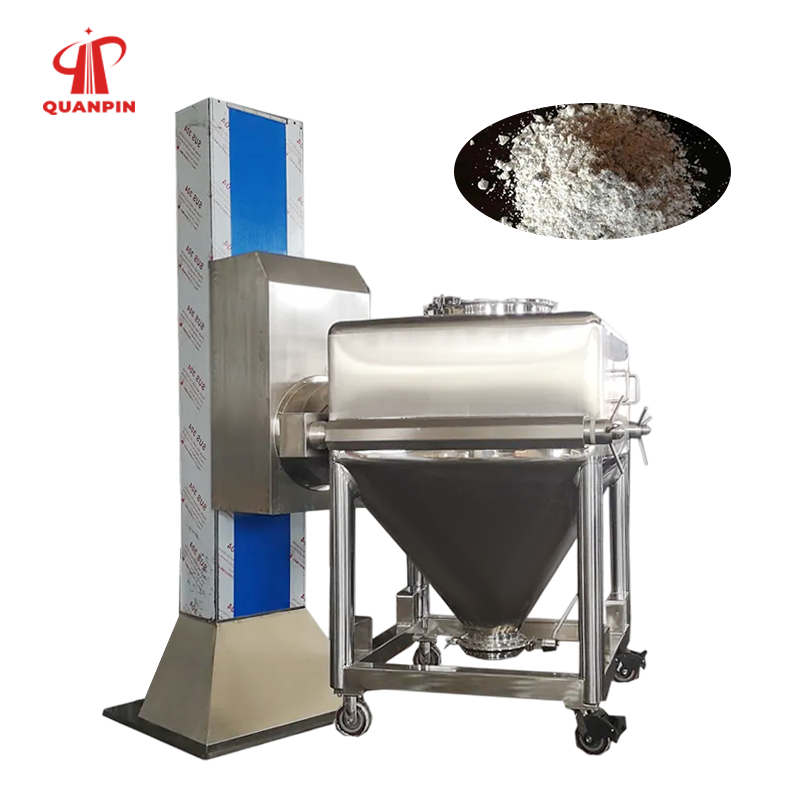
Direct connection and an intermediate receiving container create different material histories and should be described explicitly. Review the low-shear tumble mixing interfaces, including charging, sampling and receiving equipment.
If one route includes an additional fall or transfer, retain that difference when comparing results.
A demonstration with an empty hopper cannot establish the behavior of the intended pharmaceutical blend.
Keep the Comparison Interpretable
Use the proposed receiving arrangement when the trial is meant to support that installation interface.
If a temporary development connection is used, state its limits before applying the findings to production.
Separate the transfer assessment from the receiving equipment’s own operating qualification and product acceptance.
Assess the Receiving Process
A transfer interruption can create a different exposure or handling condition from uninterrupted discharge. Define how powder blender connects to the preceding preparation and the next operation.
Record any remixing or additional treatment rather than treating it as an invisible correction to the original blend.
Review unexpected receiving variation against sampling, handling and formulation evidence before assigning the cause to the mixer.
Industry Application and Acceptance
The relevant industry is pharmaceutical preparation within a solid-dosage manufacturing route.
The blend may need composition and handling evidence appropriate to the dosage-form process. A development comparison should not be presented as complete validation of an untested production process. See FDA process validation guidance.
Tablet quality, where relevant, is assessed at the receiving manufacturing stage; it is not guaranteed by a hopper-mixing result.
Changes in the receiving equipment or connection can require review of the established transfer study.
Benefits and Practical Limits
A defined interface prevents a quotation from leaving important material-handling duties unexplained. Selection of powder mixer should include cleaning access and the intended campaign sequence.
It does not establish uniformity at every later process point or validate the complete solid-dosage line. Assess relevant quality risks using the actual material and process context. See FDA ICH Q9 quality risk management.
Six Details That Affect the Result
Keep hopper and batch identities linked throughout movement and discharge.
Distinguish the vessel outlet sample from a sample collected at the receiving point.
Record transfer duration and interruptions where they are relevant to the study.
Keep any additional container or connection inside the stated cleaning and contact-material boundary. Interpret measurements through process understanding rather than treating an isolated instrument reading as product acceptance. See FDA process analytical technology framework.
Retain individual observations before averaging data across the complete transfer.
Resolve interface ownership and exclusions before comparing equipment proposals.
Safety and Operating Requirements
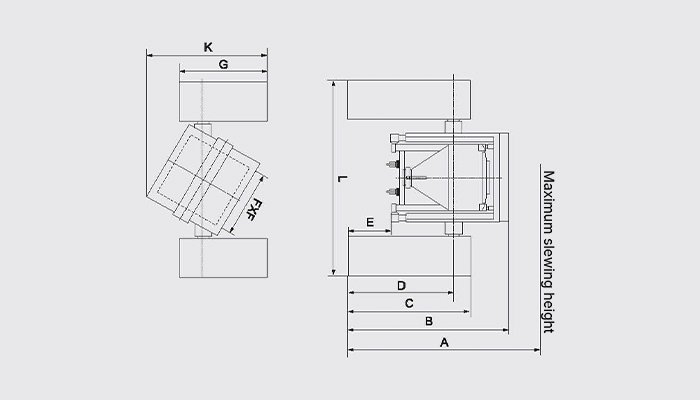
Use approved securing, movement and isolation procedures for the loaded hopper and connected equipment.
Containment and exposure controls require their own application-specific assessment, including the transfer connection.
Prepare Your Equipment Enquiry
Provide QUANPIN with the blend properties, hopper duty, receiving connection and acceptance boundary. Specify the evidence required for Mixing Equipment; a favorable visual impression is insufficient where composition matters.
Ask the proposal to distinguish supplied mixer components from downstream equipment and transfer accessories requiring separate review. Compare uniform powder mixing at the same material and acceptance boundary before scaling the working batch. Retain knowledge and manage adopted process changes through the pharmaceutical quality system. See FDA ICH Q10 pharmaceutical quality system.
Frequently Asked Questions
Does blend acceptance establish every later result?
No. A completed blend result describes the tested stage; later handling requires its own justified assessment.
Where should the transfer boundary end?
State the receiving point that the study and supply scope actually cover.
Can a development connection differ from production?
Yes. Identify it and explain how its handling differs from the proposed production connection.
Can remixing be added informally?
It needs a documented process and quality basis; it should not be an unrecorded correction.
What if the receiving equipment changes?
Review the changed interface and whether the existing evidence still represents its material history.
What interface information should be provided?
Share the complete connection and receiving duty so QUANPIN can review the hopper-mixer boundary clearly.
Discuss Your Hopper Mixer Application with QUANPIN
Discuss your application with Hopper Mixer specialists at QUANPIN. Use the enquiry below or our contact page.
Email sales@quanpinmachine.com or stacie@quanpinmachine.com. Call +86 19850785582, or contact us on WhatsApp: +86 15921493205.