Oscillating Granulator: Evaluate Screen Blinding During a Wet-Granulation Campaign
By QUANPIN
A wet mass that progressively obstructs the screen can change the observed output of an oscillating granulator. Investigate when the change develops instead of reporting only the best early collection.
The application is pharmaceutical wet-granule preparation before drying. Screen condition and accepted granule quality need to remain linked throughout the campaign record. See the matching pharmaceutical industry applications.
How Should a Developing Screen Condition Be Investigated?
Record feed condition, output history and screen observations through an approved inspection procedure. Reduced output alone does not identify the cause.
Distinguish material adhering to the screen from screen damage, feeding interruptions or another equipment condition requiring its own review. Use product-specific development knowledge to justify the attributes being examined. See FDA ICH Q8 pharmaceutical development.
Equipment Principle and Material Requirements
The oscillating working element moves compatible material through a sizing screen. The actual passage depends on the mass as well as the fitted screen. Compare the proposed pharmaceutical granulator arrangement against this material and the documented process stage.
A changing screen condition can affect that passage during a campaign; its significance must be assessed with product and operating evidence.
Five Steps for the Application Study
Establish initial screen condition
Define the initial screen identity and approved pre-run inspection record.
Identify the wet feed
Identify the wet mass and its preparation history before feeding.
Record campaign intervals
Record accepted output and process events over defined collection intervals.
Inspect through approved procedures
Investigate a changing trend using the approved shutdown and inspection arrangements.
Review corrective-action evidence
Review the granule distribution and drying interface before approving a corrective process change.
Four Process Boundaries to Record
Initial condition: establish which screen and inspected arrangement began the trial.
Feed condition: retain wet-mass preparation and any hold history with the output records.
Campaign trend: identify collection intervals rather than pooling away a developing change.
Intervention: record cleaning, adjustment or replacement as an event that separates operating conditions.
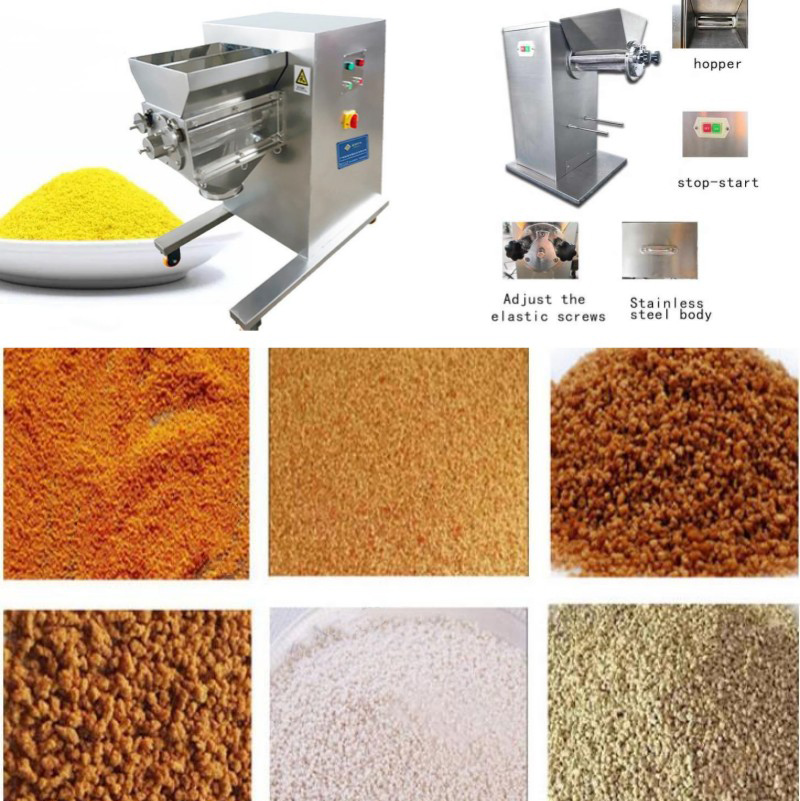
Oscillating Granulator Components and Interfaces
Dry-agglomerate charging
The feed opening should receive the intended mass without undocumented dilution or manual reworking. For granulation, state which attributes will be tested before and after the operation.
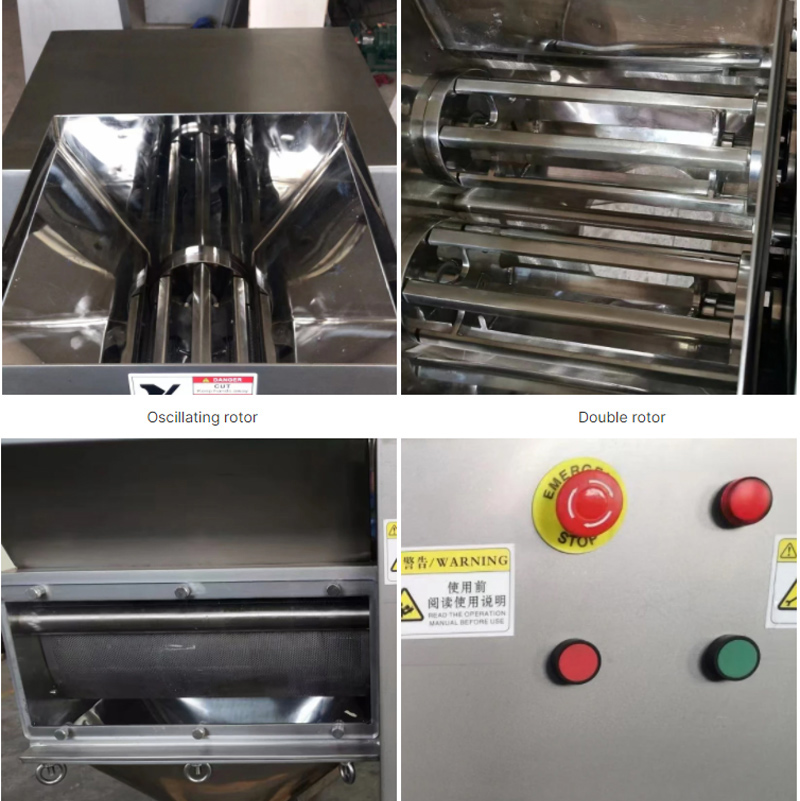
Reciprocating rotor
The oscillating element provides the working motion and must remain within the supplied operating procedure. A granulation equipment description does not replace the trial evidence for this formulation.
Sizing screen
The screen requires a recorded identity, installation check and inspection method suitable for the equipment.
Feed and product path
The process chamber and contact surfaces should be included when investigating adherent material.
Collection arrangement
The receiving arrangement should preserve the identity of granules collected before and after an intervention.
Inspection and sample records
The output record needs a defined time and accepted-mass basis if capacity is being compared.
Comparison Choices and Process Interfaces
Define the Reference Basis
A short clean-screen trial and a complete campaign represent different operating scopes.
State that difference before extrapolating an early output rate to production capacity.
If the proposed campaign is longer than the demonstrated period, identify the remaining evidence needed.
Keep the Comparison Interpretable
Compare wet-mass preparations only while retaining the relevant screen and collection conditions.
If a preparation change reduces adherence, still check whether the resulting granules meet their required properties.
An apparently improved output rate is not sufficient when granule quality changes unfavorably.
Assess the Receiving Process
After an approved cleaning intervention, label the restarted collection as a new operating interval. The wet granulation assessment should separate process readings from product acceptance tests.
Keep material removed during inspection or cleaning in the reconciliation with its approved disposition.
Review whether the resulting granules can be loaded consistently into the specified drying operation.
Industry Application and Acceptance
Pharmaceutical preparation and drying are the relevant industry stages for this wet-granule duty.
The quality plan should determine which granule attributes and later dried-material results matter. A development comparison should not be presented as complete validation of an untested production process. See FDA process validation guidance.
A screen observation helps explain the operation but does not establish final formulation acceptance.
Document the chosen corrective action and its demonstrated scope through the responsible development process.
Benefits and Practical Limits
Time-resolved evidence can reveal a campaign limitation that a single favorable sample would conceal. Specify granulation and drying line using the actual preparation history and the required finished material.
It does not provide a universal cleaning interval or prove that every wet mass is suitable for oscillating screening. Assess relevant quality risks using the actual material and process context. See FDA ICH Q9 quality risk management.
Six Details That Affect the Result
Use the same accepted-output definition for the beginning and end of the comparison.
Record a feed interruption separately from an observed screen condition.
Preserve sample timing relative to any intervention.
Check that the analytical method does not confuse wet agglomerates with later dried granules. Interpret measurements through process understanding rather than treating an isolated instrument reading as product acceptance. See FDA process analytical technology framework.
Include downtime if the reported performance concerns the full campaign rather than active operation alone.
Investigate screen damage through the appropriate equipment and product-quality procedures.
Safety and Operating Requirements
Do not inspect or clear the screen while moving parts remain accessible or energized; follow the supplied isolation procedure.
Assess pharmaceutical exposure and cleaning hazards independently from the campaign-quality investigation.
Prepare Your Equipment Enquiry
Send QUANPIN the wet-mass record, proposed campaign length, observed output trend and required granules. Review the interface with granulation line for solid dosage form so preparation and final treatment are not confused with the machine’s own duty.
Ask the trial scope to identify inspection boundaries, collection intervals and any unproven extension to production duty. The granule drying requirement should retain the material identity, sampling method and downstream acceptance boundary. Retain knowledge and manage adopted process changes through the pharmaceutical quality system. See FDA ICH Q10 pharmaceutical quality system.
Frequently Asked Questions
Does falling output prove screen blinding?
No. Feeding, screen condition and other equipment factors need to be distinguished using actual observations.
Can a short trial establish full campaign capacity?
It supports only the demonstrated interval unless additional evidence justifies the longer duty.
How should the screen be inspected?
Use the approved shutdown, isolation and inspection arrangement rather than improvised access during operation.
Can removed material automatically return to the batch?
Keep its identity and obtain the required disposition decision; do not assume automatic reuse.
Does a higher output rate prove improvement?
Check the required granule distribution and downstream results as well as the output rate.
What campaign evidence should be supplied?
Provide campaign records and material requirements so QUANPIN can review a representative screening duty.
Discuss Your Oscillating Granulator Application with QUANPIN
Discuss your application with Oscillating Granulator specialists at QUANPIN. Use the enquiry below or our contact page.
Email sales@quanpinmachine.com or stacie@quanpinmachine.com. Call +86 19850785582, or contact us on WhatsApp: +86 15921493205.