Hopper Mixer: Separate Sampling Variation from Pharmaceutical Blend Variation
By QUANPIN
Different assay results do not automatically establish different hopper-mixing performance. Review how the specimen was collected, divided and prepared before assigning the variation to blending. A hopper mixer enquiry should start with formulation and the required composition evidence.
The purpose is to distinguish the blend’s material distribution from variation introduced by the sampling and analytical route. Both need evidence appropriate to the formulation. This application belongs to our pharmaceutical processing industry scope.
What Does Each Replicate Represent?
Sampling variation concerns which material reaches the test specimen. Analytical repeatability concerns what happens when the laboratory measures the prepared specimen.
Repeated analysis of one prepared sample cannot establish that the sample represents the complete hopper load. Keep those questions separate in the trial plan.
Equipment Principle and Material History
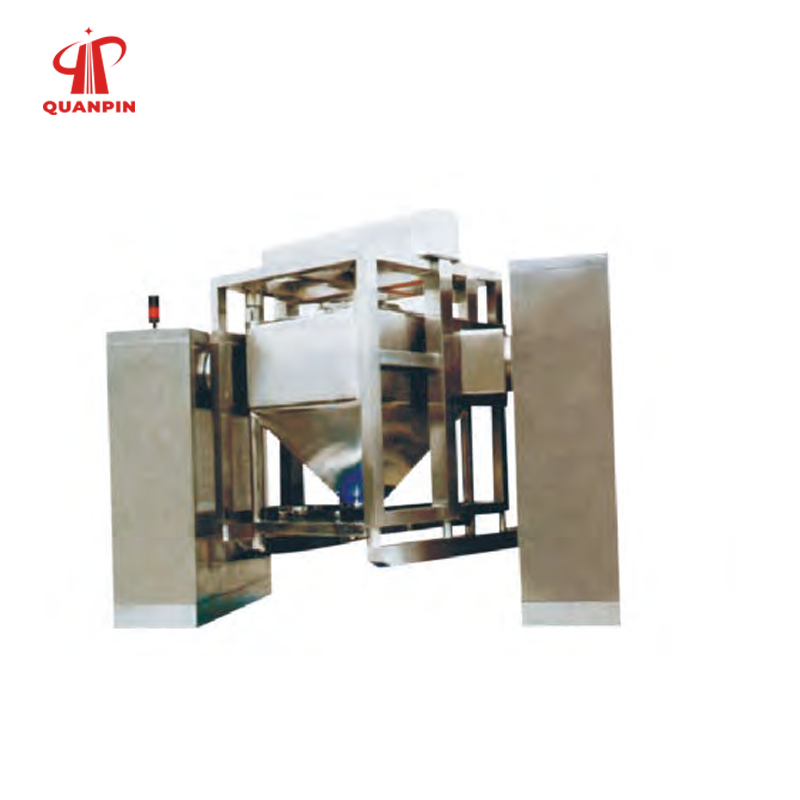
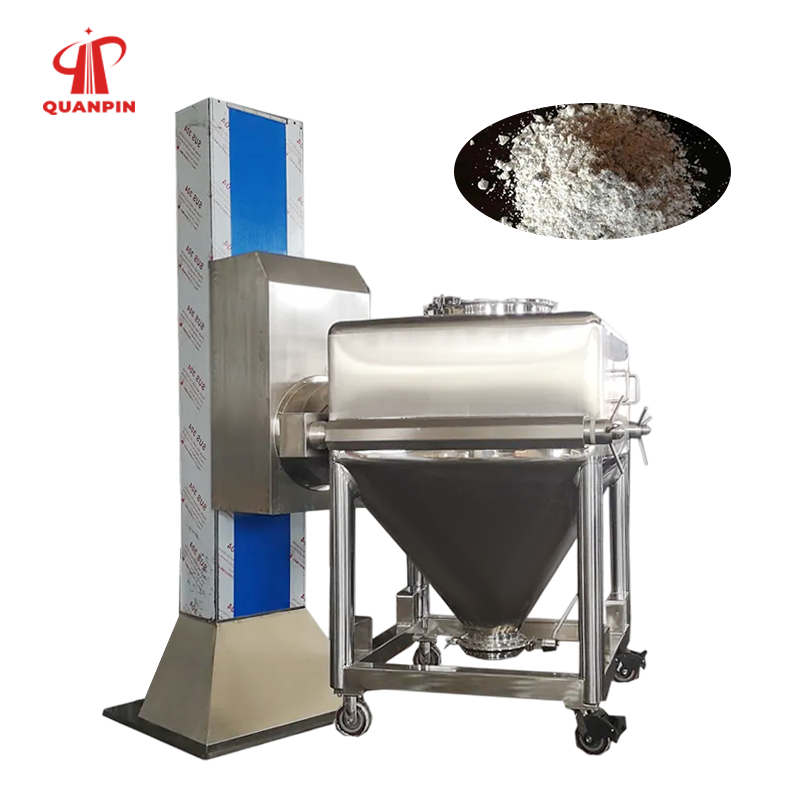
The hopper is clamped in a rotating frame and the loaded material divides and recombines under gravity. Its demonstrated blending action concerns the actual working load. Describe the intended hopper mixer machine duty using the actual ingredient properties and working load.
Opening, collecting and transferring a specimen introduce additional material movements. The sampling arrangement should be assessed as part of the evidence chain.
A Trial Sequence for This Application
Define the composition and batch question
Define the composition attribute and the batch boundary to be represented before selecting locations or times for sampling.
Record representative collection origins
Record the approved collection method, specimen amount and location or discharge event. Avoid replacing a justified plan with convenient access.
Distinguish independent and split specimens
Identify independently collected specimens separately from portions split from one sample. Their different origins matter when reviewing variation.
Preserve preparation and assay methods
Preserve the laboratory preparation and assay method with the results. Record any splitting, transfer or conditioning that can affect representativeness.
Investigate the observed pattern
Interpret the pattern with the complete collection history. Design any further comparison to distinguish sampling effects from actual blend differences.
Four Observation Boundaries
At loading, keep the actual formulation and hopper identity visible. A sample from another container cannot establish this load’s condition.
At collection, retain the location or discharge interval represented by each specimen under the approved method.
At splitting, document how the submitted laboratory portion was obtained. Segregation during handling can change that portion.
At analysis, distinguish repeated instrument readings from independently prepared or independently collected specimens.
Hopper Mixer Components to Include
Hopper loading
The loading connection determines how material enters the container. Keep ingredient preparation and loading sequence with the trial record. The bin blender comparison needs both the sample method and the discharge boundary.
Container geometry and fill
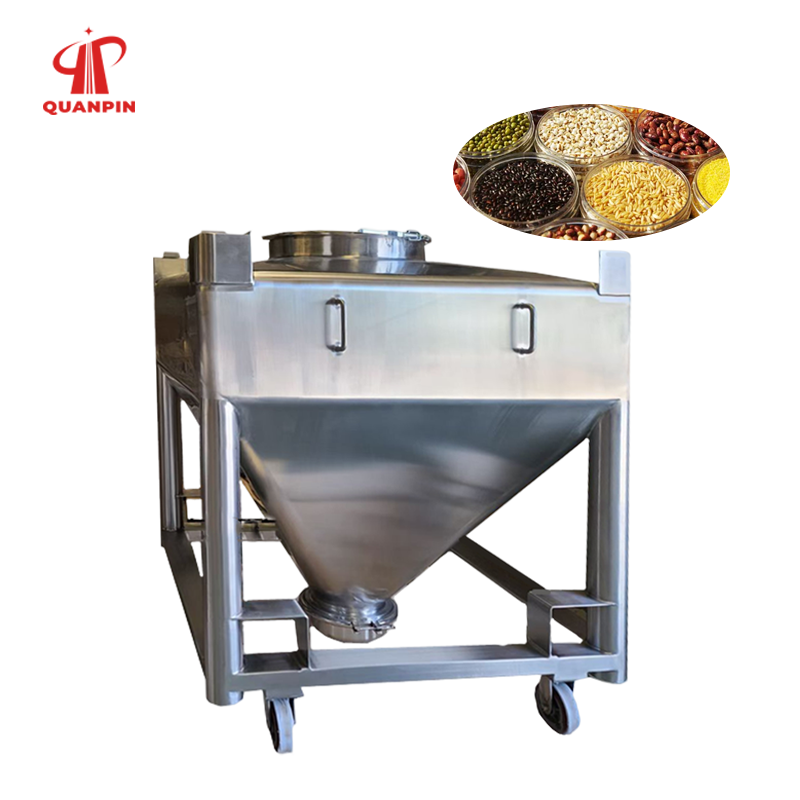
The hopper geometry and working fill define the demonstrated material space. They should not disappear behind a nominal capacity label. Choose the granule blending arrangement for the documented material rather than a generic vessel-volume claim.
Clamping frame and rotation
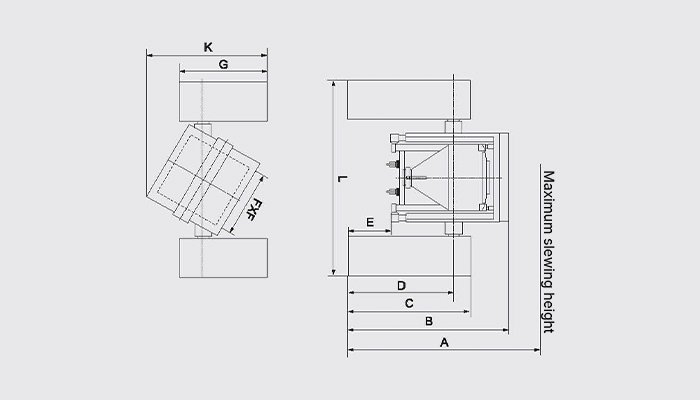
The clamping frame and drive provide the recorded blending movement. Inspect them through the supplier’s specified procedures.
Closure and access
The closure and access arrangement constrain safe sampling choices. Do not assume that opening a port produces a representative specimen. See GEA pharmaceutical IBC blending for container movement and powder blending.
Discharge interface
The discharge interface creates an opportunity to sample defined material intervals where the approved plan uses that approach.
Sample containers and labels
The sample containers and labels preserve the connection between hopper, collection event and laboratory preparation.
Configuration and Study Choices
Define the Demonstrated Starting Point
An in-container method requires a justified relation between the collected location and the intended batch question. Review the low-shear tumble mixing interfaces, including charging, sampling and receiving equipment.
A discharge method requires defined collection timing and material intervals. Preserve their order when interpreting the pattern.
A split-sample comparison investigates preparation or analytical variation from a shared collected source. See GEA contained materials handling reference for blending interfaces and transfer boundaries.
Separate the Changed Variable
An independent-sample comparison includes collection variability as well as later preparation and analysis.
A method-transfer study should identify which collection and laboratory procedures remain equivalent between sites.
A changed formulation can alter flow or segregation during sampling. Review whether the original collection method remains suitable.
Review the Complete Process Boundary
A changed sample amount can change what portion of the mixture is represented. Keep its justification with the method. Define how powder blender connects to the preceding preparation and the next operation.
A changed hopper should retain its container-specific evidence rather than borrowing a sampling conclusion from another geometry. See FDA ICH Q8 pharmaceutical development for product attributes and formulation-specific development.
A trial report should preserve individual observations and their origins, not merely a single average with no collection history.
Industry Application and Product Acceptance
The application concerns pharmaceutical powder or granule blending with a defined composition requirement.
A uniformity conclusion should follow the relevant quality process and justified sampling strategy. An attractive graph alone is insufficient.
Link the sampled blend to its intended receiving operation. Later segregation and sampling changes can create a separate question.
Review unexpected variation with both the process and laboratory teams so equipment and measurement causes remain distinguishable.
Benefits and Limits of the Comparison
The distinction helps avoid changing blend time in response to an unrecognized specimen-preparation problem. Selection of powder mixer should include cleaning access and the intended campaign sequence.
It does not establish that observed variation is harmless. Unexplained results need investigation under the applicable quality procedures.
Variables That Need a Clear Record
Collection position needs a defined identity rather than an informal label such as a convenient top sample.
Discharge order matters when the collection plan is intended to assess material reaching the next operation.
Sample handling matters where particle properties can cause separation during transfer or splitting.
Method version matters when a preparation change alters what the reported assay represents.
Container identity matters because a result must remain connected to the actual load tested. See FDA process validation guidance for linking process evidence to the demonstrated operating range.
Study design matters because changing blending, sampling and analysis together can leave the cause unresolved.
Safe Operation and Material Handling
Follow the specified isolation and access procedures for sampling around a hopper mixer. Sampling convenience does not justify exposure to a rotating frame. See FDA ICH Q9 quality risk management for risk-based sampling and process review.
Apply the actual material’s containment, handling and cleaning requirements at collection and laboratory transfer interfaces.
Prepare a Useful Equipment Enquiry
Provide QUANPIN with the formulation, working hopper, current collection plan and the pattern of differing results. Specify the evidence required for Mixing Equipment; a favorable visual impression is insufficient where composition matters.
Agree which equipment observations and sampling comparisons can resolve the uncertainty before extending the blending interval. Compare uniform powder mixing at the same material and acceptance boundary before scaling the working batch.
Frequently Asked Questions
Where should differing assay results be reviewed first?
Begin with the sample’s origin and preparation history, then review the batch process it is intended to represent.
Do repeated analyses prove batch representativeness?
No. Repeated analysis of one prepared specimen addresses a narrower question than representative sampling of a hopper load.
Is any accessible sample location acceptable?
Not automatically. The plan needs justification for the material, equipment and batch attribute under review.
How should replicate results be labeled?
Keep independent collections distinct from repeated preparations and repeated measurements so the source of variation can be investigated.
Does changing the sample method prove better mixing?
No. A changed method can change the reported result without an equivalent change in the blend itself.
What if the result remains unexplained?
Retain the unexpected results and review the process, sampling and analytical evidence through the relevant investigation procedure.
Discuss Your Hopper Mixer Application with QUANPIN
Discuss this application with Hopper Mixer specialists at QUANPIN. Share the material specification and the trial question through our contact page.
Email sales@quanpinmachine.com or stacie@quanpinmachine.com. Contact QUANPIN on WhatsApp: +86 15921493205.