High-Speed Mixing Granulator: Evaluate Endpoint Signals Without a Universal Motor-Load Limit
By QUANPIN
A motor-load trend can help describe a granulation run, but an instrument value is not automatically a finished-granule acceptance limit. Establish what the signal represents for the actual formulation. The High-Speed Mixing Granulator duty should be defined by the prepared mass and the intended granule.
This guide considers pharmaceutical high-shear wet granulation. It connects recorded process indications with wet material, dried granules and the required downstream product attributes. This application belongs to our pharmaceutical processing industry scope.
What Can an Endpoint Signal Establish?
An endpoint strategy defines when a process stage has achieved its intended condition. It needs an evidence-based relation between the selected indication and the product requirement.
A drive reading can be affected by the demonstrated load and equipment arrangement. A value copied from another batch or machine does not establish equivalent granules.
Equipment Principle and Material History
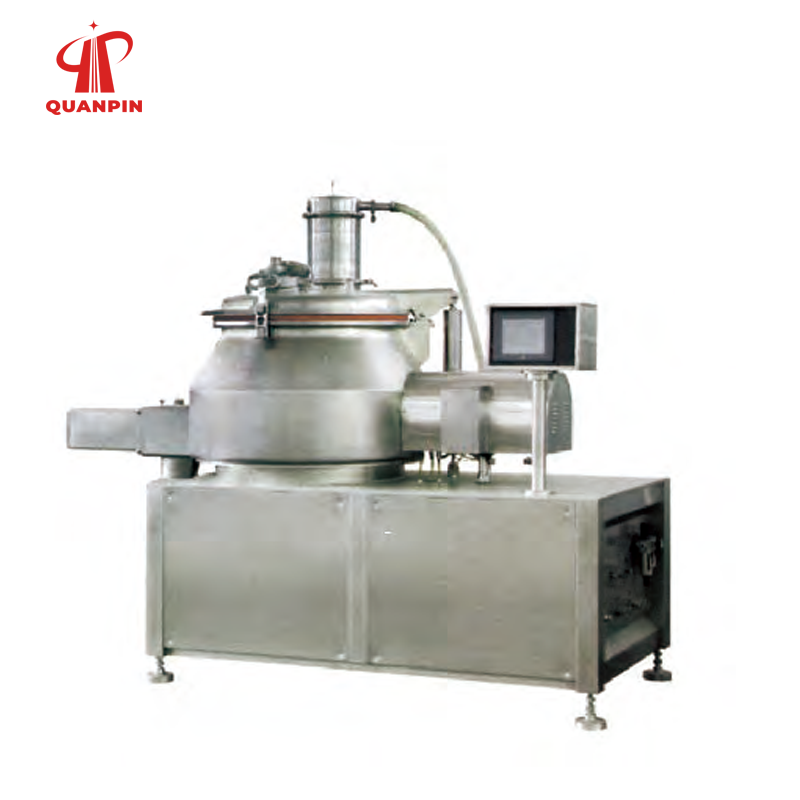
The main impeller distributes material and binder while the chopper acts on wet agglomerates. Feed preparation, addition and mechanical history act together. Compare the proposed high speed mixer granulator arrangement against this material and the documented process stage.
The measured drive signal describes part of that history. Its interpretation must remain connected to the actual formulation and the samples used to evaluate the product.
A Trial Sequence for This Application
Define the endpoint quality objective
Define the granule and downstream dosage attributes that the process stage is intended to support.
Describe charge and binder preparation
Record the powder charge, binder preparation and fitted equipment arrangement. Keep their identities with the recorded signal.
Synchronize signals with process events
Align process events and measurement timestamps so binder addition and wet massing can be distinguished in the trend.
Assess identified material samples
Collect appropriately identified material at the agreed stages and assess it using the specified product methods.
Review the proposed endpoint evidence
Compare signal behavior with the resulting quality evidence before proposing an endpoint strategy or operating range.
Four Observation Boundaries
Before addition, establish the relevant baseline observation and material condition without treating it as a universal zero.
During addition, identify the actual liquid-delivery history rather than interpreting every signal change as an endpoint.
During wet massing, retain the duration and operating events associated with the assessed specimens.
After downstream treatment, connect each product result to its granulation history. Drying and sizing can introduce additional changes.
High-Speed Mixing Granulator Components to Include
Powder charge arrangement
The charge arrangement sets the initial powder condition and working load used in the comparison. For high-speed wet mixer granulator, state which attributes will be tested before and after the operation.
Binder preparation and delivery
The binder preparation and delivery system determine what liquid reaches the mass and when it arrives. A rapid mixer granulator description does not replace the trial evidence for this formulation.
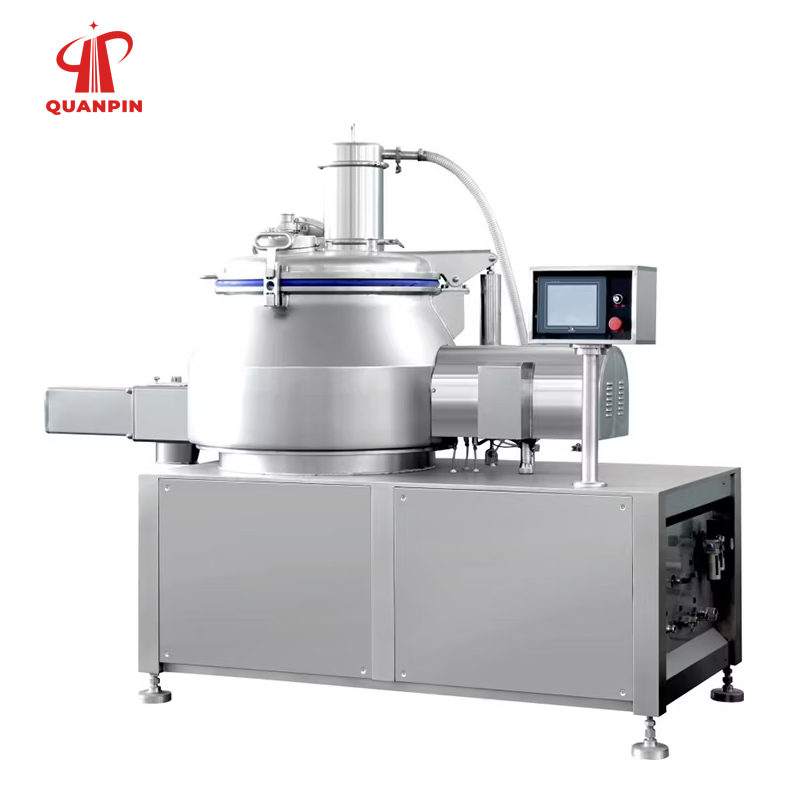
Main mixing impeller
The main impeller creates the demonstrated circulation and mechanical treatment within the vessel.
Side chopper
The chopper provides another material-treatment contribution. Its recorded arrangement belongs with the investigated run. See GEA pharmaceutical granulation for wet granule formation and its process variables.
Drive signal and recording
The drive and signal-recording system need a defined measurement, time basis and applicable checks.
Discharge and sampling route
The discharge and sampling route should preserve the connection between the trend segment and the material evaluated later.
Configuration and Study Choices
Define the Demonstrated Starting Point
A formulation-development comparison may explore signals without yet using them for routine control. Place rapid mixer granulator machine within the complete process boundary, including the next handling step.
A routine endpoint proposal requires evidence for its actual application rather than an attractive trend from one demonstration.
A changed batch load should be reviewed before transferring an instrument threshold directly. See GEA batch granulation reference for interfaces between mixing, granulation and subsequent operations.
Separate the Changed Variable
A changed binder can alter the material response. Preserve its composition and preparation history in the comparison.
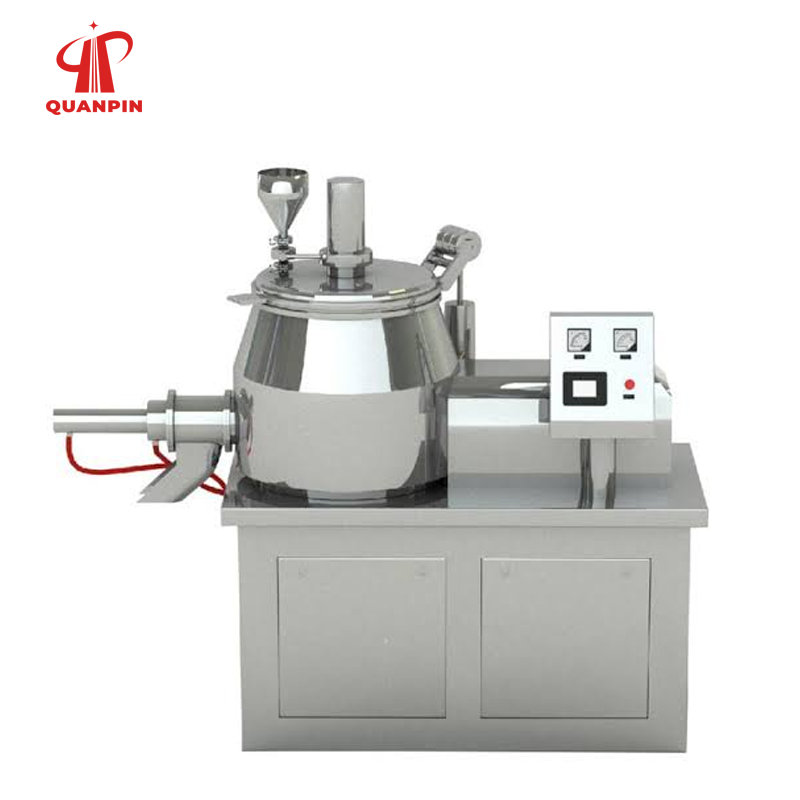
A changed equipment arrangement needs its own assessment because the same display label need not describe equivalent mechanical conditions.
A measured plateau should be investigated in context. It is not automatically proof that all required product attributes have been met.
Review the Complete Process Boundary
A manual observation and a recorded signal can provide different information. State their separate roles and limitations. The granulation assessment should separate process readings from product acceptance tests.
A downstream product test must remain tied to the actual wet material from which it was made. See FDA ICH Q8 pharmaceutical development for product attributes and formulation-specific development.
A control proposal should explain which deviations need review and how product acceptance remains established.
Industry Application and Product Acceptance
The application is pharmaceutical wet granulation in a solid-dose preparation route.
Wet appearance, dried distribution and dosage performance can answer different questions. Select the tests required by the actual development objective.
Use the appropriate quality framework when evaluating a new endpoint strategy. The article does not establish a validated control limit.
Keep evidence from a trial distinct from a claim that the same threshold applies to every formulation or equipment scale.
Benefits and Limits of the Comparison
Time-linked signal and product records make a granulator trial more useful than either a trend or a final sample alone. Specify granulation equipment using the actual preparation history and the required finished material.
Correlation within a demonstrated study does not automatically establish causation or support untested operating conditions.
Variables That Need a Clear Record
Charge mass should remain explicit because the motor is treating the actual material load.
Binder delivery should be traceable because a changed addition history can alter the material trajectory.
Signal acquisition should retain its units and time reference. Unexplained display or processing changes weaken the comparison.
Sampling should identify which point in the run produced the assessed material.
Downstream conditions should remain comparable when the study concerns a granulation-stage change. See FDA process validation guidance for linking process evidence to the demonstrated operating range.
The proposed range should reflect the demonstrated evidence, including atypical runs rather than only the preferred trend.
Safe Operation and Material Handling
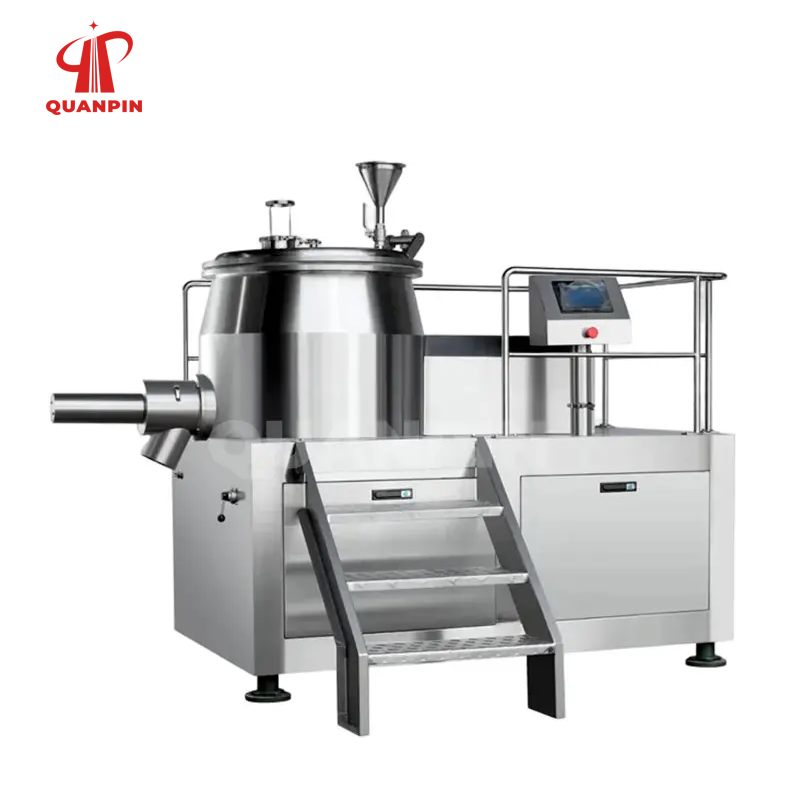
Do not open a running granulator to check wet material or reach near its impeller or chopper. Follow the approved sampling arrangement. See FDA process analytical technology framework for interpretation of process measurements in pharmaceutical development.
Use the manufacturer’s procedures and the formulation-specific hazard review. A useful motor trend is not an equipment protection or product-release certification.
Prepare a Useful Equipment Enquiry
Send QUANPIN the formulation duty, charge basis, binder preparation and the quality attributes the proposed endpoint must support. Review the interface with wet granulation so preparation and final treatment are not confused with the machine’s own duty.
Request a trial plan that synchronizes the signal record, process events and material samples before discussing a numerical control proposal. The granulation line for solid dosage form requirement should retain the material identity, sampling method and downstream acceptance boundary.
Frequently Asked Questions
Where does an endpoint strategy begin?
Start with the required product attribute, then ask whether the chosen signal can provide relevant and repeatable process evidence.
Can every batch use the same motor-load limit?
No. Its meaning depends on the demonstrated formulation, load, equipment and measurement arrangement.
Does a plateau prove acceptable granules?
No. A plateau is an observation to interpret with material evidence, not a universal granule specification.
What changes during scale-up?
Review the complete material and mechanical boundary before transferring any threshold or endpoint strategy.
Which records support the comparison?
Keep the event timeline, signal method, material identities and corresponding wet, dried and downstream product results.
What if the signal and product result disagree?
Investigate the discrepancy. Do not discard product evidence merely because the recorded indication followed its expected pattern.
Discuss Your High-Speed Mixing Granulator Application with QUANPIN
Discuss this application with High-Speed Mixing Granulator specialists at QUANPIN. Share the material specification and the trial question through our contact page.
Email sales@quanpinmachine.com or stacie@quanpinmachine.com. Contact QUANPIN on WhatsApp: +86 15921493205.