Oscillating Granulator: Assess Wet-Granule Handling Before Loading Dryer Trays
By QUANPIN
Wet granules can reach dryer trays in a different condition from the material first leaving an oscillating granulator. Examine the transfer route before treating every dried size change as a granulation effect. The Oscillating Granulator duty should be defined by the prepared mass and the intended granule.
This guide concerns prepared pharmaceutical wet mass processed into granules and then handled for tray loading. It separates formation, transfer and subsequent drying evidence. This application belongs to our pharmaceutical processing industry scope.
When Did the Granule Condition Change?
A transfer assessment asks what happens between two defined observation points. It needs comparable specimens and a record of the actual handling route.
Wet and dried granule observations are not interchangeable. The test method must identify which condition and processing stage it represents.
Equipment Principle and Material History
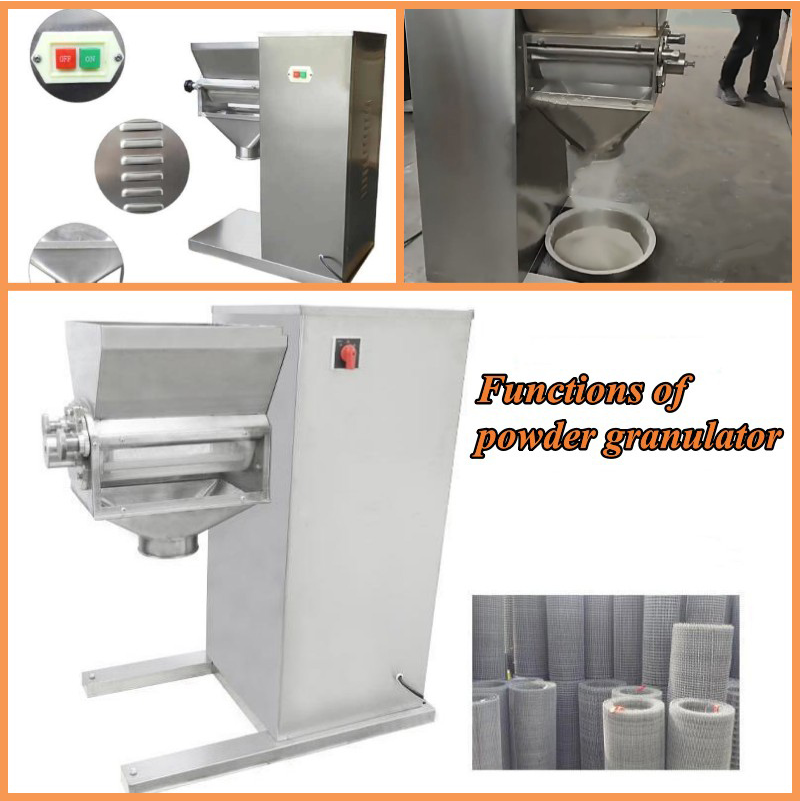
An oscillating working element moves suitable wet mass against a screen. Material that passes forms the wet granule output of the demonstrated arrangement. Compare the proposed pharmaceutical granulator arrangement against this material and the documented process stage.
Collection, carrying, redistribution and tray loading add further handling. Those actions belong to the development history when they can affect the receiving material.
A Trial Sequence for This Application
Define wet-feed preparation
Describe the formulation, wet-mass preparation and fitted screen before collecting a reference granule specimen.
Observe granulator discharge safely
Define safe observation points at discharge and after tray loading. Use methods suitable for comparing the intended attributes at those stages.
Record transfer and holding events
Record collection containers and the actual transfer actions. Include interruptions and any separate material collections.
Map tray-loading conditions
Map the loaded tray identity to the relevant granulation period. Preserve preparation and loading details with the drying record.
Connect wet and dried product evidence
Compare wet-stage observations and final product tests without assuming they describe the same transformation. Investigate the stage where the difference first appears.
Four Observation Boundaries
At wet-mass preparation, record any change in the material supplied to the granulator.
At granulator discharge, identify the specimen before later handling changes its history.
At transfer, document containers and handling events rather than relying on an informal statement that the material was moved normally.
At tray loading, preserve the receiving condition, tray identity and any redistributed or separately collected material.
Oscillating Granulator Components to Include
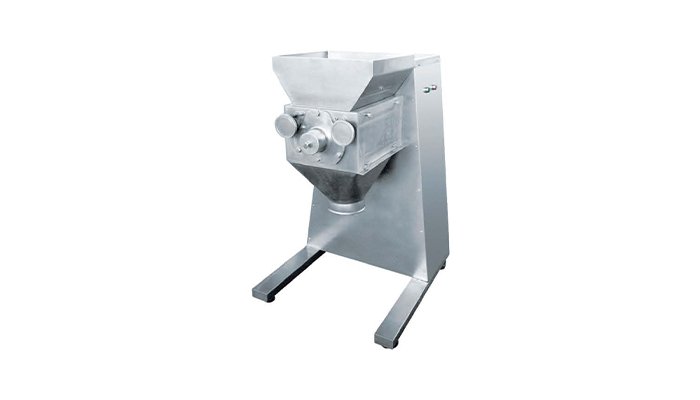
Prepared wet-mass supply
The wet-feed container supplies the material condition that the oscillating element actually encounters. For granulation, state which attributes will be tested before and after the operation.
Oscillating mechanism
The oscillating mechanism performs the screen-related treatment. Its actual inspected arrangement should be recorded. A granulation equipment description does not replace the trial evidence for this formulation.
Fitted screen
The screen defines a passage configuration, not a universal finished-granule distribution or quality guarantee.
Wet-granule discharge
The discharge collection arrangement establishes the first receiving boundary for the wet output. See GEA pharmaceutical granulation for wet granule formation and its process variables.
Transfer and loading tools
The transfer container and loading tools add interfaces that should appear in the product-contact and handling record.
Dryer trays and load records
The dryer trays and their load records connect the received material to the later dried and sized product.
Configuration and Study Choices
Define the Demonstrated Starting Point
A discharge-only assessment should state that later tray handling lies outside its demonstrated boundary. Place Granulator within the complete process boundary, including the next handling step.
A complete route assessment should identify each included transfer and drying stage explicitly.
A comparison of loading methods should retain equivalent granule preparation and relevant drying conditions. See GEA batch granulation reference for interfaces between mixing, granulation and subsequent operations.
Separate the Changed Variable
A comparison of screens should preserve the subsequent transfer route so handling does not become an unrecorded second variable.
A changed receiving container needs its actual material-handling history recorded rather than just its nominal size.
A waiting interval should retain start and end definitions when it is relevant to the material being assessed.
Review the Complete Process Boundary
A tray redistribution step should be visible because the material has undergone another handling action. The wet granulation assessment should separate process readings from product acceptance tests.
A different wet formulation needs review of its response; a prior transfer result is not a universal strength specification. See FDA ICH Q8 pharmaceutical development for product attributes and formulation-specific development.
A scale-up proposal should describe how production trays will be loaded instead of extrapolating from an unusually gentle laboratory route.
Industry Application and Product Acceptance
The application is pharmaceutical wet granulation followed by a defined drying route.
Evaluate the actual wet and dried attributes required by development. A photograph alone cannot establish the full size distribution or formulation function.
Review downstream sizing separately when it is included. Its contribution should not be attributed automatically to the original granulator.
Tie the accepted material to its complete preparation, granulation, transfer and drying history before comparing equipment proposals.
Benefits and Limits of the Comparison
Following the stage boundaries can make a troubleshooting trial more useful by showing when a material difference becomes observable. Specify granulation and drying line using the actual preparation history and the required finished material.
The comparison cannot establish a universal granule strength or acceptable handling intensity without formulation-specific tests.
Variables That Need a Clear Record
Prepared wet-mass consistency should remain visible because a changed feed can produce a changed output before transfer begins.
Screen identity should stay with the samples used to compare the granulation stage.
Observation timing should be comparable so a fresh specimen is not casually compared with one held much longer.
Transfer actions should be described sufficiently to reproduce the demonstrated route.
Tray identity should connect loading observations to the corresponding drying and finished-product results. See FDA process validation guidance for linking process evidence to the demonstrated operating range.
Final distribution should be interpreted with the drying and sizing history rather than as a direct measure of wet formation alone.
Safe Operation and Material Handling
Collect wet material only through an approved arrangement. Do not reach toward an operating oscillating mechanism or clear a screen without isolation. See FDA ICH Q9 quality risk management for risk-based sampling and process review.
Use the formulation-specific handling, cleaning and exposure procedures at every transfer step, including temporary containers and loading tools.
Prepare a Useful Equipment Enquiry
Send QUANPIN the wet-feed description, intended tray-loading route and the product attributes that must survive the included handling. Review the interface with granulation line for solid dosage form so preparation and final treatment are not confused with the machine’s own duty.
Agree on separate discharge, loaded-tray and final-product observations before comparing a proposed granulation and drying scope. The granule drying requirement should retain the material identity, sampling method and downstream acceptance boundary.
Frequently Asked Questions
Where should a granule-handling investigation begin?
Begin by locating the first stage at which the observed difference appears, using traceable material and comparable methods.
Does the final size result measure granulation alone?
No. Wet formation, transfer, drying and later sizing can each contribute to the final distribution.
Can dry tests automatically describe wet granules?
Not by themselves. The method and material state must be suitable for the particular wet-stage comparison.
What transfer details should be retained?
Record each included container, handling event, loading interval and receiving tray identity.
Does a gentle laboratory transfer prove production handling?
Not without reviewing the planned transfer and loading route. Demonstration handling needs to represent the proposed production boundary.
How should the acceptance boundary be stated?
State the granule condition and process stage represented, then identify the later product tests needed for acceptance.
Discuss Your Oscillating Granulator Application with QUANPIN
Discuss this application with Oscillating Granulator specialists at QUANPIN. Share the material specification and the trial question through our contact page.
Email sales@quanpinmachine.com or stacie@quanpinmachine.com. Contact QUANPIN on WhatsApp: +86 15921493205.