Extrusion Granulator: Define Wet-Extrudate Transfer Before Spheronization Trials
By QUANPIN
Extrusion and spheronization are different operations. Define the wet-extrudate transfer between them before interpreting a pharmaceutical pellet-development trial as an extrusion result alone. The Extrusion Granulator duty should be defined by the prepared mass and the intended granule.
The JZL enquiry should identify what leaves the extrusion stage and what the receiving operation requires. A later rounded product cannot be attributed to the extruder without that process boundary. This application belongs to our pharmaceutical processing industry scope.
Where Does Extrusion End and Transfer Begin?
An extrudate is the material formed as prepared feed passes through the selected extrusion openings. Its condition at collection is distinct from its condition after transfer.
Spheronization, where the formulation route includes it, provides a separate treatment. Its equipment and suitability need their own technical review.
Equipment Principle and Material History
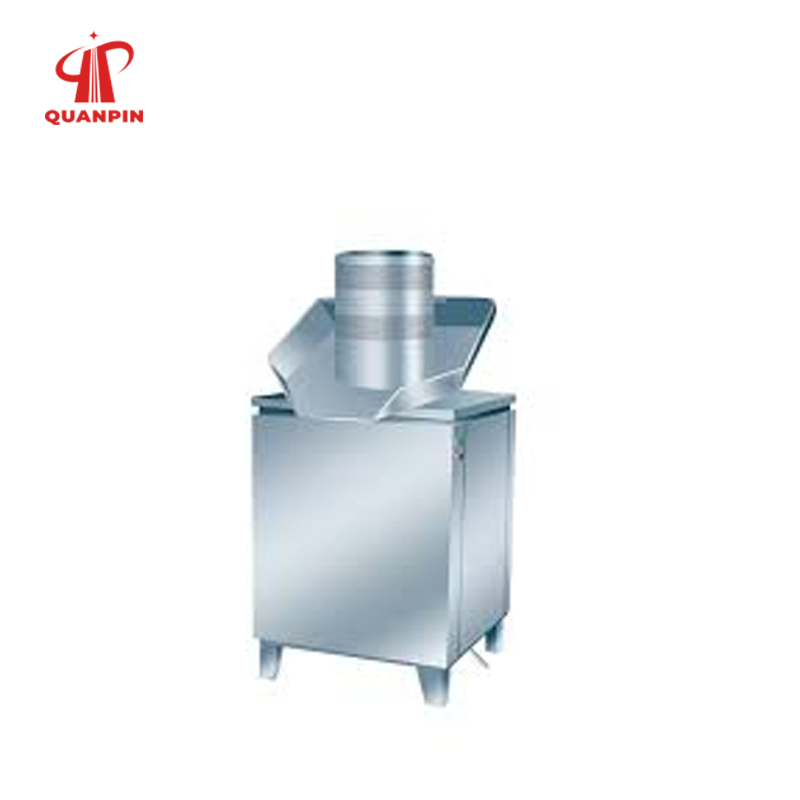
The extrusion granulator presses suitable prepared wet material through its fitted arrangement. Feed consistency and the installed screen or die define the demonstrated duty. Compare the proposed granulation arrangement against this material and the documented process stage.
Collection, waiting and transfer can change how that material reaches the next stage. Record those events instead of assuming the receiving feed is unchanged.
A Trial Sequence for This Application
Define the intended receiving route
State the formulation and the intended extrusion-to-receiving route, including whether spheronization is actually part of development.
Identify prepared feed and extrusion configuration
Identify the fitted extrusion configuration and document prepared wet feed using the agreed material description.
Assess collected extrudate
Collect the extrudate with its time and source identity. Record the physical condition using the specified assessment method.
Track container holding and transfer
Track the receiving container, holding interval and transfer actions. Keep any material loss, breakage or separate collection identifiable.
Evaluate the receiving process separately
Evaluate the next stage under comparable conditions and link its result to the extrudate actually delivered.
Four Observation Boundaries
Before extrusion, preserve preparation history so a changed wet mass is not confused with a transfer effect.
At discharge, distinguish the initial extrudate observation from a specimen examined after it has been handled.
During transfer, document the route and any interruption. A change in receiving time can represent another development variable.
At the next operation, identify the feed condition and relevant settings without assigning its contribution to the extrusion equipment.
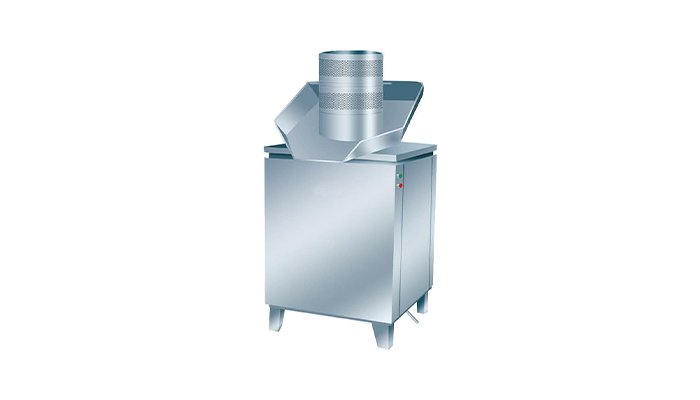
Extrusion Granulator Components to Include
Wet-feed preparation
The wet-feed preparation step supplies the actual formulation being extruded and needs an identified batch boundary. For granulation equipment, state which attributes will be tested before and after the operation.
Feed delivery
The feed delivery arrangement brings that mass to the extrusion mechanism. Its actual scope should be confirmed in the equipment proposal. A Granulator description does not replace the trial evidence for this formulation.
Extrusion screen or die
The fitted screen or die determines the demonstrated passage geometry. Nominal opening size alone does not describe the complete arrangement.
Extrudate discharge and collection
The discharge and collection arrangement determine how the new extrudate first reaches a receiving container. See GEA pharmaceutical granulation for wet granule formation and its process variables.
Transfer components
The transfer components and container create a separate material-handling history that belongs in the trial record.
Separate downstream spheronizer
The downstream spheronizer, if included, is a separate machine with its own defined duty and acceptance evidence.
Configuration and Study Choices
Define the Demonstrated Starting Point
An extrusion-only trial should report the extrudate condition at its agreed collection boundary. Place granulation and drying line within the complete process boundary, including the next handling step.
An integrated trial should state the actual additional stages, rather than implying that they are standard JZL features.
A direct transfer and an intermediate container route should be described separately when comparing outcomes. See GEA batch granulation reference for interfaces between mixing, granulation and subsequent operations.
Separate the Changed Variable
A holding-time comparison should retain feed preparation and receiving treatment so the tested interval remains identifiable.
A changed transfer method should preserve the extrudate collection identity and any separately lost or damaged material.
A changed formulation may require review of both extrusion and the receiving process. A familiar equipment name does not establish compatibility.
Review the Complete Process Boundary
A changed screen or die should retain its complete identity with the associated transfer record. The granulation line for solid dosage form assessment should separate process readings from product acceptance tests.
A scale-up proposal should include the intended handling route. A successful hand-carried specimen may not represent a future production interface. See FDA ICH Q8 pharmaceutical development for product attributes and formulation-specific development.
A final pellet specification should not be relabeled as the extruder’s direct output specification when later treatment creates that product form.
Industry Application and Product Acceptance
The industry is pharmaceutical granule and pellet preparation where a defined wet processing route is under development.
Review extrudate condition separately from the attributes measured after spheronization, drying or sizing.
Use the actual product tests to decide whether the complete route is acceptable. Attractive strand appearance alone is insufficient.
Identify which receiving operations are inside the supplier’s quoted scope and which remain the purchaser’s responsibility.
Benefits and Limits of the Comparison
A clear transfer boundary helps a development team determine whether differences arise before, during or after extrusion. Specify wet granulation using the actual preparation history and the required finished material.
It does not demonstrate that every wet formulation is suitable for spheronization or that every extruder can provide the same feed condition.
Variables That Need a Clear Record
Wet-mass preparation should be comparable when the study is intended to isolate a transfer change.
Screen or die identity should remain tied to the extrudate specimens rather than only the quotation.
Collection timing should identify startup, interruptions and the represented extrusion period.
Container handling should describe the actual contact and exposure conditions during the transfer interval.
Receiving-process conditions should be documented so a downstream change does not disappear into an extrusion conclusion. See FDA process validation guidance for linking process evidence to the demonstrated operating range.
Accepted output should retain the final quality boundary and all excluded material, rather than reporting the wet feed quantity as finished pellets.
Safe Operation and Material Handling
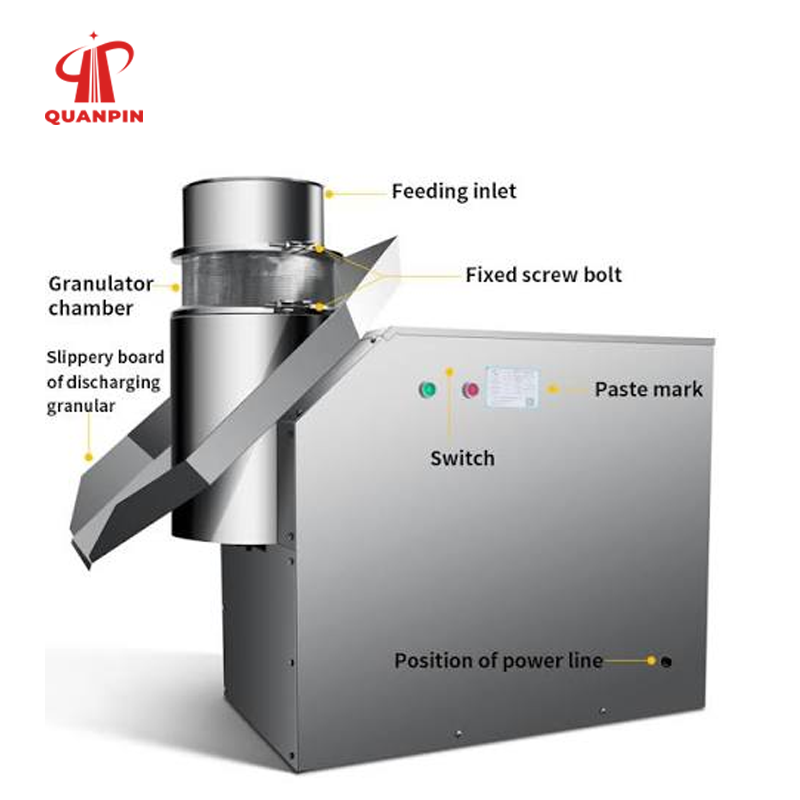
Do not collect material by reaching into an operating extrusion mechanism or clearing a blockage without isolation. See FDA ICH Q9 quality risk management for risk-based sampling and process review.
Apply the formulation’s handling and cleaning requirements throughout transfer. A connected route still needs assessment of charging and receiving interfaces.
Prepare a Useful Equipment Enquiry
Provide QUANPIN with the prepared feed description, intended downstream route and required extrudate condition at transfer. Review the interface with dry/wet powder blender so preparation and final treatment are not confused with the machine’s own duty.
Ask for a scope drawing that separates the extrusion equipment from any container handling, spheronization, drying or finishing duties. The granule drying requirement should retain the material identity, sampling method and downstream acceptance boundary.
Frequently Asked Questions
Where should the transfer review begin?
Begin with the boundary between extruder discharge and the receiving operation, including the actual material history in between.
Does an extruder also perform spheronization?
No. Extrusion creates an extrudate; the proposed spheronization stage is a separate treatment and needs separate review.
Does a hand-transferred sample prove a production interface?
Not automatically. The actual production transfer may introduce a different holding, exposure or handling history.
Which records connect the stages?
Keep the source run, fitted configuration, collection time, container route and corresponding receiving-stage result.
Can every wet formulation use this route?
Do not infer this from mechanical capability. Suitability needs formulation-specific development and acceptance evidence.
How should integrated output be described?
Identify which stage and product boundary the figure describes, distinguishing wet extrudate from accepted downstream pellets.
Discuss Your Extrusion Granulator Application with QUANPIN
Discuss this application with Extrusion Granulator specialists at QUANPIN. Share the material specification and the trial question through our contact page.
Email sales@quanpinmachine.com or stacie@quanpinmachine.com. Contact QUANPIN on WhatsApp: +86 15921493205.