Pharmaceutical Pulverizer Unit: Include Powder Temperature in a Heat-Sensitive Excipient Trial
By QUANPIN
Room-temperature feed does not establish the temperature history of collected powder. A heat-sensitive excipient trial should examine the material at defined points as well as the grinding result. The pulverizer unit duty begins with the required powder rather than an isolated machine setting.
The question is whether the proposed pulverizer arrangement produces acceptable powder across its demonstrated campaign. Temperature evidence supports that review without replacing the required formulation tests. This application belongs to our pharmaceutical processing industry scope.
Which Temperature Observation Matters?
Mechanical treatment and air transport form part of the powder’s processing history. A single room reading describes the surroundings, not every particle.
Define the material attributes that could be affected by exposure before choosing measurement locations. Appearance alone may not reveal the relevant change.
Equipment Principle and Material History
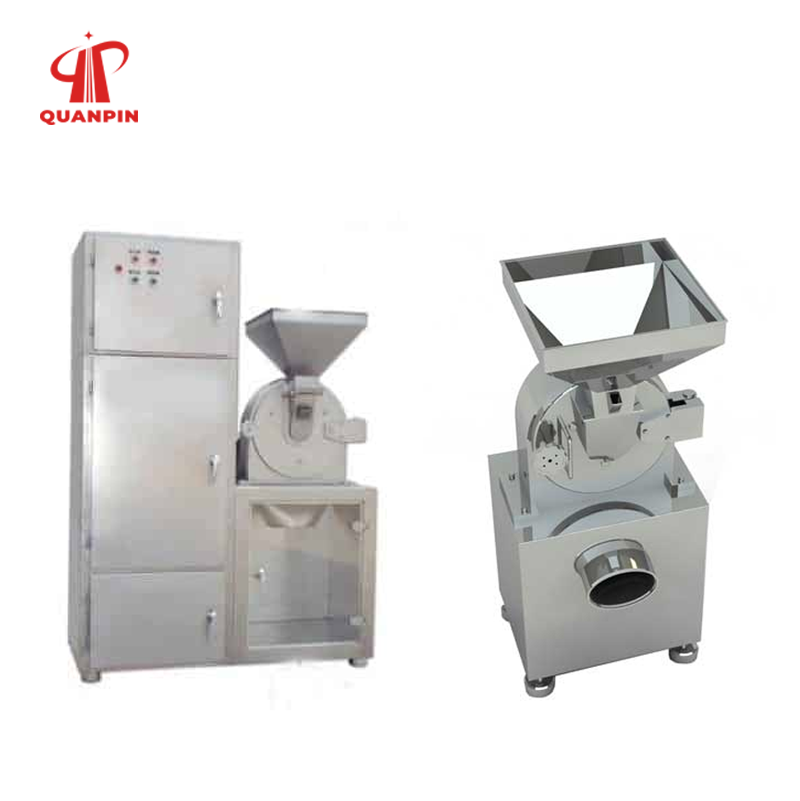
The pulverizer uses a high-speed chamber followed by conveying and collection equipment. Material can be sampled at different stages, each representing a different boundary. In pharmaceutical powder grinding, the feed and product measurement method must be stated together.
A discharge temperature observation must identify its location, timing and method. It cannot automatically describe the maximum exposure inside the chamber.
A Trial Sequence for This Application
Define the sensitive quality attribute
Agree on the excipient quality tests and the intended heat-sensitive duty before running a comparison.
Record incoming material condition
Record feed identity, preparation and incoming condition. Keep the actual feed history with the corresponding collection period.
Choose safe observation points
Select safe temperature observations that can be made through the approved equipment arrangement. State what each observation does and does not represent.
Collect time-linked quality samples
Collect time-linked powder samples for the required size and quality tests. Include periods relevant to the intended campaign rather than only the initial collection.
Review the complete exposure boundary
Review temperature observations alongside accepted powder condition. Do not optimize a temperature reading independently of the product specification.
Four Observation Boundaries
Before startup, establish measurement readiness and the meaning of the incoming material observation.
During grinding, keep operating events and any changed feed delivery linked to the collection timeline.
During recovery, distinguish the collection location from later cooling or storage. Delayed sampling can conceal the condition at discharge.
After packing, assess the attributes required at the purchased receiving boundary. A cooled specimen and an immediate specimen answer different questions.
Pharmaceutical Pulverizer Unit Components to Include
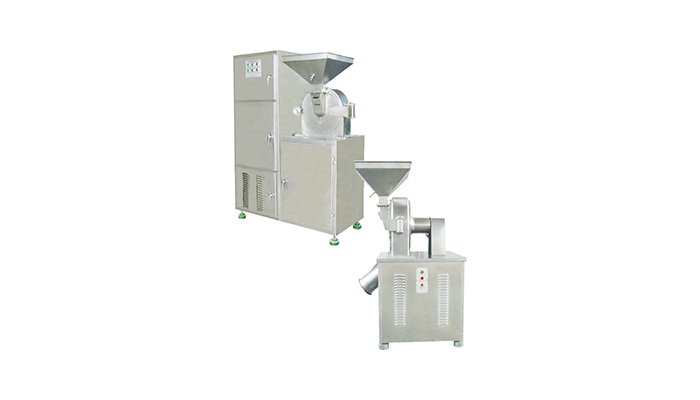
Feed delivery
The feeder determines material delivery into the chamber. A changed delivery pattern should remain visible in a temperature investigation. Evaluate impact milling against the incoming and accepted distributions, with the collection boundary defined.
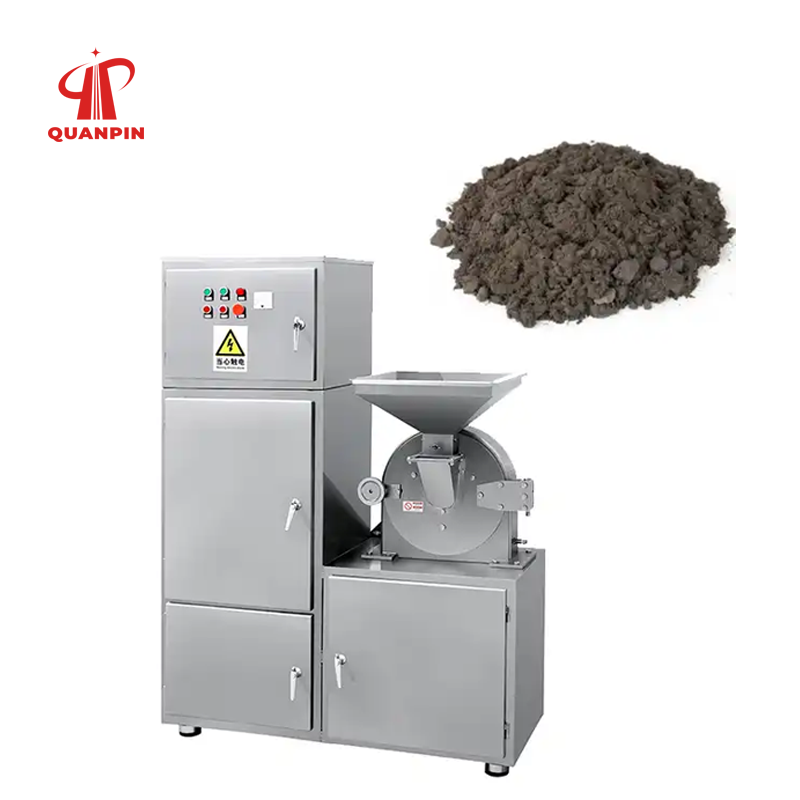
Grinding chamber
The grinding chamber provides the size-reduction treatment. Inspect and document its arrangement under the supplier’s isolation procedure. The powder collection assessment should include retained inventory and separately collected fractions.
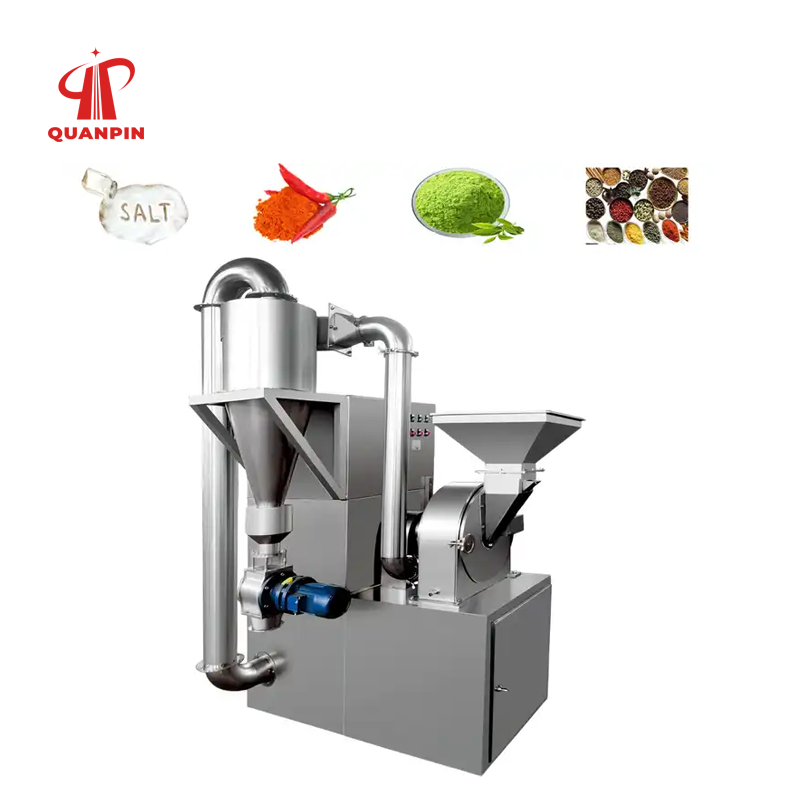
Conveying-air path
The conveying-air path connects chamber and recovery equipment. Its observed condition belongs to the operating record rather than an assumed cooling claim.
Cyclone collection
The cyclone separates a product fraction. Record whether the sampled material came from this outlet or a later combined collection. See Frewitt size reduction and sifting for the distinction between milling and classification.
Bag collection
The bag-collection stage can have a different handling history. Keep its specimens identified when comparing quality across outlets.
Temperature measurement arrangement
The selected temperature instrument needs a suitable method and location. A surface observation should not be relabeled as internal particle temperature.
Configuration and Study Choices
Define the Demonstrated Starting Point
A baseline run should define normal feed and collection conditions before investigating a deliberate change. Downstream dry blending needs powder whose relevant properties remain traceable after size reduction.
A feed-rate comparison should retain the agreed product tests. Nominal processing rate is useful only with acceptable powder.
A changed collection arrangement may change the observation location. Restore a comparable boundary before interpreting a temperature difference. See Fitzpatrick milling and granulation technologies for separating size reduction from agglomeration.
Separate the Changed Variable
A proposed cooling stage needs a defined duty and verification. Do not describe an unconfirmed accessory as standard equipment.
A temperature-sensitive formulation needs tests appropriate to its actual composition and intended use.
A short trial should be reported as a short trial. Extending the campaign may require additional product and operating evidence.
Review the Complete Process Boundary
A multi-outlet system requires an agreed accepted-product boundary. Quality from one cooler fraction should not stand for every fraction. A receiving powder blender is a separate operation; its uniformity cannot be inferred from the mill result alone.
A transfer container should be identified when it changes exposure after collection. Its effect is separate from the grinding chamber. See FDA ICH Q8 pharmaceutical development for product attributes and formulation-specific development.
A revised operating window should retain the reason for change and the associated quality results. A lower reading alone is not acceptance.
Industry Application and Product Acceptance
This duty concerns pharmaceutical excipient powder processing. It does not establish that every active ingredient or biological material can use the same arrangement.
Evaluate the relevant functional attribute after the demonstrated process. Particle size, appearance and composition can require different methods.
Compare accepted powder using the same analytical preparation and the same collection boundary across runs.
Keep any additional downstream blending or granulation outside the pulverizer’s claimed result unless those operations were also assessed.
Benefits and Limits of the Comparison
A documented temperature history can help distinguish process exposure from a later storage or sampling difference. Check whether transfer into the specified powder mixer changes segregation or handling behavior.
Temperature observations have limits: they cannot prove an unmeasured maximum, guarantee stability or replace formulation-specific acceptance.
Variables That Need a Clear Record
Feed temperature should retain its actual measurement point and method. A reading on the container exterior may describe a different condition.
Sample delay should be recorded because powder can exchange heat after it leaves the equipment.
Instrument contact or viewing conditions should be comparable between runs. An unexplained method change weakens the comparison.
Campaign events should remain time-linked, particularly interruptions and restarted collection.
Product testing should address the required excipient function rather than relying on a favorable temperature trend. See FDA process validation guidance for linking process evidence to the demonstrated operating range.
Output should identify accepted material and rejected collections separately. Thermal observations do not resolve an incomplete product balance.
Safe Operation and Material Handling
Do not reach into a running pulverizer or open recovery equipment to obtain a temperature reading. Use approved access and isolation procedures. See FDA ICH Q9 quality risk management for risk-based sampling and process review.
Review dust, hot surfaces and material sensitivity for the actual installation. Neither an exhaust-air reading nor personal protection establishes a complete safety design.
Prepare a Useful Equipment Enquiry
Include the excipient specification, disputed attribute, proposed sampling points and campaign scope in the enquiry. Define the interface with downstream Mixing Equipment rather than treating grinding and blending as one machine duty.
Request an acceptance plan that connects temperature observations to time-linked size and functional tests, with limitations stated explicitly. Where granulation follows milling, assess that later product independently under its own acceptance plan.
Frequently Asked Questions
Where should the temperature review start?
Begin with the required product attribute and the location of the existing observation. Decide which part of the material history needs clarification.
Does discharge temperature equal maximum exposure?
No. Collected powder can change temperature after discharge, and the measured location may not represent chamber exposure.
Is the lowest temperature always the best result?
No. Acceptable distribution, composition and intended excipient function still need to be demonstrated for the chosen conditions.
How should trial output be reported?
Report usable powder over the agreed operating period. Identify any cooling, collection or off-spec material excluded from that figure.
How should a measurement point be selected?
Use a method appropriate to the material and safe equipment access. Do not insert a probe into moving equipment without an approved design.
Can another formulation use the same conclusion?
Only after reviewing the new formulation and its evidence needs. A shared product category is not a universal stability demonstration.
Discuss Your Pharmaceutical Pulverizer Unit Application with QUANPIN
Discuss this application with Pharmaceutical Pulverizer Unit specialists at QUANPIN. Share the material specification and the trial question through our contact page.
Email sales@quanpinmachine.com or stacie@quanpinmachine.com. Contact QUANPIN on WhatsApp: +86 15921493205.