Spray Dryer Nozzle Clogging: Causes, Checks, and Prevention
Spray dryer nozzle clogging can indicate a restriction or change in the feed path, spray drying nozzle passage or atomization conditions. For a pressure nozzle spray dryer, compare feed preparation and nozzle condition with a stable baseline before changing settings. A rotary atomizer spray dryer uses a different atomization arrangement. Stop and follow the equipment-specific safety procedure before inspection; CSB resources on combustible dust hazards explains why combustible powders require a process-specific hazard assessment.
A pressure nozzle turns liquid feed into droplets before they contact drying air. If the nozzle blocks or its spray pattern changes, feed delivery and droplet formation can become inconsistent. This guide gives operators and process engineers a structured way to investigate the cause. It does not replace the nozzle or dryer manufacturer’s maintenance instructions.
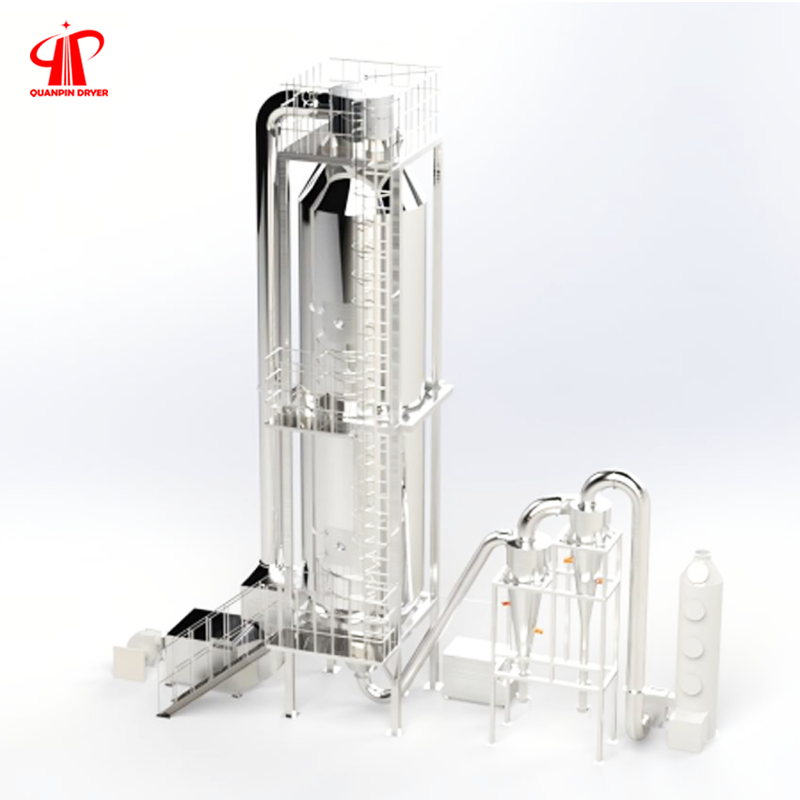
How to Recognize a Nozzle Problem
A blockage may appear as a reduced or fluctuating feed flow, an irregular spray pattern, an unexpected change in pressure, or material buildup near the nozzle. Similar symptoms can also come from a feed pump, filter, valve, leak, worn nozzle component, or a change in feed properties. Confirm the symptom before concluding that the nozzle itself is blocked.
Record when the issue began and whether it followed a batch change, a cleaning cycle, a raw-material change, or a shutdown. Compare the current feed-flow and pressure readings with the process record for a stable run. This helps distinguish a developing restriction from a wider process change.
Common Causes to Check
- Particles or agglomerates in the feed: suspended solids, incompletely dispersed material, or contamination may obstruct a narrow passage. Review feed preparation and the filtration or screening stage specified for the application.
- Feed viscosity or concentration changed: temperature, solids content, or formulation changes can alter how the feed moves through the nozzle. Confirm batch records and use measured values rather than assumptions.
- Dried deposits: residue can accumulate when feed dries at or near the orifice during an interruption or an unsuitable flushing sequence.
- Wear, damage, or incorrect assembly: a damaged or worn insert, seal, or internal component may distort the spray pattern even when the passage is not fully blocked.
- Upstream flow instability: a partially blocked filter, pump issue, closed valve, or air entering the feed line may mimic a nozzle fault.
A Safe Diagnostic Sequence
- Place the dryer in the safe condition required by its operating procedure. Isolate energy and pressure before opening or removing any nozzle assembly.
- Check feed-tank mixing, visible solids, feed temperature and the recorded concentration or viscosity. Confirm that the batch is within its approved process limits.
- Inspect upstream strainers, filters, valves, hoses, and pump readings. Clean or replace upstream components only as the equipment procedure permits.
- Remove and inspect the nozzle according to its manufacturer instructions. Use only the specified cleaning method and tools; improvised metal probes or excessive force can damage a calibrated opening.
- Check nozzle parts for deposits, wear, damage, and correct assembly. Replace suspect parts with approved components rather than trying to enlarge or reshape the opening.
- After reassembly, verify sealing and the spray pattern using the approved start-up procedure. Record the conditions and compare them with the validated baseline.
Preventing Repeat Blockages
Prevention starts with stable feed preparation and a cleaning method suited to the actual material. Set filtration, recirculation, flushing, and shutdown practices from the process and nozzle requirements; there is no universal mesh size or cleaning interval for every feed. Keep a short log of feed batch, solids or viscosity checks, filter condition, nozzle inspection, and the symptom observed.
A pressure nozzle is only one atomization option. Feed behavior, required production rate, powder properties, and process configuration determine whether a pressure-nozzle or rotary-atomizer system should be evaluated. See QUANPIN’s Pressure Spray Dryer and Centrifugal Spray Dryer pages for the equipment options offered; final selection requires application data.
Record Symptoms Before Changing the Nozzle
| Observation | Record for comparison | Question to investigate |
|---|---|---|
| Flow or pressure fluctuates | Feed batch, pump readings and filter condition | Did the change begin upstream? |
| Clogging returns after cleaning | Recurrence time, deposit appearance and feed preparation | Is feed outside the specified solids or viscosity limits? |
| Pattern stays uneven after cleaning | Nozzle identification, assembly and inspected wear | Does an approved replacement restore the baseline? |
Use observations from approved inspection procedures. Symptoms do not by themselves justify changing nozzle size or process temperature.
When to Contact the Equipment Supplier
Ask the dryer or nozzle supplier to review the issue if blockages return after cleaning, the spray pattern remains unstable, parts show wear, or the feed has changed materially. Provide the nozzle identification, feed composition and measured properties, operating records, filter details, and a description of the cleaning performed. Do not bypass interlocks or continue operation with an abnormal spray pattern.
For equipment-specific review, contact QUANPIN with the feed, target product, and operating information available to your team.