Vacuum Freeze Dryer: Evaluate Dried Fruit Color Under a Consistent Inspection Method
By QUANPIN
Dried fruit color can appear different under different lighting or sample presentations. Define an inspection method before treating a photograph as evidence of a freeze-drying improvement. A Vacuum Freeze Dryer should be evaluated against the intended fruit ingredient use.
The application is a specified freeze-dried fruit ingredient. The relevant color and appearance requirements depend on the actual fruit, preparation and intended food use. See the matching food industry applications.
How Should Dried-Fruit Appearance Be Compared?
Keep the fruit identity, preparation and sample presentation comparable when evaluating a proposed process change.
Use an identified visual or instrumental method appropriate to the food specification; a casual image does not establish every color attribute.
Equipment Principle and Material Requirements
Vacuum freeze drying removes ice by sublimation under reduced pressure, with subsequent treatment as required for the specified dried ingredient. Specify the fruit preparation and load when enquiring about a Vacuum Freeze Dryer Machine.
The fruit’s incoming condition and full processing history remain relevant when interpreting its appearance after drying.
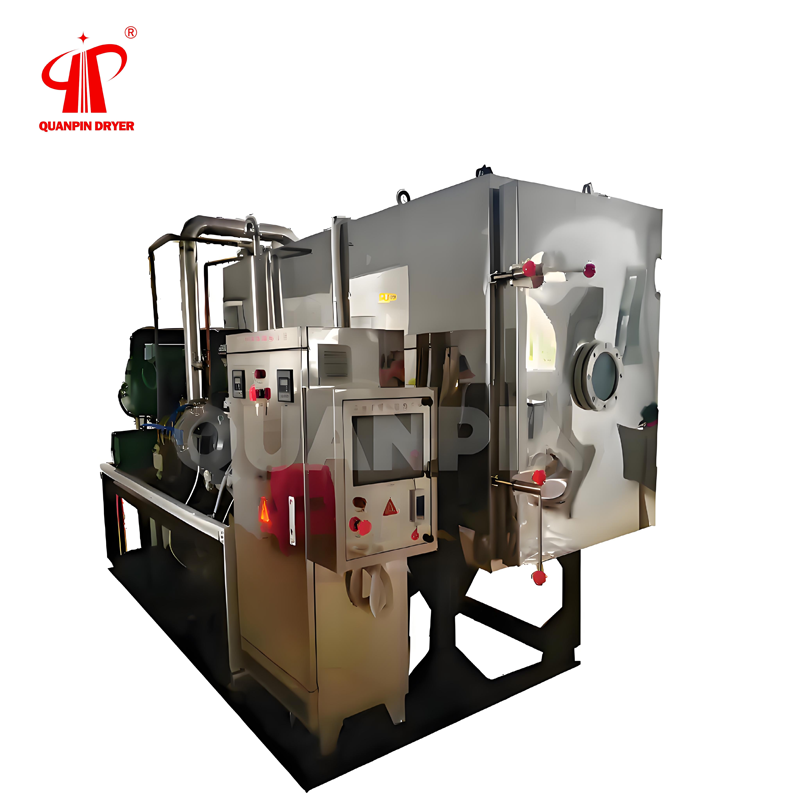
Five Steps for the Application Study
Identify the prepared fruit
Identify the fruit batch and the preparation that determines the pieces being compared.
Link the drying treatment
Record the freezing, loading and drying treatment represented by the samples.
Define inspection conditions
Define the inspection conditions and any instrumental preparation used for the comparison.
Assess the relevant food attributes
Evaluate relevant dried-food attributes alongside the stated color observation.
Preserve exposure history
Preserve packaging and exposure history when samples are inspected at different times.
Four Process Boundaries to Record
Fruit input: retain variety and preparation information needed to explain the comparison.
Process record: link samples to the demonstrated loading and drying history.
Observation: state lighting, presentation or the identified measurement method as applicable.
Use requirement: judge the result against the intended food specification, not a generic brighter-is-better claim.
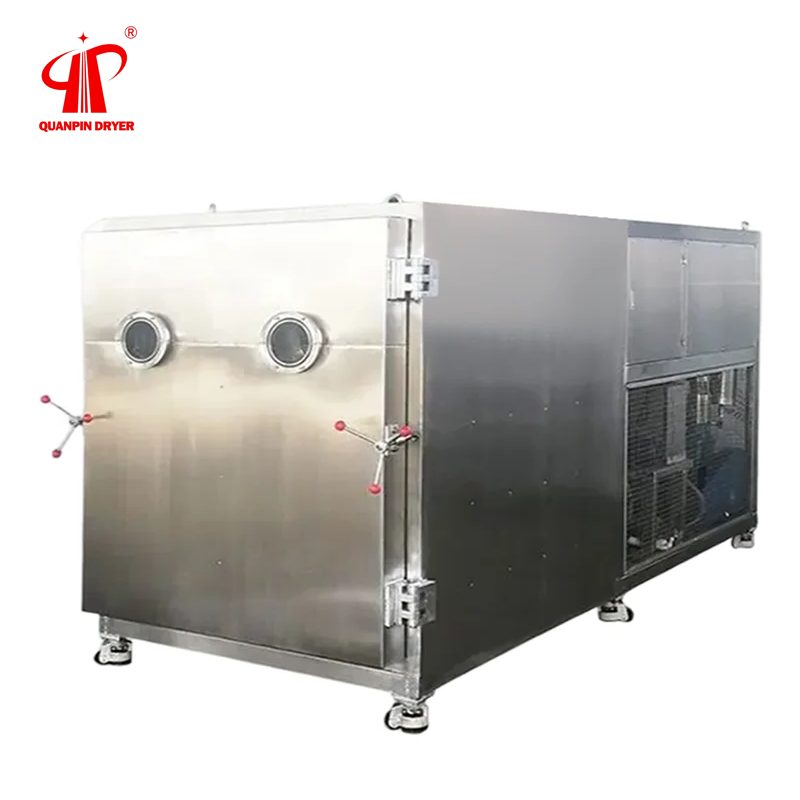
Vacuum Freeze Dryer Components and Interfaces
Formulation and freezing
The preparation stage defines which fruit pieces enter the identified drying load. A vacuum freeze drying machine needs a defined frozen-product duty rather than an unspecified food load.
Shelf and tray arrangement
The loading arrangement should preserve relevant location and sample identities under the agreed plan. A food vacuum freeze dryer should be judged by the required ingredient tests, not a generic low-temperature claim.
Thermal system
The chamber provides the reduced-pressure process environment for the specified frozen material.
Vacuum chamber
Thermal and vacuum services contribute to the actual treatment and require their supplied operating procedures.
Condenser and vacuum supply
Unloading and protected handling define exposure before inspection or packing.
Unloading and protected packing
The inspection arrangement determines how the appearance evidence is collected and reported.
Comparison Choices and Process Interfaces
Define the Reference Basis
Compare equivalent fruit forms when the study is intended to evaluate a process change. Food vacuum drying includes other routes; the present comparison concerns ice removal by sublimation.
Different cuts or incoming fruit conditions can change the appearance being assessed.
Do not attribute those differences automatically to the drying equipment.
Keep the Comparison Interpretable
Use consistent lighting and presentation where a defined visual comparison is part of acceptance.
For instrumental results, retain the method and specimen preparation rather than comparing unexplained readings.
A photograph can support documentation without replacing the required product method.
Assess the Receiving Process
Assess crispness, rehydration or other intended-use properties separately where they belong to the food specification. An industrial vacuum dryer description does not by itself establish a freeze-drying configuration.
The preferred visual appearance does not establish every relevant storage or safety attribute.
Retain the inspection timing and packaging conditions with the food sample record. Water activity describes a property different from total moisture content. See FDA water activity background.
Industry Application and Acceptance
Fruit and vegetable ingredient processing provides the matching food-industry application. Food hazard analysis and relevant preventive controls are separate from demonstrating a preferred ingredient appearance. See FDA preventive controls for human food.
The agreed product description determines which appearance attributes and associated tests matter. Food equipment and processing need appropriate hygiene controls. See FDA food manufacturing practices.
Moisture protection and appropriate food handling remain important before and after inspection. Include relevant sanitation and handling requirements in the food-process review. See FDA sanitation and transportation resources.
A changed fruit preparation or intended customer use can require review of the established comparison method.
Benefits and Practical Limits
A consistent inspection basis makes appearance observations more interpretable when comparing dried-fruit development samples. This frozen-product route differs from other low-temperature vacuum drying arrangements.
It does not establish retained nutrients, commercial shelf life or a universal color outcome for every fruit.
Six Details That Affect the Result
Preserve incoming fruit identity and relevant preparation details with the inspection record.
Identify whether the compared specimens represent the same fruit form and sample stage.
Use the documented lighting or instrument conditions for the defined comparison.
Keep appearance observations distinct from moisture and water-activity measurements.
Record handling or package exposure before each inspection.
Retain unfavorable as well as favorable specimens relevant to the study’s sampling plan.
Safety and Operating Requirements
Use the supplied procedures for refrigeration, vacuum, thermal systems and chamber access.
Food hygiene and cleaning controls require their own assessment regardless of the preferred appearance result. Protect dried fruit ingredients from moisture uptake during handling and packing. See FAO dried fruit and vegetable handling guidance.
Prepare Your Equipment Enquiry
Provide QUANPIN with the prepared fruit, intended use and the appearance and quality methods required for the trial. Heat-sensitive material drying requires a product-specific assessment; a cool process description cannot establish retained quality.
Ask for a representative drying load and protected sample-handling scope rather than relying on an unrelated product photograph.
Frequently Asked Questions
Can a photograph establish every color requirement?
It can support documentation, but it does not automatically replace the required visual or instrumental product method.
Can incoming fruit affect the comparison?
Yes. Identify relevant incoming and preparation differences before assigning a cause to the dryer.
Is a brighter appearance always acceptable?
No. Acceptability depends on the actual fruit ingredient and intended use.
Does appearance replace moisture testing?
No. These attributes require their appropriate separate methods where specified.
Does sample exposure before inspection matter?
Record sample timing and protection conditions so the comparison remains interpretable.
What fruit-inspection information should be supplied?
Share the actual fruit and inspection requirements so QUANPIN can review a defined freeze-drying application.
Discuss Your Vacuum Freeze Dryer Application with QUANPIN
Discuss your application with Vacuum Freeze Dryer specialists at QUANPIN. Use the enquiry below or our contact page.
Email sales@quanpinmachine.com or stacie@quanpinmachine.com. Call +86 19850785582, or contact us on WhatsApp: +86 15921493205.