Rotating Flash Dryer: Define Pigment Product-Temperature Evidence During a Drying Trial
By QUANPIN
An inlet-air temperature reading is not a direct record of every pigment particle’s thermal history. Define the temperature evidence and application tests before accepting a heat-sensitive pigment drying duty. A spin flash dryer trial must connect feed dispersion with the required pigment application.
The application is a compatible pigment wet cake processed through a specified rotating flash drying arrangement. This guide does not assign a universal permissible product temperature. See the matching chemical industry applications.
What Does Each Pigment Drying Temperature Measurement Represent?
Identify what each temperature measurement represents, including its location, timing and method.
Interpret those measurements with feed condition, operating history and pigment-quality results rather than using a single gas reading as complete product evidence.
Equipment Principle and Material Requirements
The dryer disperses incoming material and brings it into contact with heated gas while moisture is removed.
Gas conditions, wet material response and subsequent particle history are related but are not interchangeable measurements.
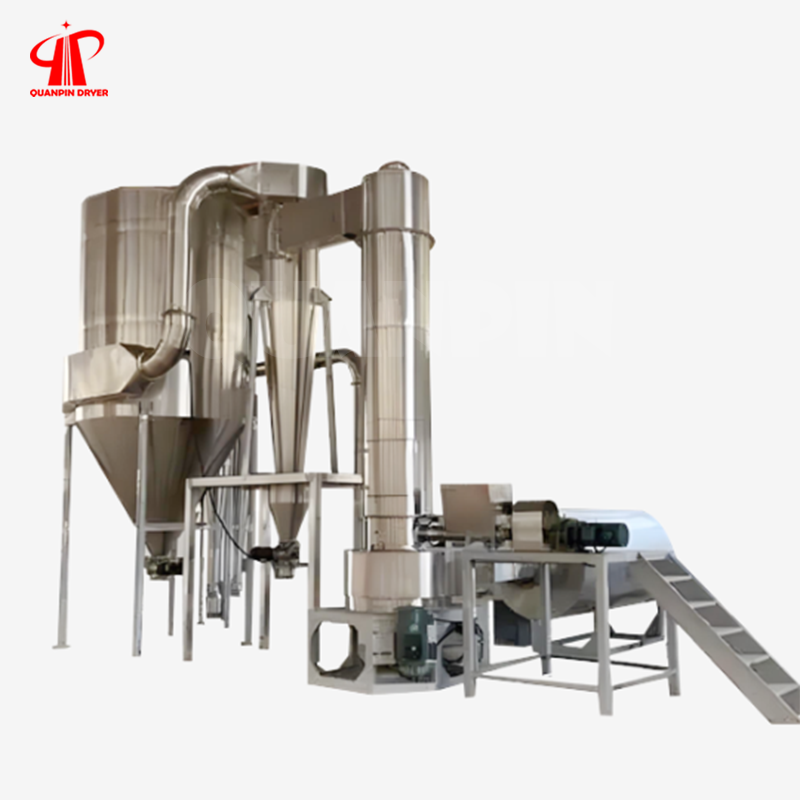
Five Steps for the Application Study
Identify pigment and thermal concerns
Identify the pigment chemistry, wet-cake condition and relevant product-quality requirements.
Map temperature measurement points
Record measurement locations and distinguish process-gas readings from product measurements where available and justified.
Preserve actual trial events
Run the agreed trial with actual feed and operating events retained.
Test recovered application quality
Test recovered pigment using the specified moisture, dispersion and application methods.
Review the demonstrated operating scope
Review the demonstrated thermal and product evidence before extending the proposed operating range.
Four Process Boundaries to Record
Feed: preserve the incoming material and moisture basis with its operating record.
Gas measurement: identify the actual location and interpretation of each reading.
Product evidence: state the method and collection represented by any product-temperature observation.
Application: evaluate the pigment in its intended formulation instead of inferring quality from temperature alone.
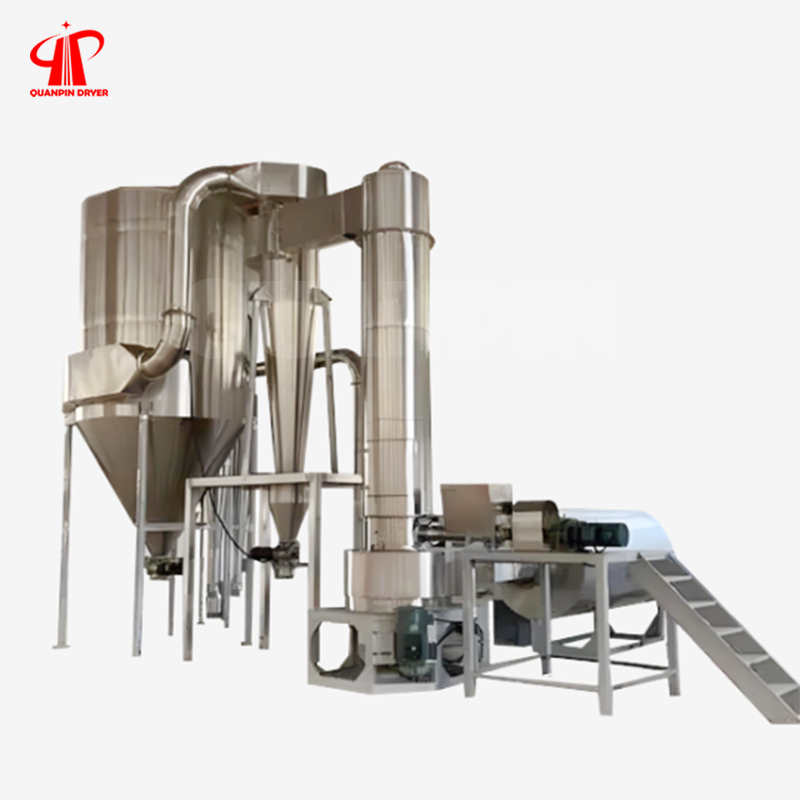
Rotating Flash Dryer Components and Interfaces
Wet cake feeder
The feed arrangement presents the actual wet cake to the mechanical and gas-contact stages. Compare spin flash dryer price quotations on the same feed preparation, recovery and installation boundary.
Rotating dispersion system
The breakup section contributes material dispersion and needs its actual configuration recorded. Do not treat this wet-cake trial as evidence for every slurry drying duty; feed form and delivery must match.
Drying chamber
The chamber and gas path establish the process context for the measured conditions.
Gas heating and transport
The heating and gas-handling system should identify relevant measurement points and control responsibilities.
Powder recovery
Collectors and discharge connections define which pigment fractions are sampled after drying.
Discharge and application sampling
The measurement record should preserve sensor location, method and event timing with the corresponding material observations.
Comparison Choices and Process Interfaces
Define the Reference Basis
A gas reading can describe its measurement point without establishing the temperature of every particle. The powder drying result must include the intended coating, ink or polymer preparation method.
Any proposed product-temperature method should be assessed for what it actually measures under the trial conditions.
Do not report an unmeasured particle history as though it were directly observed.
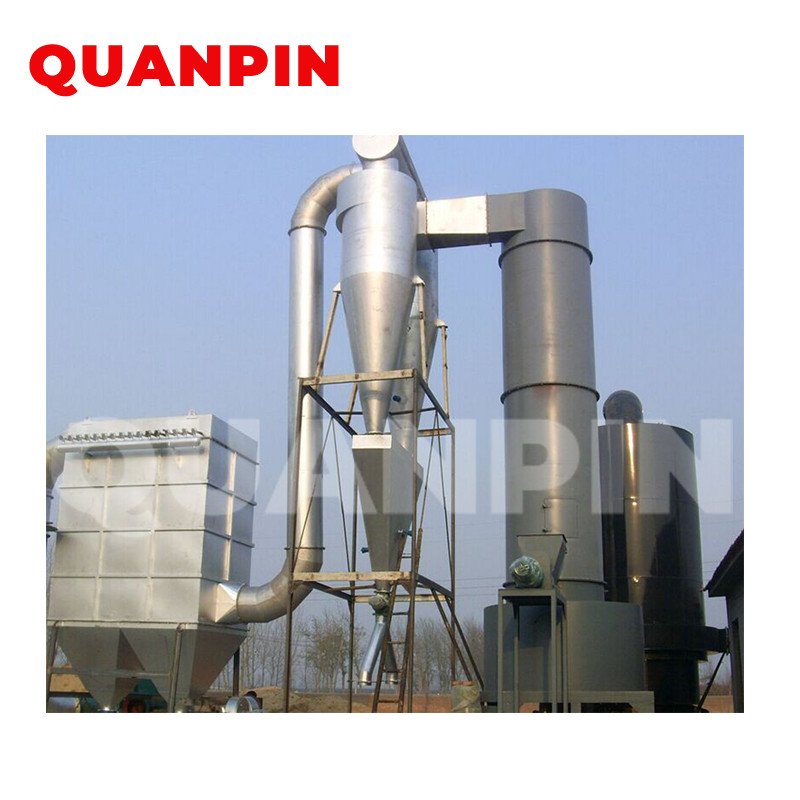
Keep the Comparison Interpretable
When comparing conditions, keep pigment identity, feed preparation and the required application tests interpretable together.
A changed wet-cake condition can change the process response and needs its own record.
Retain that change rather than attributing every difference to an inlet setting.
Assess the Receiving Process
Use a defined dispersion and color method where those attributes determine acceptance in a coating or other application. For chemical powder drying, a low moisture result and a satisfactory application result are separate acceptance questions.
Keep moisture acceptance distinct from evidence of application quality or chemical stability.
Review workplace dust and exhaust requirements separately from the selected product-temperature and quality observations.
Industry Application and Acceptance
Dyes and pigments provide the matching chemical-industry application for this drying study. Review the actual material hazard information before defining the pigment duty. See HSE safety data sheets.
The actual material safety information and chemistry are necessary inputs to process and installation review. Keep chemical classification, labels and material safety information appropriate to the actual pigment. See HSE chemical classification resources.
Product-specific thermal concerns should be identified by the responsible technical team using appropriate evidence. Identify potentially applicable site requirements independently from powder-quality acceptance. See EPA chemical-production emissions resources.
The equipment trial should state which material and operating range its temperature and application observations represent.
Benefits and Practical Limits
A defined measurement basis prevents a general gas-temperature statement from being mistaken for complete pigment-product evidence. Compare Industrial drying equipment using the same prepared feed and finished-product test.
It does not establish a universal safe temperature, guaranteed color retention or an unmeasured thermal history.
Six Details That Affect the Result
Keep temperature units and measurement locations with every recorded value.
Record whether observations describe gas, an accessible product sample or another explicitly identified location.
Retain feed events and interruptions with the affected collection intervals.
Compare application samples using the same justified preparation and test methods.
Investigate an unexpected thermal or quality trend before widening the demonstrated operating range.
State the unresolved evidence instead of substituting a nominal residence-time or inlet-temperature claim. Workplace extraction needs its own design and assessment. See HSE local exhaust ventilation resources.
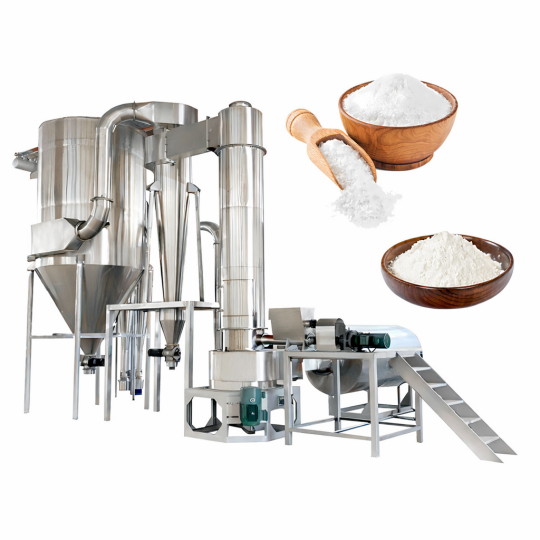
Safety and Operating Requirements
Use supplied procedures for hot gas, moving breakup components, isolation and collector access.
Qualified specialists should assess the actual pigment’s exposure, dust and process hazards independently from a favorable quality result. Assess relevant combustible-dust hazards using the actual pigment and process. See HSE dangerous substances and combustible dust guidance.
Prepare Your Equipment Enquiry
Send QUANPIN the pigment identity, thermal concerns, feed condition and required temperature and application evidence. Ask a Spin Flash Dryer Manufacturer to document the demonstrated material range, not just nominal throughput.
Ask the proposed trial to identify measurement scope, collection points and unverified assumptions about the material’s thermal history. A spin flash dryer supplier enquiry should include the pigment recipe test, collection boundary and real utility constraints.
Frequently Asked Questions
Does inlet temperature describe every particle?
No. An inlet reading represents its gas measurement location, not every particle’s history.
How should a product-temperature observation be reported?
Use an appropriate defined method and state its actual scope and limits.
Does a favorable temperature prove pigment quality?
No. The required pigment application tests remain separate acceptance questions.
Can feed condition matter to the comparison?
Yes. Retain the relevant incoming condition with the thermal and operating records.
Does the trial establish dust or emissions protection?
No. These require their own site- and material-specific assessment.
What pigment measurement information does QUANPIN need?
Share the actual pigment and measurement requirements so QUANPIN can review a representative drying duty.
Discuss Your Rotating Flash Dryer Application with QUANPIN
Discuss your application with Rotating Flash Dryer specialists at QUANPIN. Use the enquiry below or our contact page.
Email sales@quanpinmachine.com or stacie@quanpinmachine.com. Call +86 19850785582, or contact us on WhatsApp: +86 15921493205.