Vacuum Freeze Dryer: Define Fruit Ingredient Rehydration Tests for the Intended Use
By QUANPIN
A freeze-dried fruit intended as a crisp inclusion has a different acceptance question from an ingredient meant to soften in a beverage or food preparation. Define the intended use before comparing rehydration results. A Vacuum Freeze Dryer should be evaluated against the intended fruit ingredient use.
The focus is a frozen-fruit vacuum freeze-drying route. Rehydration behavior should be assessed alongside the required dried ingredient condition. See the matching food industry applications.
What Should a Fruit Rehydration Test Represent?
Specify the fruit form, preparation and rehydration method before comparing batches. Water conditions, specimen size and observation time can change what a test represents.
Do not use one favorable result to claim that every fruit shape or recipe will rehydrate in the same way.
Equipment Principle and Material Requirements
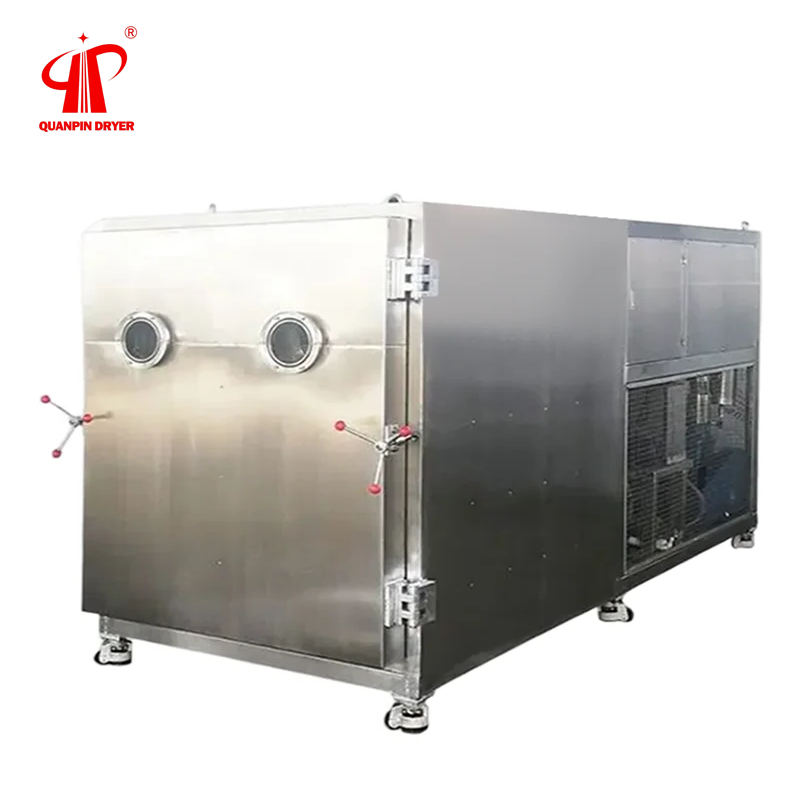
Freeze drying removes ice by sublimation under reduced pressure, followed by the further drying required for the specified material. Specify the fruit preparation and load when enquiring about a Vacuum Freeze Dryer Machine.
Fruit structure and its processing history influence the resulting ingredient; the equipment name alone cannot establish texture or rehydration performance.
Five Steps for the Application Study
Define the prepared fruit
Identify the fruit variety, piece geometry and preparation included in the trial.
Preserve drying-load history
Record freezing, loading and the actual drying history represented by each sampled batch.
Specify rehydration conditions
Define the rehydration medium, preparation conditions and observation method.
Assess intended-use attributes
Evaluate the dried and rehydrated attributes relevant to the intended food use.
Record protection before testing
Keep packing and storage exposure with the sample record when comparing material tested at different times.
Four Process Boundaries to Record
Fruit input: preserve piece form and preparation history rather than comparing unrelated cuts.
Drying load: identify the batch and sampled locations under the agreed plan.
Rehydration method: state how the food ingredient is prepared for observation.
Use condition: judge the result against the intended food application rather than a generic softness claim.
Vacuum Freeze Dryer Components and Interfaces
Formulation and freezing
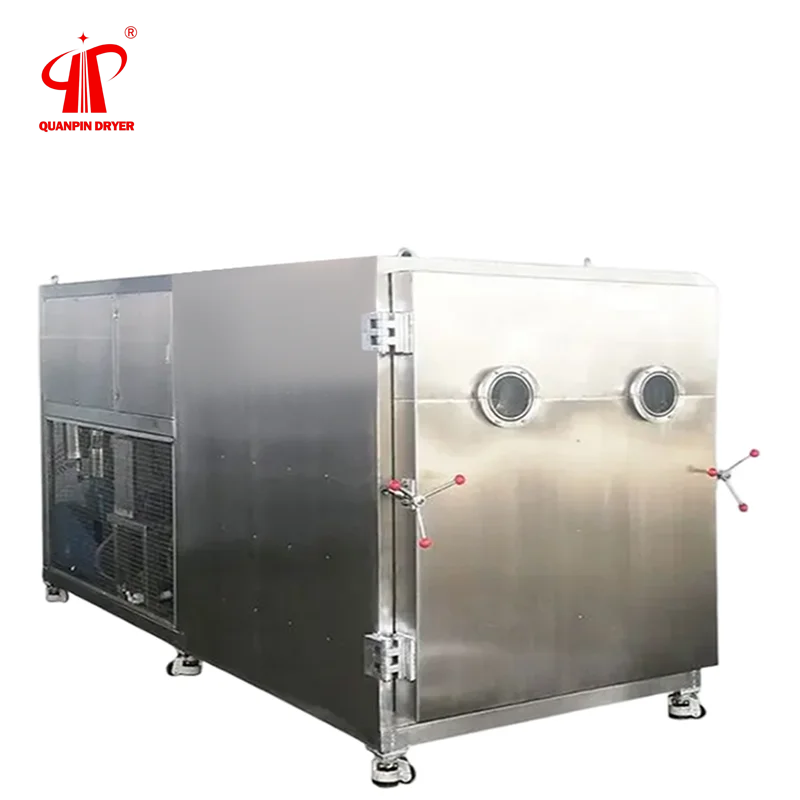
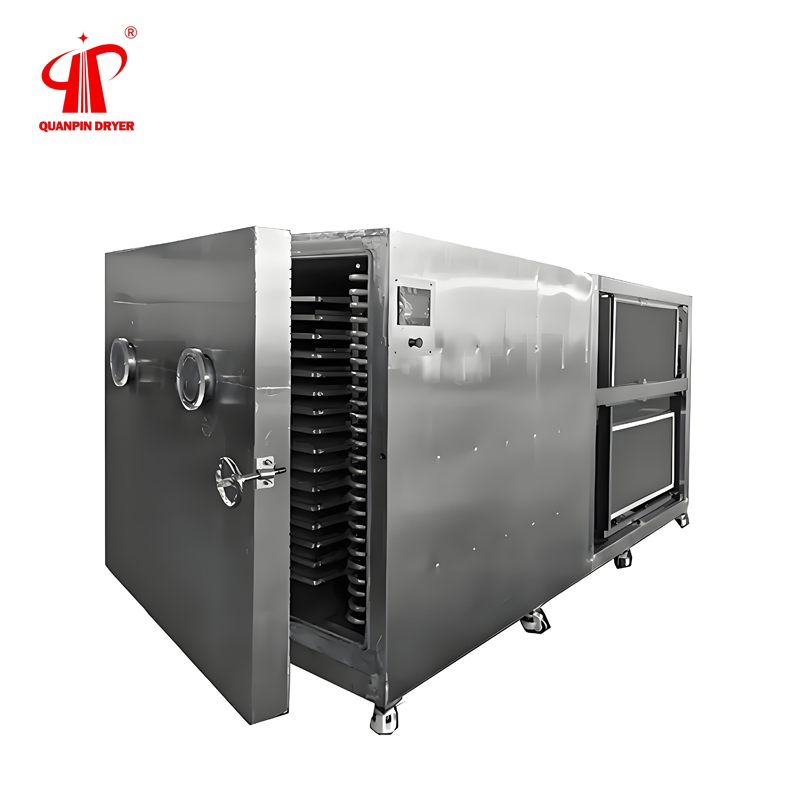
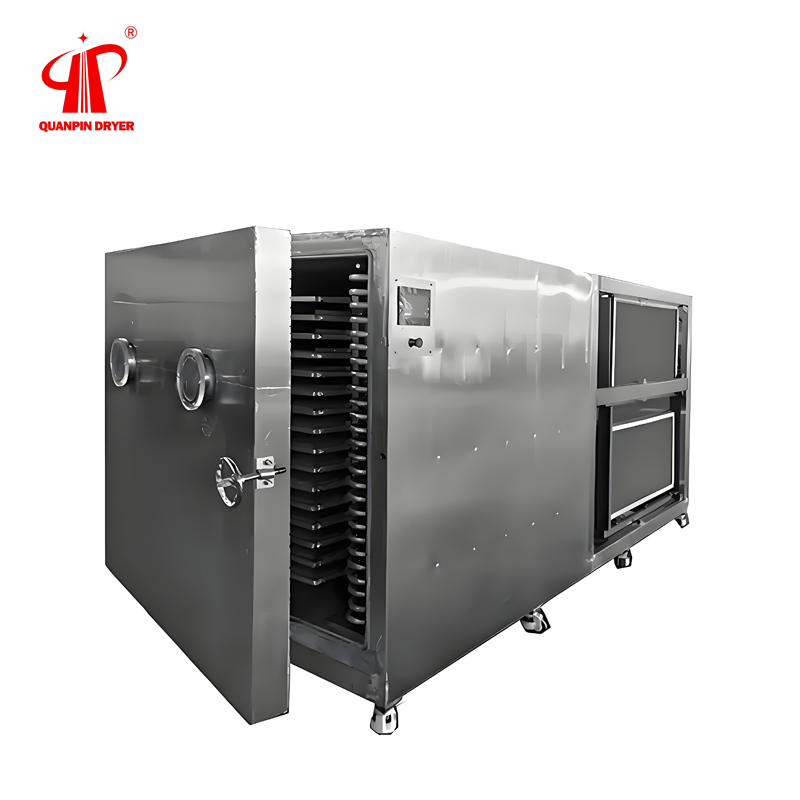
The loading arrangement should suit the prepared fruit and provide a defined location record for samples. A vacuum freeze drying machine needs a defined frozen-product duty rather than an unspecified food load.
Shelf and tray arrangement
The chamber provides the reduced-pressure process environment and requires its specified operating procedure. A food vacuum freeze dryer should be judged by the required ingredient tests, not a generic low-temperature claim.
Thermal system
The thermal system contributes the controlled process conditions; reported settings are not automatically the temperature history of every piece.
Vacuum chamber
The vapor collection arrangement and vacuum services must match the actual proposed drying duty.
Condenser and vacuum supply
Unloading and protected handling affect exposure before packing or testing.
Unloading and protected packing
The analytical and food-preparation methods define how the dried ingredient and its later use will be assessed.
Comparison Choices and Process Interfaces
Define the Reference Basis
For a beverage inclusion, define the actual liquid and preparation conditions intended for the product. Food vacuum drying includes other routes; the present comparison concerns ice removal by sublimation.
For a culinary ingredient, specify the preparation or cooking context the trial is meant to represent.
A crisp snack has a separate quality objective and should not be judged solely by rapid softening in water.
Keep the Comparison Interpretable
Compare the same fruit form when investigating a change in the drying route.
If piece thickness changes, acknowledge that change rather than treating it as equipment variation alone.
Keep any pretreatment and composition differences visible in the development record.
Assess the Receiving Process
Assess dried moisture and water activity where relevant to the specified food, using appropriate separate methods. An industrial vacuum dryer description does not by itself establish a freeze-drying configuration.
Record package exposure before testing so an opened laboratory sample is not confused with protected product.
An application test should complement, rather than replace, the appropriate food safety and storage assessment. Water activity describes a property different from total moisture content. See FDA water activity background.
Industry Application and Acceptance
Fruit and vegetable ingredients provide the matching food-industry application for this study. Food hazard analysis and relevant preventive controls are separate from demonstrating a preferred ingredient appearance. See FDA preventive controls for human food.
The food specification should identify relevant color, structure, moisture and intended-use characteristics. Food equipment and processing need appropriate hygiene controls. See FDA food manufacturing practices.
Hygienic preparation and protected handling remain important even when the study’s principal question is rehydration. Include relevant sanitation and handling requirements in the food-process review. See FDA sanitation and transportation resources.
Changes in fruit preparation or customer use can require a new interpretation of the existing development results.
Benefits and Practical Limits
A defined rehydration test makes fruit ingredient comparisons relevant to the actual customer preparation. This frozen-product route differs from other low-temperature vacuum drying arrangements.
It cannot establish preserved nutrients, commercial shelf life or a universal drying schedule without the necessary evidence.
Six Details That Affect the Result
Keep fruit identity and cutting history with the drying record.
State whether tested specimens were whole pieces or altered before preparation.
Record the method and timing of the rehydration observation.
Distinguish water uptake from a separate texture or appearance judgment.
Retain the interval and protection conditions between drying and testing.
Review unacceptable specimens rather than selecting only pieces that show the preferred response.
Safety and Operating Requirements
Use the supplied procedures for vacuum, refrigeration, thermal systems and chamber access.
Review food handling and cleaning controls independently; a low-temperature process description is not a food-safety guarantee. Protect dried fruit ingredients from moisture uptake during handling and packing. See FAO dried fruit and vegetable handling guidance.
Prepare Your Equipment Enquiry
Provide QUANPIN with the prepared fruit, load basis, intended food use and agreed test methods. Heat-sensitive material drying requires a product-specific assessment; a cool process description cannot establish retained quality.
Ask the trial plan to connect the specified drying route with protected handling and representative ingredient samples. Compare Drying Equipment against the intended fruit specification and the protected handling boundary.
Frequently Asked Questions
Is rapid softening the goal for every fruit ingredient?
No. The appropriate comparison depends on whether the ingredient is intended to remain crisp, soften or serve another food function.
Should plain water represent every customer use?
Define the actual use medium and preparation where the test is meant to represent that application.
Can different fruit cuts be treated as equivalent?
No. Piece form and preparation can change the question the comparison answers.
Does rehydration replace moisture testing?
Moisture, water activity and rehydration describe different attributes and should not be treated as interchangeable.
Does sample storage matter?
Protected or exposed storage before testing should remain part of the sample history.
What fruit-use information should be supplied?
Share the fruit preparation and intended-use tests so QUANPIN can review a representative freeze-drying duty.
Discuss Your Vacuum Freeze Dryer Application with QUANPIN
Discuss your application with Vacuum Freeze Dryer specialists at QUANPIN. Use the enquiry below or our contact page.
Email sales@quanpinmachine.com or stacie@quanpinmachine.com. Call +86 19850785582, or contact us on WhatsApp: +86 15921493205.