Rotating Flash Dryer: Review Pigment Abrasion and Product-Contact Wear Before Ordering
By QUANPIN
An acceptable pigment moisture result does not establish the wear behavior of every product-contact component. Include the actual pigment’s abrasion and contamination requirements in a rotating flash dryer enquiry. A spin flash dryer trial must connect feed dispersion with the required pigment application.
The objective is a material-specific design and inspection discussion. Avoid transferring a wear-life claim from another pigment or an unrelated operating duty. This application belongs to our chemical pigment industry scope.
Which Wear Question Needs Evidence?
Abrasion concerns mechanical material loss at exposed surfaces. Corrosion and other material-compatibility questions are different mechanisms and need their own review.
Product contamination and component service condition also have different acceptance boundaries. A component can require investigation even when the powder still appears dry and free flowing.
Equipment Principle and Material History
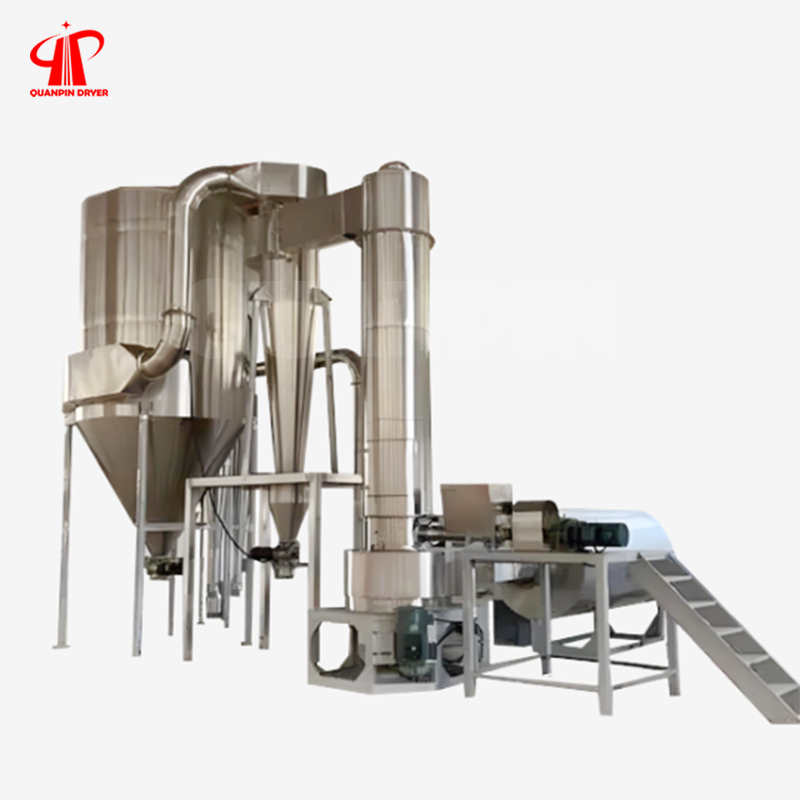
The rotating flash arrangement disperses suitable wet cake into process gas and carries material through drying and recovery. When reviewing a spin flash dryer china quotation, distinguish supplier location from demonstrated material suitability.
The feeder, dispersion region, transport path and recovery components can encounter different material conditions. Review the complete proposed route rather than one chamber surface.
A Trial Sequence for This Application
Identify the pigment and evidence
Identify the pigment grade, composition and known material-handling characteristics using the actual supplier documentation and available test evidence.
Map product-contact locations
Map product-contact and material-impact locations in the proposed scope. Ask which construction details are confirmed and which require review.
Define component and powder checks
Define the powder attributes relevant to contamination and the component-condition observations needed for the trial.
Record the demonstrated duty
Record the demonstrated material quantity, operating interval and inspected condition using approved access procedures.
Review construction and inspection scope
Review powder results and equipment findings together. State the demonstrated scope before discussing inspection or maintenance planning.
Four Observation Boundaries
At wet feeding, identify the actual cake and any hard foreign material concern without treating all lumps as the same mechanism.
At dispersion, review the proposed component arrangement and safe inspection access for the actual pigment duty.
At transport and recovery, include changes in direction and collection components that belong to the supplied design.
At discharge, link the accepted powder specimen to the relevant operating period and inspected material-contact history.
Rotating Flash Dryer Components to Include
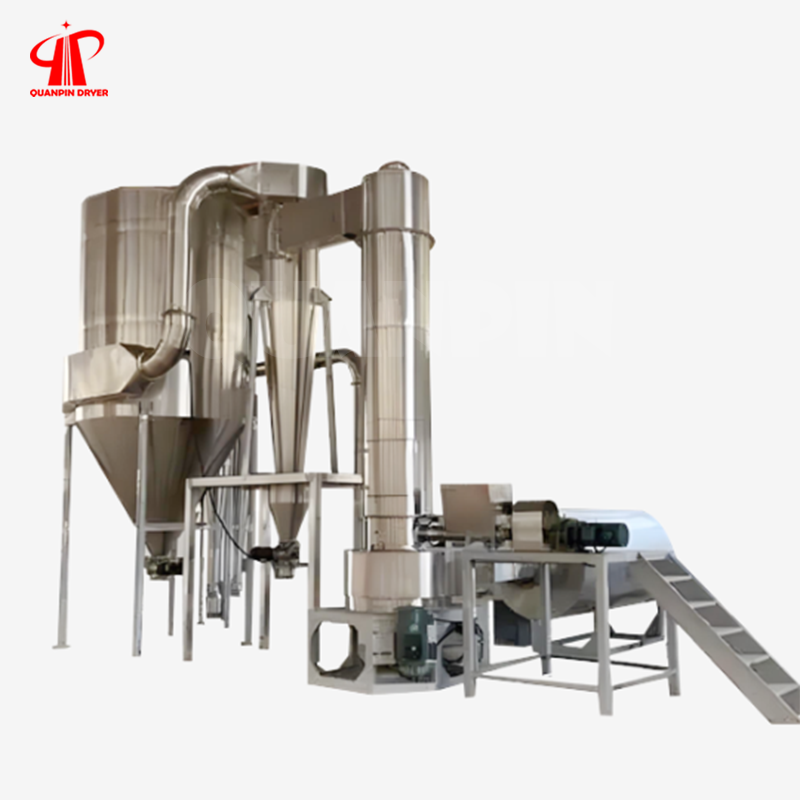
Wet-cake feeder
The cake feeder presents the incoming material to dispersion and needs its actual contact arrangement defined. A spin flash dryer price comparison needs a defined process and accepted-product boundary before costs can be compared.
Rotating dispersion assembly
The rotating dispersion assembly provides mechanical treatment and should have a documented inspected configuration. Describe the actual slurry drying duty using the pigment wet-cake composition and its dispersibility.
Drying chamber
The chamber supplies the intended gas and material path. Product-contact construction needs confirmation for the specific proposal.
Ducts and transfer path
The duct and transfer arrangement can create additional contact locations outside the main chamber. See GEA flash drying for dispersed wet-feed drying and gas transport.
Powder recovery components
The cyclone or other recovery equipment needs its own material and access review where included in the design.
Discharge and sampling
The discharge and sample system preserve the connection between component observations and the accepted pigment collection.
Configuration and Study Choices
Define the Demonstrated Starting Point
A standard construction statement should identify the actual confirmed components, not imply universal compatibility with every pigment. The powder drying result must include the intended coating, ink or polymer preparation method.
A proposed wear-resistant feature requires its material, extent and equipment suitability to be reviewed by the supplier.
A coating or lining proposal should consider product compatibility and inspection, without assuming it is a standard option. See GEA spin flash processing for filter-cake feed dispersion.
Separate the Changed Variable
A trial inspection should state which locations were actually assessed and which remained outside its scope.
A different feed preparation can change how material reaches the disperser. Keep its condition with the wear discussion.
A different campaign length requires caution when extending a short-run observation to service life.
Review the Complete Process Boundary
A different pigment grade can require a separate compatibility and contamination review even where the color name is similar. For chemical powder drying, a low moisture result and a satisfactory application result are separate acceptance questions.
A maintenance proposal should identify access, parts and the basis for inspection rather than promise a universal replacement interval. See GEA chemical drying reference for chemical powder collection arrangements.
A quotation should separate confirmed construction, proposed options and unresolved material evidence before price comparisons are made.
Industry Application and Product Acceptance
The intended industry is chemical pigment processing from a suitable prepared wet cake.
The required powder tests may include an application-specific contamination or defect assessment where relevant to the actual product.
Keep moisture, dispersion and color requirements in the acceptance plan. Component-condition evidence does not replace the pigment’s application tests.
Review material-specific dust, chemical and operating hazards alongside compatibility rather than treating a wear-resistant component as a complete protection strategy.
Benefits and Limits of the Comparison
A component-level review can expose missing construction or inspection assumptions before an equipment order is placed. Compare Industrial drying equipment using the same prepared feed and finished-product test.
It cannot predict a universal service life from a short trial or establish compatibility for pigments that were not evaluated.
Variables That Need a Clear Record
Pigment identity matters because a broad product family can contain materially different grades and supplied formulations.
Foreign material matters because an abnormal hard contaminant is not necessarily representative of ordinary pigment abrasion.
Feed preparation matters because it determines the condition actually reaching the mechanical dispersion stage.
Operating history matters because component observations need a known processing interval and duty.
Inspection method matters because an accessible observation does not establish the condition of every internal surface. See HSE chemical safety data sheets for identifying the actual pigment composition and handling hazards.
Product testing matters because the relevant contamination or application defect may not be visible in a generic moisture result.
Safe Operation and Material Handling
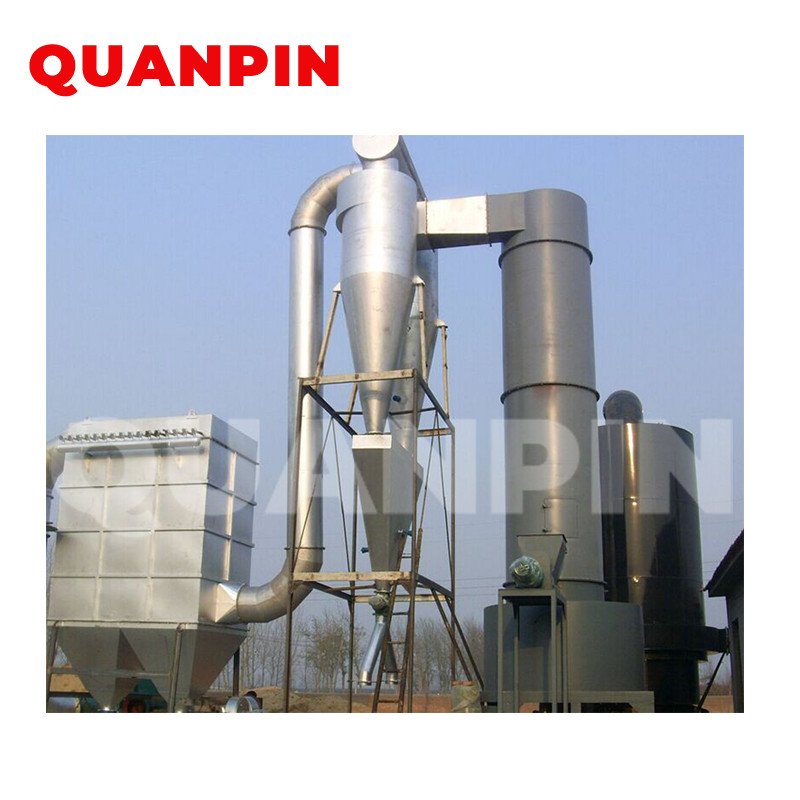
Inspect dispersion and recovery components only under the approved shutdown and isolation procedure. Do not approach rotating or hot equipment for an improvised check. See EPA chemical production resources for the applicable emissions assessment boundary.
Use the actual pigment safety data and installation hazard review. Construction and wear choices do not replace dust, exposure or emissions controls.
Prepare a Useful Equipment Enquiry
Provide QUANPIN with pigment identity, safety documentation, available abrasion evidence, contamination requirements and the proposed campaign. Ask a Spin Flash Dryer Manufacturer to document the demonstrated material range, not just nominal throughput.
Ask for a confirmed product-contact scope and an inspection discussion tied to that duty, with any unresolved construction choices clearly identified. A spin flash dryer supplier enquiry should include the pigment recipe test, collection boundary and real utility constraints.
Frequently Asked Questions
Where should an abrasion enquiry begin?
Begin with the actual pigment grade and the proposed material-contact map, then identify which wear or contamination question needs evidence.
Does accepted moisture prove material compatibility?
No. A satisfactory drying result addresses a different question from product-contact compatibility and component condition.
Can service life be copied from another pigment?
Only after reviewing the material, operating scope and inspection evidence. A short trial does not establish universal service life.
What should a construction quotation identify?
Ask which specific locations, construction choices and inspection provisions are confirmed for the quoted design.
Which evidence belongs with a wear finding?
Keep the component identity, observation method, operating history and associated powder results together in the review.
How should dryer prices be compared?
Separate the confirmed construction and inspection scope before comparing cost. A lower quotation can represent a different material-contact duty.
Discuss Your Rotating Flash Dryer Application with QUANPIN
Discuss this application with Rotating Flash Dryer specialists at QUANPIN. Share the material specification and the trial question through our contact page.
Email sales@quanpinmachine.com or stacie@quanpinmachine.com. Contact QUANPIN on WhatsApp: +86 15921493205.