Oscillating Granulator: Evaluate Feed-Charging Consistency During Wet-Granule Screening
By QUANPIN
The way wet mass reaches an oscillating granulator belongs in the trial record. Document charging consistency before assigning an uneven output to the screen or working assembly.
This pharmaceutical wet-granule study concerns the YK application and the evidence needed to compare feed and output over the agreed operating period. See the matching pharmaceutical industry applications.
How Should Charging Events Be Connected to Wet Output?
Define the wet mass, charging sequence and observed interruptions. Associate output samples with the relevant feed and operating record.
A changing discharge does not identify its cause by itself. Feed preparation, charging and the fitted screening arrangement need a connected review. Use product-specific development knowledge to justify the attributes being examined. See FDA ICH Q8 pharmaceutical development.
Equipment Principle and Material Requirements
The oscillating working element moves suitable material through the specified screen arrangement. Compare the proposed pharmaceutical granulator arrangement against this material and the documented process stage.
Wet-mass condition and delivery are part of the application duty; the screen opening alone does not establish every final granule attribute.
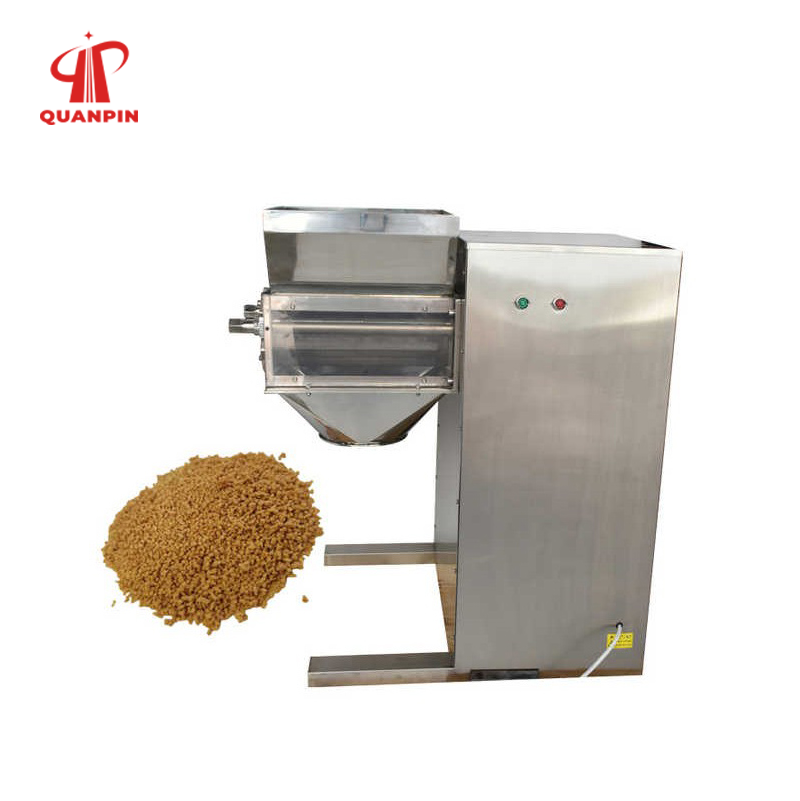
Five Steps for the Application Study
Define the wet feed
Identify the wet formulation and its preparation history before it reaches the granulator.
Record the charging method
Define the charging method and record how material is introduced during the trial.
Mark feed events
Mark pauses, additions and other relevant feed events using a common time reference.
Preserve output identity
Collect and label output through an approved sampling plan that preserves the relationship to those events.
Review the combined evidence
Review wet-granule results before deciding whether a feed or equipment change warrants another trial.
Four Process Boundaries to Record
The preparation boundary identifies the material before charging and its relevant handling history.
The feed boundary covers the actual introduction of wet mass into the machine.
The screening boundary identifies the fitted working assembly and screen condition.
The acceptance boundary distinguishes wet-granule evidence from results after drying or later sizing.
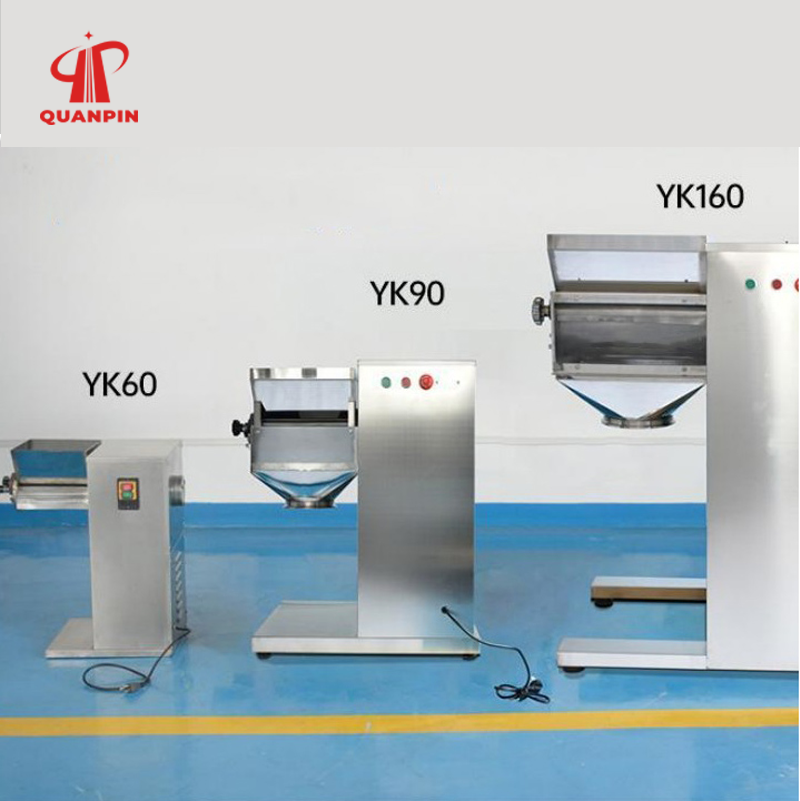
Oscillating Granulator Components and Interfaces
Wet-material charging
Record the feed opening and the charging arrangement actually used. For granulation, state which attributes will be tested before and after the operation.
Oscillating working assembly
Identify the screen by its specification and condition before the run. A granulation equipment description does not replace the trial evidence for this formulation.
Sizing screen
Confirm the working assembly configuration from the supplied equipment documents.
Feed and product path
Describe the output collection container and any changes during the study.
Wet-granule collection
Review sampling access using the approved operating and safety procedure.
Feed-event and sample records
Keep the feed event log and laboratory sample register linked to the same run identifier.
Comparison Choices and Process Interfaces
Define the Reference Basis
Establish the reference run using a defined wet-material preparation and charging procedure.
Retain the initial screen condition and the relevant equipment settings.
Keep the accepted operating period explicit so startup or interruptions are not hidden.
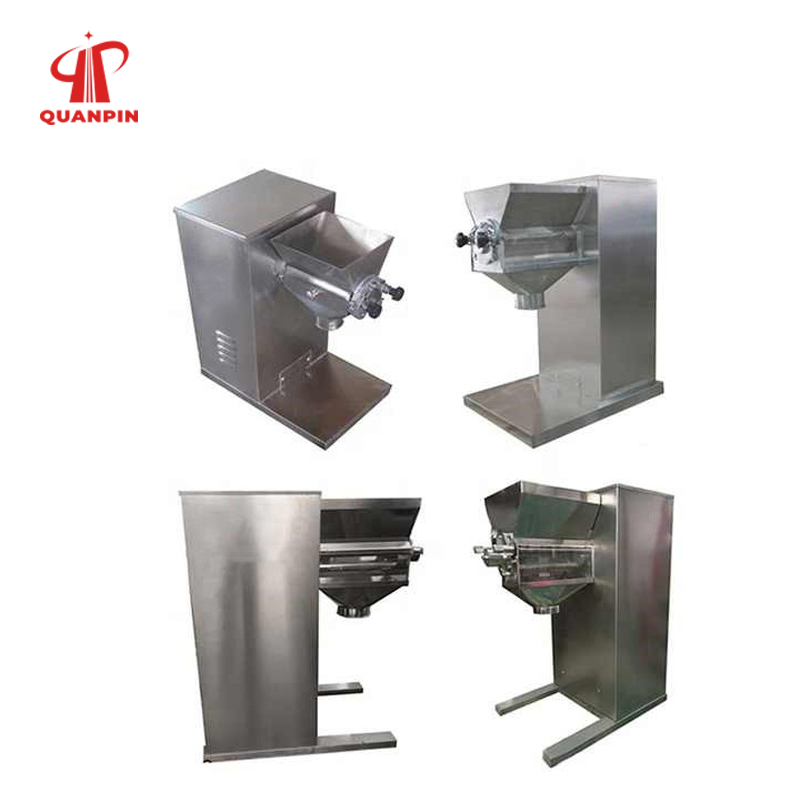
Keep the Comparison Interpretable
When studying a charging change, record any accompanying change in wet-mass preparation or hold history.
Avoid treating a combined material and charging change as evidence for one isolated cause.
If feed quantities are estimated rather than measured, state that limitation in the comparison.
Assess the Receiving Process
Evaluate the wet output using the specified method and collection boundary. The wet granulation assessment should separate process readings from product acceptance tests.
Preserve later drying and sizing histories if those stages are included in the investigation.
Use the results to define a controlled next trial rather than promising a universal feed procedure.
Industry Application and Acceptance
Pharmaceutical granule development should connect wet-processing observations with the intended product attributes.
The relevant attributes and tests depend on the actual formulation and downstream process. A development comparison should not be presented as complete validation of an untested production process. See FDA process validation guidance.
An acceptable wet-screening result does not establish the dried product without the corresponding evidence.
Routine production controls require their own justified procedure and quality-system review.
Benefits and Practical Limits
A traceable charging record can help distinguish feed events from persistent equipment behavior. Specify granulation and drying line using the actual preparation history and the required finished material.
It cannot establish a universal feed rate or replace the required granule tests. Assess relevant quality risks using the actual material and process context. See FDA ICH Q9 quality risk management.
Six Details That Affect the Result
Record whether charging is continuous, intermittent or otherwise defined by the actual procedure.
Identify the material preparation associated with each charged portion.
Preserve the timing of pauses rather than reporting only total elapsed time.
Document any observed change in wet-mass condition without assigning an unmeasured property value. Interpret measurements through process understanding rather than treating an isolated instrument reading as product acceptance. See FDA process analytical technology framework.
Retain individual output samples where the study requires interval comparison.
Keep wet and dried analytical results clearly separated by sample state.
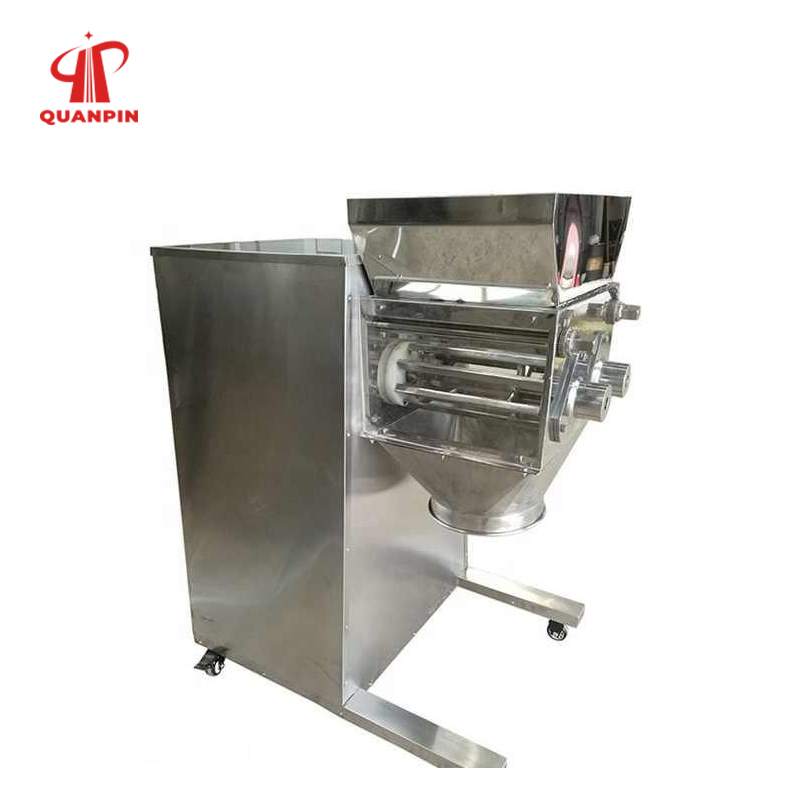
Safety and Operating Requirements
Charging and sampling must respect guarding and the approved safe operating procedure.
Wet-material exposure, cleaning and contact-surface requirements need review for the actual pharmaceutical application.
Prepare Your Equipment Enquiry
Send QUANPIN the wet formulation duty, intended screen arrangement and proposed charging method. Review the interface with granulation line for solid dosage form so preparation and final treatment are not confused with the machine’s own duty.
Include the required granule tests and identify whether downstream drying belongs in the supply or trial scope. The granule drying requirement should retain the material identity, sampling method and downstream acceptance boundary. Retain knowledge and manage adopted process changes through the pharmaceutical quality system. See FDA ICH Q10 pharmaceutical quality system.
Frequently Asked Questions
Does an uneven discharge prove a screen problem?
An uneven discharge does not prove that the screen is the only source of variation.
Does screen specification establish every granule size?
A screen specification alone cannot establish the complete granule distribution for every wet mass.
Should charging interruptions remain in the record?
Charging interruptions should remain visible in the operating and sampling records.
Does wet-mass hold history need identification?
Wet-material hold history may be relevant and should be documented where the study requires it.
Can dried results be interpreted without drying records?
Later dried-granule results need the associated drying history for interpretation.
What feed information should QUANPIN receive?
QUANPIN can review the duty when material preparation, feeding and acceptance requirements are supplied together.
Discuss Your Oscillating Granulator Application with QUANPIN
Discuss your application with Oscillating Granulator specialists at QUANPIN. Use the enquiry below or our contact page.
Email sales@quanpinmachine.com or stacie@quanpinmachine.com. Call +86 19850785582, or contact us on WhatsApp: +86 15921493205.