High-Speed Mixing Granulator: Separate Wet-Granule Size from Dried-Granule Size in Development
By QUANPIN
A wet-granule observation and a particle-size result after drying describe different stages of a pharmaceutical process. Keep both stages identifiable before using their data to change high-speed granulation conditions. The High-Speed Mixing Granulator duty should be defined by the prepared mass and the intended granule.
This guide concerns wet granulation followed by specified handling, drying and any subsequent sizing. It does not assume those later operations leave the granules unchanged. See the matching pharmaceutical industry applications.
Which Process Stage Does Each Granule-Size Result Describe?
Define when and how each size observation is made, including the sample preparation and treatment between collection points.
Compare like stages before interpreting an apparent change as evidence about the granulator alone. Use product-specific development knowledge to justify the attributes being examined. See FDA ICH Q8 pharmaceutical development.
Equipment Principle and Material Requirements
The main mixing and cutting actions work with the prepared formulation and binder addition to develop a wet granule mass. Compare the proposed high speed mixer granulator arrangement against this material and the documented process stage.
Drying, handling and later sizing create additional material history before a final distribution is measured.
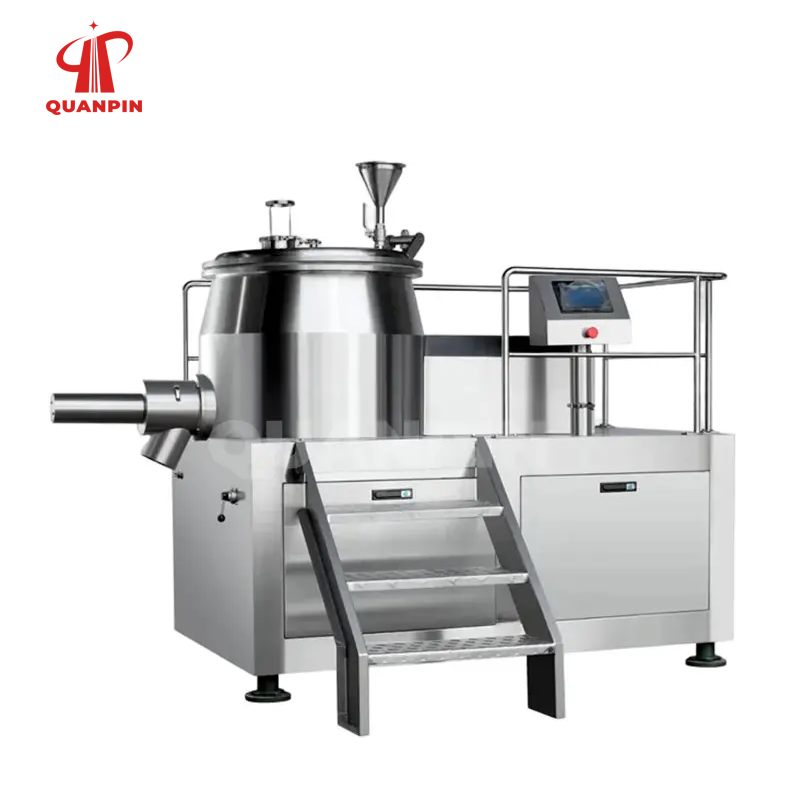
Five Steps for the Application Study
Record the wet-massing history
Identify the formulation and actual liquid-addition and wet-massing history.
Define wet-stage observations
Define the wet-granule observation and its justified collection method.
Preserve downstream treatment
Record the drying and handling sequence applied to the material represented by that observation.
Measure the final granules
Measure the dried or sized granules using the agreed final method.
Review stage-specific evidence
Interpret the stage-specific results together before changing the granulator or downstream process instruction.
Four Process Boundaries to Record
Wet stage: retain the collection time and preparation associated with the observed mass.
Transfer: document handling between the granulator and drying equipment.
Dry stage: identify the demonstrated drying treatment and sample condition.
Final sizing: record any additional operation before the reported finished distribution.
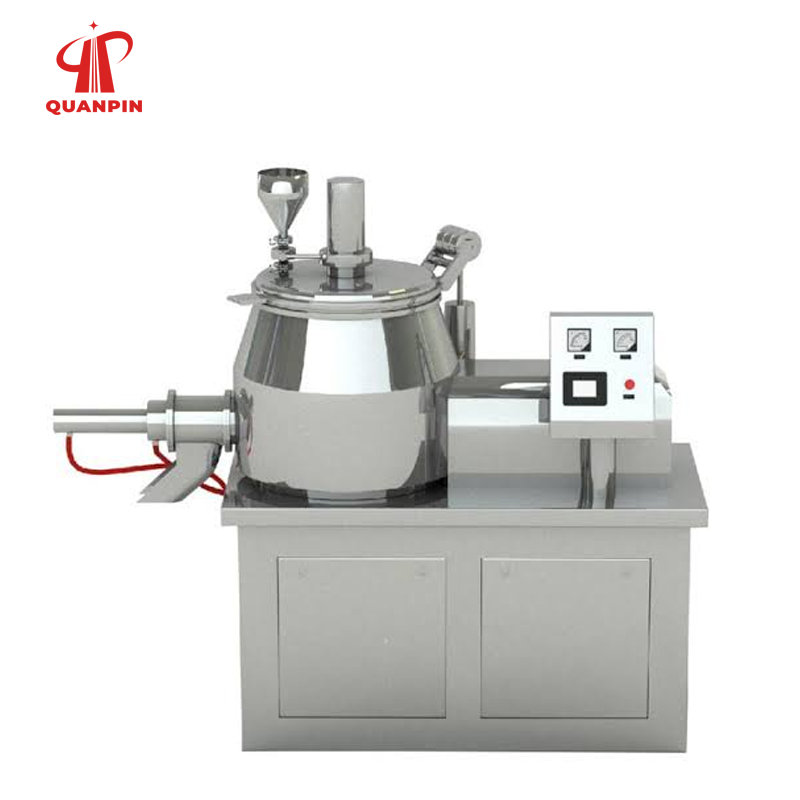
High-Speed Mixing Granulator Components and Interfaces
Powder charge
The granulation bowl provides the process space for the specified pharmaceutical charge. For high-speed wet mixer granulator, state which attributes will be tested before and after the operation.
Impeller and drive
The main impeller moves the material during binder addition and wet massing. A rapid mixer granulator description does not replace the trial evidence for this formulation.
Binder delivery
The cutting assembly contributes a separate mechanical action that belongs in the operating record.
Side chopper
The supplied liquid-addition arrangement needs its actual configuration and addition history identified.
Wet discharge
The discharge interface defines where wet material leaves the granulator for subsequent handling.
Process and sample records
Sample records should connect stage, time and method with the formulation and operating history.
Comparison Choices and Process Interfaces
Define the Reference Basis
A wet sample judged by appearance is not directly equivalent to an instrumental distribution on prepared dry material. Place rapid mixer granulator machine within the complete process boundary, including the next handling step.
Explain the purpose of each observation rather than presenting both as the same measurement.
Use an appropriate method for the actual stage and material condition.
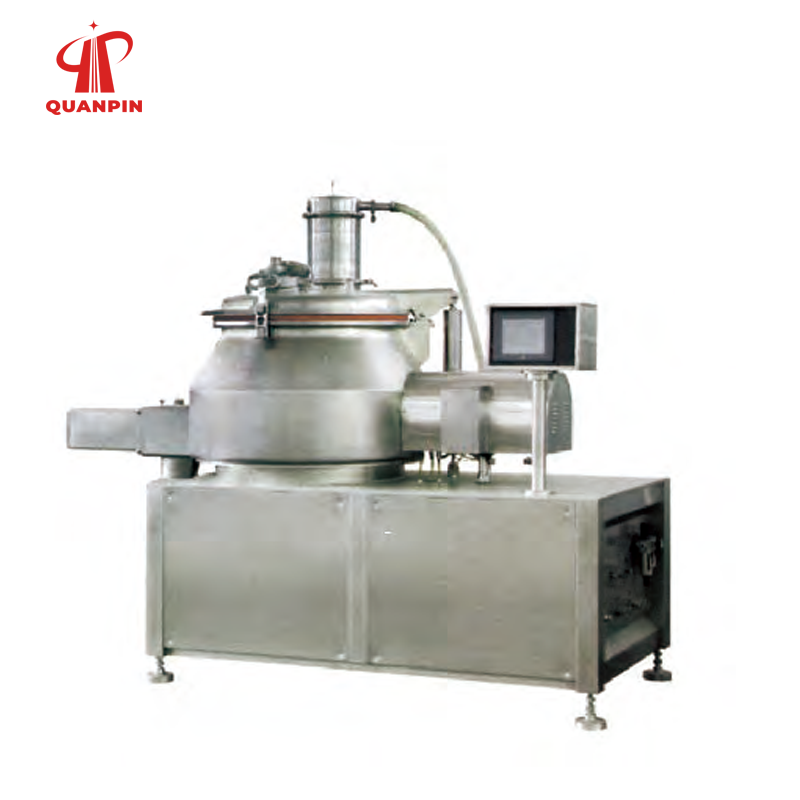
Keep the Comparison Interpretable
When a final distribution changes, review the intermediate treatment before assigning the cause to wet massing.
An altered dryer loading method or later sizing operation can change the history represented by that result.
Retain those conditions with the linked granulation record.
Assess the Receiving Process
If one process stage is deliberately changed, identify the reference treatment applied at the other stages.
If several stages change together, describe the combined development study and its interpretive limits.
Keep any rejected or selected fractions visible so a final sample does not conceal the material removed earlier.
Industry Application and Acceptance
Pharmaceutical preparation and drying provide the matching industry context for the linked stages.
The intended formulation determines which wet observations and finished-granule attributes need to be established. A development comparison should not be presented as complete validation of an untested production process. See FDA process validation guidance.
The full process-development plan should connect those attributes without treating one indicator as a universal endpoint.
An adopted process change needs the appropriate pharmaceutical knowledge and quality records.
Benefits and Practical Limits
Separating stages helps identify whether an unexpected distribution needs a granulation, handling, drying or sizing investigation. Specify granulation equipment using the actual preparation history and the required finished material.
It does not establish a universal numerical relationship between wet and dry granule size. Assess relevant quality risks using the actual material and process context. See FDA ICH Q9 quality risk management.
Six Details That Affect the Result
Label observations by the actual stage rather than using an unexplained granule-size heading.
Record sample preparation that can alter agglomerates before measurement.
Keep drying and conditioning history with dried-granule specimens.
Identify any later sizing screen or preparation used before the final test. Interpret measurements through process understanding rather than treating an isolated instrument reading as product acceptance. See FDA process analytical technology framework.
Retain individual stage results rather than combining unlike methods into one average.
Review changes against the formulation’s intended product attributes and demonstrated process scope.
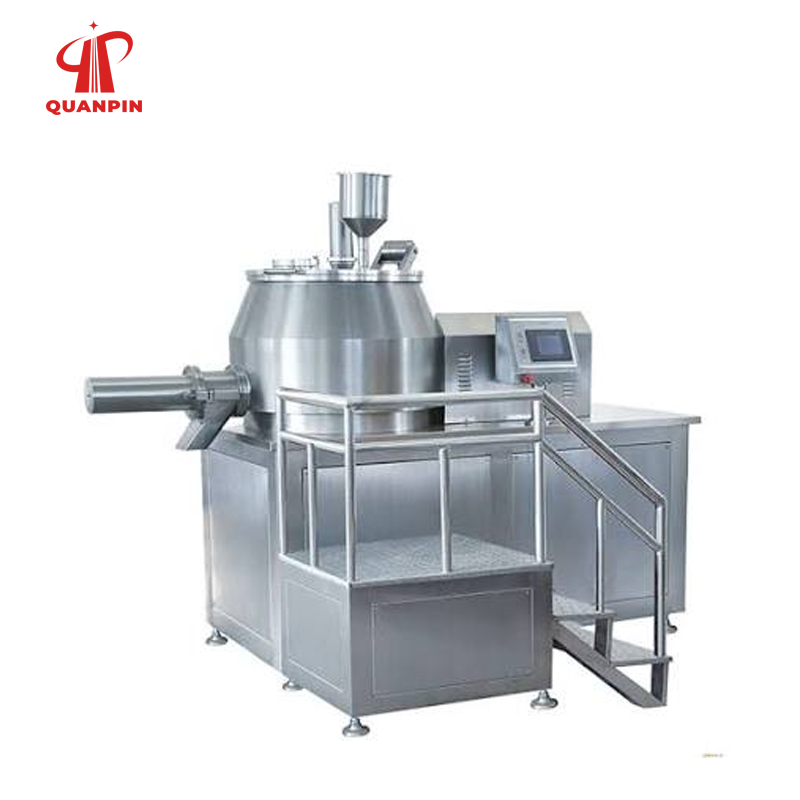
Safety and Operating Requirements
Use approved sampling arrangements and isolate equipment before accessing mixing or cutting components.
Assess hazards across wet handling, drying and powder collection separately from the particle-size interpretation.
Prepare Your Equipment Enquiry
Provide QUANPIN with the formulation, stage-specific observations and required final granule properties.
Ask the trial scope to distinguish the granulator duty from the handling, drying and sizing operations needed for the complete comparison. The granulation line for solid dosage form requirement should retain the material identity, sampling method and downstream acceptance boundary. Retain knowledge and manage adopted process changes through the pharmaceutical quality system. See FDA ICH Q10 pharmaceutical quality system.
Frequently Asked Questions
Are wet and dried granule-size results equivalent?
Not automatically. Stage and measurement preparation must be identified before interpreting the results together.
Does a changed final distribution identify the granulator as the cause?
No. Review the treatment and handling between the wet mass and the tested dry sample.
Can wet appearance replace a finished-material test?
Not where the quality plan requires a defined finished-material test.
Should later sizing be recorded?
Any later sizing stage should remain explicit in the material history and acceptance scope.
Is there a universal wet-to-dry size relationship?
The appropriate change depends on the actual development evidence, not a universal wet-to-dry conversion rule.
What stage records does QUANPIN need?
Share the linked stage records so QUANPIN can review the granulator’s defined contribution to the process.
Discuss Your High-Speed Mixing Granulator Application with QUANPIN
Discuss your application with High-Speed Mixing Granulator specialists at QUANPIN. Use the enquiry below or our contact page.
Email sales@quanpinmachine.com or stacie@quanpinmachine.com. Call +86 19850785582, or contact us on WhatsApp: +86 15921493205.