High-Speed Mixing Granulator: Record Binder Preparation and Hold Conditions Before Addition
By QUANPIN
Binder preparation can complicate the interpretation of a high-speed mixing-granulator trial. Preserve the preparation and hold history before linking a granule result to equipment settings. The High-Speed Mixing Granulator duty should be defined by the prepared mass and the intended granule.
For pharmaceutical wet granulation, the record should identify the actual liquid added, its preparation basis and its condition at the time of use. See the matching pharmaceutical industry applications.
What Binder History Belongs with the Granulation Result?
Document binder identity, preparation quantities, method and the interval before addition. Record relevant observations using the approved development procedure.
Do not assume that two nominally identical binder recipes provide equivalent liquid at the point of addition when their preparation or hold conditions differ. Use product-specific development knowledge to justify the attributes being examined. See FDA ICH Q8 pharmaceutical development.
Equipment Principle and Material Requirements
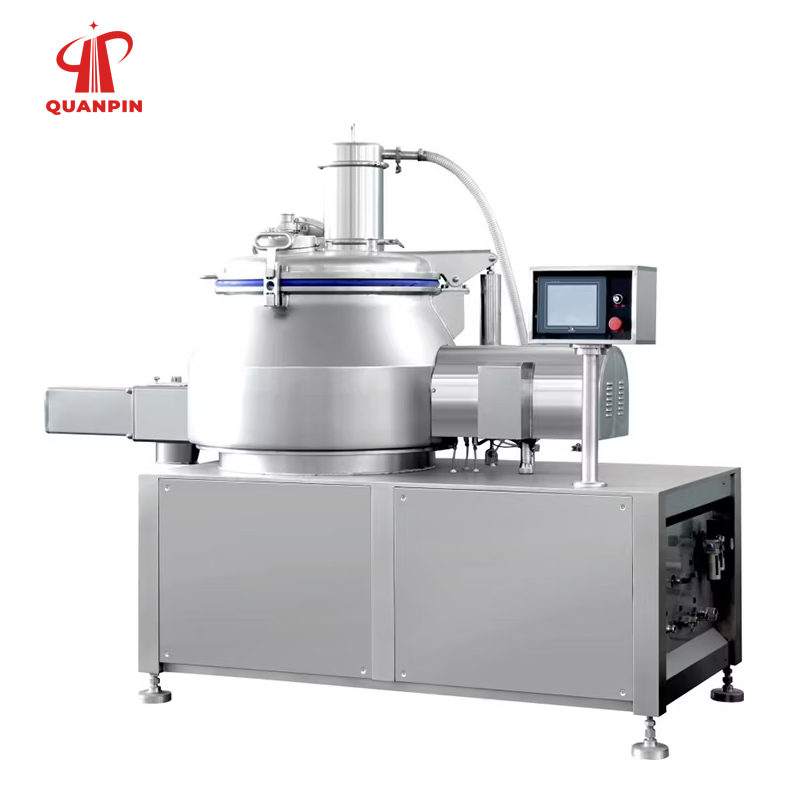
The GHL performs mixing and wet granulation using its specified working assemblies. Compare the proposed high speed mixer granulator arrangement against this material and the documented process stage.
Binder preparation and delivery are connected process stages whose supply scope must be confirmed; they should not be assumed to be integrated accessories on every configuration.
Five Steps for the Application Study
Identify the binder
Identify the binder and the approved preparation basis for the formulation being studied.
Record actual preparation
Record the actual preparation sequence and the quantities used, retaining the source material identities.
Define the hold history
Define the hold interval and relevant conditions between preparation and addition.
Link addition to the run
Link the binder preparation record to the granulation run and the actual addition sequence.
Evaluate wet and dried material
Evaluate wet and dried granules using the specified methods before attributing a difference to one process variable.
Four Process Boundaries to Record
The preparation boundary covers the binder materials, vessel and method actually used.
The hold boundary begins and ends at defined events rather than an approximate operator recollection.
The addition boundary identifies the liquid delivered to the granulator and its delivery arrangement.
The acceptance boundary distinguishes binder observations from wet-granule and dried-granule quality evidence.
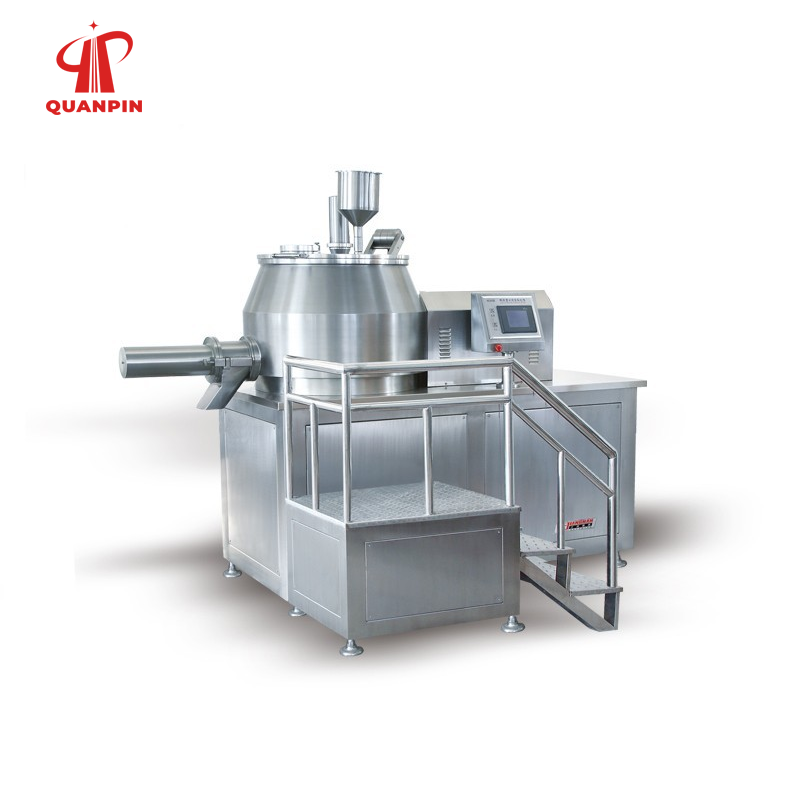
High-Speed Mixing Granulator Components and Interfaces
Powder charge
Confirm the GHL bowl and working assemblies from the equipment specification. For high-speed wet mixer granulator, state which attributes will be tested before and after the operation.
Impeller and drive
Identify the actual liquid-addition connection and any supplied delivery equipment. A rapid mixer granulator description does not replace the trial evidence for this formulation.
Binder delivery
Describe the binder preparation vessel separately where it is outside the granulator supply scope.
Side chopper
Record the means used to identify and track the prepared binder before use.
Wet discharge
Review cleaning and product-contact compatibility for the preparation and delivery path.
Process and sample records
Connect the binder record, operating log and granule sample identities in the trial documentation.
Comparison Choices and Process Interfaces
Define the Reference Basis
Establish the reference preparation using identified materials and the approved formulation basis. Place rapid mixer granulator machine within the complete process boundary, including the next handling step.
Retain the preparation and hold history with the associated granulation results.
Keep the actual addition sequence visible rather than recording only the total intended liquid.
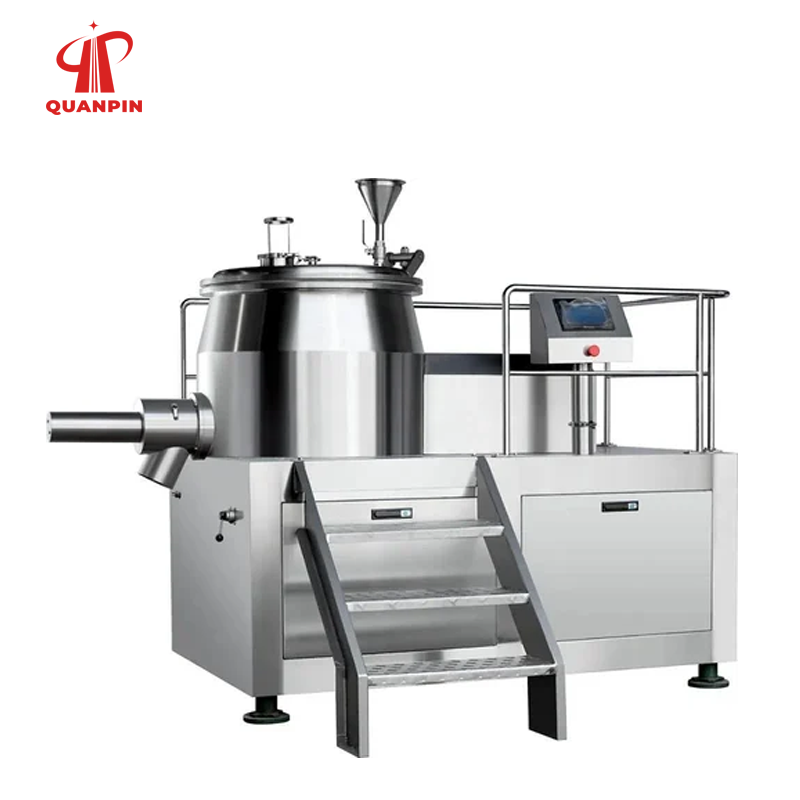
Keep the Comparison Interpretable
When a preparation method changes, record the change independently of granulator settings.
Avoid claiming that a granulator adjustment corrected binder variation without evidence from the complete comparison.
If the hold conditions were not recorded, identify the uncertainty in the development conclusion.
Assess the Receiving Process
Assess the wet material and the dried granules as separate sample states.
Include later sizing or transfer only when it belongs to the agreed investigation boundary.
Use the accumulated evidence to define the next controlled comparison.
Industry Application and Acceptance
Pharmaceutical development should connect the binder’s role with the quality attributes of the intended granules.
Relevant preparation controls depend on the actual formulation; this guide does not prescribe a binder concentration or hold limit. A development comparison should not be presented as complete validation of an untested production process. See FDA process validation guidance.
Keep the quality-system review distinct from the equipment’s general operating principle.
A favorable development run is not a substitute for validation of the intended manufacturing process.
Benefits and Practical Limits
A complete binder history can prevent an unexplained material change from being mistaken for an equipment effect. Specify granulation equipment using the actual preparation history and the required finished material.
It cannot establish an acceptable preparation or storage condition without formulation-specific evidence. Assess relevant quality risks using the actual material and process context. See FDA ICH Q9 quality risk management.
Six Details That Affect the Result
Use a consistent quantity basis when documenting the binder preparation.
Record preparation completion and addition times as separate events.
Retain relevant observed condition information without converting appearance into an unmeasured viscosity value.
Identify any mixing or other treatment during the hold period when it belongs to the procedure. Interpret measurements through process understanding rather than treating an isolated instrument reading as product acceptance. See FDA process analytical technology framework.
Document the delivered quantity and any known remaining liquid within the agreed accounting scope.
Keep wet and dried sample results linked to the same binder preparation identifier.
Safety and Operating Requirements
Review binder hazards, cleaning compatibility and operating access before the trial.
Use the installed equipment’s approved addition and isolation procedures; do not improvise access to a moving granulator.
Prepare Your Equipment Enquiry
Send QUANPIN the formulation duty, binder description and intended preparation and addition arrangement.
State which vessels, delivery components and process records belong in the proposed equipment scope. The granulation line for solid dosage form requirement should retain the material identity, sampling method and downstream acceptance boundary. Retain knowledge and manage adopted process changes through the pharmaceutical quality system. See FDA ICH Q10 pharmaceutical quality system.
Frequently Asked Questions
Does the recipe label establish binder history?
A recipe label does not replace a record of the binder actually prepared and used.
Is there one permissible binder hold time?
The relevant hold conditions require formulation-specific assessment rather than a universal time limit.
Does appearance establish viscosity?
Visible condition changes may justify investigation but do not establish an analytical property by themselves.
Is preparation equipment automatically included?
Binder preparation equipment should be confirmed separately if it is required in the supply scope.
Can dried results be assigned solely to binder preparation?
Dried-granule results should be reviewed with the drying history, not assigned solely to binder preparation.
What interfaces should QUANPIN review?
QUANPIN can review the equipment interfaces when the preparation, delivery and granulation duties are clearly defined.
Discuss Your High-Speed Mixing Granulator Application with QUANPIN
Discuss your application with High-Speed Mixing Granulator specialists at QUANPIN. Use the enquiry below or our contact page.
Email sales@quanpinmachine.com or stacie@quanpinmachine.com. Call +86 19850785582, or contact us on WhatsApp: +86 15921493205.