Coffee Spray Dryer: Define Powder Sample Containers Before Moisture Testing
By QUANPIN
Coffee powder can change between collection and moisture testing if its handling is poorly defined. Specify sample containers and handling before comparing spray-dryer trial results. A coffee dryer machine enquiry for coffee must specify liquid extract rather than whole-bean drying.
The aim is to preserve an interpretable sample history, not to claim that a particular container automatically establishes a correct moisture result. See the matching food industry applications.
What Sample History Belongs with a Coffee Moisture Result?
Choose the container and handling procedure for the intended analytical method and coffee powder. Record collection, closure and testing events.
Keep moisture content and water activity as distinct measurements; neither the container appearance nor a dry-feeling powder replaces the specified test.
Equipment Principle and Material Requirements
A centrifugal spray dryer atomizes coffee extract into heated drying air and recovers the resulting powder through the specified collection arrangement. The coffee spray dryer route should preserve the identity of coffee solids and any carrier additions.
The collected powder becomes an analytical sample only through a defined collection and handling procedure connected to the actual run.
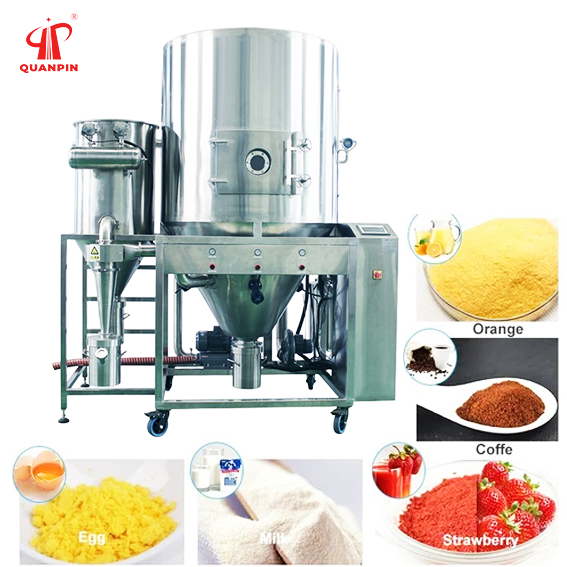
Five Steps for the Application Study
Identify the powder fraction
Identify the coffee powder and the exact collection point represented by the sample.
Confirm laboratory containers
Confirm suitable containers and preparation with the laboratory performing the intended test.
Define sample handling
Define collection, closure, identification and transfer procedures before the drying trial.
Record collection history
Record the relevant collection and storage history alongside the operating and feed information.
Interpret analytical results
Interpret analytical results within that history before comparing drying conditions.
Four Process Boundaries to Record
The process boundary identifies the coffee extract, drying run and collection point.
The sample boundary states the quantity and powder fraction actually collected.
The handling boundary follows the sample from collection through closure and transfer.
The analytical boundary defines the moisture or water-activity method and sample preparation.
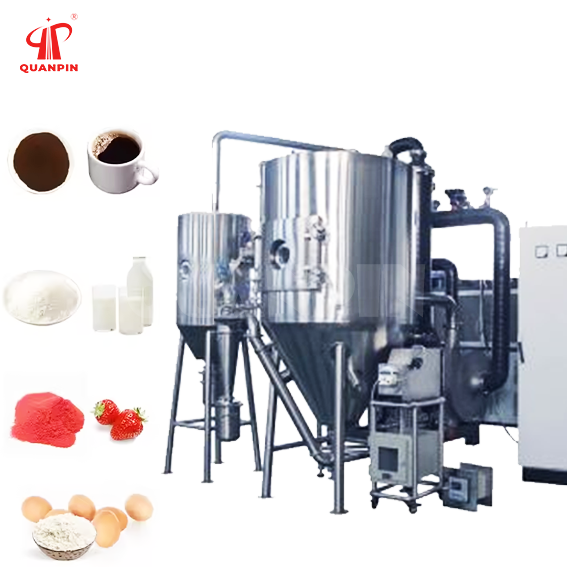
Coffee Spray Dryer Components and Interfaces
Extract and formulation vessel
Confirm the atomization and drying configuration from the actual equipment documents.
Feed pump and atomizer
Identify the powder collection arrangement and any separate recovered fractions. Compare an Industrial spray dryer machine on its complete food ingredient duty, not gross powder mass alone.
Drying chamber
Review safe sampling access without assuming the equipment includes a dedicated port.
Air heating and distribution
Select sample containers suitable for the powder and laboratory procedure.
Powder recovery
Use labels that connect the sample with its collection point, time and run.
Packing and composition records
Retain the sample-handling instructions with the analytical and operating records.
Comparison Choices and Process Interfaces
Define the Reference Basis
Establish a reference sampling procedure before comparing drying settings.
Record the container type and the handling sequence used for that reference.
Keep the laboratory method and reporting basis with the result.
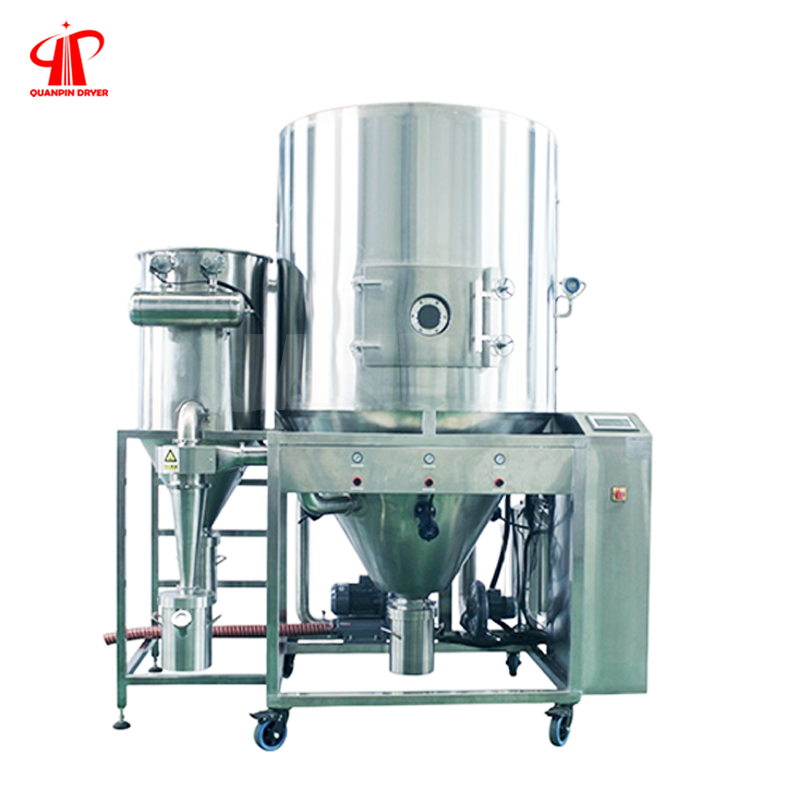
Keep the Comparison Interpretable
If another container or handling method is introduced, document the change explicitly.
Do not attribute a measured difference solely to the dryer when sample handling also changed.
Investigate unexpected results using the process record and sample history together.
Assess the Receiving Process
Assess the powder at the agreed product boundary, including packaging only when it is part of the study. Evaluate Spray Drying with the input solids balance and the final beverage method visible.
Keep test samples distinct from commercial shelf-life claims requiring additional evidence.
Use the findings to improve the justified sampling procedure rather than imposing a universal container specification.
Industry Application and Acceptance
Coffee ingredients need food-hygiene controls during collection and laboratory transfer. Food equipment and processing need appropriate hygiene controls. See FDA food manufacturing practices.
Identify any allergens introduced by actual ingredients or carriers instead of assuming every coffee formulation is identical. Identify allergens and cross-contact requirements when ingredients or carriers introduce them. See FDA food allergen information.
Sanitation and food-hazard controls remain separate requirements from achieving a preferred moisture result. Water activity describes a property different from total moisture content. See FDA water activity background.
The relevant industry application is food processing, with acceptance defined for the actual coffee ingredient.
Benefits and Practical Limits
A documented container procedure helps explain whether two analytical samples had comparable handling histories. Select Spray drying equipment only after defining accepted coffee ingredient composition and recovery.
It does not establish an acceptable moisture value or predict storage stability by itself.
Six Details That Affect the Result
Record the time of powder collection and the time the container is closed.
Preserve the identity of the collection fraction rather than calling every sample final product.
Document storage and transfer conditions required by the approved analytical procedure.
Keep the laboratory preparation method consistent or explain any change.
Report moisture content and water activity using their correct names and method basis. Include relevant sanitation and handling requirements in the food-process review. See FDA sanitation and transportation resources.
Retain individual results before reducing the comparison to one average.
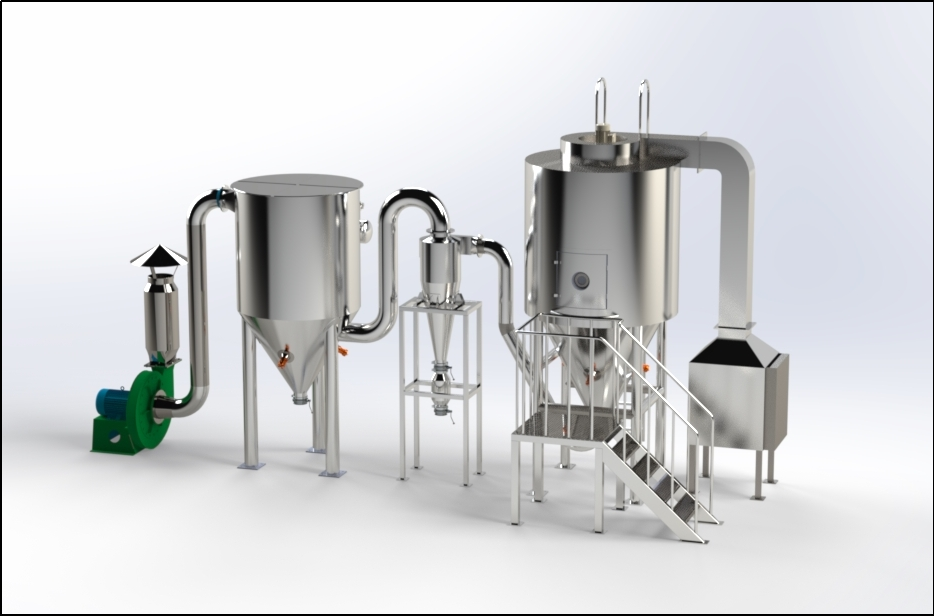
Safety and Operating Requirements
Powder sampling must follow the installed dryer’s safe operating and exposure-control procedures.
Protect samples from contamination through suitable hygienic handling; laboratory suitability does not replace food-safety assessment. Food hazard analysis and relevant preventive controls are separate from demonstrating a preferred ingredient appearance. See FDA preventive controls for human food.
Prepare Your Equipment Enquiry
Provide QUANPIN with the coffee extract duty, intended powder attributes and collection scope. The spray drying system boundary should include collection, cooling and packing where those duties are purchased.
Include the proposed test method and sampling boundary when requesting a drying trial. A rotary atomizer spray dryer arrangement must be assessed with the actual extract and product specification.
Frequently Asked Questions
Is one container suitable for every coffee test?
No single container is specified here for every coffee powder and analytical method.
Are moisture content and water activity interchangeable?
Moisture content and water activity describe different properties and should not be used as interchangeable labels.
Can unchanged dryer settings conceal handling differences?
A test sample’s handling history can matter even when the drying settings are unchanged.
Does one collection fraction represent all powder?
A result from one collection fraction should not automatically represent every recovered fraction.
Does a moisture result establish shelf life?
A moisture result alone does not establish commercial shelf life or packaging performance.
What sampling evidence should accompany the enquiry?
A useful enquiry connects the desired coffee powder with the sampling and analytical evidence required.
Discuss Your Coffee Spray Dryer Application with QUANPIN
Discuss your application with Coffee Spray Dryer specialists at QUANPIN. Use the enquiry below or our contact page.
Email sales@quanpinmachine.com or stacie@quanpinmachine.com. Call +86 19850785582, or contact us on WhatsApp: +86 15921493205.