Pharmaceutical Pulverizer Unit: Map Dust-Extraction Interfaces Before an Excipient Grinding Trial
By QUANPIN
Powder recovery inside a pulverizer system and workplace dust extraction have related but different duties. Map their interfaces before treating an enclosed machine as evidence of complete exposure control. The pulverizer unit duty begins with the required powder rather than an isolated machine setting.
The application is pharmaceutical excipient grinding with a defined charging, recovery and discharge route. The required installation review depends on the actual material and site. See the matching pharmaceutical industry applications.
Where Do Product Recovery and Workplace Extraction Have Different Boundaries?
Identify the points where powder can be released during normal use, cleaning or an approved intervention.
State which collection and extraction services are included in the quotation and which need separate site design and assessment. Assess relevant quality risks using the actual material and process context. See FDA ICH Q9 quality risk management.
Equipment Principle and Material Requirements
The pulverizer mechanically reduces prepared feed and transfers powder through its conveying and recovery path. In pharmaceutical powder grinding, the feed and product measurement method must be stated together.
Recovering product from that process stream does not automatically demonstrate control of releases at charging or container changeover.
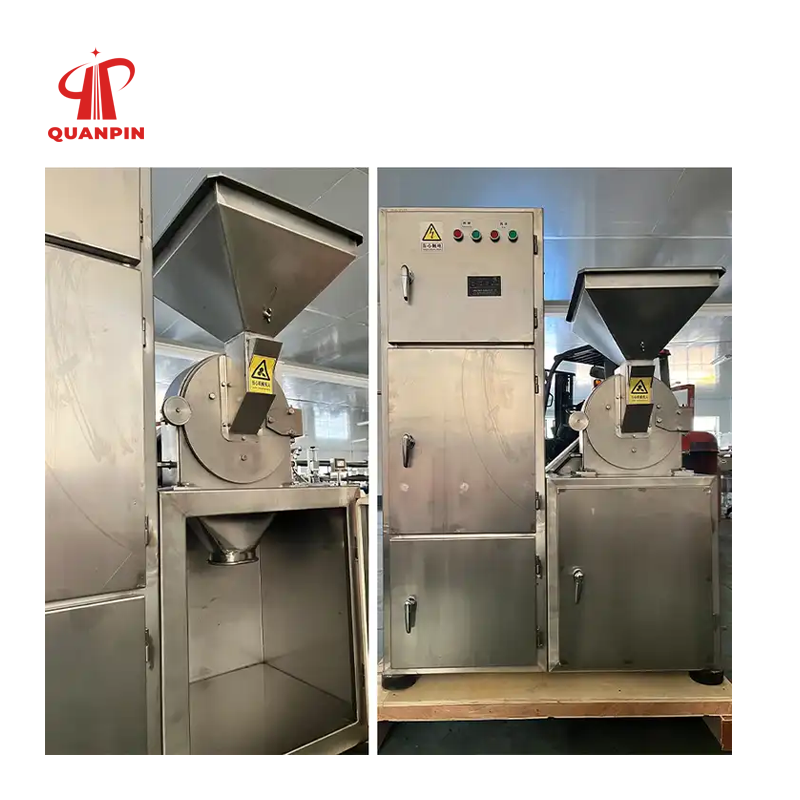
Five Steps for the Application Study
Map charging to discharge
Map the material path from the supplied charge container to the accepted product destination.
Identify relevant work tasks
Identify operating and intervention tasks that can expose powder at an interface.
Confirm supplied protection scope
Define the actual included extraction or containment arrangements without assuming optional equipment is standard.
Define appropriate observations
Agree the relevant installation observations and product-quality checks with responsible specialists.
Review the site interfaces
Review any untested site connection before extending trial evidence to the proposed production installation.
Four Process Boundaries to Record
Process recovery: define the equipment separating product from the machine’s process stream.
Workplace capture: identify separately designed measures at relevant release points.
Intervention: cleaning and container changes can create different exposure conditions from steady operation.
Supply boundary: resolve responsibility for connections, supporting services and the final assessment.
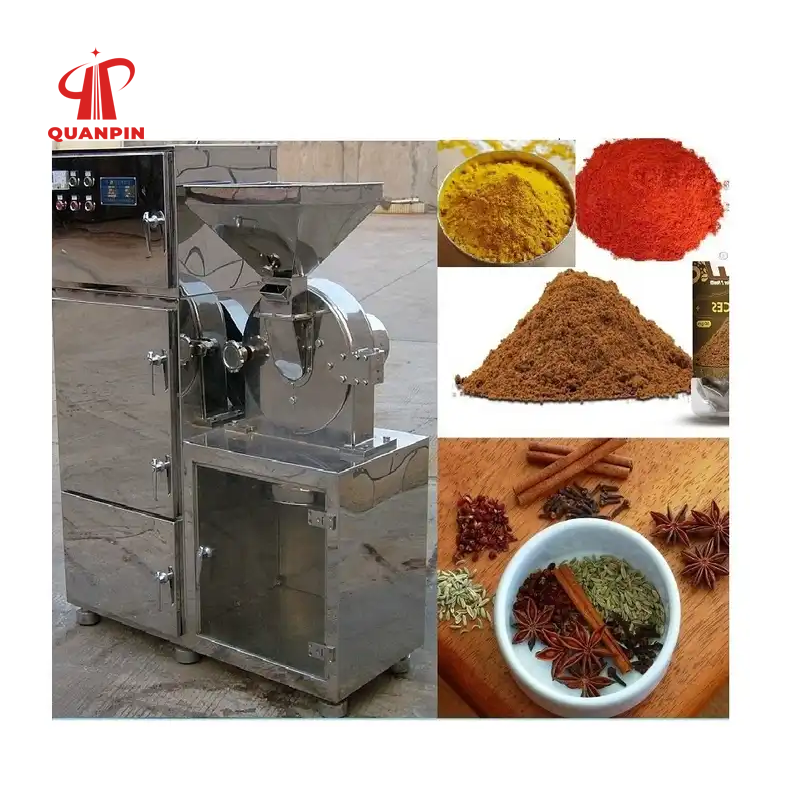
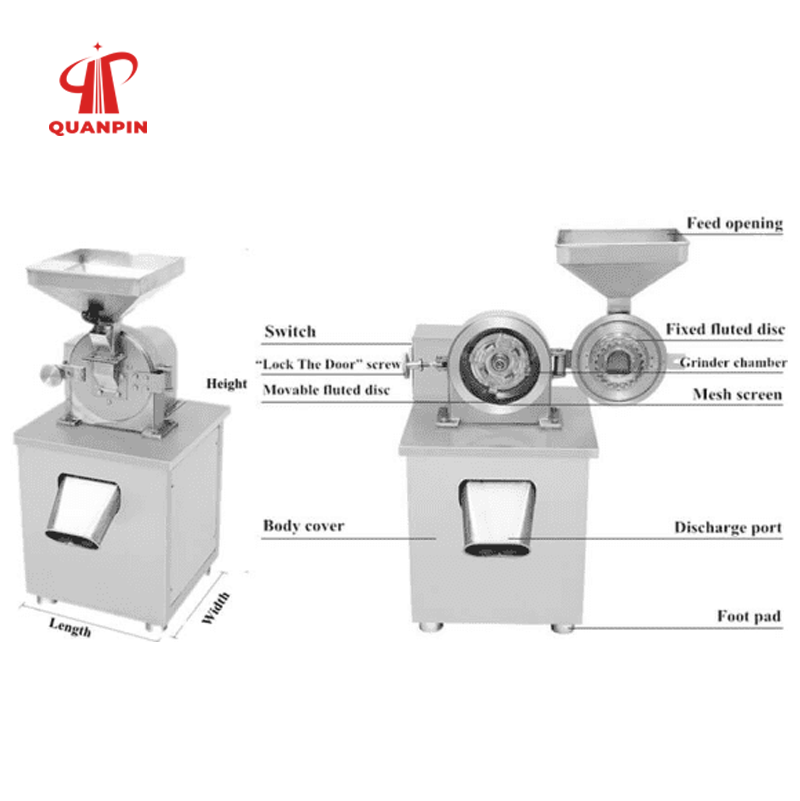
Pharmaceutical Pulverizer Unit Components and Interfaces
Feed inlet
The feed opening and charging route should be reviewed using the actual material form and work method. Evaluate impact milling against the incoming and accepted distributions, with the collection boundary defined.
Impact and cutting chamber
The grinding chamber provides mechanical treatment; its enclosure does not describe every surrounding task. The powder collection assessment should include retained inventory and separately collected fractions.
Conveying air system
Conveying connections should retain their specified identity and condition within the process scope.
Cyclone separation
Cyclones or filters recover material from a defined stream and need suitable access and maintenance arrangements. Include the appropriate product-contact cleaning evidence in pharmaceutical equipment review. See FDA cleaning-process validation inspection guide.
Bag collection
Discharge connections determine how collected powder enters a container or the next operation.
Discharge and balance records
Instrumentation and site assessment should establish the evidence needed for the proposed extraction arrangement and operating conditions. Workplace capture needs a review of the actual extraction arrangement. See HSE local exhaust ventilation resources.
Comparison Choices and Process Interfaces
Define the Reference Basis
An equipment-only demonstration may leave the production charging and discharge tasks outside its evidence boundary. Downstream dry blending needs powder whose relevant properties remain traceable after size reduction.
List those exclusions so they are not hidden inside a general statement that the machine ran successfully.
Use the intended task sequence when the study is meant to represent the actual installation.
Keep the Comparison Interpretable
A temporary trial hose or receiving container can change the connection represented by the demonstration.
Record its configuration and the unresolved differences from the proposed production route.
Do not assume a general airflow figure proves capture at every release point.
Assess the Receiving Process
Keep product recovery and workplace exposure questions separate when interpreting a collector change. A receiving powder blender is a separate operation; its uniformity cannot be inferred from the mill result alone.
A changed extraction interface can also affect process behavior and therefore needs the appropriate technical review.
Retain product samples and operating records so the installed process and material results remain connected.
Industry Application and Acceptance
The matching industry is pharmaceutical excipient preparation before later formulation operations.
The material’s actual hazards and required product properties govern the relevant exposure and quality assessments.
Site specialists should determine the applicable controls and measurements rather than borrowing an unrelated powder’s design.
The agreed trial should state which process and installation questions it can answer.
Benefits and Practical Limits
A clear interface map helps prevent important charging, discharge and intervention duties from falling between suppliers. Check whether transfer into the specified powder mixer changes segregation or handling behavior.
It does not establish a universal airflow, exposure limit or complete dust-protection design for every pharmaceutical powder.
Six Details That Affect the Result
Distinguish the process fan duty from any separate workplace extraction duty in the equipment scope.
Include container changeover in the work-method description where it occurs during the proposed campaign.
Record filter maintenance and discharge tasks rather than considering only steady-running operation.
Identify the actual interface configuration represented by each relevant observation or measurement.
Review material recovery and product quality after a proposed connection change.
Retain responsibility and acceptance boundaries in the installation documents used to compare quotations.
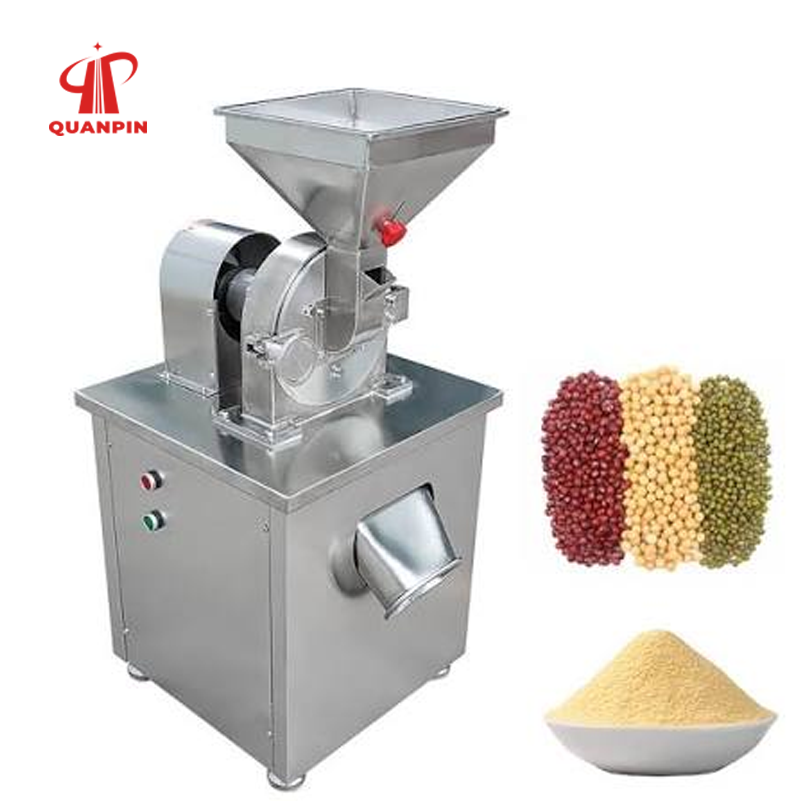
Safety and Operating Requirements
Do not open, disconnect or inspect operating equipment except through the supplied approved procedure.
Qualified specialists should assess the actual pharmaceutical dust and installation hazards independently of a successful powder-size result. Assess relevant actual-powder fire and explosion hazards independently from product recovery. See HSE dangerous substances and combustible dust guidance.
Prepare Your Equipment Enquiry
Send QUANPIN the material identity, task sequence, receiving containers and proposed site connection requirements. Define the interface with downstream Mixing Equipment rather than treating grinding and blending as one machine duty.
Ask the proposal to distinguish supplied recovery equipment from extraction or containment services requiring separate engineering review. Where granulation follows milling, assess that later product independently under its own acceptance plan. Retain knowledge and manage adopted process changes through the pharmaceutical quality system. See FDA ICH Q10 pharmaceutical quality system.
Frequently Asked Questions
Does a process collector prove workplace capture?
No. Product recovery and workplace capture address different boundaries and need appropriate separate evidence.
Which work tasks belong in the review?
Include charging, discharge, container changes and interventions relevant to the proposed work method.
Does one airflow reading establish every release-point result?
No. Capture at a release point depends on its actual arrangement and site conditions.
Can a temporary connection represent production automatically?
Record its configuration and limits rather than assuming it represents a different production installation.
Can extraction changes affect product evidence?
Check whether the changed interface affects process behavior or the required product result.
What installation information should be supplied?
Provide the complete work and connection scope so QUANPIN can identify the appropriate equipment interfaces.
Discuss Your Pharmaceutical Pulverizer Unit Application with QUANPIN
Discuss your application with Pharmaceutical Pulverizer Unit specialists at QUANPIN. Use the enquiry below or our contact page.
Email sales@quanpinmachine.com or stacie@quanpinmachine.com. Call +86 19850785582, or contact us on WhatsApp: +86 15921493205.