Tray Dryer Temperature Uniformity: Separate Air Mapping from Product Tests
Tray dryer temperature uniformity should be assessed separately from the moisture uniformity of the product. A hot air circulation oven controller measures conditions at its sensor; it does not represent every tray or every sample. When evaluating a hot air tray dryer or forced air drying oven, agree how chamber air conditions and finished-product results will be measured. A stable displayed setpoint alone does not demonstrate uniform drying. Compare hot air ovens using a representative working load; hot-air circulation drying and batch oven drying trials should check uniformity across the hot air circulation oven.
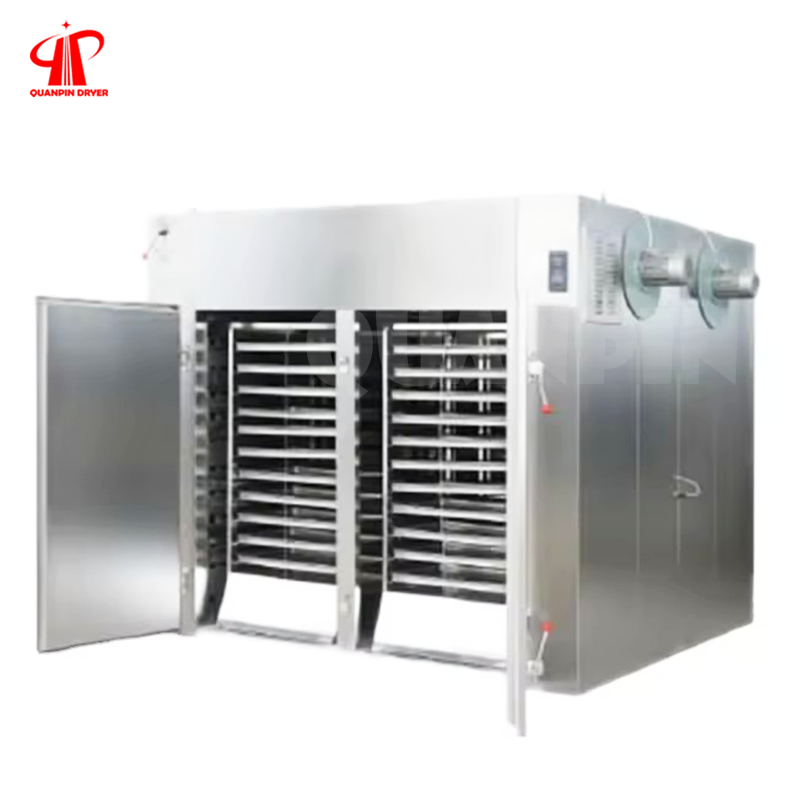
Define What the Measurement Is Intended to Prove
State whether the study concerns air temperature across the usable chamber, changes over time at a position, product temperature or final moisture. These measurements answer different questions. Define the intended operating condition, the observation period and the acceptance criteria before collecting data.
An equipment specification may describe performance under particular test conditions. Request those conditions and identify whether the chamber was empty or loaded. Do not apply a result from one arrangement to every material, tray layout or batch size. Product acceptance must remain tied to the actual production requirement.
Use a Documented Sensor and Loading Plan
Agree sensor suitability, calibration status, placement and recording arrangements with the qualified process or validation team. Record a position map so that measurements can be compared during repeat studies. Select the locations and acceptance limits for the actual chamber and process rather than copying a universal sensor count.
The BINDER forced-convection oven page distinguishes temperature fluctuation, spatial uniformity and measurement services. It illustrates why one center measurement and a multi-position assessment are different tasks. Its published values describe that manufacturer’s equipment and do not establish performance for a QUANPIN oven.
Control the Conditions that Make Runs Comparable
Keep a tray map with material mass, layer depth, occupied positions and relevant preparation details. Record the operating settings and any door-opening or loading events. If the process changes, identify the change in the study report so that an apparent temperature difference is not mistaken for an equipment fault.
Investigate repeated position-dependent differences with the supplier. Review loading obstructions, airflow paths, exhaust arrangements and the validity of the measurements before increasing the setpoint. Any operating change should remain within approved equipment and product limits. Temperature mapping is evidence for a review, not permission to alter protective controls.
Verify the Product Endpoint as a Separate Step
Take representative product samples using the agreed sampling and analytical methods. Compare final moisture and relevant quality attributes across the batch. Air measurements may look consistent while different layers, pieces or starting moisture produce different endpoints. Conversely, one isolated reading should not be treated as proof that every tray fails.
Document the loading arrangement, study results, deviations and any repeat assessment. Agree when a change in material, batch size, tray layout or equipment configuration requires another review. This produces a useful acceptance record and helps the buyer distinguish a chamber-temperature claim from demonstrated product performance.
Discuss the Required Equipment Scope
For related preparation, read the herb tray loading and sampling guide. Review the QUANPIN equipment range and company website, then send an application inquiry with your material, production requirements and the questions you need the proposal to answer.