Paddle Dryer Energy Consumption: Compare the Complete Drying Duty
Paddle dryer energy consumption is meaningful only when the feed, moisture removal and equipment boundary are stated. A hollow paddle dryer uses an equipment arrangement that must be matched to the actual material. When comparing an indirect paddle dryer with other paddle drying equipment, separate heating duty from motor and auxiliary electricity. A smaller drive motor or a broad efficiency claim does not establish a lower total operating cost. For a hollow paddle dryer, assess conductive drying through representative material trials; compare indirect contact dryers using the complete heating and vapour-handling duty, particularly for sludge drying.
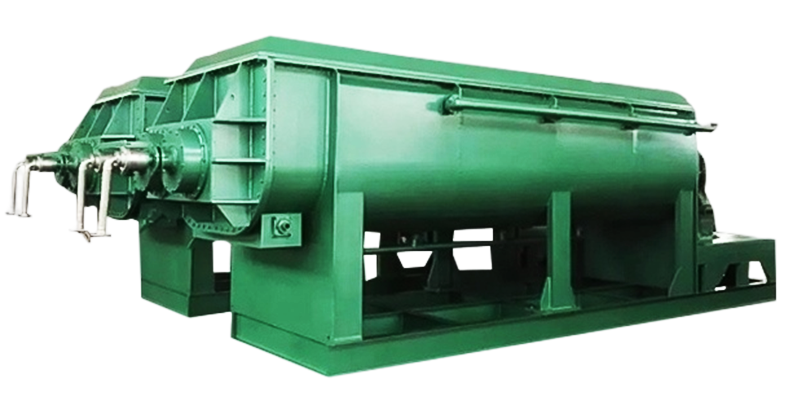
Define the Duty Before Comparing Utility Figures
State the incoming mass rate, initial moisture and required outlet moisture using a consistent measurement basis. Identify how the moisture values were obtained and the variation expected between batches or operating periods. Compare proposals for the same saleable output and final condition. Otherwise, a low utility figure may simply describe a different amount of water removal.
Separate normal production from start-up, shutdown and idle operation. Ask whether a quoted energy value represents a stable operating period, a complete production campaign or an estimate. Record assumptions about feed temperature, ambient conditions and available utilities. A calculated value can be useful when its assumptions are visible; it should not be presented as a measured result.
List Heating and Electrical Loads Separately
Identify the heating medium and how supplied heat is measured or estimated. Request the proposed thermal balance and the utilities included in it. For electricity, list the dryer drive, feeding, discharge, fans, pumps and other relevant auxiliaries. Avoid combining incompatible units into a single unexplained efficiency percentage.
The ANDRITZ paddle-dryer overview describes an indirect contact-drying arrangement. It provides general process context, not a guaranteed utility demand for a QUANPIN machine. Use project-specific feed information and the proposed system to establish the comparison.
Include the Equipment outside the Dryer Vessel
Confirm whether vapor collection, condensation, exhaust treatment, cooling or downstream handling is included. These items may sit outside the dryer supply boundary while still affecting the site utility bill. A quotation that excludes them should not be compared directly with a proposal that includes the complete process.
Also identify available heat recovery and the equipment required to use it. Distinguish a possible recovery concept from a designed and costed arrangement. Ask who supplies connections, controls and the receiving utility system. Report gross heat input and any credited recovery separately so that the comparison remains understandable.
Ask for Comparable Evidence and an Operating Cost Basis
For a material trial, record feed measurements, outlet samples, duration and utility readings for the same period. Discuss instrument accuracy and how retained material or process transitions are handled in the calculation. Trials should assess product quality and discharge behavior as well as utility demand; lower energy use is not useful if the required product is not obtained.
Apply the site utility prices to the separately reported loads and declare the operating schedule used. Include cleaning, maintenance and changeover where they affect production. Request a revised comparison when feed moisture or throughput changes. This approach lets a buyer distinguish a verified operating requirement from a marketing estimate without assuming one dryer type is always the cheapest.
Discuss the Required Equipment Scope
For related preparation, read the paddle and thin film sludge dryer comparison. Review the QUANPIN equipment range and company website, then send an application inquiry with your material, production requirements and the questions you need the proposal to answer.