Vacuum rake dryer: specify sampling for an API drying endpoint
By QUANPIN
A useful ZKG Vacuum Harrow(Rake) Dryer purchase begins with the accepted product and a representative material trial. For API wet solids, define moisture, residual solvent where relevant, API quality attributes and batch sampling representativeness before comparing vessel dimensions or nominal throughput. This guide explains the process, the equipment boundary and the measurements needed for an informative supplier comparison.
Start with the ZKG Vacuum Harrow(Rake) Dryer equipment page and the relevant QUANPIN industry applications. Share the material and intended product use before deciding on a configuration. The final equipment scope should follow documented feed data and trial evidence.
What the Dryer Must Deliver for Api Wet Solids
A rake agitator redistributes a suitable wet charge in a sealed indirectly heated vessel under reduced pressure. The vacuum system removes vapor; the API endpoint must be established by appropriate analytical testing. A vacuum rake dryer must be specified for the actual feed and required product.
A single easy-to-reach sample may not describe the whole charge. Document where and when each sample is taken, including material that mixes differently late in drying.
How the Api Wet Solids Process Works
The process combines rake agitation across changing consistency with indirect heating with controlled vapor removal. Record API identity, solvent history, wet solids behavior, assay basis and the required moisture or residual solvent endpoint. The feed, dryer, recovery equipment and discharge route should be evaluated together; an accepted sample does not automatically establish the performance of the complete line.
Operating readings should be interpreted alongside moisture, residual solvent where relevant, API quality attributes and batch sampling representativeness. A measurement at one gas, shelf or vessel location cannot describe every part of the material. Link each sample to its loading position or collection time and retain the corresponding process record.
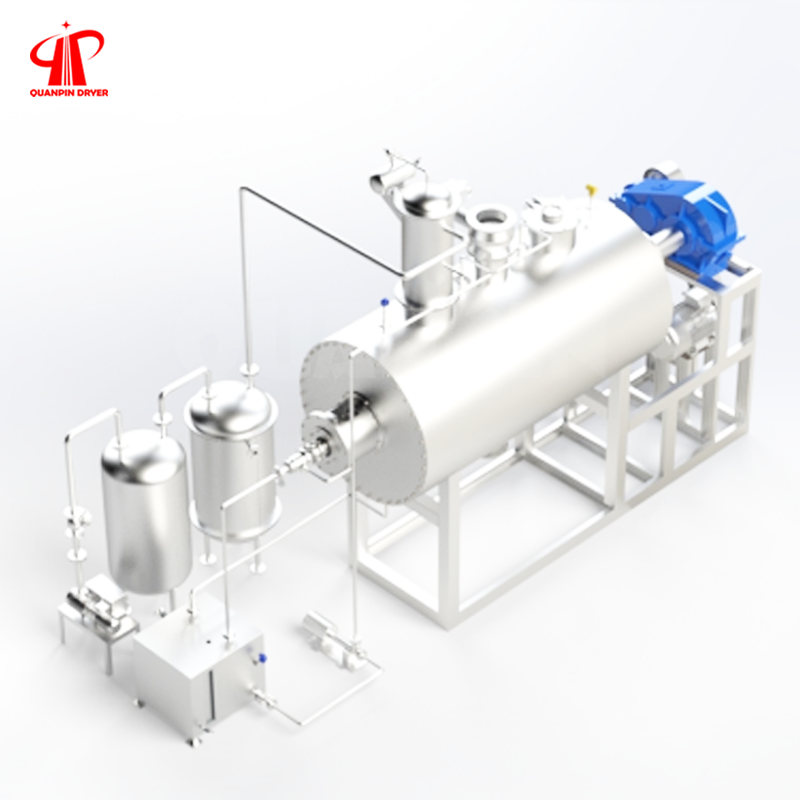
From Api Wet Solids to Accepted Product
Define quality attributes
Prepare a material record covering API identity, solvent history, wet solids behavior, assay basis and the required moisture or residual solvent endpoint. Include the production range and the preparation history rather than only a nominal value. Keep retained feed samples when appropriate so a changed result can be traced to material variation or process conditions.
Load the documented wet charge
Review rake agitation across changing consistency at the planned load and operating range. Observe interruptions, retained material and changes in consistency. A short trial with an easy feed should not be used as evidence for the full range expected during production.
Track consistency and agitation
Specify indirect heating with controlled vapor removal with the available utilities and relevant measurement points. Discuss access for inspection and cleaning. Any proposed operating window needs material-specific evidence; this guide does not prescribe a generic temperature, pressure or speed.
Take representative endpoint samples
Agree on a justified sampling plan and analytical methods. Compare results across the planned sampling positions and times, with sample handling controlled to prevent ambient exposure changing the result.
Review hold time and discharge
Define the finished-product boundary after cooling, discharge and packing where those steps are part of the purchase. For API wet solids, record rejected fractions and material remaining in the equipment. Compare usable output separately from the gross amount recovered.
Four Stages to Check During a Trial
Preparation: verify API identity, solvent history, wet solids behavior, assay basis and the required moisture or residual solvent endpoint against the representative trial charge. Document any upstream step performed differently from the intended factory process and assess whether that difference changes the comparison.
Drying: connect the operating history to moisture, residual solvent where relevant, API quality attributes and batch sampling representativeness. Include startup and interruptions where relevant. Retain both favorable and unfavorable samples so the trial report explains the demonstrated process range rather than only its best result.
Handling: use the planned discharge and packing route during the comparison. Agree on a justified sampling plan and analytical methods. Compare results across the planned sampling positions and times, with sample handling controlled to prevent ambient exposure changing the result. Include any relevant storage exposure so acceptance does not end at the dryer outlet.
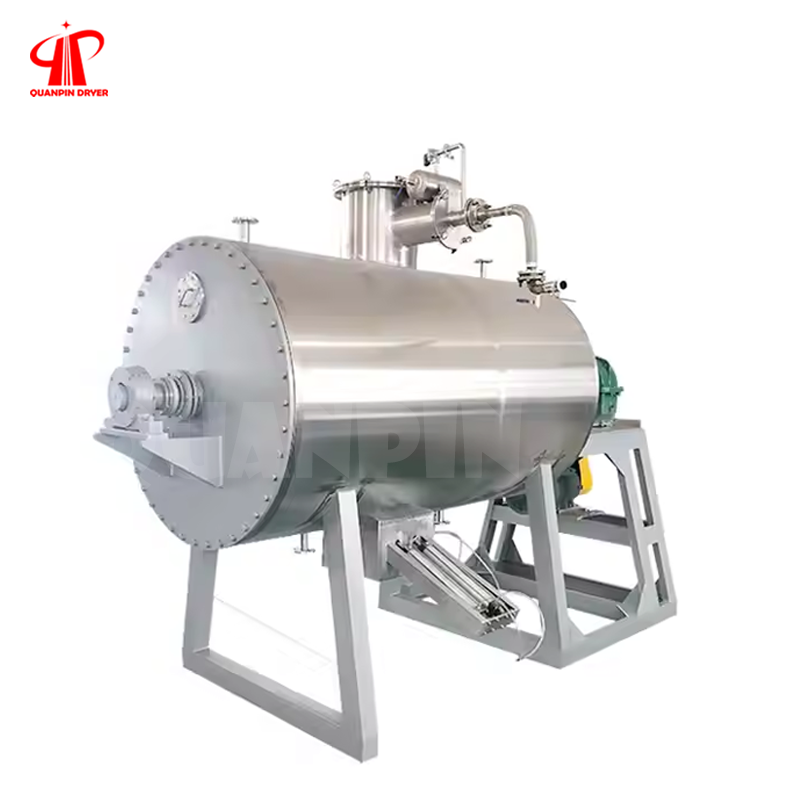
Main Equipment for Api Wet Solids Processing
Feed charging
The feed arrangement should handle API wet solids as actually prepared. Review loading, isolation, sampling and cleaning access with the supplier. Compare capacity only on a stated material basis, including any constraints introduced by the incoming consistency or load geometry. A vacuum harrow dryer must be specified for the actual feed and required product.
Rake and drive
The movement system provides rake agitation across changing consistency. Ask which components create that behavior and which parts need inspection. Equipment operation is one part of API manufacturing control. A vacuum reading or a dry appearance does not establish batch release or process validation. Document the selected arrangement instead of assuming every machine in the same named category works identically.
Heating surfaces
The vessel, chamber or bed provides the process space for API wet solids. Review the intended fill or layer range and how product reaches the outlet. Include product-contact areas that can retain material in the inspection and cleaning plan.
Vapor filter
The heat supply provides indirect heating with controlled vapor removal. The equipment needs a defined utility boundary and measurement scope. For independent technical background relevant to this comparison, consult FDA process validation; supplier-specific features in that reference are not QUANPIN specifications.
Configurations to Compare on a Matched Basis
By Material Handling Arrangement
Handling configuration: compare loading and movement arrangements against API identity, solvent history, wet solids behavior, assay basis and the required moisture or residual solvent endpoint. Identify which difference changes the process and which only changes the equipment description. A proposal should demonstrate the selected handling behavior with representative material. In a vacuum dryer comparison, use the same material and acceptance basis.
Batch or continuous scope: define the campaign boundary, production interruptions and sampling basis. Compare lines at the same accepted-product boundary. Startup material and retained inventory should not disappear from the balance simply because one quotation is presented as continuous. In a drying system comparison, use the same material and acceptance basis.
Heat and recovery arrangement: assess indirect heating with controlled vapor removal together with vapor or exhaust treatment. Review ICH Q7 API guidance for the relevant independent process or quality context. Explain how its scope relates to this material before using it in a purchasing specification. In a vacuum paddle dryer comparison, use the same material and acceptance basis.
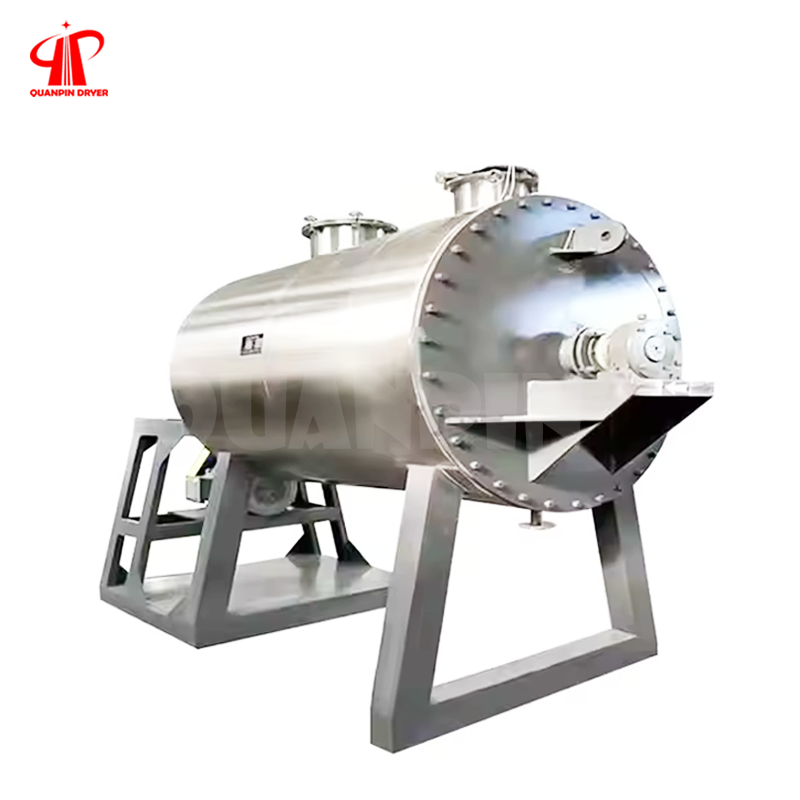
By Heat and Endpoint Control
Movement and loading: the appropriate arrangement depends on API wet solids. Specify loading range, material redistribution and access. Compare the intended load rather than assuming an empty-equipment observation establishes a usable production result.
Endpoint control: the chosen measurements should establish moisture, residual solvent where relevant, API quality attributes and batch sampling representativeness. Agree on analytical and sampling methods before changing operating conditions. A favorable instrument reading cannot replace a finished-product test needed for the customer application.
Downstream boundary: include discharge, cooling and packing where those operations affect acceptance. A single easy-to-reach sample may not describe the whole charge. Document where and when each sample is taken, including material that mixes differently late in drying. Document how each proposal deals with that uncertainty and which evidence remains to be collected.
Special Process Arrangements
Process enclosure: specify the need for vacuum, vapor collection or gas handling from the formulation and intended route. Assess seals, transfer points and cleaning alongside the main chamber. An enclosed vessel alone does not establish complete containment. In a double cone rotary vacuum dryer comparison, use the same material and acceptance basis.
Alternative route: compare a different drying principle only when its feed form and accepted product are clearly defined. Equipment operation is one part of API manufacturing control. A vacuum reading or a dry appearance does not establish batch release or process validation. Use matched sampling and quality methods so a process change is not confused with a change in test conditions. In a conical vacuum dryer comparison, use the same material and acceptance basis.
Additional stages: add a conditioning, cooling or recovery stage only for a defined duty. Review ICH Q8 development guidance for applicable process or quality background. Keep the final acceptance boundary visible when comparing the complete equipment scope. In a square vacuum dryer comparison, use the same material and acceptance basis.
Applications and Acceptance for Api Wet Solids
Industry application: the intended application is Pharmaceutical — Drugs(APIs) Drying. The material specification and customer use determine which dryer arrangement is relevant. Do not transfer a successful result from another material merely because it belongs to the same broad industry.
Incoming material: document API identity, solvent history, wet solids behavior, assay basis and the required moisture or residual solvent endpoint. State lot identity and any meaningful preparation changes. Before comparing the equipment, establish which variation the trial must represent and which differences require another test.
Finished product: assess moisture, residual solvent where relevant, API quality attributes and batch sampling representativeness. Agree on a justified sampling plan and analytical methods. Compare results across the planned sampling positions and times, with sample handling controlled to prevent ambient exposure changing the result. Maintain the same test methods and conditioning so comparisons between trial runs describe the process rather than the laboratory setup.
Campaign operation: A single easy-to-reach sample may not describe the whole charge. Document where and when each sample is taken, including material that mixes differently late in drying. Review grade changes, access and retained material within the actual application. Agree on the acceptable evidence before treating the equipment as ready for the planned campaign.
Benefits and Practical Limits
Agitation may redistribute a changing wet charge for contact drying. A useful purchase connects that handling behavior to a reproducible analytical endpoint.
Equipment operation is one part of API manufacturing control. A vacuum reading or a dry appearance does not establish batch release or process validation.
Factors That Influence Performance
Feed basis: changes in API identity, solvent history, wet solids behavior, assay basis and the required moisture or residual solvent endpoint can change the drying and handling duty. Retain the original unit and basis in calculations. Compare accepted output and utility use only after both suppliers are using the same input definition.
Thermal conditions: interpret indirect heating with controlled vapor removal alongside the measured product. Identify whether the quoted reading describes a utility, chamber, gas or actual material condition. Keep the sampling and operating histories together when evaluating a proposed change.
Material movement: document rake agitation across changing consistency under representative conditions. Observe how the material changes during processing. Inspect retained or segregated fractions where relevant instead of assuming the average discharge represents every part of the load.
Time and loading: a campaign comparison needs a defined loading range and operating duration. For API wet solids, check whether startup, endpoint or interruption behavior creates rejected product. A short favorable test must not be presented as a full production campaign.
Quality measurements: Agree on a justified sampling plan and analytical methods. Compare results across the planned sampling positions and times, with sample handling controlled to prevent ambient exposure changing the result. Review ICH Q3C solvent reference for relevant analytical, process or hazard context. Apply only the parts appropriate to the material and jurisdiction; the link does not provide a universal equipment guarantee.
Cleaning and maintenance: include the time needed to inspect, clean and return to accepted API wet solids processing. Identify parts requiring attention and record what is actually accessible. Evaluate campaign availability with the same service assumptions across proposals.
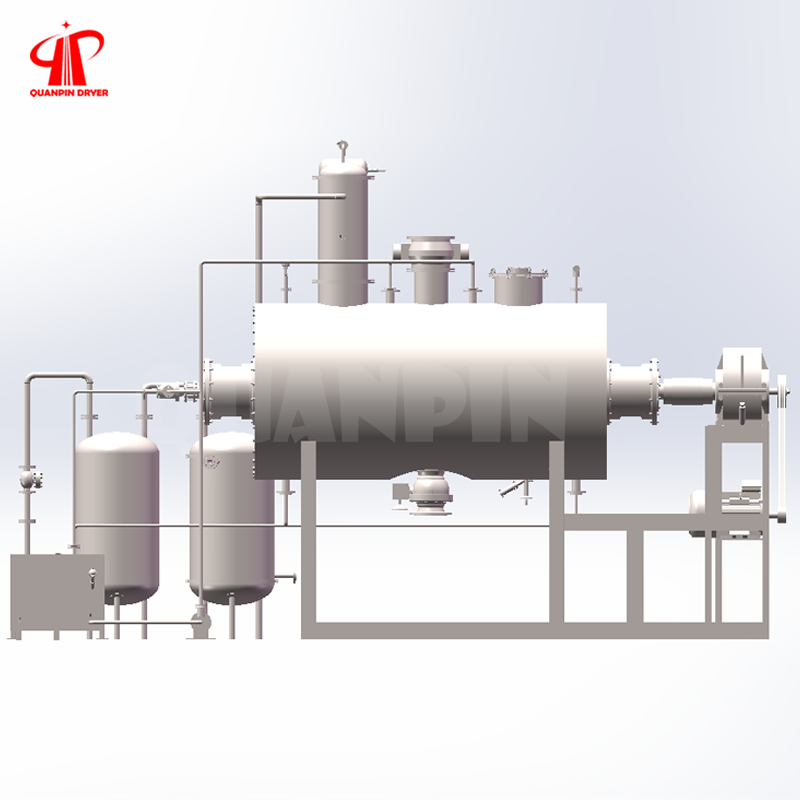
Safety and Operating Requirements
Safety and hygiene requirements depend on the actual material, utilities and installation. Use ICH Q9 risk management as applicable background when defining the assessment. Protective systems, exposure controls and authorized operating limits require qualified review; no generic settings are recommended here.
Selecting Equipment for Api Wet Solids
Prepare an enquiry covering API identity, solvent history, wet solids behavior, assay basis and the required moisture or residual solvent endpoint, the target moisture, residual solvent where relevant, API quality attributes and batch sampling representativeness and available utilities. Add space, cleaning, sampling and packing constraints. Identify the uncertainties needing representative tests before requesting a firm equipment comparison.
Agree on acceptance before the trial. Agree on a justified sampling plan and analytical methods. Compare results across the planned sampling positions and times, with sample handling controlled to prevent ambient exposure changing the result. Ask for the complete record, including failed samples, retained inventory and differences from the planned factory process. Separate observed trial results from projections that still need a scale-up review.
Frequently Asked Questions
How should alternative drying routes be compared?
Choose the route that processes the actual feed and delivers the intended product. Equipment operation is one part of API manufacturing control. A vacuum reading or a dry appearance does not establish batch release or process validation. Compare preparation, drying, discharge and customer tests together; a machine name cannot establish equivalence between different process boundaries.
When is an additional finishing stage justified?
Include another finishing stage only where it performs a separately demonstrated duty. For API wet solids, compare samples before and after the proposed operation and identify its contribution to moisture, residual solvent where relevant, API quality attributes and batch sampling representativeness, along with utilities and cleaning requirements.
Can one successful trial establish suitability for every feed?
No. A single easy-to-reach sample may not describe the whole charge. Document where and when each sample is taken, including material that mixes differently late in drying. The formulation, feed behavior and intended use determine suitability. Confirm the expected material range before extending one successful trial to a different load, grade or campaign.
What information is needed to define capacity?
Provide both the input basis and accepted-product requirement. For API wet solids, distinguish wet feed, dry solids, water removal and saleable output where relevant. Include operating time, retained inventory and rejected material rather than quoting an unexplained capacity figure.
How should maintenance intervals be selected?
Use the manufacturer’s schedule and actual service evidence. Inspection needs depend on API wet solids, the movement system and the recovery arrangement. Define records and replacement criteria through the operating review rather than inventing a universal maintenance interval.
Discuss Your Api Wet Solids Project with QUANPIN
Share your API wet solids requirements with QUANPIN, including the feed record and acceptance plan. Review the drying equipment range or contact the team to discuss the next material trial and quotation scope.
Email sales@quanpinmachine.com or stacie@quanpinmachine.com. Call +86 19850785582, or contact QUANPIN on WhatsApp: +86 15921493205.