Vacuum Rake Dryer Cleaning Access: Questions to Resolve Before Ordering
Cleaning access should be included in the first vacuum rake dryer specification. Buyers need to explain what residues may remain, how they will be removed and how the cleaned vessel will be inspected. The answer depends on the actual feed and the site’s cleaning procedure. As an agitated vacuum dryer, the vacuum rake dryer should be assessed for paste drying and any product-temperature limits relevant to low-temperature vacuum drying.
Describe residue behavior through the complete cycle
A wet paste can behave differently from the dried product. Tell the supplier whether the material adheres to surfaces, forms cohesive lumps or becomes dusty during discharge. Include observations from representative processing or trials when available.
For a vacuum rake dryer for paste materials, describe the normal composition and expected variation. A product name alone does not establish how material will move or which surfaces retain it. Check cleaning assumptions against the condition found after a representative drying run.
Review access using equipment drawings
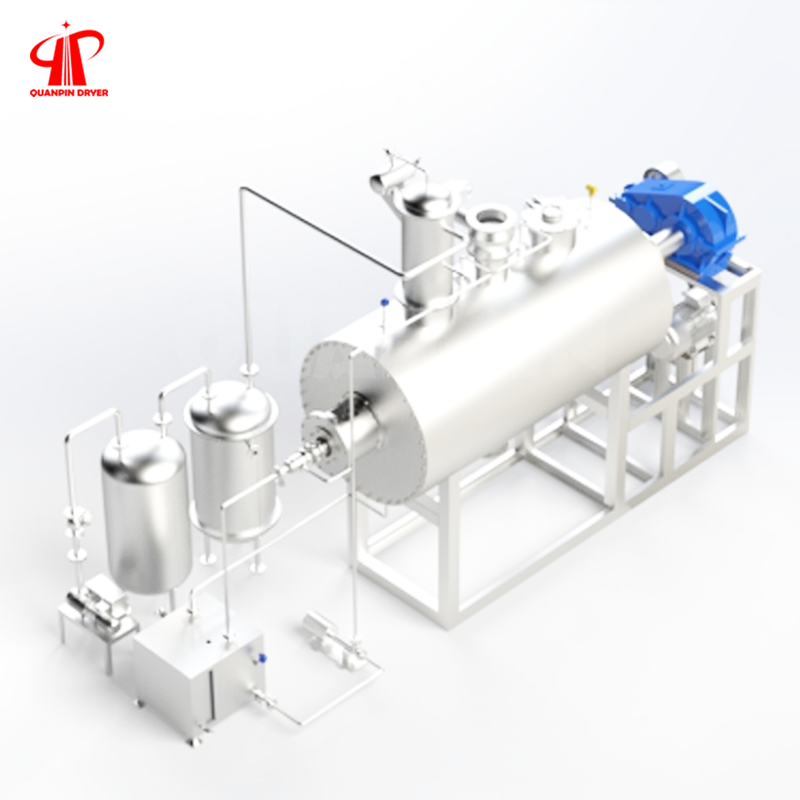
A vacuum rake drying machine combines a vessel, agitator, heated surfaces and a vapor path. Ask the supplier to identify inspection openings, charging and discharge connections, seals and areas that may be difficult to reach. Clarify what can be removed for maintenance.
Discuss access to the drive and the cleaning tasks specified by the site. Equipment dimensions do not automatically include maintenance space. Request an installation drawing showing the required service access and explain any building constraints.
Match the cleaning method to contact materials
Provide the planned cleaning agents, relevant conditions and product-contact restrictions established by your quality team. Ask the supplier to review surfaces and seals against that information. Do not infer universal compatibility from a generic stainless-steel description.
If the plant handles several products, describe the changeover sequence and acceptable residue criteria. The cleaning procedure and verification remain product- and site-specific. A statement that equipment is easy to clean is not a documented acceptance method.
Include cleaning in the batch schedule
For vacuum rake dryer design, compare charging, drying, discharge, cleaning, inspection and preparation for the next run. A shorter drying period can still leave another step as the production bottleneck.
Record the labor, access and equipment conditions needed during a trial clean. Determine which steps require cooling or another approved safe state. Follow the manufacturer’s isolation and maintenance procedure; a purchasing review does not replace it.
Ask for evidence relevant to your process
Request a proposal stating assumed material behavior, access arrangements, cleaning scope and outstanding tests. Document residue locations during trials using the site’s approved method, then assess whether the planned procedure reaches them.
Send QUANPIN your feed description, batch requirements, cleaning procedure and layout constraints. Resolve gaps in access or responsibility before ordering.
Review the QUANPIN equipment page, explore the drying equipment range, learn about QUANPIN, or send your process requirements.