Vacuum Freeze Dryer: Define Probiotic Tray Loading Before Comparing Batch Capacity
By QUANPIN
A quoted batch mass does not describe how a formulated probiotic ingredient is distributed across the loaded shelves. Specify the real tray arrangement and load basis before comparing capacity or quality across loads. The Vacuum Freeze Dryer comparison begins with the actual formulated food ingredient.
This guide examines the FD Vacuum Freeze Dryer (Lyophilizer) for probiotic food ingredient. Its scope matches QUANPIN industry applications: thermally sensitive active substances and probiotics.
What Must Be Established for Probiotic Food Ingredient?
A formulated load is frozen before water is removed under vacuum by sublimation and subsequent drying stages. The shelf arrangement, formulation and vapor collection system determine the tested process boundary.
The required result covers accepted food ingredient mass, load-position consistency and the agreed assay and moisture results. The useful comparison distinguishes what happens inside the equipment from changes introduced during collection, transfer or product testing.
How the FD Vacuum Freeze Dryer (Lyophilizer) Works
Prepare a record of culture identity, food formulation, protective ingredients, initial assay basis, load geometry and the required packed ingredient condition. Keep the trial feed representative of the proposed production material so a favorable result has a clearly stated scope. A Vacuum Freeze Dryer Machine quotation should state the load and the agreed assay basis.
Freeze drying does not guarantee viability, a shelf life or a health benefit. Suitability must be established for the actual food formulation.
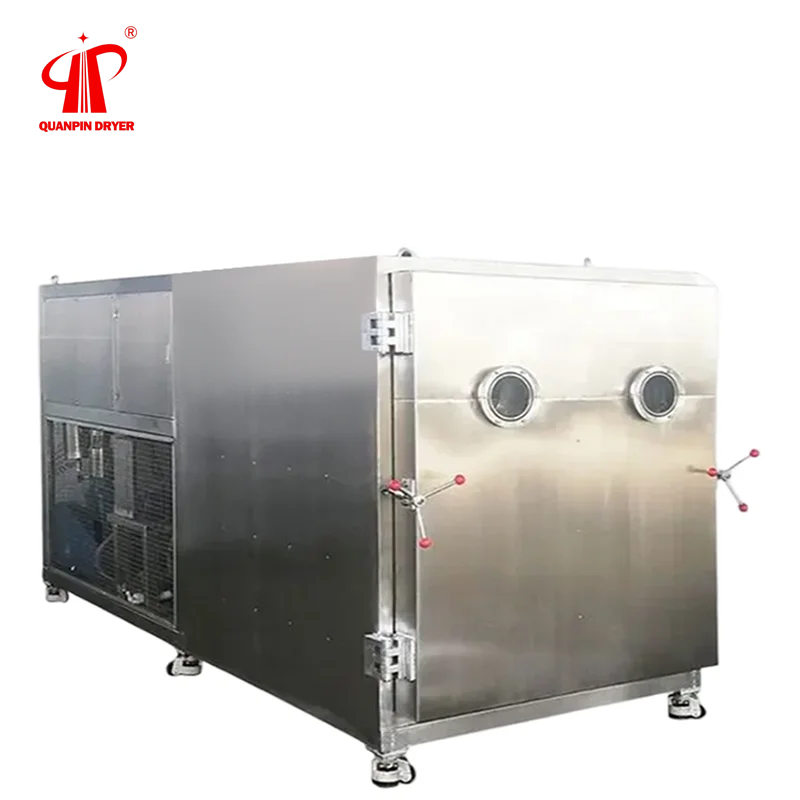
From Prepared Feed to Accepted Probiotic Food Ingredient
Define ingredient mass and formulation solids
Begin by agreeing how the result will be measured. For probiotic food ingredient, the sample preparation, reporting basis and collection identity need to remain traceable throughout the comparison.
Map trays and load positions
Document the feed and fitted arrangement before the run. The preparation record should explain which variation is being tested and which variables are deliberately held comparable.
Record the represented shelf load
During the run, retain process events with their sample identities. Include interruptions and any changes that could affect accepted food ingredient mass, load-position consistency and the agreed assay and moisture results rather than retaining only the best operating period.
Test identified load-position samples
Map the loaded tray positions and keep the prepared ingredient mass and load description with the run. Use the agreed position-linked assays and moisture tests before interpreting the accepted complete batch.
Compare the complete accepted ingredient batch
Carry the accepted material through the specified receiving boundary. If later handling is outside the quotation, identify that exclusion and the condition at which the supplier’s responsibility ends.
Four Boundaries to Check During a Trial
Before processing: identify the material lot, preparation history and inspection status. State what would make this particular probiotic food ingredient trial unrepresentative before accepting its result.
During processing: record the selected equipment arrangement and actual events. An unexplained instrument reading cannot replace the required product evidence.
At collection: preserve the identity and mass basis of the fractions needed for comparison. Keep excluded, rejected and retained material visible in the campaign record.
At the receiving operation: check the relevant attributes of probiotic food ingredient after the handling included in the purchase. A product can change after it leaves the main machine.
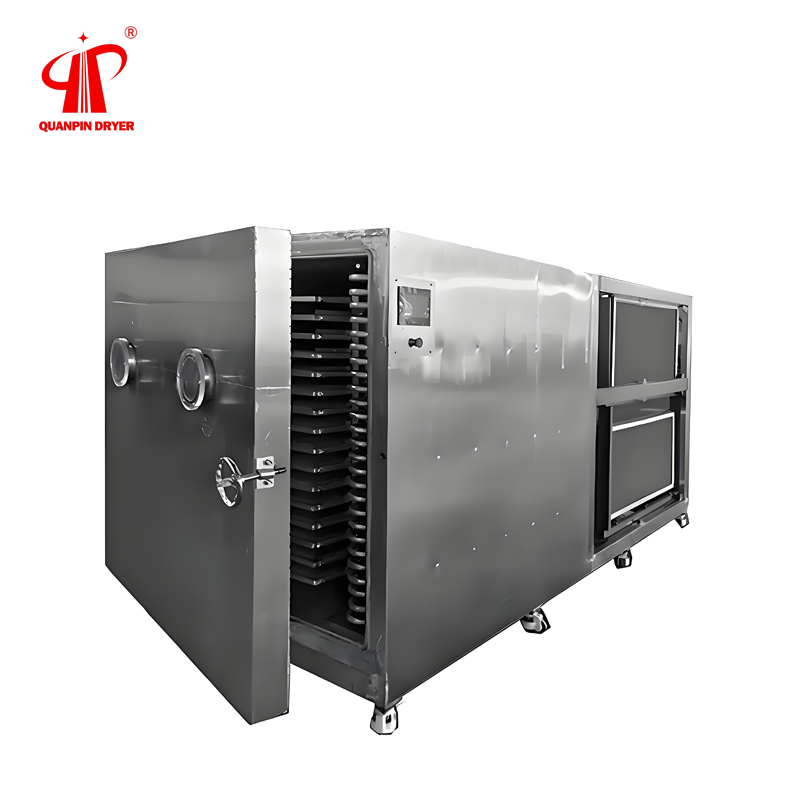
Main Equipment for Probiotic Food Ingredient
Formulation and freezing
The feed interface must handle the documented incoming form. Review charging consistency and access for the proposed probiotic food ingredient duty without substituting an easier development feed for production material. Evaluate a vacuum freeze drying machine with the formulation and planned packing boundary visible.
Shelf and tray arrangement
The movement system should correspond to the stated principle and drawing. For the FD Vacuum Freeze Dryer (Lyophilizer), compare the actual installed arrangement and its intended material range, with inspection through the approved procedure. A food vacuum freeze dryer needs an application-specific test; a generic low-temperature description cannot establish retained activity.
Thermal system
The process space and product-contact path should provide the required material treatment and practical access. Identify locations that can retain material or create an unrepresented fraction.
Vacuum chamber
For independent technical context, consult GEA food freeze drying. It supports review of removing moisture from frozen food loads; supplier-specific features in that reference are not QUANPIN specifications.
Condenser and vacuum supply
The collection or transfer interface needs a stated destination and quality boundary. The accepted probiotic food ingredient balance should identify all relevant outlets and material retained in the system.
Unloading and protected packing
Controls and records should connect the equipment state to each sample event. Agree which readings are meaningful for this material, how deviations are recorded and which evidence is needed at acceptance.
Configurations and Process Evidence
By Feed and Working Range
Feed configuration: compare preparation, loading and delivery against the actual probiotic food ingredient record. A difference in the feed route may require another representative test rather than a direct capacity comparison. Define food vacuum drying as the complete loading, drying and protected handling route.
Working range: define the proposed load or operating interval and the product boundary. Explain where the trial evidence supports that range and where scale-up remains to be demonstrated.
Process interfaces: GEA batch freeze drying provides context for batch loading and food ingredient handling. Use its scope to frame the comparison without transferring its proprietary options or performance claims to QUANPIN.
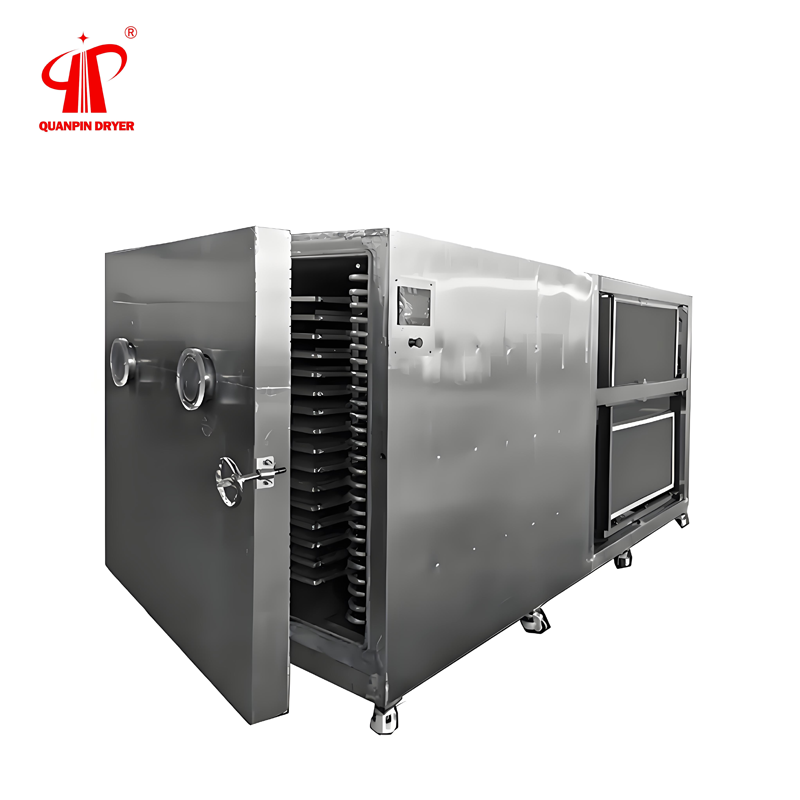
By Movement and Acceptance Method
Material movement: examine the selected arrangement with the intended working material. An empty-equipment observation cannot establish how the prepared probiotic food ingredient will behave.
Endpoint evidence: choose the required measurements before adjusting the process. Distinguish an equipment readiness check, a process indication and a finished-product test in the acceptance report.
Campaign boundary: include the relevant startup, interruption, discharge and changeover duties. Record whether the quoted output describes gross collection or accepted material at the agreed destination.
Special Process Arrangements
Handling arrangement: evaluate the interfaces around the FD Vacuum Freeze Dryer (Lyophilizer) as well as the main unit. The intended plant layout should preserve the sample and material identities used to establish acceptance. An industrial vacuum dryer size label does not establish the result for every shelf position or food formulation.
Application requirements: review FDA food manufacturing practices for food ingredient hygiene. Apply the relevant parts to the actual material and intended use, rather than treating a general reference as a product guarantee.
Additional stages: add a separate preparation or finishing stage for a defined duty. Identify what changes across it and how that contribution will be tested independently.
Application and Acceptance for Probiotic Food Ingredient
This application concerns thermally sensitive active substances and probiotics. Keep the industry and actual probiotic food ingredient specification together so evidence from an unrelated formulation is not presented as a direct demonstration.
The incoming specification should retain culture identity, food formulation, protective ingredients, initial assay basis, load geometry and the required packed ingredient condition. Preserve units, methods and preparation history so differences between lots can be investigated rather than hidden by a common product name.
The finished specification should define accepted food ingredient mass, load-position consistency and the agreed assay and moisture results. A test report should identify both the result and the collection or load represented by the tested sample.
Assess the intended customer or receiving-process use. If that use changes, review whether the existing probiotic food ingredient tests still answer the new acceptance question.
Benefits and Practical Limits
A material-focused trial makes equipment proposals easier to compare: it links the feed, selected arrangement and measured result. The benefit is evidence for a defined application, not a universal claim about every product in the equipment category. Treat low-temperature vacuum drying as a process description rather than a guarantee of biological performance.
The demonstrated range remains limited by the actual feed, test method and process boundary. Avoid extrapolating a short successful FD Vacuum Freeze Dryer (Lyophilizer) run to untested materials or an undefined campaign length.
Factors That Influence the Result
Feed and test basis: State the basis of loaded material mass and formulation solids.
Preparation and equipment: Keep tray identity, position and load preparation traceable through unloading.
Sampling boundary: Do not infer uniform load performance from the most convenient shelf sample.
Collection and transfer: Preserve the assay method and sample preparation across the compared positions.
Product interpretation: Compare the protected packing boundary if it belongs to the proposed line. FDA water activity background provides background for distinguishing storage measurements.
Complete campaign: Separate nominal equipment volume from demonstrated accepted-ingredient capacity.
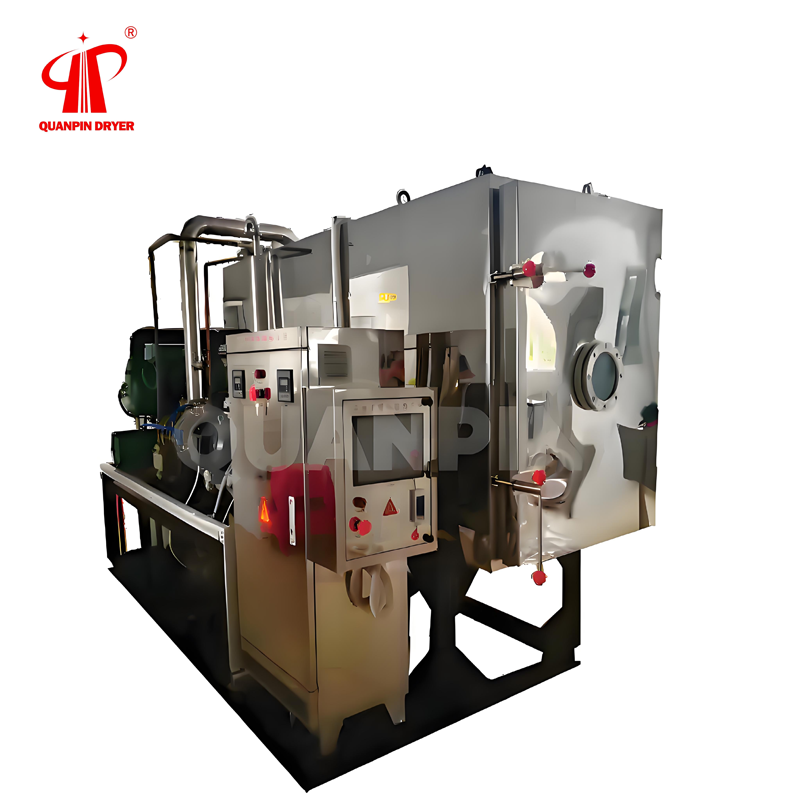
Safety and Operating Requirements
Review FAO dried ingredient storage for protection between drying and packing. The actual composition, installation and intended industry determine the handling and operating requirements; no generic machine setting establishes those requirements for every material.
Use equipment-specific procedures for operation, access and maintenance. Review changed materials or configurations before reusing a previously accepted operating window. Keep product acceptance separate from assumptions about certification or containment.
Selecting Equipment for Probiotic Food Ingredient
Provide QUANPIN with culture identity, food formulation, protective ingredients, initial assay basis, load geometry and the required packed ingredient condition, the required product tests, available utilities and practical handling constraints. State the uncertainty the proposed material trial needs to resolve before comparing a firm equipment scope. For heat-sensitive material drying, investigate the actual formulation response through the agreed assay and sampling plan.
Agree on the acceptance report before the demonstration. It should connect feed identity, equipment configuration, sample results and the final material boundary, including any unresolved differences from the intended factory arrangement. Compare Drying Equipment at the same accepted-ingredient boundary, including unloading and packing.
Frequently Asked Questions
Where should the investigation begin?
Begin with a tray map, loaded formulation basis and representative position-linked samples. Nominal shelf or chamber capacity does not establish accepted ingredient output.
Which records should accompany the results?
Keep the material worksheet, configuration record and sample identities. For probiotic food ingredient, those records let a reviewer distinguish a changed feed or test from a real change in equipment behavior.
Does one successful trial establish universal suitability?
No. One successful FD Vacuum Freeze Dryer (Lyophilizer) run supports the preparation and operating range actually demonstrated. A new formulation, grade or receiving process may need different acceptance evidence.
How should capacity be stated?
Specify the incoming material basis, operating interval and accepted output boundary. Separate retained inventory and rejected fractions so a nominal processing rate is not confused with usable product output.
How should utilities be compared?
Compare utilities and campaign availability on the same accepted-product basis. A lower reading does not compensate for an unacceptable probiotic food ingredient result or an excluded preparation and handling duty.
How should maintenance decisions be made?
Use the manufacturer’s instructions and inspected service condition. Keep maintenance and equipment changes traceable to the relevant campaign, and investigate product drift before assigning it to a component without evidence.
Discuss Your Probiotic Food Ingredient Project with QUANPIN
Share your probiotic food ingredient specification and trial question with QUANPIN. Review the FD Vacuum Freeze Dryer (Lyophilizer) and the next material demonstration needed for a practical quotation.
Email sales@quanpinmachine.com or stacie@quanpinmachine.com. Contact QUANPIN on WhatsApp: +86 15921493205.