Ribbon Mixer for Seasonings: Define Cleaning Verification for Oil-Bearing Spice Recipes
By QUANPIN
An oil-bearing spice blend can leave residues that need a different inspection question from loose dry powder. Define the recipe and cleaning evidence before declaring a ribbon mixer ready for the next food campaign. A Horizontal Ribbon Mixer enquiry should start with formulation and the required composition evidence.
The application is food seasoning production with ingredients whose residue and allergen profiles are identified. No single cleaning method is assumed suitable for every recipe. See the matching food industry applications.
What Cleaning Evidence Matches the Oil-Bearing Seasoning Recipe?
Map the product-contact path and the intended cleaning procedure, then determine the verification evidence needed for the actual residue.
Visual inspection can support the review but should not automatically replace relevant analytical or hygienic checks.
Equipment Principle and Material Requirements
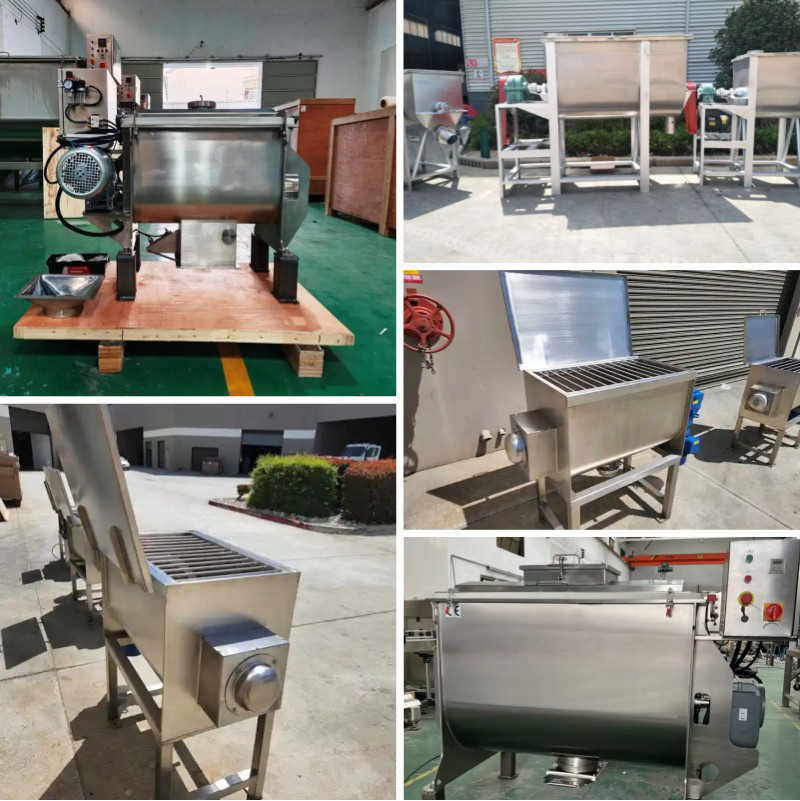
The ribbon assembly circulates compatible ingredients through a horizontal trough. Contact surfaces and discharge locations can retain material after the blend is removed. Describe the intended ribbon blender duty using the actual ingredient properties and working load.
An oil-bearing residue can behave differently during removal from a freely flowing dry ingredient, so the actual recipe matters.
Five Steps for the Application Study
Identify the campaign recipes
Identify the previous and next seasoning recipes, including relevant oil, carrier and allergen ingredients.
Map relevant contact surfaces
Define the contact surfaces and accessories covered by the cleaning procedure.
Perform the approved cleaning
Apply the approved cleaning and safe-access method for the installed configuration.
Verify the stated locations
Check the selected inspection and verification points using the justified food-process methods.
Document equipment release
Document the release decision and unresolved findings before the next campaign begins.
Four Process Boundaries to Record
Recipe identity: retain ingredients relevant to residue removal and cross-contact assessment.
Equipment scope: include relevant trough, ribbon and discharge surfaces.
Cleaning: record the actual procedure rather than an assumed successful outcome.
Verification: state what the chosen observation or test can establish.
Ribbon Mixer for Seasonings Components and Interfaces
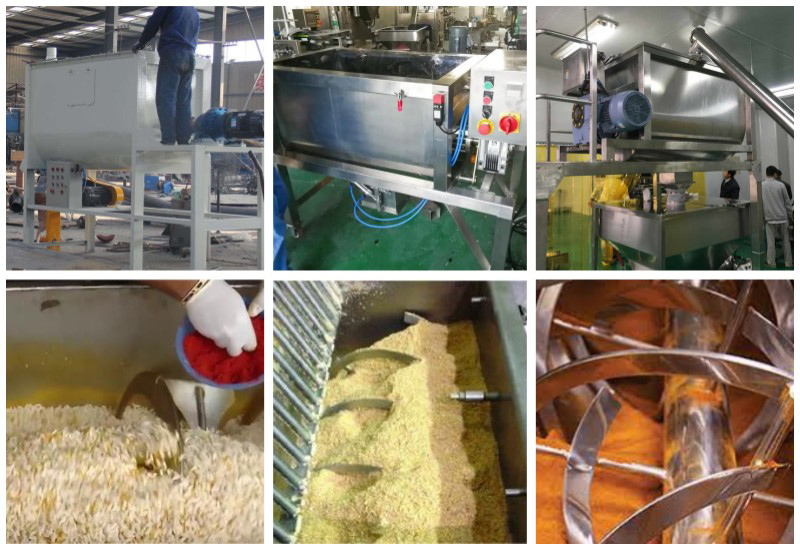
Ingredient charging
The charging opening and any contact accessories belong in the cleaning scope when they handle the seasoning.
Ribbon assembly
The ribbon assembly needs an approved access and inspection arrangement without exposing moving parts. Choose the dry blending arrangement for the documented material rather than a generic vessel-volume claim.
Trough and drive
The trough surfaces should be considered with the actual residue and cleaning procedure.
Closure and access
Seals and relevant connections require their own identity within the contact and inspection review.
Discharge arrangement
The discharge area can retain material after the visible bulk blend has left the mixer.
Sampling and food-contact cleaning
Verification records should identify the method, collection location and equipment condition represented by each result.
Comparison Choices and Process Interfaces
Define the Reference Basis
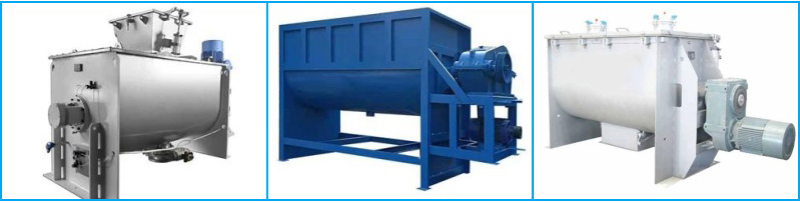
A campaign change between similar recipes and a change involving a different allergen profile can require different review questions. Review the powder blender interfaces, including charging, sampling and receiving equipment.
Do not infer equivalent cross-contact risk from a shared product category such as seasoning powder.
Use the actual ingredient records to define the relevant food-safety assessment.
Keep the Comparison Interpretable
A visual observation answers a different question from an assay targeted to a specified residue.
Choose the evidence through the site’s food-safety and quality procedures rather than treating any one test as universal.
Keep inspection locations consistent when comparing an established procedure with a proposed change.
Assess the Receiving Process
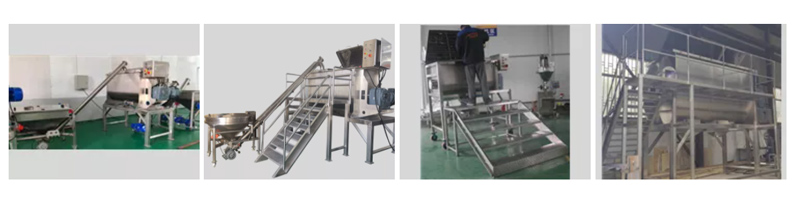
Where wet cleaning is proposed, include the intended return-to-service condition in the method review. Define how powder mixer connects to the preceding preparation and the next operation.
A surface that appears dry has not thereby demonstrated every relevant hygienic or residue requirement.
Document the equipment release decision using the procedure and evidence applicable to that campaign.
Industry Application and Acceptance
Condiment and fragrance ingredient processing provides the matching food-industry application. Food equipment and processing need appropriate hygiene controls. See FDA food manufacturing practices.
Food hygiene and allergen cross-contact controls remain relevant even when the equipment’s mixing performance is satisfactory. Identify allergens and cross-contact requirements when ingredients or carriers introduce them. See FDA food allergen information.
Oil, carrier and flavor changes should remain visible in the formulation and cleaning review. Water activity describes a property different from total moisture content. See FDA water activity background.
The finished seasoning still needs its own product and storage requirements assessed separately from equipment release.
Benefits and Practical Limits
A recipe-specific verification plan gives the cleaning record a clear purpose and helps explain which surfaces and residues were assessed. Selection of Mixing Equipment should include cleaning access and the intended campaign sequence.
It does not establish a universal cleaning agent, residue limit or food-safety guarantee for every seasoning recipe.
Six Details That Affect the Result
Record the previous recipe and the next intended campaign with the cleaning event.
Identify accessories included in the contact path rather than inspecting only the main trough.
Use the specified sampling or inspection method at the identified locations.
Retain deviations and repeated cleaning steps with the affected equipment record.
Distinguish verification of equipment condition from testing the finished food product. Include relevant sanitation and handling requirements in the food-process review. See FDA sanitation and transportation resources.
Review an adopted cleaning change through the responsible food-safety and quality process.
Safety and Operating Requirements
Isolate the machine through its approved procedure before accessing the ribbon or discharge components.
Assess cleaning-agent, food-residue and powder hazards for the actual task and installation. Food hazard analysis and relevant preventive controls are separate from demonstrating a preferred ingredient appearance. See FDA preventive controls for human food.
Prepare Your Equipment Enquiry
Provide QUANPIN with the seasoning ingredients, proposed campaign sequence and required cleaning access. Specify the evidence required for industrial mixers; a favorable visual impression is insufficient where composition matters.
Ask the equipment scope to identify product-contact components and inspection points relevant to the intended food-cleaning procedure. Compare uniform powder mixing at the same material and acceptance boundary before scaling the working batch.
Frequently Asked Questions
Is visual cleanliness enough for every seasoning?
Not for every residue or food-safety question; determine the appropriate evidence through the responsible procedures.
Can similar recipe names establish equivalent cleaning duties?
No. Identify the actual ingredients, residues and allergen profile of each relevant campaign.
Does an apparently dry surface establish release?
The release decision should reflect the reviewed return-to-service requirements, not appearance alone.
Should cleaning accessories be included?
Include relevant accessories and discharge connections within the actual product-contact scope.
Does equipment release replace finished-food testing?
Keep the equipment verification and finished-food requirements distinct.
What recipe information does QUANPIN need?
Share the actual recipe and cleaning requirements so QUANPIN can review practical contact-path access.
Discuss Your Ribbon Mixer for Seasonings Application with QUANPIN
Discuss your application with Ribbon Mixer for Seasonings specialists at QUANPIN. Use the enquiry below or our contact page.
Email sales@quanpinmachine.com or stacie@quanpinmachine.com. Call +86 19850785582, or contact us on WhatsApp: +86 15921493205.