Ribbon Mixer for Seasonings: Assess Liquid Flavor Addition Without Concealing Wet Agglomerates
By QUANPIN
Confirm the proposed liquid-addition capability before the trial, then evaluate wet agglomerates and discharged composition separately. A nominally dry recipe can behave differently after liquid is introduced. A Horizontal Ribbon Mixer enquiry should start with formulation and the required composition evidence.
This guide concerns seasoning powders receiving a specified liquid flavor addition. It follows the material from its identified starting condition to the acceptance decision, so equipment observations and product evidence can be reviewed together. See the matching food industry applications.
How Should a Small Liquid Flavor Addition Be Evaluated in a Dry Seasoning Blend?
The trial should resolve a specific question: How Should a Small Liquid Flavor Addition Be Evaluated in a Dry Seasoning Blend? Begin with the actual material and the quality attribute that the next process needs, then select observations capable of detecting a meaningful difference.
The comparison should retain powder recipe, liquid flavor identity and inclusion, addition arrangement, addition history and receiving conditions. These records make a changed input distinguishable from a changed processing response.
Equipment Principle and Material Requirements
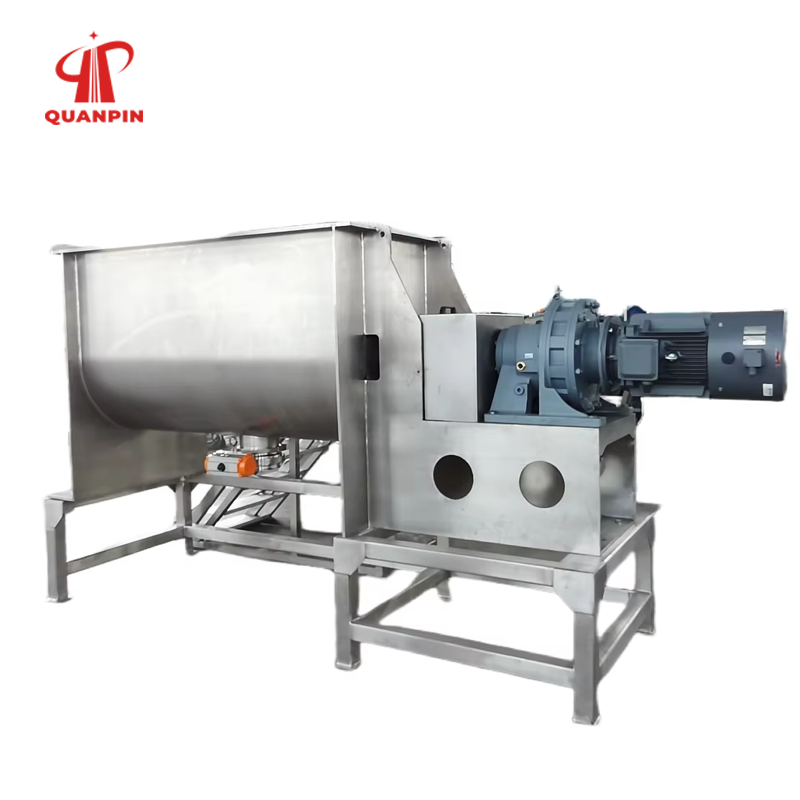
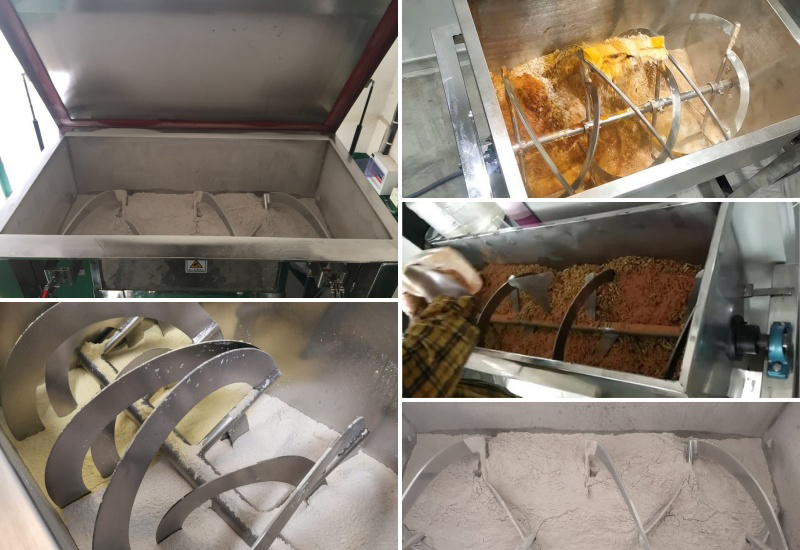
The ribbon assembly circulates compatible ingredients through a trough. When the proposed configuration includes a suitable liquid-addition arrangement, local liquid distribution and powder movement must be evaluated together. Describe the intended ribbon blender duty using the actual ingredient properties and working load.
The equipment mechanism and the product acceptance method have separate roles. A recorded machine setting describes how a run was carried out; acceptance requires agglomerates, relevant marker distribution, retained material, moisture or water activity where relevant and intended food-use performance.
Five Steps for a Defined Trial
Confirm the liquid-addition scope
Do not assume a standard ribbon mixer includes a spray or metering system; request the actual quoted arrangement.
Record powder and liquid identity
Keep the actual liquid addition and its time history with the formulation record.
Observe an approved addition trial
A liquid flavor can introduce allergens or carrier ingredients that need their own identity review.
Test agglomerates and composition
Distinguish acceptable coated powder from localized wet lumps using the defined product method.
Review packing and hygiene requirements
Include material retained around the addition location and discharge path in the reconciliation.
Four Boundaries to Record
Starting material: Do not assume a standard ribbon mixer includes a spray or metering system; request the actual quoted arrangement.
Processing history: Keep the actual liquid addition and its time history with the formulation record.
Collection and measurement: A liquid flavor can introduce allergens or carrier ingredients that need their own identity review.
Decision and follow-up: Check the finished seasoning on its intended storage and handling basis rather than inferring stability from its initial appearance.
Ribbon Mixer for Seasonings Components and Interfaces
Ingredient charging
The feed interface must handle the documented incoming form. Review charging consistency and access for the proposed dry seasoning blend duty without substituting an easier development feed for production material. The Ribbon Mixer comparison needs both the sample method and the discharge boundary. The Ribbon Mixer comparison needs both the sample method and the discharge boundary.
Ribbon assembly
The movement system should correspond to the stated principle and drawing. For the WLDH Series Horizontal Ribbon Mixer, compare the actual installed arrangement and its intended material range, with inspection through the approved procedure. Choose the dry blending arrangement for the documented material rather than a generic vessel-volume claim. Choose the dry blending arrangement for the documented material rather than a generic vessel-volume claim.
Trough and drive
The process space and product-contact path should provide the required material treatment and practical access. Identify locations that can retain material or create an unrepresented fraction.
Closure and access
The supporting utilities and instrumentation must match the quoted configuration. Identify the actual measurement points, inspection access and service boundaries rather than assuming every optional feature is included.
Discharge arrangement
The collection or transfer interface needs a stated destination and quality boundary. The accepted dry seasoning blend balance should identify all relevant outlets and material retained in the system.
Sampling and food-contact cleaning
Controls and records should connect the equipment state to each sample event. Agree which readings are meaningful for this material, how deviations are recorded and which evidence is needed at acceptance.
Study Configurations and Comparison Choices
Reference Condition
Establish the reference condition with powder recipe, liquid flavor identity and inclusion, addition arrangement, addition history and receiving conditions. Preserve the actual method version and the records needed to repeat the comparison. Review the powder blender interfaces, including charging, sampling and receiving equipment.
Keep the reference specimen identifiable. Repeating a test on the same specimen evaluates a different source of variation from collecting another independent specimen.
Do not assume a standard ribbon mixer includes a spray or metering system; request the actual quoted arrangement.
Controlled Comparison
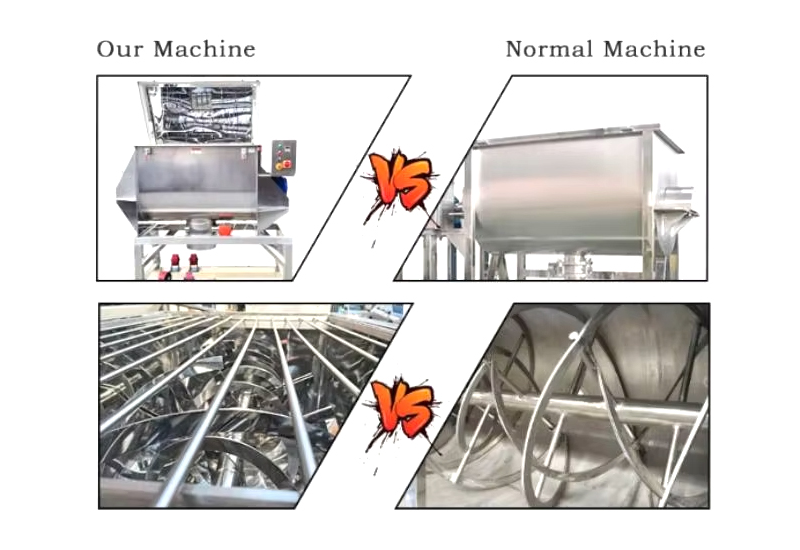
Select the variable that the study is intended to examine. If the material, equipment arrangement and analytical preparation all change, a difference cannot readily be assigned to one cause.
Distinguish acceptable coated powder from localized wet lumps using the defined product method.
Record unplanned interruptions or deviations with the affected collections. Excluding them without explanation can overstate the demonstrated operating range.
Downstream and Whole-Run Review
Extend the comparison to the next process only where the intended use requires it. The relevant evidence is agglomerates, relevant marker distribution, retained material, moisture or water activity where relevant and intended food-use performance. Define how powder mixer connects to the preceding preparation and the next operation.
Include material retained around the addition location and discharge path in the reconciliation. Consult FAO dried food handling guidance for moisture protection of dried fruit and vegetable ingredients.
Retain rejected and retained material in the accounting. An attractive selected sample does not establish the accepted output of the complete run.
Industry Application and Acceptance Evidence
The industry application is Condiments & Fragrance Drying: seasoning powders receiving a specified liquid flavor addition. The equipment discussion covers this identified preparation or handling stage within that application, rather than every material in the industry. Consult FDA food allergen information for ingredient identity and allergen cross-contact.
Agree on agglomerates, relevant marker distribution, retained material, moisture or water activity where relevant and intended food-use performance before interpreting trial observations. Use methods and sampling that match the product question. Consult FDA food manufacturing practices for food-contact equipment and process hygiene.
Food-contact sanitation, ingredient identity and allergen cross-contact controls belong to the food process review. Check whether carriers or recipe changes alter the allergen profile. Consult FDA water activity background for the distinction between available water and total moisture.
Moisture content and water activity describe different properties. Where storage is relevant, define the appropriate tests and protect the food from ambient moisture during handling.
Benefits and Practical Limits
This approach makes the equipment enquiry more specific: the supplier can see the starting material, the unresolved variable and the tests that will define an acceptable result. Selection of Mixing Equipment should include cleaning access and the intended campaign sequence.
A small liquid addition is not automatically suitable for every dry mixer or recipe; capability and product results require confirmation.
Six Details That Affect Interpretation
Do not assume a standard ribbon mixer includes a spray or metering system; request the actual quoted arrangement.
Keep the actual liquid addition and its time history with the formulation record.
A liquid flavor can introduce allergens or carrier ingredients that need their own identity review.
Distinguish acceptable coated powder from localized wet lumps using the defined product method.
Include material retained around the addition location and discharge path in the reconciliation. Consult FDA sanitation guidance resources for food sanitation and handling requirements.
Check the finished seasoning on its intended storage and handling basis rather than inferring stability from its initial appearance.
Safety and Operating Requirements
Follow the supplied equipment procedures for startup, shutdown, isolation, cleaning and inspection. Observe or sample only through the approved arrangements; do not improvise access to moving, hot or pressurized parts.
Food hygiene and exposure controls must reflect the actual recipe and installation. Hygienic operation and powder dust protection require their own review.
Prepare the Equipment Enquiry
Send QUANPIN the material specification and powder recipe, liquid flavor identity and inclusion, addition arrangement, addition history and receiving conditions. Identify what changed and which existing record or specimen provides the comparison basis. Specify the evidence required for industrial mixers; a favorable visual impression is insufficient where composition matters.
Ask the proposal to identify the confirmed equipment arrangement, trial scope, measurements and unresolved options. Compare quotations on that stated duty rather than nominal machine capacity alone. Compare uniform powder mixing at the same material and acceptance boundary before scaling the working batch.
Frequently Asked Questions
What decision should this trial support?
Confirm the proposed liquid-addition capability before the trial, then evaluate wet agglomerates and discharged composition separately. A nominally dry recipe can behave differently after liquid is introduced.
How does the equipment work?
The ribbon assembly circulates compatible ingredients through a trough. When the proposed configuration includes a suitable liquid-addition arrangement, local liquid distribution and powder movement must be evaluated together.
What does this comparison not establish?
A small liquid addition is not automatically suitable for every dry mixer or recipe; capability and product results require confirmation.
Which input records should be supplied?
Include powder recipe, liquid flavor identity and inclusion, addition arrangement, addition history and receiving conditions. Keep the original units and analytical methods with the data.
Which results determine acceptance?
Assess agglomerates, relevant marker distribution, retained material, moisture or water activity where relevant and intended food-use performance. Review results from the stated material and operating scope before extending the conclusion.
How can QUANPIN review this application?
Share the identified material, trial question and acceptance plan through the enquiry below. QUANPIN can discuss a suitable configuration and the evidence needed to evaluate it.
Discuss Your Ribbon Mixer for Seasonings Application with QUANPIN
Discuss the application with Ribbon Mixer for Seasonings specialists at QUANPIN. Use our contact page or the enquiry below.
Email sales@quanpinmachine.com or stacie@quanpinmachine.com. Call +86 19850785582, or contact us on WhatsApp: +86 15921493205.