Pressure Spray Dryer: Separate Start-up Fines in Alumina Catalyst Granule Trials
By QUANPIN
For alumina catalyst-support granules, a pressure spray dryer should be evaluated against the finished material and its intended use. Separate start-up fines from stable-run granules before judging the usable yield. A combined bag can conceal an unstable feed transition and make an apparently acceptable size distribution impossible to reproduce.
This guide connects the YPG Pressure Spray Dryer with QUANPIN industry applications. It focuses on catalyst drying and the evidence needed before choosing a configuration.
What Must Be Established for Alumina Catalyst-Support Granules?
A pressure nozzle disperses a suitable alumina suspension into droplets. Heated process gas removes liquid, and the recovery train separates the resulting particles. A nozzle route needs a stable suspension and a defined particle target.
For alumina catalyst-support granules, distinguish equipment readiness, the actual processing run and final material acceptance. Record what each observation proves before using it to support a purchase decision.
How the YPG Pressure Spray Dryer Process Works
The pressure spray drying machine comparison starts with alumina grade, suspension solids, binder identity, viscosity, settling tendency and the downstream catalyst support specification. Keep the material record and the quality result together so a changed outcome has a traceable cause.
Acceptance should cover particle size distribution, fines fraction, moisture and the agreed granule strength test. A granule size result does not establish catalyst activity, pore structure or suitability for a particular reaction. Those properties need their own agreed tests.
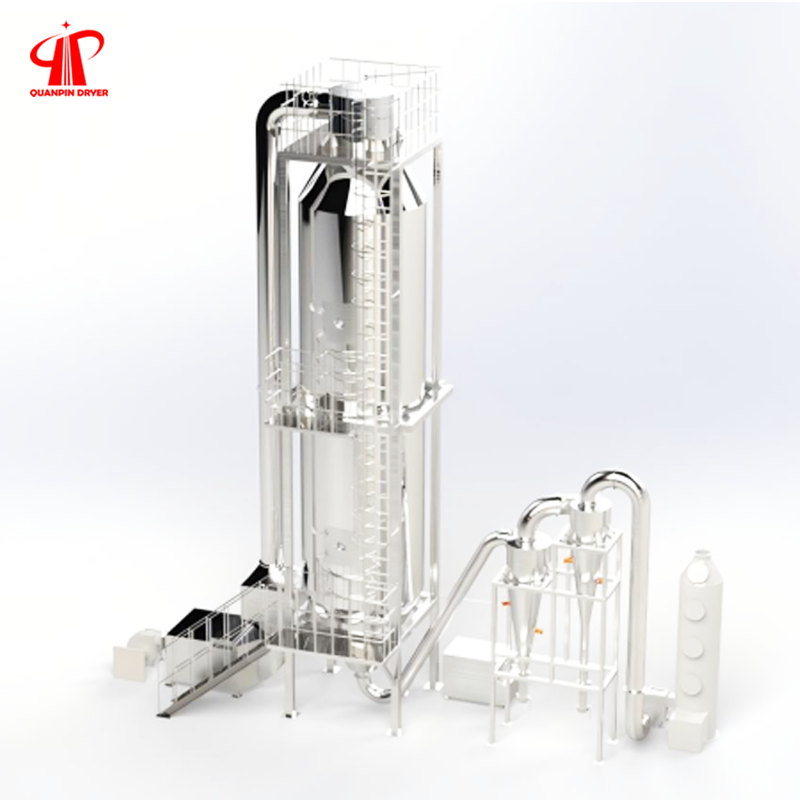
From Feed Record to Accepted Alumina Catalyst-Support Granules
Identify suspension and binder
Begin with identify suspension and binder. Assign the material and sample identifiers before the run; include the preparation changes the trial is intended to represent.
Define the start-up collection boundary
Next, define the start-up collection boundary. Describe the real production range so the comparison does not depend on one unusually easy preparation or load.
Track feed stabilization
During processing, track feed stabilization. Record deviations and interruptions as they occur, and keep the associated sample identities with those events.
Classify each collected fraction
Label collections by the actual feed and gas stabilization events. Sieve or otherwise classify each fraction with the same method, then report both its mass and its compliance with the support specification.
Reconcile accepted granule yield
Finally, reconcile accepted granule yield. Reconcile the accepted material with separate collections and remaining inventory before reporting a campaign result.
Four Stages to Check During a Trial
Preparation: identify the specific alumina catalyst-support granules lot and retain its preparation worksheet. Check whether any upstream operation in the trial differs from the proposed factory arrangement.
Observation: use an agreed record for the YPG Pressure Spray Dryer run. Include measurement locations and event times so a later review can distinguish a process change from a recording gap.
Comparison: decide which sample collections are comparable before blending or discarding them. Explain exclusions and keep enough traceable evidence to investigate an unexpected result.
Handling: define where this alumina catalyst-support granules trial ends. If cooling, transfer or packing is outside the supplier’s scope, state how the tested product reaches that boundary.
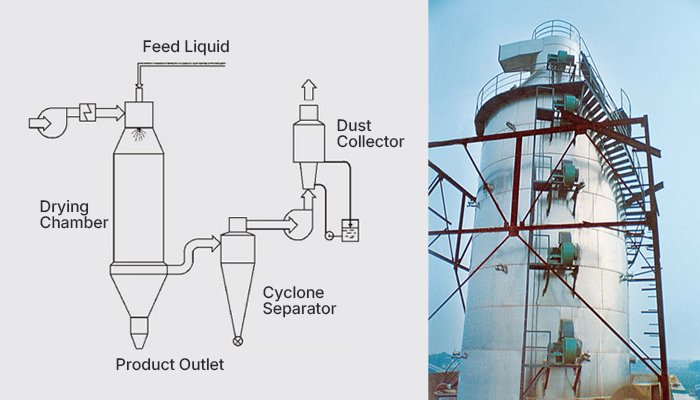
Main Equipment for Alumina Catalyst-Support Granules
Suspension supply
Feed preparation for a pressure nozzle spray dryer needs the documented material form. In this application, the record should cover alumina grade, suspension solids, binder identity, viscosity, settling tendency and the downstream catalyst support specification; leave the original test basis visible in the trial report.
Nozzle and pressure pump
Ask which components of the YPG series pressure spray dryer actually provide the proposed material movement. The drawing and trial arrangement should identify the relevant drive, contact surfaces and product path.
Drying chamber
Review the process space and accessible product-contact areas against the specific material. For alumina catalyst-support granules, include retained fractions in the inspection plan instead of evaluating only the easiest collected sample.
Gas heating and distribution
Discuss the application, material properties and required process conditions with QUANPIN. Confirm equipment scope and performance through a project-specific review.
Fines separation
The recovery and discharge arrangement must preserve the identity of material needed for testing. Close the campaign mass balance using accepted granules, fines, retained deposits and other documented fractions.
Collection and event records
Link instrument readings, operator events and laboratory sample identities on one timeline. The report should show what happened before and after a change, rather than presenting an isolated favorable result.
Configurations and Evidence to Compare
By Feed and Demonstration Scope
Material form: a pressure spray dryer for chemical enquiry should describe the actual feed and intended product. Separate start-up fines from stable-run granules before judging the usable yield. A combined bag can conceal an unstable feed transition and make an apparently acceptable size distribution impossible to reproduce.
Demonstration scope: specify the material range, the observation period and the final acceptance boundary. Keep those assumptions visible when reviewing a larger proposed YPG Pressure Spray Dryer installation.
Discuss the application, material properties and required process conditions with QUANPIN. Confirm equipment scope and performance through a project-specific review.
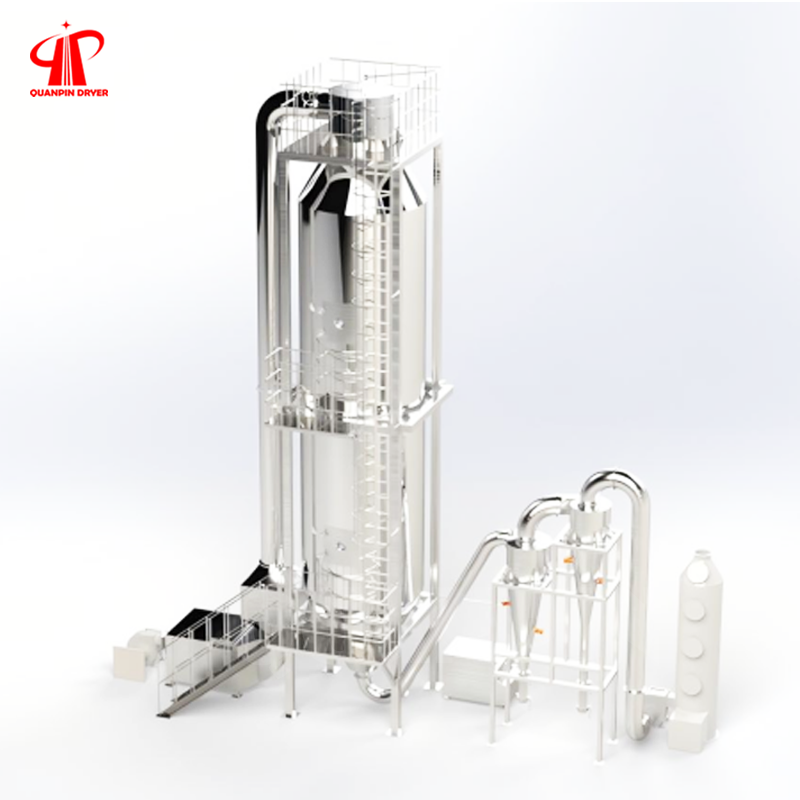
By Measurement and Campaign Boundary
Loading and transfer: compare the actual feed and discharge arrangements for alumina catalyst-support granules. Identify manual transfer or conditioning performed during the trial that would require equipment or labor in production.
Measurement selection: record the method and reporting basis next to each result. Distinguish instrument readings from laboratory product tests so unlike evidence is not combined into a single pass statement.
Campaign boundary: decide whether startup, interruptions and changeover belong to the comparison. A proposal for alumina catalyst-support granules should identify the associated collection, handling and availability assumptions.
Special Process Arrangements
Process arrangement: the high pressure spray dryer review should include access, sampling and the actual recovery path. Changing one component may change the evidence needed to compare the complete line.
Material-specific assessment: review HSE safety data sheet guidance for actual chemical identity and supplier hazard information. Apply the reference to the stated question; it does not establish the suitability of every configuration for this feed.
Additional operations: justify conditioning, cooling or recovery equipment by its defined duty for alumina catalyst-support granules. Compare samples on both sides of a proposed stage before attributing a benefit to it.
Application and Acceptance for Alumina Catalyst-Support Granules
Intended industry: this application concerns catalyst drying. Evaluate the product in that use rather than extending evidence from an unrelated material with a similar drying equipment name.
Incoming material: keep a record of alumina grade, suspension solids, binder identity, viscosity, settling tendency and the downstream catalyst support specification. Compare lots on that same basis before concluding that equipment behavior has changed.
Finished material: use the specified tests for particle size distribution, fines fraction, moisture and the agreed granule strength test. Keep accepted and rejected results in the report with their collection boundaries.
Customer use: include the receiving process or recipe in the acceptance discussion. The useful alumina catalyst-support granules result is the material that reaches that operation in the specified condition.
Benefits and Practical Limits
A nozzle atomization system proposal can be assessed against the documented trial question and product requirement. The advantage is a clearer link between equipment scope, measured evidence and the intended application.
A granule size result does not establish catalyst activity, pore structure or suitability for a particular reaction. Those properties need their own agreed tests.
Factors That Influence the Comparison
Feed history: Settling before the nozzle can change the solids entering a trial even when the tank average is unchanged. Retain time-linked feed samples.
Equipment condition: A worn or obstructed nozzle can change the spray. Compare inspected condition with the observed collection fractions; a pressure trace alone cannot identify every cause.
Test method: Use one size classification method across start-up and stable collections. State whether fines are recycled, rejected or included in the specified product.
Timing and collection: Do not blend material collected after a feed interruption into the stable-run sample without recording its mass.
Quality interpretation: consult HSE chemical industry guidance for plant handling and chemical process assessment. Apply its scope accurately and preserve the analytical or observation method with each alumina catalyst-support granules result.
Campaign accounting: Close the campaign mass balance using accepted granules, fines, retained deposits and other documented fractions.
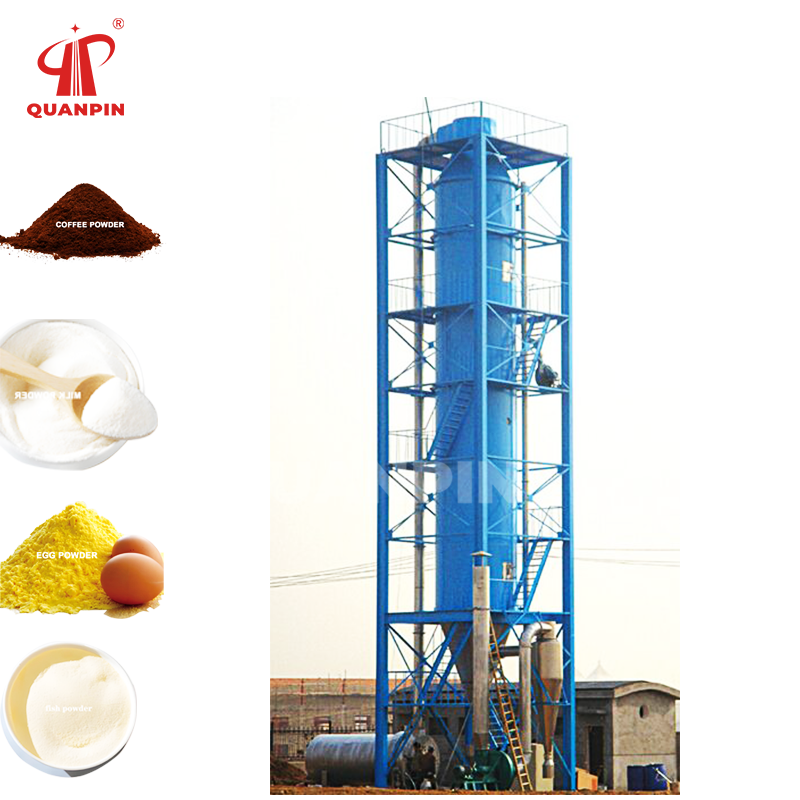
Safety and Operating Requirements
Operating and handling requirements should use the actual formulation and installation. EPA chemical production resources provides background for review of the applicable emissions scope; the applicable site procedures and acceptance methods still need to be defined for this material.
Follow the YPG Pressure Spray Dryer instructions for isolation, inspection and maintenance. Changes to the material, utilities or protective arrangement need review before an existing operating procedure is reused.
Selecting Equipment for Alumina Catalyst-Support Granules
A powder drying enquiry should state the material and acceptance problem clearly. Provide alumina grade, suspension solids, binder identity, viscosity, settling tendency and the downstream catalyst support specification, available utilities and the proposed collection and testing boundaries.
When specifying Spray drying equipment, attach the accepted trial plan and all relevant results. Ask which uncertainties remain in scale-up, sampling and discharge, and identify who will resolve them before equipment acceptance.
Frequently Asked Questions
Where should this equipment comparison begin?
Begin with the uncertainty stated in the title and agree on the evidence that would resolve it for alumina catalyst-support granules. A defined decision is more useful than collecting operating readings without a product question.
Which feed history should accompany the result?
Keep material preparation, equipment identity and sample handling with the process record. For alumina catalyst-support granules, those records allow the reviewer to distinguish a changed feed from a changed machine or test.
Does one successful trial establish universal suitability?
No. A successful YPG Pressure Spray Dryer run establishes evidence for the preparation and operating range actually demonstrated. A new grade, load or intended use may introduce a different acceptance question.
How should capacity be stated?
State the incoming material basis, accepted output basis and operating interval. Include any rejected alumina catalyst-support granules, retained inventory and separately collected fractions so nominal throughput is not confused with usable campaign output.
How should energy use be compared?
Compare utilities over the same accepted-product boundary and include the operations in the purchase. Particle size distribution, fines fraction, moisture and the agreed granule strength test remain acceptance questions even when a proposed change reduces a utility reading.
How should maintenance decisions be made?
Use the equipment manufacturer’s instructions and actual service evidence. Record inspected condition against the relevant campaign, and investigate product drift before assigning it automatically to one component.
Discuss Your Alumina Catalyst-Support Granules Project with QUANPIN
Share your alumina catalyst-support granules feed record, target quality and test plan with QUANPIN. Review the YPG Pressure Spray Dryer configuration with the team and identify the material trial needed for a practical quotation.
Email sales@quanpinmachine.com or stacie@quanpinmachine.com. Contact QUANPIN on WhatsApp: +86 15921493205.