KZL Granulator-Crusher: Evaluate Granule Fines Before a Tablet-Blend Transfer
By QUANPIN
A sizing operation can remove oversized agglomerates while generating a fine fraction that behaves differently during blending and transfer. Evaluate both effects before accepting a KZL duty for pharmaceutical granules. The High-Speed Granulator/Crusher duty must distinguish lump breakup from primary particle grinding.
The application is dried granule preparation for a solid-dosage process. The required result includes the granule distribution and the material delivered to the receiving blend stage. See the matching pharmaceutical industry applications.
How Should Fines Be Assessed Across Granule Sizing and Transfer?
Define a fines measurement and sampling plan before changing the sizing arrangement. An acceptable top size does not describe the entire distribution.
Retain the unsized reference granules so fines already present in the feed can be distinguished from changes associated with sizing. Use product-specific development knowledge to justify the attributes being examined. See FDA ICH Q8 pharmaceutical development.
Equipment Principle and Material Requirements
The KZL rotor and screen work together to break compatible agglomerates and pass material through the selected openings. Treat granulation and size reduction as different material transformations when defining the process route.
Screen opening alone does not determine the resulting distribution; feed strength, moisture and handling also influence the material presented for testing.
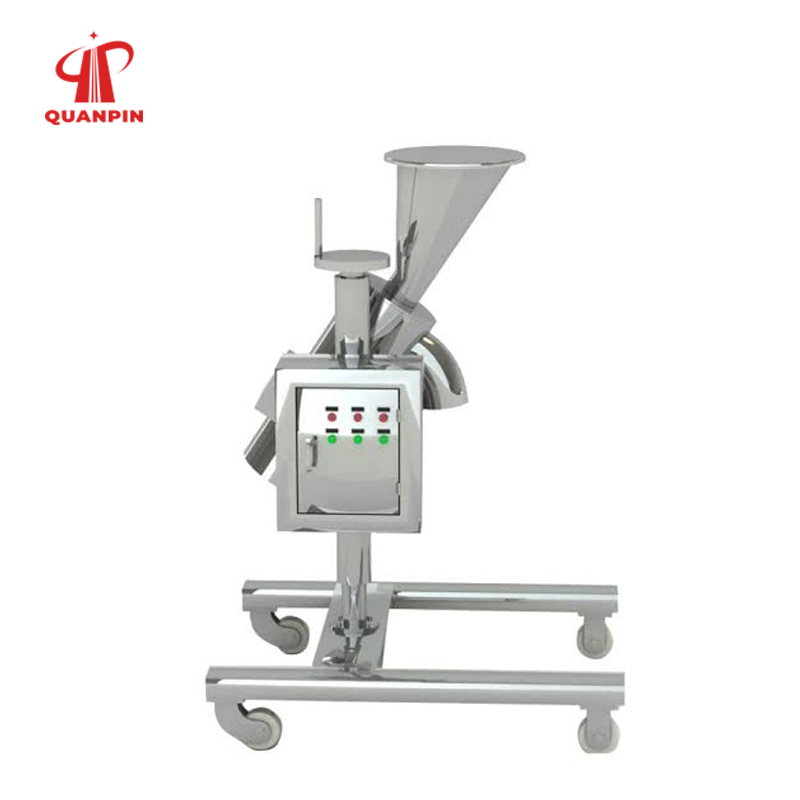
Five Steps for the Application Study
Retain incoming granules
Take an identified sample of the incoming dried granules using the agreed sampling procedure.
Record the sizing arrangement
Record the fitted screen, material preparation and approved operating arrangement for the sizing trial.
Collect representative output
Collect representative outlet material without selecting only the visibly acceptable fraction.
Measure the distribution
Measure fines and the other specified size fractions using a consistent method.
Check the transfer destination
Assess the delivered material after the transfer included in the trial, then review the sizing and handling contributions separately.
Four Process Boundaries to Record
Incoming fines: establish the starting distribution rather than treating all outlet fines as newly generated.
Sizing outlet: sample material leaving the equipment under a defined collection arrangement.
Transfer destination: additional breakdown or segregation may occur after the sizing chamber.
Formulation acceptance: the blend process must determine which granule distribution is suitable for its intended use.
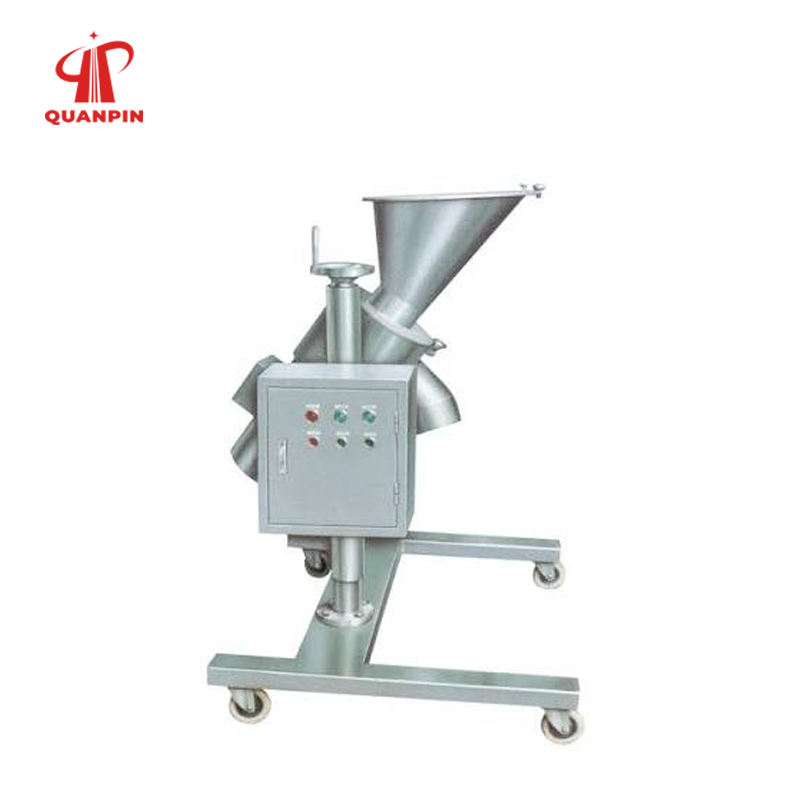
KZL Granulator-Crusher Components and Interfaces
Granule feeding
The feed hopper should deliver representative granules without uncontrolled selection of coarse or fine material. Compare the proposed granulation equipment by the actual feed and final distribution it must handle.
Rotor and drive
The rotor provides the mechanical action; inspection and operating limits must follow the supplied equipment documentation.
Sizing screen
The sizing screen needs a recorded identity and inspection status for each defined comparison.
Product path
The process chamber and discharge path should be included when investigating retained or unrepresented fractions.
Collection container
The receiving container affects the handling boundary and should remain identified with its collected material.
Inspection and sample records
The test method needs a stated definition of fines, including preparation and reporting basis.
Comparison Choices and Process Interfaces
Define the Reference Basis
Compare unsized granules with sized output to identify the overall change associated with the operation. Upstream granule drying history can change the strength of the material entering sizing.
Compare output at the machine and after transfer to investigate a later handling effect.
Use separate sample identities for these locations; pooling them removes the distinction the trial is meant to examine.
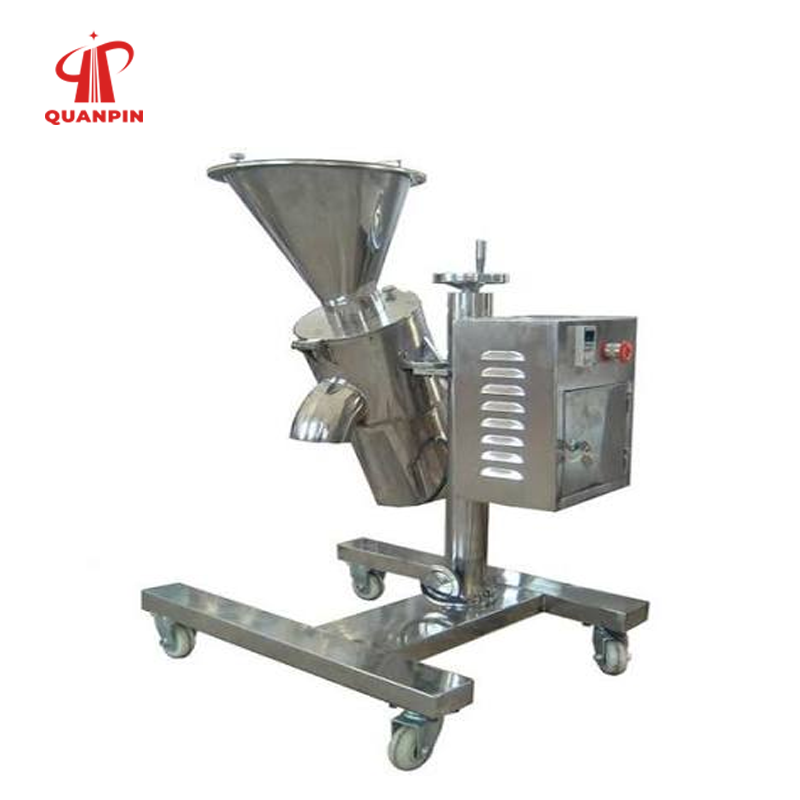
Keep the Comparison Interpretable
When comparing screens, retain the incoming granule lot and measurement procedure as comparable inputs.
If the feed moisture or drying history changes, record that change before attributing a fines difference to the screen.
Select the operating adjustment through the approved trial plan rather than applying an assumed universal setting.
Assess the Receiving Process
Where later blending is included, assess the receiving formulation with the agreed granule distribution. Subsequent granule blending needs a stated particle basis so different fractions are not hidden during pooling.
Do not approve reprocessing of the fine fraction simply because it can physically return to the process.
Retain rejected, retained and accepted material in the reconciliation so a favorable sample does not conceal poor accepted yield.
Industry Application and Acceptance
Pharmaceutical preparation and drying provide the relevant industry context for this post-drying sizing stage.
The receiving tablet blend may require composition and handling evidence beyond the granule size measurement. A development comparison should not be presented as complete validation of an untested production process. See FDA process validation guidance.
Any relationship between fines and later dosage-form quality should be demonstrated for the actual formulation.
Development observations should remain traceable to the feed, screen and collection arrangement used.
Benefits and Practical Limits
A complete distribution helps distinguish successful oversize reduction from excessive generation of smaller material. Keep dry blending acceptance separate from the quality of the material leaving the sizing chamber.
This trial does not establish a universal allowable fines percentage or predict tablet performance without formulation testing. Assess relevant quality risks using the actual material and process context. See FDA ICH Q9 quality risk management.
Six Details That Affect the Result
Keep the definition of the fine fraction unchanged during a comparison.
Report the sample location as well as the sieve or instrumental result.
Check whether sample handling itself breaks weak granules before analysis.
Retain the drying and conditioning history of the feed granules. Interpret measurements through process understanding rather than treating an isolated instrument reading as product acceptance. See FDA process analytical technology framework.
Investigate differences between early and later collections rather than reporting only their average.
Review any rework proposal through the product’s approved quality procedure.
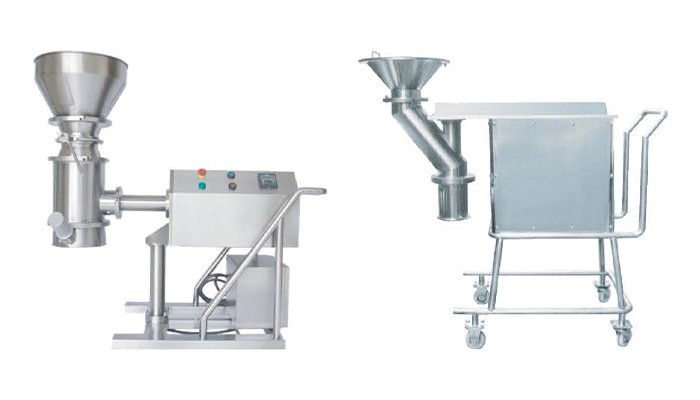
Safety and Operating Requirements
Use approved collection points and isolation procedures; never reach into the rotor or screen during operation.
Assess the actual pharmaceutical dust hazards and containment needs independently from the granule-quality trial.
Prepare Your Equipment Enquiry
Send QUANPIN the incoming distribution, granule condition, desired fractions and downstream transfer arrangement. The receiving powder mixer and its transfer path can introduce a later handling change.
Ask for a trial scope that identifies screen configuration, collection locations and the tests needed to judge accepted material. Place the sizing duty explicitly within the granulation line for solid dosage form, with clear input and output acceptance. Retain knowledge and manage adopted process changes through the pharmaceutical quality system. See FDA ICH Q10 pharmaceutical quality system.
Frequently Asked Questions
Does the screen opening determine every size fraction?
No. It limits one part of the sizing geometry but does not fully determine the outlet distribution.
Why retain an unsized reference?
An incoming reference is needed to distinguish existing fines from the observed change across sizing.
How should fines methods be compared?
Use the same agreed fines definition, sampling approach and reporting basis for the compared runs.
Can transfer change the delivered distribution?
Yes. Collecting at both boundaries can help distinguish equipment output from later handling changes.
Can rejected fines automatically be reused?
Rework requires an approved quality decision for the actual formulation, not merely an equipment-capability statement.
What granule evidence should be supplied?
Provide the full granule distribution and process boundary so QUANPIN can review the proposed sizing duty.
Discuss Your KZL Granulator-Crusher Application with QUANPIN
Discuss your application with KZL Granulator-Crusher specialists at QUANPIN. Use the enquiry below or our contact page.
Email sales@quanpinmachine.com or stacie@quanpinmachine.com. Call +86 19850785582, or contact us on WhatsApp: +86 15921493205.