
Pressure Spray Dryer Feed Preparation: What to Verify Before a Material Trial
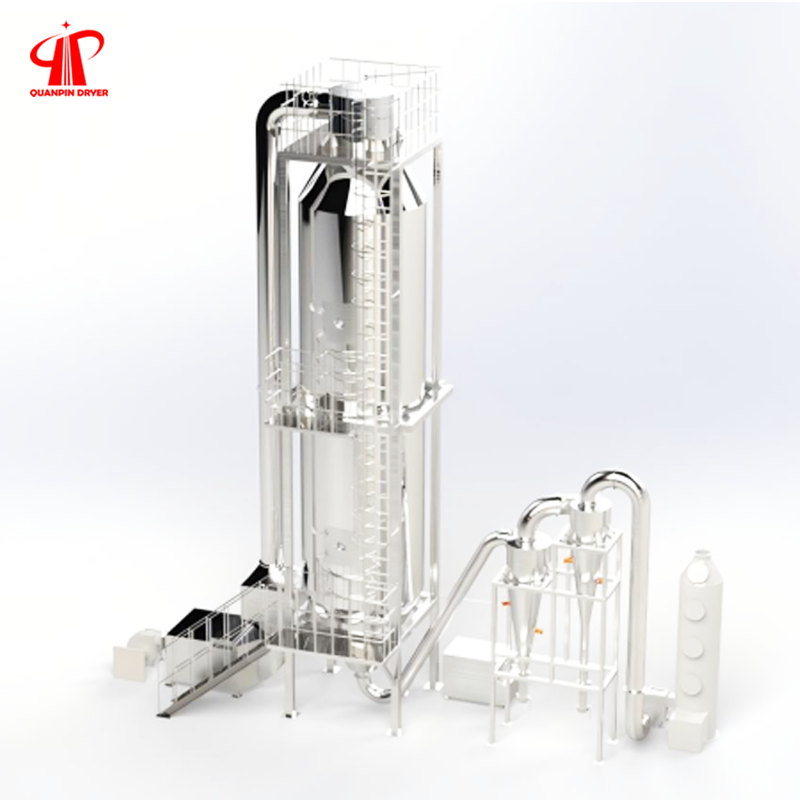
Prepare representative feed data, powder targets and trial acceptance criteria before evaluating pressure spray drying equipment.
Prepare representative feed data, powder targets and trial acceptance criteria before evaluating pressure spray drying equipment.
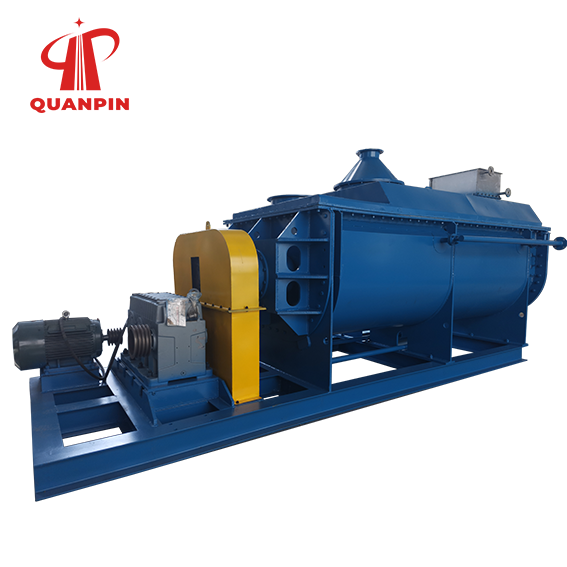
Evaluate incoming consistency, material transitions, residence behavior and discharge requirements before specifying continuous paddle drying.
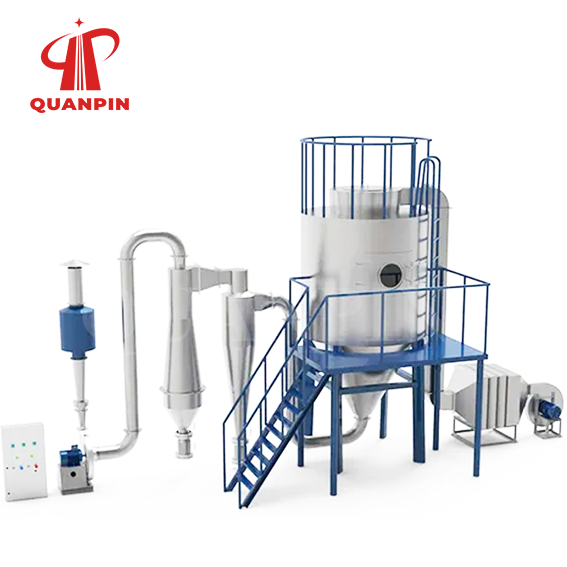
Build comparable spray dryer quotations around measured feed properties, evaporation duty, powder recovery and cleaning requirements.
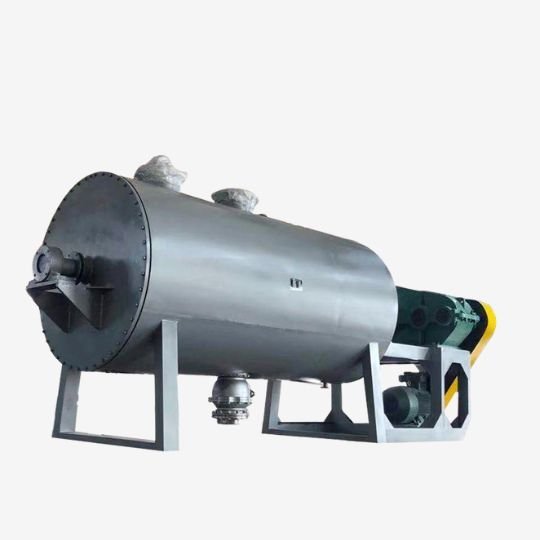
Compare the dryer, condenser, vacuum source and recovery boundaries together when evaluating solvent-wet solids.
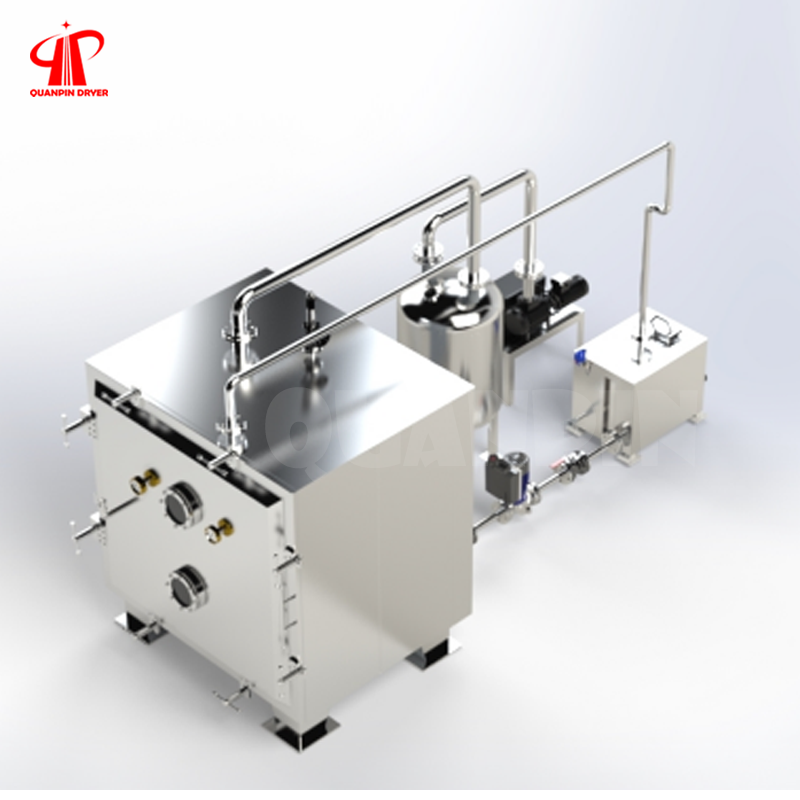
Define product temperature limits, pressure measurement, tray loading and a measurable endpoint before requesting a vacuum tray dryer quotation.
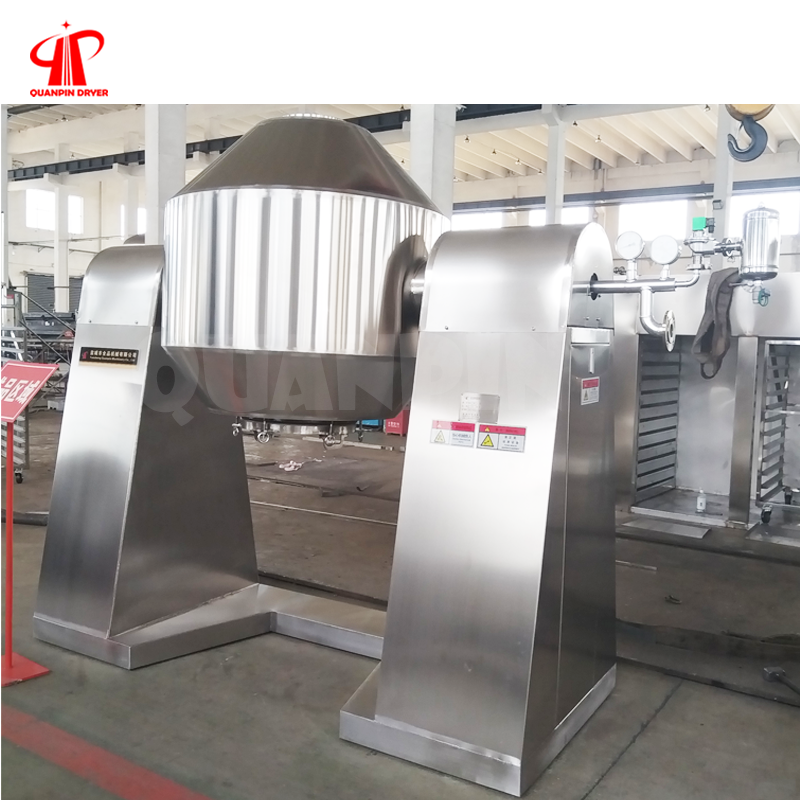
Assess powder movement, batch loading, discharge and cleaning before specifying a double cone vacuum dryer.
Spray dryer nozzle clogging can disrupt feed rate and atomization. Use a safe, process-led checklist to identify feed, nozzle, assembly, and operating causes.
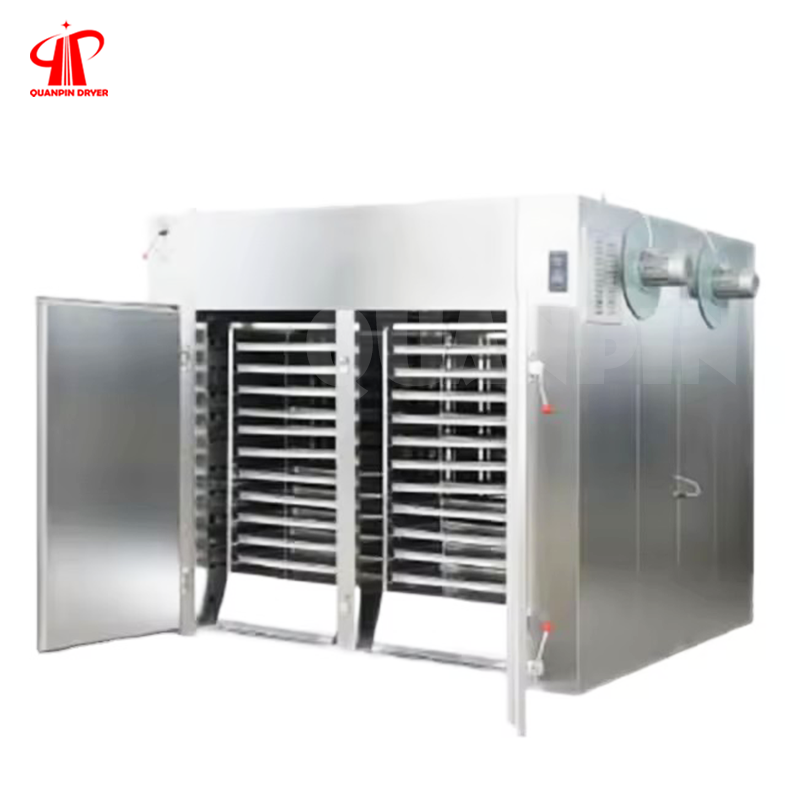
When evaluating a hot air tray dryer for herbs, focus on loading consistency, air circulation, temperature control, sanitation, and a product-specific drying endpoint.
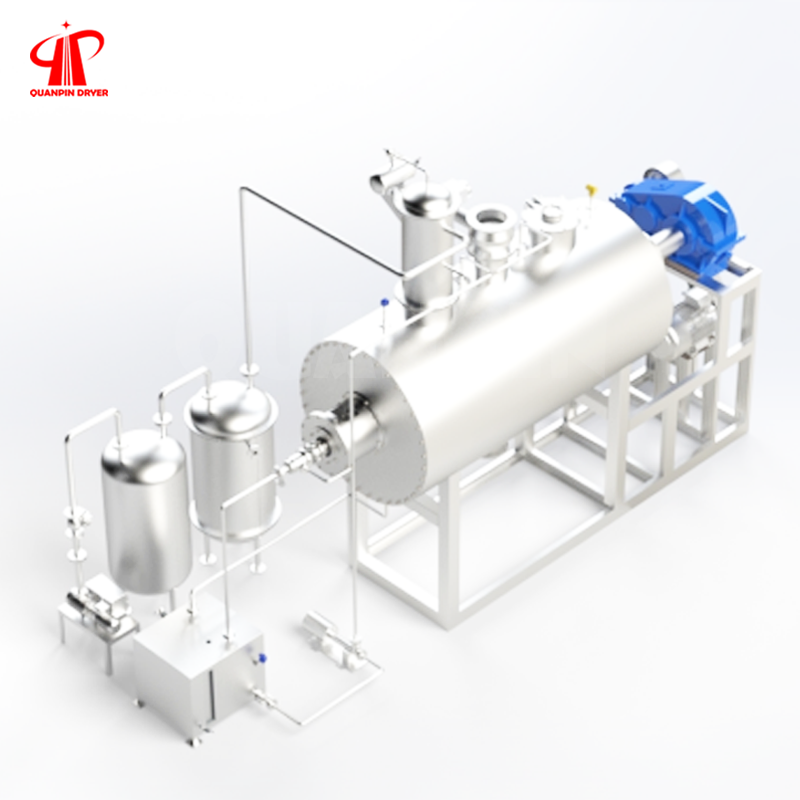
Evaluate vacuum drying equipment for filter cakes around agitation, heat transfer and vapor handling. Compare the vacuum rake dryer and vacuum paddle dryer arrangements, then review feed behavior, final moisture and cleaning requirements before selecting a batch system.
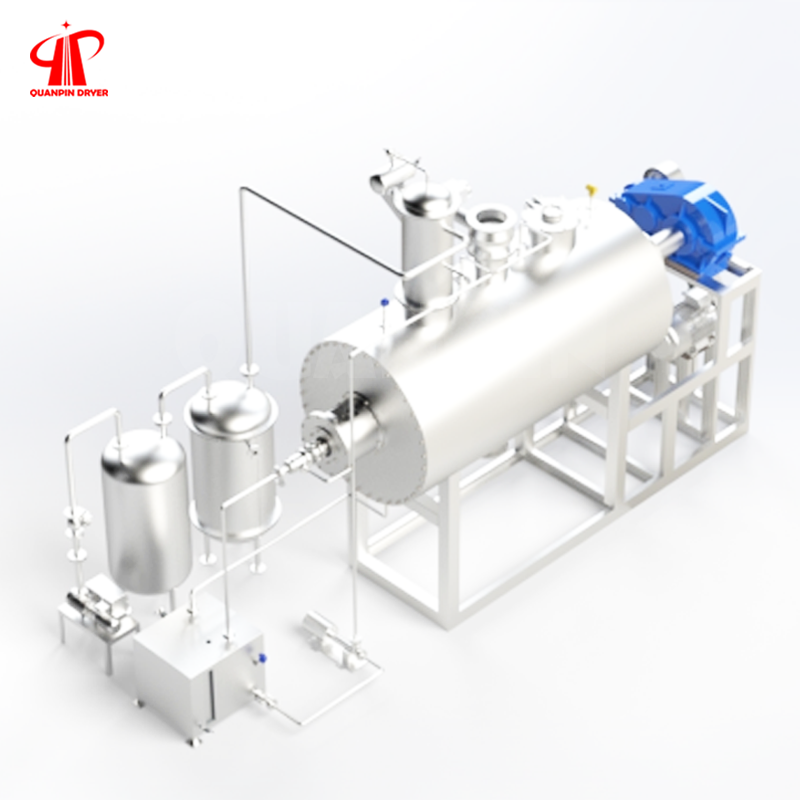
Certain pasty products or products with relatively higher moisture contents can be impractical to package or even consume. They necessitate a significant reduction in their moisture content, and since some are quite sensitive to heat, specialized machinery is required. Paddle dryers are often the solution, and this article shows you