Vacuum Freeze Dryer: Document Fruit Pretreatment Before Comparing Drying Loads
By QUANPIN
Fruit pretreatment belongs in a freeze-drying comparison. Identify what happened before loading so a dried-fruit difference is not assigned solely to the dryer. A Vacuum Freeze Dryer should be evaluated against the intended fruit ingredient use.
The record should describe the actual fruit and preparation route without assuming a treatment, ingredient addition or benefit that has not been established. See the matching food industry applications.
Which Fruit Preparation Enters the Drying Comparison?
Record fruit identity, preparation steps and any treatment actually applied. Link this information to the frozen load and the tested dried ingredient.
Compare loads within their documented preparation histories. If pretreatment changes, describe the comparison as a changed material duty as well as a drying study.
Equipment Principle and Material Requirements
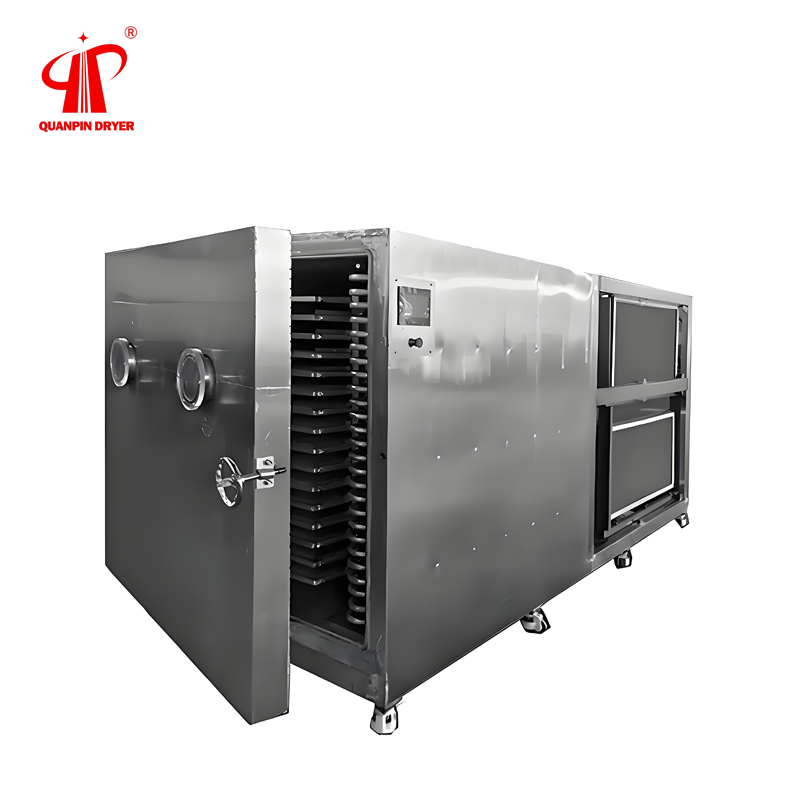
Vacuum freeze drying removes ice from frozen product by sublimation under controlled process conditions. Specify the fruit preparation and load when enquiring about a Vacuum Freeze Dryer Machine.
The frozen fruit entering the dryer reflects the preceding preparation and freezing history; the equipment name alone cannot describe that material state.
Five Steps for the Application Study
Identify the fruit lot
Identify the fruit, source lot and intended ingredient use before planning the comparison.
Document actual preparation
Document the actual preparation steps, including cutting and any treatment used under the approved food procedure.
Preserve freezing history
Record the freezing and loading history associated with the prepared fruit.
Protect dried samples
Collect dried samples using a defined handling and protection procedure.
Assess intended-use attributes
Assess the required ingredient attributes with methods suited to the intended use and preserve their link to preparation.
Four Process Boundaries to Record
The raw-material boundary identifies the fruit lot and condition before preparation.
The pretreatment boundary records what is actually applied rather than assumed from a common industry practice.
The load boundary identifies the prepared frozen fruit and its loading arrangement.
The acceptance boundary defines the dried-fruit tests and the protected handling period represented by the samples.
Vacuum Freeze Dryer Components and Interfaces
Prepared fruit and freezing
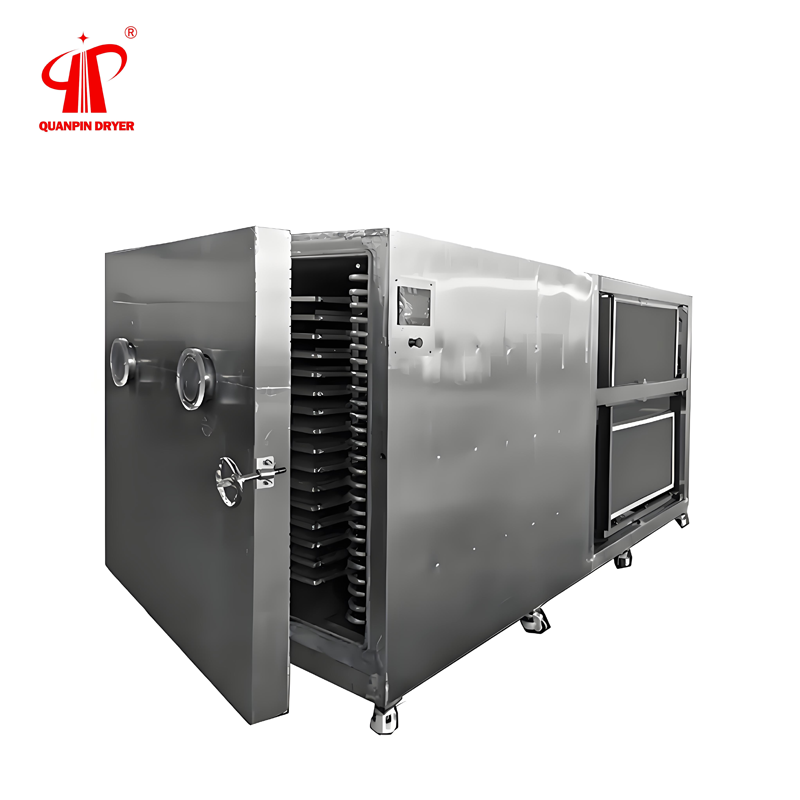
Confirm the freeze-dryer configuration and supplied loading components from the actual documents. A vacuum freeze drying machine needs a defined frozen-product duty rather than an unspecified food load.
Shelf and tray arrangement
Identify the trays or other supports used for the specific fruit trial. A food vacuum freeze dryer should be judged by the required ingredient tests, not a generic low-temperature claim.
Thermal system
Describe preparation equipment separately when it is outside the dryer supply scope.
Vacuum chamber
Record the means used to preserve batch identity through freezing and loading.
Condenser and vacuum supply
Review the dried-product collection and sample-protection arrangement.
Unloading and protected packing
Keep preparation, drying and laboratory records connected through a consistent lot identifier.
Comparison Choices and Process Interfaces
Define the Reference Basis
Establish a reference fruit preparation using identified material and documented steps. Food vacuum drying includes other routes; the present comparison concerns ice removal by sublimation.
Retain the frozen-load description alongside the actual drying record.
Keep the intended-use tests separate from assumptions about appearance or retained quality.
Keep the Comparison Interpretable
When pretreatment changes, document its formulation and procedure through the approved food process.
Do not claim a treatment benefit from a comparison that also changed fruit lot or loading without acknowledging those changes.
Where preparation information is missing, state the limitation instead of inventing a presumed method.
Assess the Receiving Process
Assess the dried ingredient under the same justified analytical or use-test basis. An industrial vacuum dryer description does not by itself establish a freeze-drying configuration.
Protect samples during handling and record any condition that affects interpretation.
Use the evidence to select the next controlled development comparison. Water activity describes a property different from total moisture content. See FDA water activity background.
Industry Application and Acceptance
Dried fruit ingredients may be intended for snacks, inclusions or other food uses with different acceptance priorities. Food hazard analysis and relevant preventive controls are separate from demonstrating a preferred ingredient appearance. See FDA preventive controls for human food.
Identify the actual use before choosing appearance, texture, moisture or other relevant tests. Food equipment and processing need appropriate hygiene controls. See FDA food manufacturing practices.
Pretreatment ingredients and food-safety requirements need review through the actual recipe and process. Include relevant sanitation and handling requirements in the food-process review. See FDA sanitation and transportation resources.
Do not generalize results from one fruit preparation to every food processed in a freeze dryer.
Benefits and Practical Limits
A preparation record can reveal why apparently similar drying loads are not directly comparable. This frozen-product route differs from other low-temperature vacuum drying arrangements.
It cannot establish retained nutrients, microbial safety or storage life without the corresponding evidence.
Six Details That Affect the Result
Keep the fruit lot identity with the preparation record.
Record the cut or physical preparation used in the actual load.
Identify treatment ingredients and quantities only from the approved recipe and measured additions.
Preserve relevant preparation-to-freezing and freezing-to-loading history.
Distinguish water activity from moisture content when reviewing dried-food results.
Describe sample protection and packaging conditions within the tested boundary.
Safety and Operating Requirements
Preparation and loading require suitable food-hygiene and safe equipment procedures.
Any proposed food treatment needs its own suitability and hazard assessment; this guide does not prescribe a treatment chemical or dosage. Protect dried fruit ingredients from moisture uptake during handling and packing. See FAO dried fruit and vegetable handling guidance.
Prepare Your Equipment Enquiry
Send QUANPIN the fruit description, preparation route and desired ingredient attributes. Heat-sensitive material drying requires a product-specific assessment; a cool process description cannot establish retained quality.
Include the proposed load and downstream handling scope so the drying duty can be reviewed in context. Compare Drying Equipment against the intended fruit specification and the protected handling boundary.
Frequently Asked Questions
Should pretreatment be assumed when none was used?
Pretreatment should be recorded when used; it should not be invented for a fruit that received none.
Are different preparations identical dryer inputs?
Two loads with different preparation histories should not be described as identical dryer inputs.
Does freeze drying establish retained nutrients?
A freeze-drying route does not itself establish a retained-nutrient claim.
Are moisture and water activity the same test?
Moisture and water activity tests provide different information about the dried ingredient.
Does dried-sample protection matter?
Sample storage and moisture protection belong in the interpretation of dried-fruit results.
What fruit preparation information is needed?
QUANPIN can review the drying duty when the actual prepared fruit and intended use are defined.
Discuss Your Vacuum Freeze Dryer Application with QUANPIN
Discuss your application with Vacuum Freeze Dryer specialists at QUANPIN. Use the enquiry below or our contact page.
Email sales@quanpinmachine.com or stacie@quanpinmachine.com. Call +86 19850785582, or contact us on WhatsApp: +86 15921493205.