KZL Granulator-Crusher: Compare Granule Moisture Before Post-Drying Sizing
By QUANPIN
Granules from different drying or conditioning histories can respond differently to a sizing operation. Record incoming moisture and material history before attributing every KZL output change to the screen. The High-Speed Granulator/Crusher duty must distinguish lump breakup from primary particle grinding.
The application is pharmaceutical granule sizing after a defined drying stage. Moisture is one relevant input, not a universal explanation for every observed distribution. See the matching pharmaceutical industry applications.
Which Incoming Moisture Records Make a Granule-Sizing Comparison Interpretable?
Use an identified moisture method and retain the incoming granule distribution when comparing sizing trials.
Interpret the sized material against the actual product requirements instead of assuming that a drier feed always produces a better result. Use product-specific development knowledge to justify the attributes being examined. See FDA ICH Q8 pharmaceutical development.
Equipment Principle and Material Requirements
The KZL working element breaks compatible agglomerates and moves material through the selected sizing arrangement. Treat granulation and size reduction as different material transformations when defining the process route.
The granules presented to that action retain their preparation and conditioning history, which belongs in the trial record.
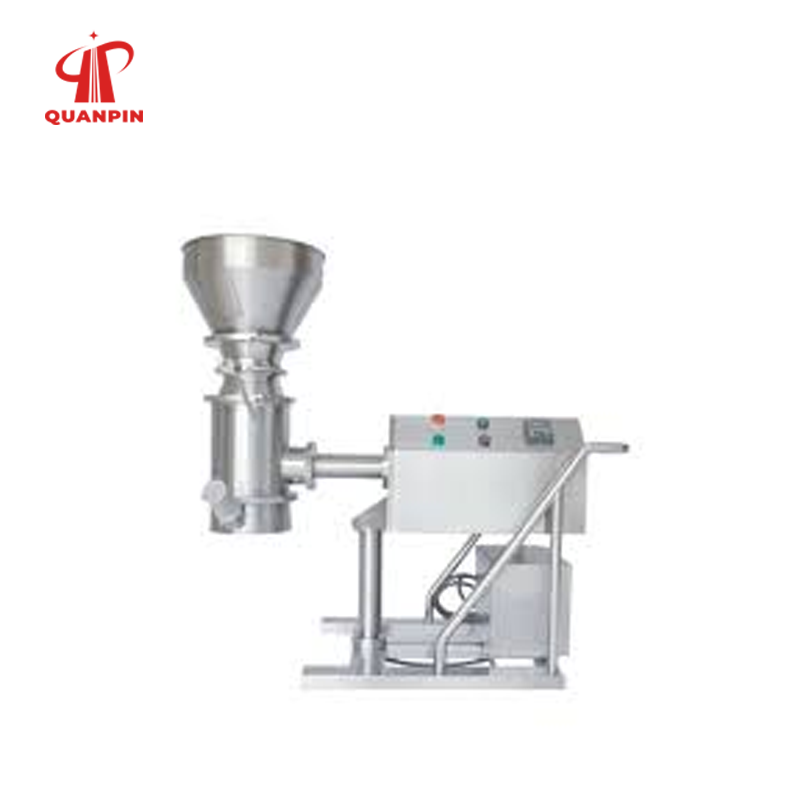
Five Steps for the Application Study
Identify the drying lot
Identify the granule formulation and the drying batch supplying each trial feed.
Measure incoming granule condition
Measure the incoming condition using the agreed moisture and particle-size methods.
Record conditioning history
Record any holding or environmental exposure before the granules enter the sizing stage.
Compare the documented sizing run
Compare sized output with the intended feed condition and fitted equipment arrangement documented together.
Assess accepted receiving material
Review the accepted granules at the stated receiving boundary before approving a process change.
Four Process Boundaries to Record
Drying: retain the demonstrated treatment rather than only the nominal drying endpoint.
Conditioning: record storage and exposure between drying and sizing.
Sizing: identify screen and operating configuration alongside the material entering the machine.
Product acceptance: assess the relevant distribution and subsequent formulation requirements independently from moisture alone.
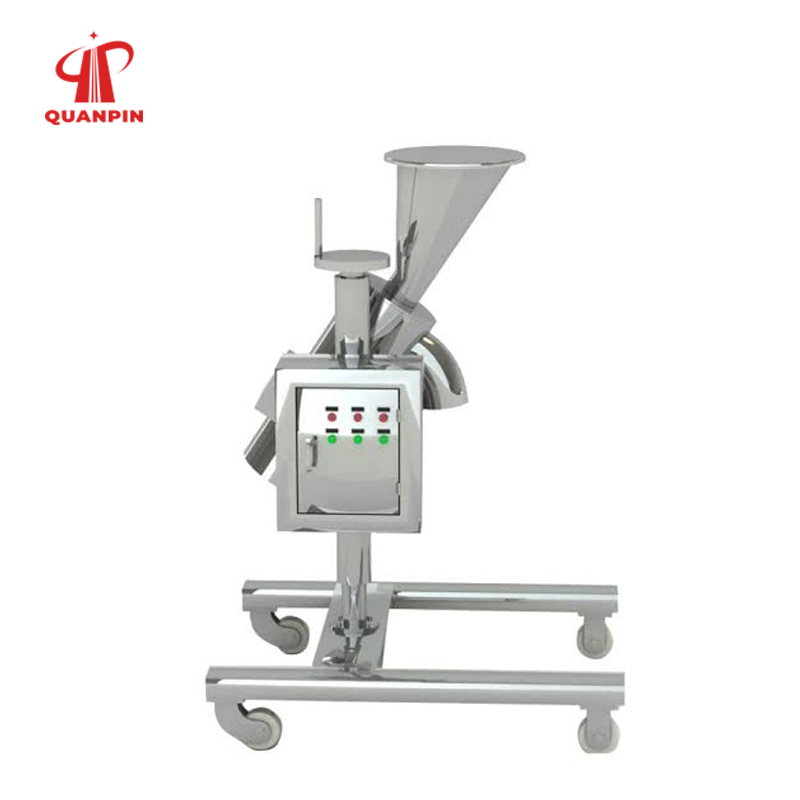
KZL Granulator-Crusher Components and Interfaces
Granule feeding
The feed arrangement should deliver representative granules without undocumented sorting or additional drying. Compare the proposed granulation equipment by the actual feed and final distribution it must handle.
Rotor and drive
The working element needs its fitted identity and operating state recorded for the comparison.
Sizing screen
The screen is a physical part of the sizing configuration, with an appropriate inspection record.
Product path
The chamber and discharge path should be included when investigating retained or altered fractions.
Collection container
The receiving container defines where the collected granules begin their next handling stage.
Inspection and sample records
The analytical methods should preserve moisture and particle-size reporting bases rather than treating them as interchangeable observations.
Comparison Choices and Process Interfaces
Define the Reference Basis
Compare incoming conditions while keeping the relevant sizing arrangement unchanged where that is the study design. Upstream granule drying history can change the strength of the material entering sizing.
If the screen and feed condition both change, describe the trial as a combined change.
A single favorable outlet sample cannot identify which changed input caused the result.
Keep the Comparison Interpretable
Preserve the unsized reference material so existing fines and agglomerates remain distinguishable from the sizing response.
Keep analytical specimen handling consistent when comparing granules with different conditioning histories.
An exposed laboratory sample may no longer represent material protected in the process container.
Assess the Receiving Process
Assess the appropriate later blending or dosage-form requirements under their own development plan. Subsequent granule blending needs a stated particle basis so different fractions are not hidden during pooling.
The sizing result does not establish that a different drying endpoint is suitable for the formulation.
Review an adopted drying or conditioning change with the responsible product and quality team.
Industry Application and Acceptance
Pharmaceutical preparation and drying provide the matching industry route for this post-drying operation.
Relevant quality attributes depend on the granule formulation and the stage that receives the sized material. A development comparison should not be presented as complete validation of an untested production process. See FDA process validation guidance.
Moisture and mechanical response can be investigated together without claiming one universal relationship for all products.
Preserve the demonstrated formulation and operating scope when transferring the finding to an equipment enquiry.
Benefits and Practical Limits
Linking drying history to sizing evidence can prevent an unsupported screen adjustment when the incoming material changed. Keep dry blending acceptance separate from the quality of the material leaving the sizing chamber.
It does not establish a universal granule moisture target or authorize an untested pharmaceutical drying condition. Assess relevant quality risks using the actual material and process context. See FDA ICH Q9 quality risk management.
Six Details That Affect the Result
Retain units and method identity with every moisture result used in the comparison.
State whether particle-size testing was performed on incoming or sized material.
Document time and protection conditions between drying, sampling and sizing.
Keep different drying lots identifiable instead of pooling away the variable being investigated. Interpret measurements through process understanding rather than treating an isolated instrument reading as product acceptance. See FDA process analytical technology framework.
Report retained and rejected fractions when calculating the accepted sizing output.
Review unexpected changes through the approved development process before extending the accepted feed range.
Safety and Operating Requirements
Use approved sampling and isolation arrangements; never access the operating working element or screen.
Assess pharmaceutical exposure and material hazards separately from the granule-moisture investigation.
Prepare Your Equipment Enquiry
Provide QUANPIN with the granule identity, drying history, moisture method and required final distribution. The receiving powder mixer and its transfer path can introduce a later handling change.
Ask for a trial scope that identifies both the intended incoming condition and the selected sizing configuration. Place the sizing duty explicitly within the granulation line for solid dosage form, with clear input and output acceptance. Retain knowledge and manage adopted process changes through the pharmaceutical quality system. See FDA ICH Q10 pharmaceutical quality system.
Frequently Asked Questions
Does moisture alone determine sizing behavior?
No. Material strength, preparation, handling and equipment condition can also influence the result.
Is a drier granule always preferable?
No. Suitability depends on the actual formulation and the required granule properties.
Can unexplained moisture values be compared?
An identified method and reporting basis are necessary before moisture values can support a meaningful comparison.
Why record the interval after drying?
The interval can introduce conditioning or exposure that changes what the sizing stage receives.
Does sizing acceptance establish a drying endpoint?
No. A formulation-specific drying decision needs the appropriate development and quality evidence.
What feed history should QUANPIN review?
Share the complete drying-to-sizing history so QUANPIN can evaluate a representative granule duty.
Discuss Your KZL Granulator-Crusher Application with QUANPIN
Discuss your application with KZL Granulator-Crusher specialists at QUANPIN. Use the enquiry below or our contact page.
Email sales@quanpinmachine.com or stacie@quanpinmachine.com. Call +86 19850785582, or contact us on WhatsApp: +86 15921493205.