Vacuum Freeze Dryer: Compare Fruit Slice Thickness and Tray Loading in Food Trials
By QUANPIN
Record thickness distribution and loading arrangement before comparing fruit drying runs. Equal fresh mass can describe different exposed area, product depth or tray coverage. The Vacuum Freeze Dryer comparison begins with the actual formulated food ingredient.
This guide concerns prepared fruit slices for dried food ingredients. It follows the material from its identified starting condition to the acceptance decision, so equipment observations and product evidence can be reviewed together. See the matching food industry applications.
How Should a Fruit Freeze-Drying Load Be Defined?
The trial should resolve a specific question: How Should a Fruit Freeze-Drying Load Be Defined? Begin with the actual material and the quality attribute that the next process needs, then select observations capable of detecting a meaningful difference.
The comparison should retain fruit identity and maturity specification, preparation, slice thickness distribution, freezing history, tray map and actual loading. These records make a changed input distinguishable from a changed processing response.
Equipment Principle and Material Requirements
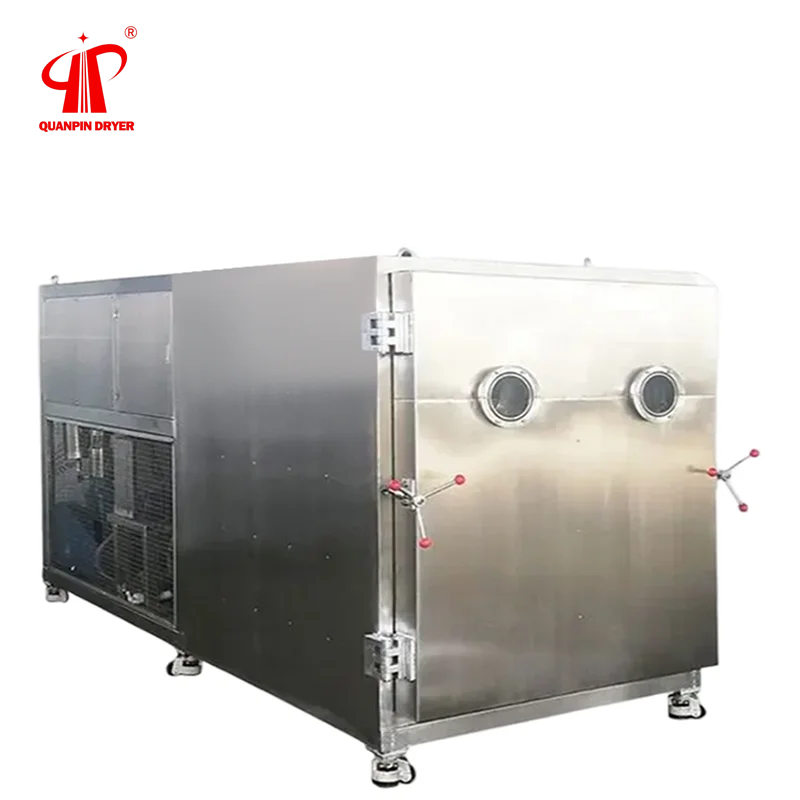
Freeze drying removes ice from frozen product by sublimation under reduced pressure, followed by a separately controlled finishing stage as needed. Slice geometry and tray loading belong to the heat and mass-transfer problem. A Vacuum Freeze Dryer Machine quotation should state the load and the agreed assay basis.
The equipment mechanism and the product acceptance method have separate roles. A recorded machine setting describes how a run was carried out; acceptance requires product moisture by the selected method, water activity where relevant, texture, appearance and intended rehydration behavior.
Five Steps for a Defined Trial
Specify the prepared fruit
Record the range of slice thickness actually loaded rather than only the slicer target.
Record slice and tray geometry
Keep overlapping pieces and layer arrangement visible in the load record.
Preserve freezing and load history
Identify tray positions so a pooled result does not conceal a location-related difference.
Test identified tray positions
Separate moisture content from water activity; the tests answer different questions.
Evaluate unloading and packing
Evaluate relevant texture or rehydration properties on the intended food-use basis.
Four Boundaries to Record
Starting material: Record the range of slice thickness actually loaded rather than only the slicer target.
Processing history: Keep overlapping pieces and layer arrangement visible in the load record.
Collection and measurement: Identify tray positions so a pooled result does not conceal a location-related difference.
Decision and follow-up: Limit and record exposure between unloading, testing and protective packing.
Vacuum Freeze Dryer Components and Interfaces
Formulation and freezing
The feed interface must handle the documented incoming form. Review charging consistency and access for the proposed probiotic food ingredient duty without substituting an easier development feed for production material. Evaluate a vacuum freeze drying machine with the formulation and planned packing boundary visible. Evaluate a vacuum freeze drying machine with the formulation and planned packing boundary visible.
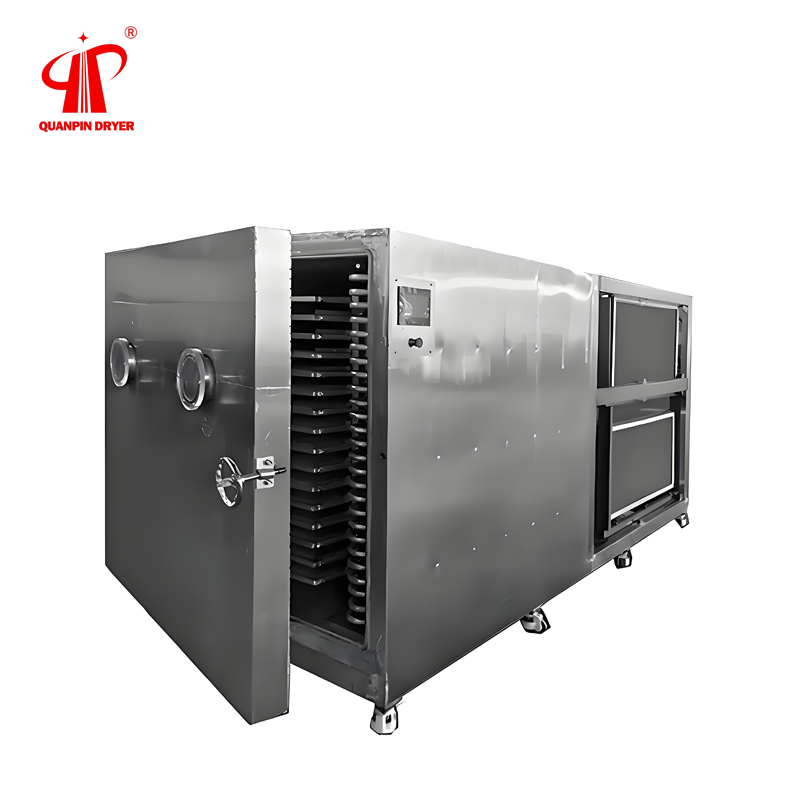
Shelf and tray arrangement
The movement system should correspond to the stated principle and drawing. For the FD Vacuum Freeze Dryer (Lyophilizer), compare the actual installed arrangement and its intended material range, with inspection through the approved procedure. A food vacuum freeze dryer needs an application-specific test; a generic low-temperature description cannot establish retained activity. A food vacuum freeze dryer needs an application-specific test; a generic low-temperature description cannot establish retained activity.
Thermal system
The process space and product-contact path should provide the required material treatment and practical access. Identify locations that can retain material or create an unrepresented fraction.
Vacuum chamber
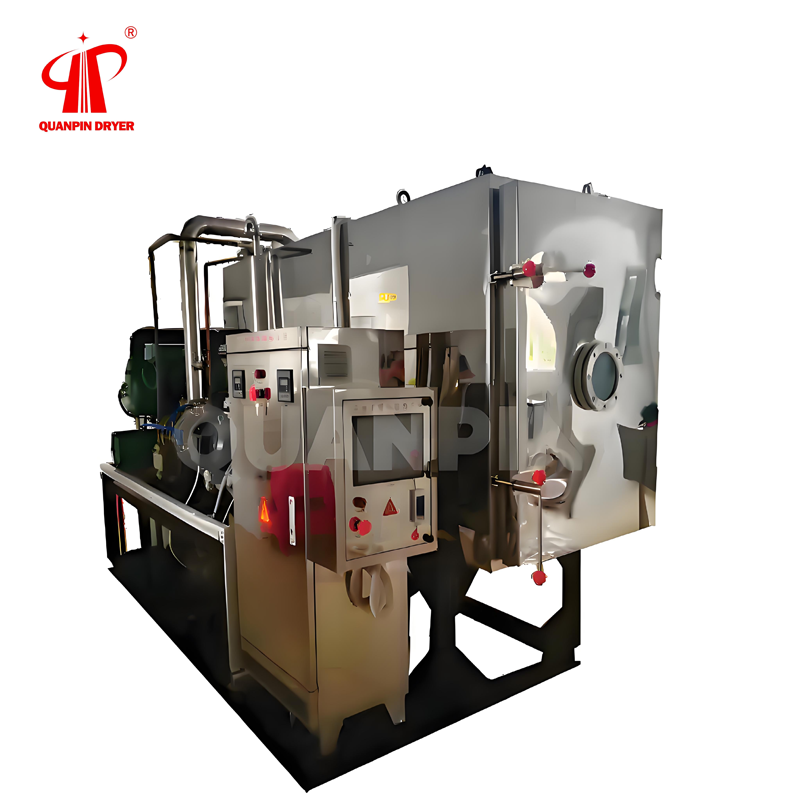
The supporting utilities and instrumentation must match the quoted configuration. Identify the actual measurement points, inspection access and service boundaries rather than assuming every optional feature is included.
Condenser and vacuum supply
The collection or transfer interface needs a stated destination and quality boundary. The accepted probiotic food ingredient balance should identify all relevant outlets and material retained in the system.
Unloading and protected packing
Controls and records should connect the equipment state to each sample event. Agree which readings are meaningful for this material, how deviations are recorded and which evidence is needed at acceptance.
Study Configurations and Comparison Choices
Reference Condition
Establish the reference condition with fruit identity and maturity specification, preparation, slice thickness distribution, freezing history, tray map and actual loading. Preserve the actual method version and the records needed to repeat the comparison. Food vacuum drying includes other processes; this enquiry concerns frozen fruit slices and sublimation.
Keep the reference specimen identifiable. Repeating a test on the same specimen evaluates a different source of variation from collecting another independent specimen.
Record the range of slice thickness actually loaded rather than only the slicer target.
Controlled Comparison
Select the variable that the study is intended to examine. If the material, equipment arrangement and analytical preparation all change, a difference cannot readily be assigned to one cause.
Separate moisture content from water activity; the tests answer different questions.
Record unplanned interruptions or deviations with the affected collections. Excluding them without explanation can overstate the demonstrated operating range.
Downstream and Whole-Run Review
Extend the comparison to the next process only where the intended use requires it. The relevant evidence is product moisture by the selected method, water activity where relevant, texture, appearance and intended rehydration behavior. An industrial vacuum dryer label does not by itself establish a freeze-drying configuration.
Evaluate relevant texture or rehydration properties on the intended food-use basis. Consult FAO dried food handling guidance for moisture protection of dried fruit and vegetable ingredients.
Retain rejected and retained material in the accounting. An attractive selected sample does not establish the accepted output of the complete run.
Industry Application and Acceptance Evidence
The industry application is Fruit & Vegetable Drying: prepared fruit slices for dried food ingredients. The equipment discussion covers this identified preparation or handling stage within that application, rather than every material in the industry. Consult FDA food allergen information for ingredient identity and allergen cross-contact.
Agree on product moisture by the selected method, water activity where relevant, texture, appearance and intended rehydration behavior before interpreting trial observations. Use methods and sampling that match the product question. Consult FDA food manufacturing practices for food-contact equipment and process hygiene.
Food-contact sanitation, ingredient identity and allergen cross-contact controls belong to the food process review. Check whether carriers or recipe changes alter the allergen profile. Consult FDA water activity background for the distinction between available water and total moisture.
Moisture content and water activity describe different properties. Where storage is relevant, define the appropriate tests and protect the food from ambient moisture during handling.
Benefits and Practical Limits
This approach makes the equipment enquiry more specific: the supplier can see the starting material, the unresolved variable and the tests that will define an acceptable result. The specified frozen-product duty distinguishes this application from other low-temperature vacuum drying routes.
A successful fruit load does not establish one universal cycle for every thickness, cultivar or food ingredient.
Six Details That Affect Interpretation
Record the range of slice thickness actually loaded rather than only the slicer target.
Keep overlapping pieces and layer arrangement visible in the load record.
Identify tray positions so a pooled result does not conceal a location-related difference.
Separate moisture content from water activity; the tests answer different questions.
Evaluate relevant texture or rehydration properties on the intended food-use basis. Consult FDA sanitation guidance resources for food sanitation and handling requirements.
Limit and record exposure between unloading, testing and protective packing.
Safety and Operating Requirements
Follow the supplied equipment procedures for startup, shutdown, isolation, cleaning and inspection. Observe or sample only through the approved arrangements; do not improvise access to moving, hot or pressurized parts.
Food hygiene and exposure controls must reflect the actual recipe and installation. Hygienic operation and powder dust protection require their own review.
Prepare the Equipment Enquiry
Send QUANPIN the material specification and fruit identity and maturity specification, preparation, slice thickness distribution, freezing history, tray map and actual loading. Identify what changed and which existing record or specimen provides the comparison basis. For heat-sensitive material drying, investigate the actual formulation response through the agreed assay and sampling plan.
Ask the proposal to identify the confirmed equipment arrangement, trial scope, measurements and unresolved options. Compare quotations on that stated duty rather than nominal machine capacity alone. Compare Drying Equipment at the same accepted-ingredient boundary, including unloading and packing.
Frequently Asked Questions
What decision should this trial support?
Record thickness distribution and loading arrangement before comparing fruit drying runs. Equal fresh mass can describe different exposed area, product depth or tray coverage.
How does the equipment work?
Freeze drying removes ice from frozen product by sublimation under reduced pressure, followed by a separately controlled finishing stage as needed. Slice geometry and tray loading belong to the heat and mass-transfer problem.
What does this comparison not establish?
A successful fruit load does not establish one universal cycle for every thickness, cultivar or food ingredient.
Which input records should be supplied?
Include fruit identity and maturity specification, preparation, slice thickness distribution, freezing history, tray map and actual loading. Keep the original units and analytical methods with the data.
Which results determine acceptance?
Assess product moisture by the selected method, water activity where relevant, texture, appearance and intended rehydration behavior. Review results from the stated material and operating scope before extending the conclusion.
How can QUANPIN review this application?
Share the identified material, trial question and acceptance plan through the enquiry below. QUANPIN can discuss a suitable configuration and the evidence needed to evaluate it.
Discuss Your Vacuum Freeze Dryer Application with QUANPIN
Discuss the application with Vacuum Freeze Dryer specialists at QUANPIN. Use our contact page or the enquiry below.
Email sales@quanpinmachine.com or stacie@quanpinmachine.com. Call +86 19850785582, or contact us on WhatsApp: +86 15921493205.