Drum Dryer Scraper Blade: Prepare a Safe Maintenance and Parts Brief
A drum dryer scraper blade inquiry needs the machine identity, the installed blade arrangement and a clear description of the symptom. In a drum scraper dryer, product removal is part of the overall film-drying process. Roller drying performance can change when feed spreading, drying conditions or release behavior changes. Do not assume every streak, retained film or uneven product is caused by the blade; investigate the complete drum drying equipment before specifying a replacement. Review the drum scraper dryer using film-formation and discharge trials: drum dryers rely on conductive drying, and thin-film drying behaviour depends on the actual feed.
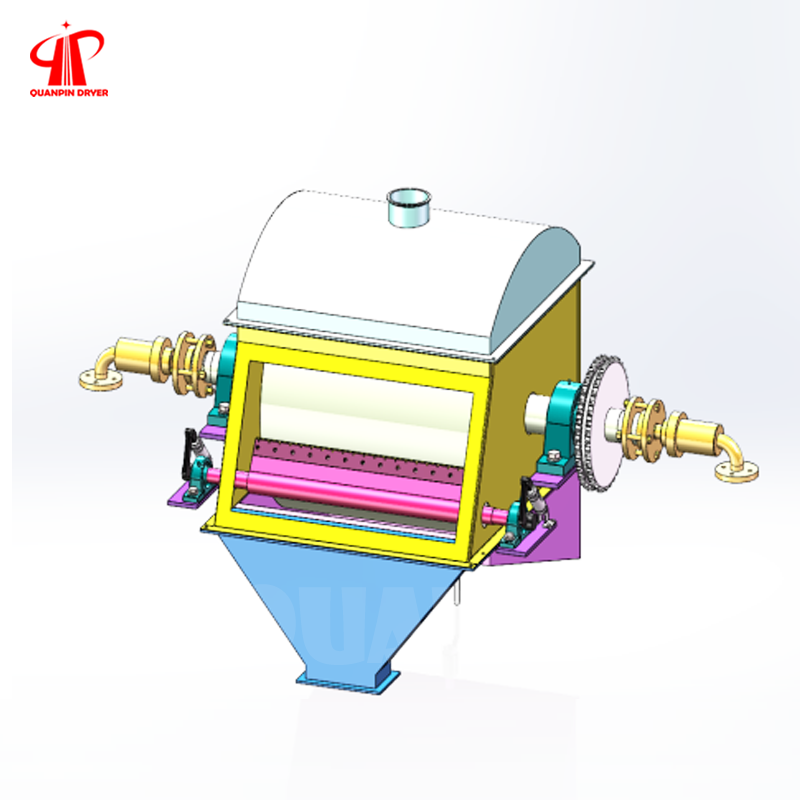
Identify the Machine and the Installed Part
Record the equipment model, serial identification, blade or holder identification and any applicable drawing revision. Confirm which documents describe the installed configuration. An equipment family name does not establish blade dimensions, material, mounting details or compatibility. Provide available photographs only when they can be taken safely.
Ask the manufacturer to confirm the approved replacement and installation procedure. Do not select a blade simply because a catalog photograph looks similar. Include the product-contact and cleaning requirements relevant to the site. A replacement inquiry should distinguish verified dimensions from measurements or details that still require confirmation.
Document the Symptom before Adjustment
Describe where the issue occurs, whether it is continuous or intermittent and whether it followed a feed, cleaning or operating change. Record visible deposits, product form and the affected production period. Compare the observations with a stable run using the same material and loading conditions.
The ANDRITZ drum-dryer brochure describes contact drying and product removal by scraping. This background explains why film behavior and removal should be considered together; it is not a maintenance procedure or spare-part specification for a QUANPIN machine.
Use the Approved Inspection Procedure
Place the equipment in the safe condition specified by its operating and maintenance instructions before inspection. Follow the site requirements for energy isolation, temperature and access. Never approach a moving drum or use an improvised adjustment as a diagnostic shortcut. The installed equipment instructions determine who may inspect and adjust the assembly.
Within that procedure, document the condition of the approved blade, holder and relevant surfaces. Ask the supplier how deposits, wear, damage and assembly should be evaluated. Blade angle, contact setting, tools and replacement intervals must come from the applicable instructions; a general article cannot supply universal values.
Plan Replacement and Return to Production
Request an itemized parts proposal with compatibility confirmation, supplied components, installation requirements and any inspection or acceptance checks. Clarify whether service support is needed and which work the site maintenance team will perform. Do not infer delivery time or expected service life from a standard product description.
After permitted maintenance, use the approved restart and verification sequence. Compare product release, quality and the observed symptom with the baseline. Record what was changed and whether the result was repeatable. If the issue remains, reopen the investigation of feed preparation and drying conditions rather than repeatedly tightening or replacing a part without evidence.
Discuss the Required Equipment Scope
For related preparation, read the drum dryer film and finished-product trial guide. Review the QUANPIN equipment range and company website, then send an application inquiry with your material, production requirements and the questions you need the proposal to answer.