YK Oscillating Granulator for Pharmaceuticals: Define Cleaning-Verification Sampling Locations
By QUANPIN
A cleaning-verification sampling location should identify the equipment surface or material boundary represented by the result. A convenient sample does not automatically describe every product-contact area of a pharmaceutical granulation system.
For the YK oscillating granulator, define the cleaning and sampling scope before interpreting results from a application study. See pharmaceutical industry applications.
YK Principle and Product-Contact Scope
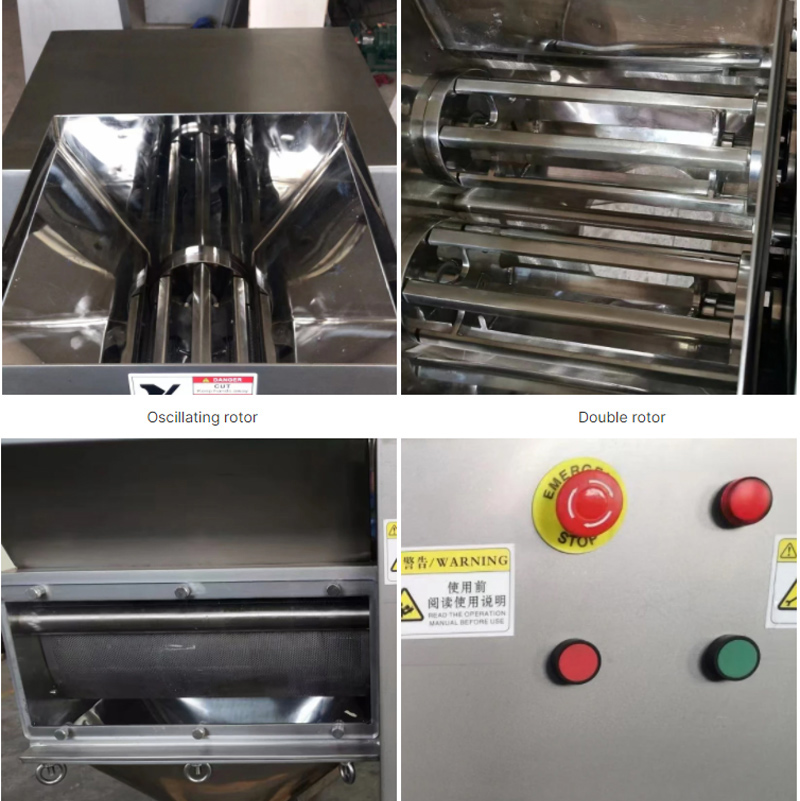
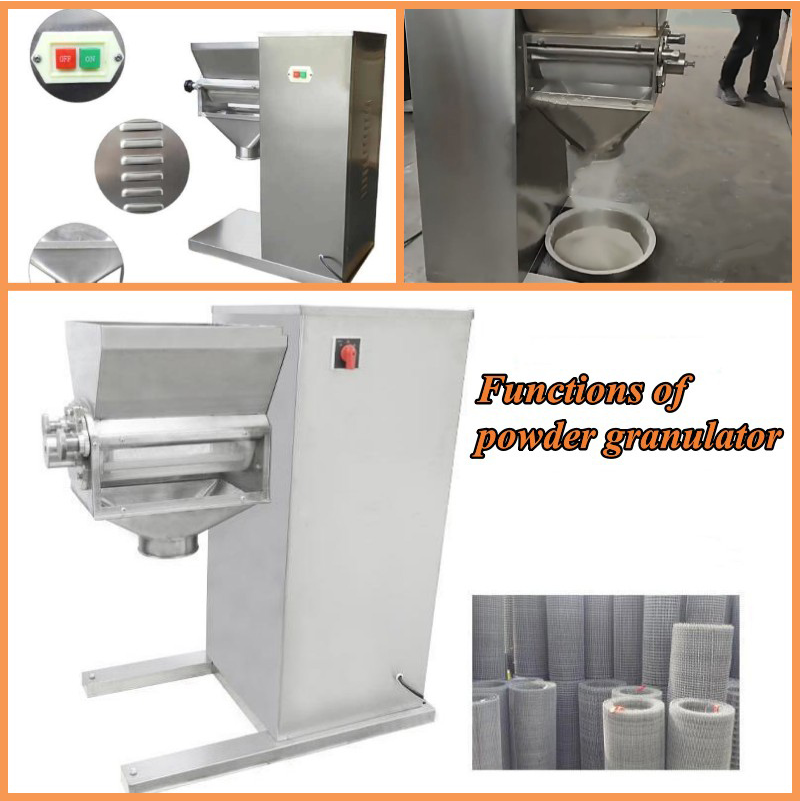
The verified oscillating granulator machine works compatible feed against a screen through reciprocating rotor action.
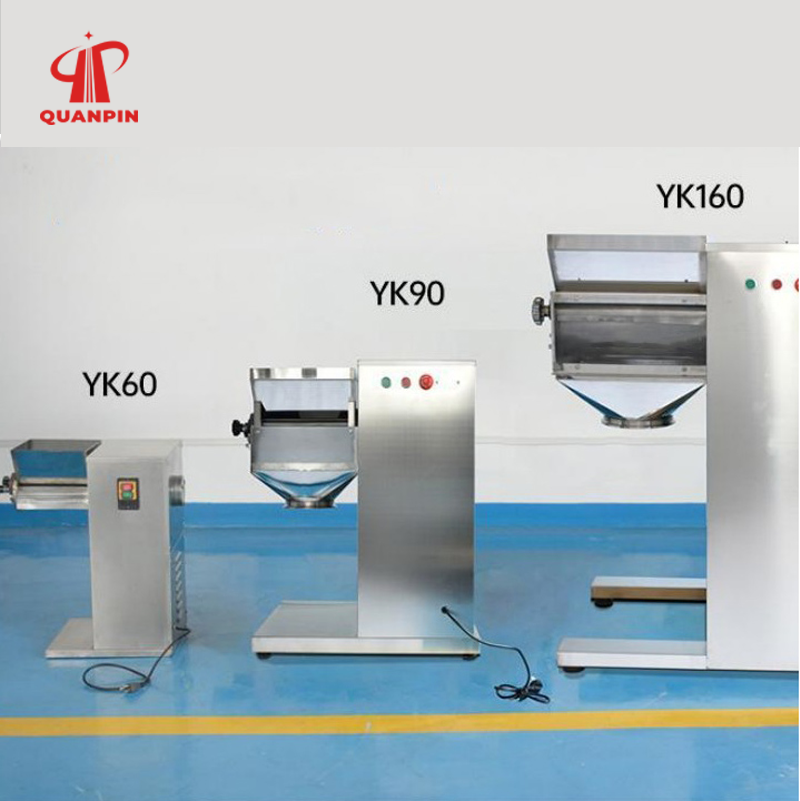
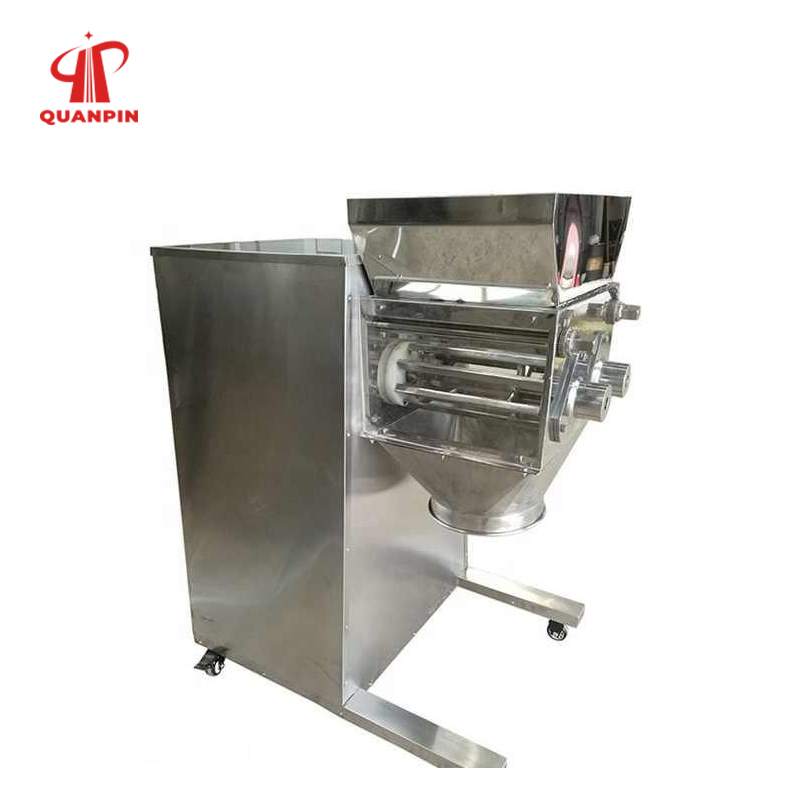
The fitted working assembly, collection arrangement and associated contacts should therefore be identified in the actual equipment description rather than inferred from a generic product photograph. Use product-specific development knowledge to justify the attributes being examined. See FDA ICH Q8 pharmaceutical development.
Define the Cleaning and Sampling Question
Describe which cleaning question each proposed sample is intended to answer.
The customer’s approved cleaning programme determines the relevant methods and acceptance requirements; an equipment article cannot prescribe them for an unidentified formulation.
Five Steps for the Application Review
Identify material and configuration
Identify the material and the actual granulation or sizing configuration.
Map confirmed contact surfaces
Map the confirmed equipment contacts included in the cleaning scope.
Identify sampling locations
Assign each sampling location an unambiguous identity.
Record approved procedures
Record cleaning, access and sampling through the applicable approved procedures.
Interpret each location result
Interpret the result within the surface and process boundary it represents.
Four Boundaries for Cleaning Evidence
A sample identifier should distinguish an equipment location from a container, transfer connection or separately supplied component.
Do not silently expand a result from the fitted screen to every other part of the working assembly.
If disassembly changes the accessibility of a location, preserve that fact in the method and equipment record.
Define separately any upstream preparation or downstream receiving equipment that belongs to the complete cleaning review.
Equipment and Process Interfaces
Feed arrangement
A swing granulator feed arrangement establishes how actual material reaches the processing assembly.
Reciprocating rotor
The reciprocating rotor supplies the mechanical action reviewed for the material and has its own confirmed contact surfaces.
Fitted screen
The screen is a fitted component whose identity and condition belong to the equipment configuration.
Collection connections
Collection connections establish where sized material leaves the machine and which external contacts may need separate consideration.
Cleaning and disassembly access
Cleaning and disassembly access depend on the installed arrangement rather than the machine-family name alone.
Sampling method
The sampling method establishes which location or boundary the resulting evidence can support.
Interpreting Surface-Specific Cleaning Evidence
Define the Actual Material
A pharmaceutical granulator cleaning review should begin with the actual product and equipment scope.
For wet granulation, describe the material state and relevant preparation history without assuming that every formulation creates the same cleaning question.
A visually clean accessible area does not by itself demonstrate every residue-related acceptance requirement.
Preserve the Relevant Boundary
Similarly, an analytical result from one identified location does not establish that an unspecified adjacent area was also assessed.
Preserve the relationship between the approved sampling plan, equipment drawing and actual sample labels.
If a screen or another contact component changes, review whether the location description and supporting equipment information remain applicable.
State the Evidence Limits
Do not attribute an unconfirmed cleaning accessory or automatic cleaning function to the YK configuration.
The customer should evaluate the appropriate cleaning evidence within its own pharmaceutical quality system.
Equipment selection can clarify contact and access arrangements, while the product-specific cleaning acceptance question remains separate.
Benefits and Limits of a Sampling Map
A clear location map can make an enquiry and subsequent technical discussion more precise.
It can identify a missing external connection or a location description that is too broad to interpret. A development comparison should not be presented as complete validation of an untested production process. See FDA process validation guidance.
The map cannot demonstrate completed cleaning validation or prescribe a universal residue limit.
Relevant evidence must come from the actual product, installation, approved method and required acceptance framework.
Equipment Identity and Contact-Scope Records
Record the equipment and component identity represented by the sampling location.
State whether the location belongs to the granulator, an external connection or a separate receiving item. Assess relevant quality risks using the actual material and process context. See FDA ICH Q9 quality risk management.
Records, Handling and Safety Requirements
Retain the cleaning and access method applicable to that configuration.
Link sample labels to the actual location and collection event.
Keep deviations or inaccessible locations visible through the site’s approved review process.
Preserve the analytical method and the specific question each result addresses. Interpret measurements through process understanding rather than treating an isolated instrument reading as product acceptance. See FDA process analytical technology framework.
Sampling or disassembly must follow the applicable isolation and safe-access procedures for the installed equipment.
A desire to examine an additional surface does not justify reaching into operating equipment or improvising a method.
Prepare the YK Cleaning-Scope Enquiry
Send QUANPIN the actual material duty and proposed product-contact boundary.
Ask which contact components, connections and access provisions are confirmed within the proposed equipment supply.
Evidence and Limits of the Contact Map
A useful equipment review should identify what can be described from engineering documentation and what still requires application evidence.
Retain the agreed contact map with the actual configuration so that later cleaning discussions refer to the same equipment. Retain knowledge and manage adopted process changes through the pharmaceutical quality system. See FDA ICH Q10 pharmaceutical quality system.
Frequently Asked Questions
What should a sampling-location identifier describe?
A location identifier should explain the surface or boundary represented by the sample rather than merely saying that the machine was tested.
Does a screen sample represent every contact surface?
A screen sample does not automatically represent every other product-contact component.
Can an image confirm cleaning accessories?
An equipment photograph can aid discussion but cannot establish that a specific cleaning accessory is included.
Does a component change require sampling review?
Changing a contact component can require review of whether the sampling description still matches the actual arrangement.
Is an equipment review completed cleaning validation?
An equipment review is not completed pharmaceutical cleaning validation.
What should the cleaning-scope enquiry provide?
The enquiry should provide material identity, contact scope, approved sampling needs and any unresolved access questions.
Discuss Your Application with QUANPIN
Discuss the confirmed YK Oscillating Granulator application with QUANPIN. Use the enquiry form or the contact page to describe your project.
Email sales@qpdryer.com or stacie@qpdryer.com. Call +86 19850785582, or contact us on WhatsApp: +86 15921493205.