Extrusion Granulator: Define the Trial Equipment-Cleanliness Status Before Material Charging
By QUANPIN
An Extrusion Granulator trial should begin with an identifiable equipment-cleanliness status for the actual material-contact scope. State that status before charging rather than infer it later from the appearance of a successful sample.
For pharmaceutical development, equipment identification, the relevant cleaning record and the actual charging boundary need an understandable relationship. Explore matching pharmaceutical applications.
Which Equipment Scope Had the Recorded Status?
The JZL is reviewed for compatible extrusion duties using the prepared material and confirmed fitted arrangement.
The extrusion function does not independently establish that every upstream container or downstream contact was included in the same cleaning scope. Use product-specific development knowledge to justify the attributes being examined. See FDA ICH Q8 pharmaceutical development.
Extrusion and Separate Product-Contact Boundaries
A pharmaceutical granulator trial description should identify which configured components were covered by the recorded status.
Do not borrow a cleanliness conclusion from another model, a different assembly or an unidentified photograph.
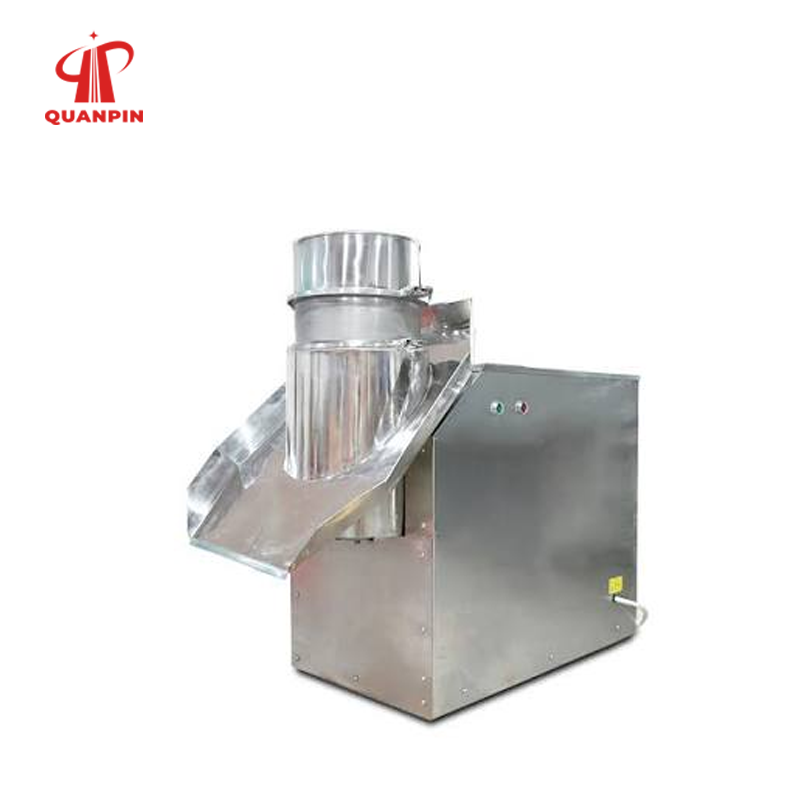
Five Steps Before Material Charging
Identify the fitted arrangement
Identify the equipment and fitted contact components.
Define the recorded cleaning scope
Define the cleaning and inspection scope actually recorded.
Confirm pre-charge status
Confirm the relevant status before material charging.
Identify external contacts
Identify external contacts and their separate responsibilities.
Retain the trial relationship
Retain the status evidence with the actual trial record.
Four Different Types of Status Evidence
Equipment identity describes the physical item and its relevant configuration.
Cleaning history describes the activities recorded for the specified scope.
Inspection or other verification evidence describes what was assessed under the applicable procedure.
Authorization to use the arrangement is a controlled decision rather than a conclusion inferred solely from visual appearance.
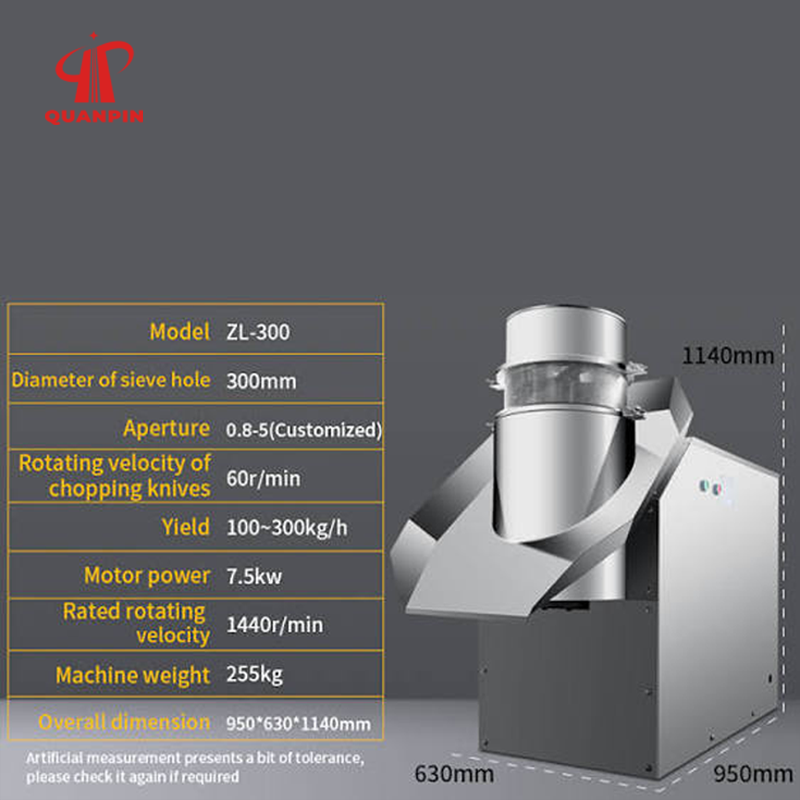
Configured Equipment and External Contacts
Feed contact
The feed-contact arrangement defines where the prepared material enters the extrusion scope.
Extrusion assembly
The working assembly includes the configured components that perform the reviewed forming operation.
Fitted product-contact parts
Fitted openings or other relevant product-contact parts should remain identifiable in the configuration record.
Collection containers
Collection containers create a receiving boundary whose status needs its own relevant review.
External transfer contacts
External transfer contacts belong to the actual material route even when provided by another party.
Safe-access provisions
Safe access and operating provisions determine how preparation and inspection activities can be performed.
Reviewing the Actual Trial Arrangement
Review the actual assembly
For pharmaceutical granulation equipment, a status record should describe the actual assembly used in the study.
If components are replaced after the recorded activity, preserve the change for the appropriate review.
Do not treat an equipment-family label as proof that every fitted contact part was included.

Keep separate contacts visible
In wet granulation development, the actual prepared feed and relevant contact route should remain identifiable.
An upstream preparation container may be outside the extrusion unit’s recorded cleaning scope.
A downstream receiver may likewise require separate status evidence under the customer’s procedure.
Use the applicable quality procedure
A granulation and drying line contains several equipment boundaries; one unit’s record does not automatically cover the entire route.
Use the applicable quality procedure to determine required verification and the authorized use status.
A development trial result should not retrospectively substitute for missing pre-charge equipment-status evidence.
Pharmaceutical Readiness and Development Evidence
A clear status boundary can expose an unassigned external contact before a representative trial begins.
It can also distinguish a configuration change from an unchanged equipment description. A development comparison should not be presented as complete validation of an untested production process. See FDA process validation guidance.
The record does not establish a universal cleaning method or acceptance limit.
Those requirements need an application-specific basis and appropriate confirmation for the real material-contact arrangement.
Document Equipment and Contact-Component Identity
Identify the actual extrusion equipment and configuration reference.
List the relevant fitted product-contact components. Assess relevant quality risks using the actual material and process context. See FDA ICH Q9 quality risk management.
Status Records, Changes and Safe Access
Preserve the cleaning and inspection records applicable to that scope.
Record changes occurring before material charging.
Identify separate preparation, transfer and receiving contacts.
Retain the authorized equipment-use status with the actual trial history. Interpret measurements through process understanding rather than treating an isolated instrument reading as product acceptance. See FDA process analytical technology framework.
Cleaning and inspection must follow approved isolation and safe-access procedures for the installed arrangement.
Material compatibility and exposure requirements should be reviewed alongside the product-contact cleaning scope.
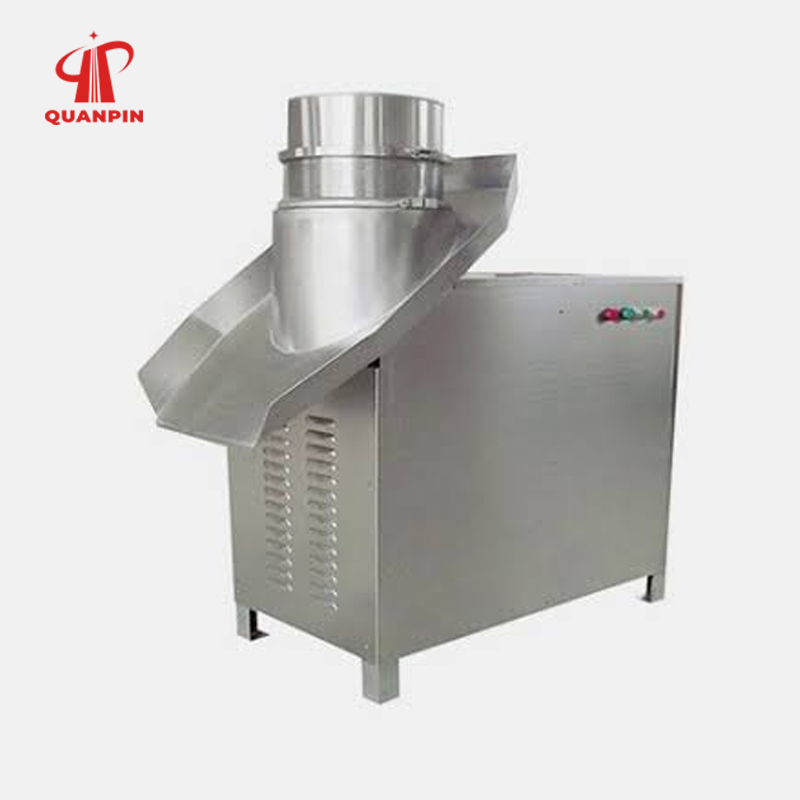
Provide QUANPIN with the Contact-Scope Enquiry
Send QUANPIN the proposed material route and the components requiring scope confirmation.
State which cleaning and release activities are customer procedures and which access or equipment provisions require engineering review.
Preserve Configuration and Status Evidence
The enquiry should clarify the confirmed contact boundary without claiming that equipment supply validates the customer’s cleaning process.
Retain the configured machine record with the applicable status evidence and development results. Retain knowledge and manage adopted process changes through the pharmaceutical quality system. See FDA ICH Q10 pharmaceutical quality system.
Frequently Asked Questions
Does a good trial prove prior cleanliness?
A favorable trial sample does not establish an undocumented pre-charge cleanliness status.
Does a family name identify every contact part?
An equipment-family name does not identify every fitted product-contact component.
Should assembly changes remain recorded?
A changed assembly should remain visible in the record used for the actual trial.
Are external vessels automatically included?
An upstream vessel or downstream receiver may fall outside the extrusion unit’s cleaning scope.
Does one record cover the whole line?
A unit-specific record does not automatically establish readiness of an entire production line.
What should the enquiry identify?
The enquiry should identify the configured contacts, external interfaces and responsibility for the applicable status review.
Discuss Your Extrusion-Granulator Preparation Scope with QUANPIN
Discuss the matching QUANPIN equipment with QUANPIN. Use the enquiry form or our contact page to describe the actual application.
Email sales@qpdryer.com or stacie@qpdryer.com. Call +86 19850785582, or contact us on WhatsApp: +86 15921493205.