Centrifugal Spray Dryer for Coffee: Keep Coded Beverage Samples Traceable to the Trial
By QUANPIN
A coded coffee sample can reduce the information visible to an assessor, but its identity must remain traceable in the trial record. Separate the assessment label from the record connecting that powder to the drying run.
For a centrifugal spray dryer study, define the beverage-assessment purpose and the powder represented before interpreting a preference or descriptive observation. See food industry applications.
Coffee Drying Principle and Sample Identity
The centrifugal spray dryer working principle combines atomization of feed with contact between droplets and drying air.
That process description does not establish a sensory result for every coffee extract, carrier formulation or preparation method.
Define the Beverage-Assessment Purpose
Decide what the coffee assessment is intended to investigate and which actual materials will be compared.
Do not describe an informal tasting as a validated sensory study or infer a universally preferred product from an unexplained opinion.
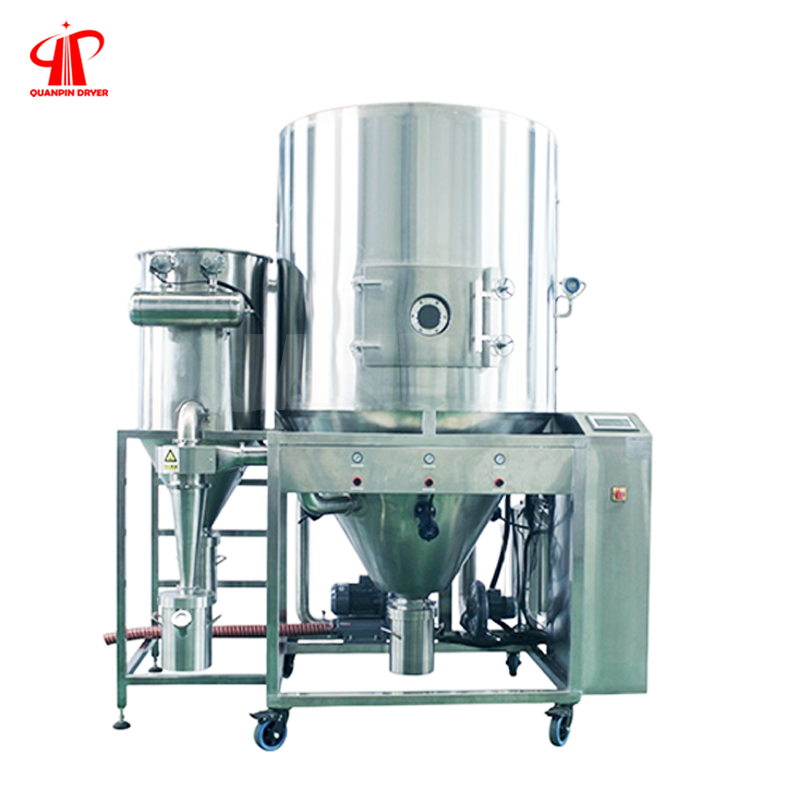
Five Steps for the Application Review
Identify formulation and run
Identify the formulation and drying run supplying each powder.
Define the collected material
Define the collected material represented by each assessment sample.
Preserve code traceability
Keep the assessment code separate from the retained identity record.
Apply the agreed method
Apply the customer’s agreed preparation and assessment method.
Interpret the supported comparison
Interpret observations with their actual material and method limitations.
Four Boundaries for Coded Application Samples
A code should identify the assessment portion without destroying its connection to the source powder.
If fractions are combined before the beverage sample is prepared, record the material actually included.
A powder taken after additional handling should retain that handling history rather than being labelled simply as dryer output.
Keep the preparation method consistent with the defined assessment question instead of allowing an undocumented change to explain the result.
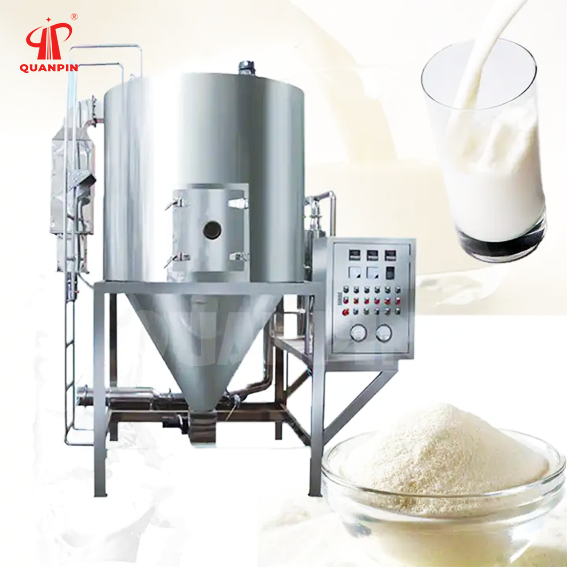
Equipment and Process Interfaces
Coffee formulation
Coffee feed preparation establishes the extract and any declared carrier used in the trial.
Drying configuration
The high speed centrifugal spray dryer configuration identifies the atomization and drying arrangement actually reviewed.
Powder recovery
Powder recovery determines which collected material becomes available for application assessment.
Containers and transfer
Containers and transfer steps preserve sample identity between collection and beverage preparation.
Assessment code
The assessment code belongs to the testing arrangement rather than an automatically included equipment function.
Retained identity record
The retained identity record connects the observation to the actual formulation, run and collected material.
Interpreting Coded Beverage Observations
Define the Actual Material
A centrifugal spray dryer design review should distinguish engineering requirements from customer beverage-assessment responsibilities.
An assessor may need limited sample information for a defined comparison, while the responsible trial team retains the complete identity.
Do not remove ingredient or safety information from those who need it for safe sample preparation or participation.
Preserve the Relevant Boundary
The actual ingredient list should determine any relevant allergen and food-safety questions.
A coded label alone does not control preparation differences, assessor variation or the relationship between samples.
Describe the method used rather than claiming that every coded comparison meets a particular formal sensory standard.
State the Evidence Limits
Keep descriptive observations, preferences and analytical powder results separately identified.
An observed beverage difference should not automatically be attributed to the dryer when formulation, collection or preparation also differed.
The final report should state what was compared and which conclusions remain unsupported by the actual assessment.
Benefits and Limits of Sample Coding
A traceable coding arrangement can improve clarity when discussing application samples with a technical team. Food equipment and processing need appropriate hygiene controls. See FDA food manufacturing practices.
It can help separate the information shown during assessment from the records needed to investigate an observation. Identify allergens and cross-contact requirements when ingredients or carriers introduce them. See FDA food allergen information.
It cannot establish that the entire comparison is unbiased or statistically conclusive. Water activity describes a property different from total moisture content. See FDA water activity background.
Those claims require an appropriate study design and evidence beyond a sample code or equipment trial.
Formulation, Collection and Assessment Records
Record the formulation and trial identity associated with the powder.
State the collection boundary and any combined fractions.
Records, Handling and Safety Requirements
Identify handling between powder collection and preparation.
Preserve the connection between the assessment code and the material identity.
Retain the customer’s actual preparation and assessment method.
State the scope and limitations of each reported observation.
Food-contact hygiene remains relevant during collection, sample handling and beverage preparation. Include relevant sanitation and handling requirements in the food-process review. See FDA sanitation and transportation resources.
Access to material or operating equipment must follow the applicable safe procedures independently from the sample-coding arrangement.
Prepare the Coffee Application Enquiry
A centrifugal spray dryer price comparison should use the same feed and equipment supply scope rather than a sensory preference alone.
Ask QUANPIN to review the coffee drying application while keeping the customer’s assessment method and responsibilities clearly identified. Food hazard analysis and relevant preventive controls are separate from demonstrating a preferred ingredient appearance. See FDA preventive controls for human food.
Evidence and Limits after a Sample or Method Change
Retain the coded assessment record and the corresponding identity record through the customer’s applicable information controls.
When a sample or method changes, review whether the observations still support the same comparison before extending the conclusion.
Frequently Asked Questions
Should a coded label remain traceable?
A coded assessment label should remain traceable to the actual powder through the retained trial record.
Does coding establish a formal sensory standard?
Coding does not automatically establish a formal sensory standard or eliminate every source of variation.
Can one fraction represent the complete output?
A beverage observation from one selected fraction does not necessarily represent the complete powder output.
Who needs ingredient and safety information?
Ingredient and safety information should remain available to the people who need it for the actual assessment.
Does a favorable beverage result prove capacity or shelf life?
A favorable coffee assessment does not establish production capacity, complete process validation or commercial shelf life.
What does the coffee enquiry need?
The enquiry should identify the coffee feed, collected sample boundary, preparation method and the application question to be investigated.
Discuss Your Application with QUANPIN
Discuss the confirmed LPG Centrifugal Spray Dryer application with QUANPIN. Use the enquiry form or the contact page to describe your project.
Email sales@qpdryer.com or stacie@qpdryer.com. Call +86 19850785582, or contact us on WhatsApp: +86 15921493205.
For process evaluation, consider the centrifugal spray dryer machine for centrifugal atomization of suitable liquid feeds. Confirm suitability with representative material, the required product properties and the proposed process conditions.