Vacuum Freeze Dryer for Fruit Ingredients: Map Product Identity from Trays to Receiving Packages
By QUANPIN
Fruit-ingredient traceability should identify which prepared material, drying load and subsequent collected product a package represents. A package label cannot supply a missing connection to the actual product history by itself.
For a food vacuum freeze dryer trial, define the material-identity map through the actual loading, unloading and packing arrangements under review. See food industry applications.
Freeze Drying and Product-Identity Functions
The Vacuum Freeze Dryer route removes ice from a frozen product through sublimation under the reviewed process conditions.
That principle does not establish a built-in tray-tracking or package-identification function for every equipment configuration.
Define the Actual Fruit and Loading Arrangement
Describe the fruit product and the physical loading arrangement that actually applies to the project.
Where trays are used, identify how tray-level information connects to the relevant load without assuming unconfirmed identification accessories.
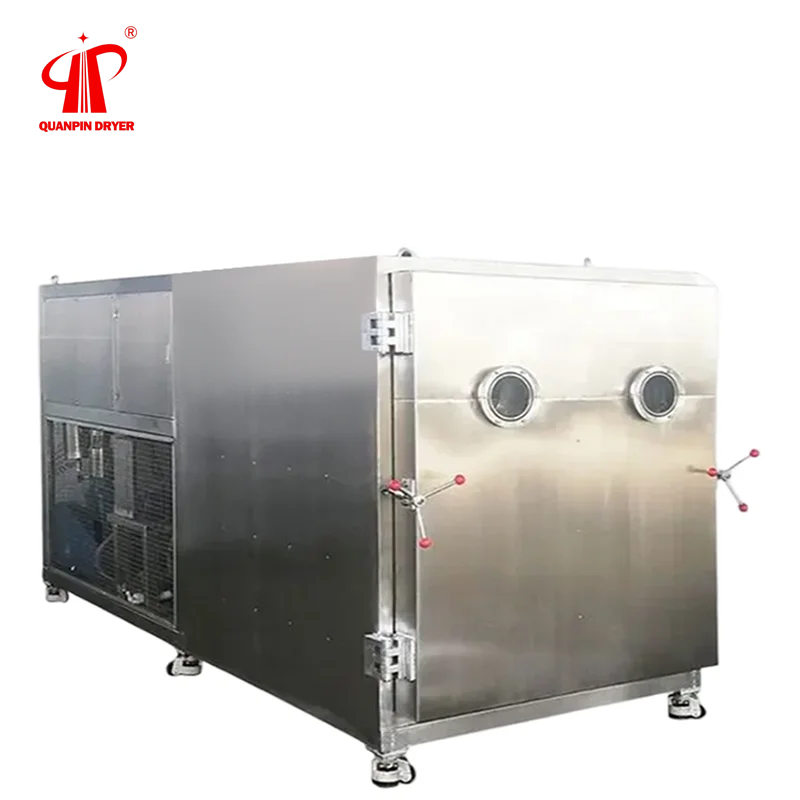
Five Steps for the Application Review
Identify the prepared fruit
Identify the prepared fruit and its development or batch identity.
Define load and tray identifiers
Define the actual load and any tray identifiers used.
Record unloading and combination
Record unloading and any combining or separation of material.
Connect material to receiving packages
Connect the collected fruit to the subsequent package or receiving container.
Interpret the represented sample
Interpret samples using the material history they actually represent.
Tray, Combined-Material and Package Boundaries
A tray identifier describes a loading or handling location, while a package identifier describes a later receiving boundary.
The relationship may change if material from several trays is combined or material from one tray is split between packages.
Record those operations when they occur rather than assuming a permanent one-tray-to-one-package relationship.
A sample taken before combining material does not automatically describe every package created after that operation.
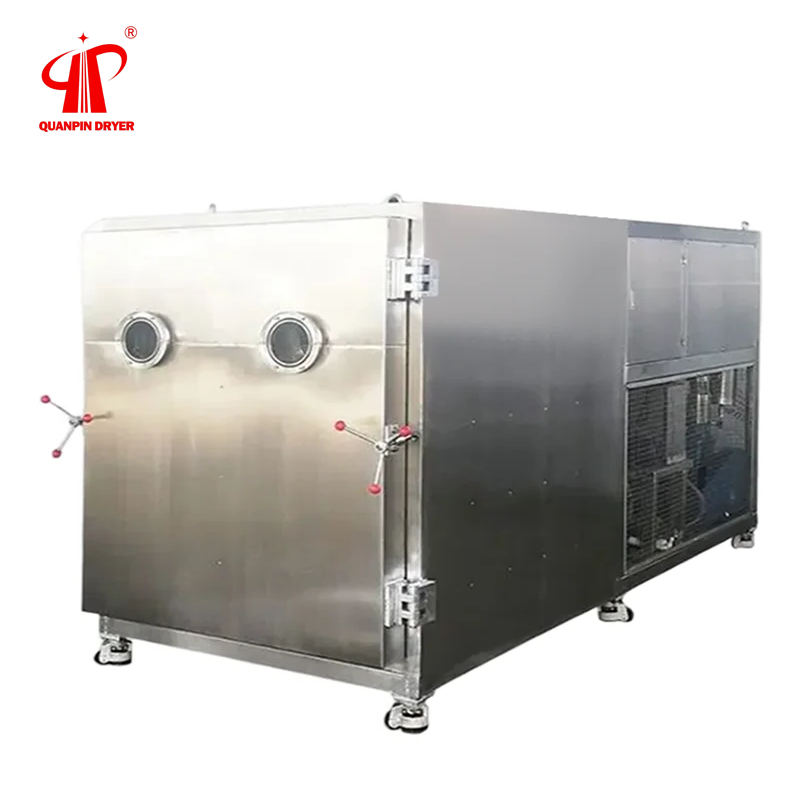
Equipment and Process Interfaces
Fruit preparation
Fruit preparation establishes the actual ingredient and prepared form entering the reviewed route.
Loading arrangement
The confirmed loading arrangement identifies how that material enters the Vacuum Freeze Dryer Machine.
Drying-load record
The drying-load record connects the prepared fruit to the equipment configuration and relevant process history.
Unloading and collection
Unloading and collection establish which material leaves the dryer and how it is received.
Combining and separation
Any combining, separation or additional preparation changes the identity boundary represented by subsequent samples.
Receiving-package records
Package or receiving-container records establish the final destination included in the traceability description.
Interpreting Material Identity through Handling
Define the Actual Material
A vacuum freeze drying machine enquiry should state whether traceability is maintained by customer procedures, confirmed equipment functions or both.
Do not infer automatic identification, scanning or batch-record software from the general description of a production route.
Where customer-provided handling equipment is involved, identify the boundary requiring coordination with the dryer arrangement.
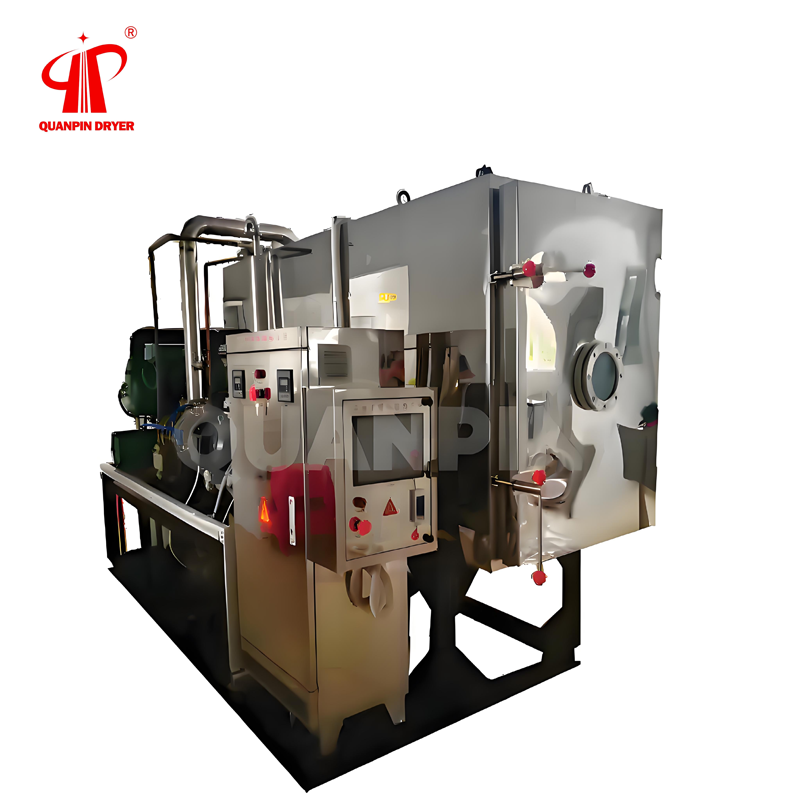
Preserve the Relevant Boundary
Keep actual tray and load identities distinct from a general product-family name.
If the intended ingredient changes from pieces to further-processed material, preserve that preparation history.
Food vacuum drying includes other routes; this review concerns the identity map associated with the frozen-product route.
State the Evidence Limits
Product observations should identify whether the sample represents a tray, combined load, collected container or completed package.
A traceability map makes those relationships explicit without replacing the analytical tests required for ingredient acceptance.
The final record should show the material actually represented rather than rely on an unexplained assumption of equivalence.
Benefits and Limits of the Identity Map
A clear identity map can help investigate an observation without losing the connection between loading and receiving stages. Food equipment and processing need appropriate hygiene controls. See FDA food manufacturing practices.
It can reveal a missing record when material is combined, separated or prepared further after drying. Protect dried fruit ingredients from moisture uptake during handling and packing. See FAO dried fruit and vegetable handling guidance.
It cannot establish that every tray or package has identical ingredient properties. Water activity describes a property different from total moisture content. See FDA water activity background.
Those conclusions require relevant product evidence for the actual material and sampling plan.
Prepared-Fruit and Receiving-Identity Records
Record the fruit identity and prepared form entering the load.
Identify the loading arrangement and any tray identifiers actually used.
Records, Handling and Safety Requirements
Describe unloading and the destination of the collected material.
Preserve combining, separation and intermediate processing records where relevant.
Connect sample labels to the precise material boundary represented.
State the receiving-container or package endpoint included in the review.
Food-contact hygiene remains relevant throughout loading, unloading, transfer and packing. Include relevant sanitation and handling requirements in the food-process review. See FDA sanitation and transportation resources.
Identification or sample collection must follow the actual equipment’s approved handling and safe-access procedures.
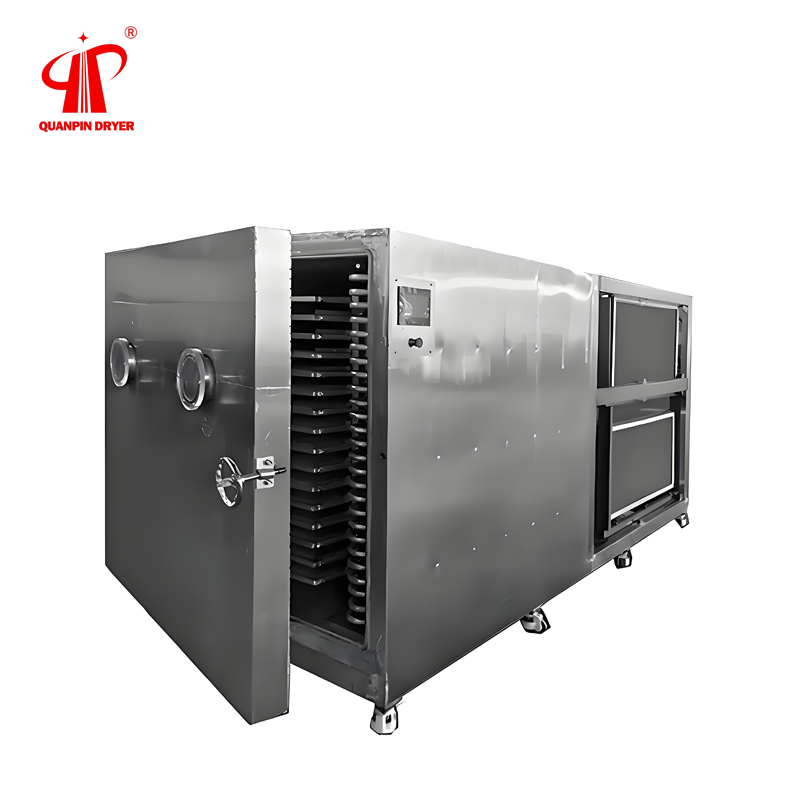
Prepare the Fruit Traceability-Scope Enquiry
Send QUANPIN the intended fruit duty and the customer’s proposed load-to-receiving identity map.
Ask which loading, unloading and identification functions are confirmed within the equipment scope and which are supplied separately. Food hazard analysis and relevant preventive controls are separate from demonstrating a preferred ingredient appearance. See FDA preventive controls for human food.
Evidence and Limits after Handling Changes
Retain the identity relationships with the product observations so that later comparisons refer to the same material boundary.
When the handling arrangement changes, review how that change affects the meaning of existing tray, load and package records.
Frequently Asked Questions
Are tray and package identity the same?
A tray identity and a package identity describe different stages unless their relationship has been explicitly recorded.
Can splitting or combining alter represented material?
Combining or splitting material can change which original trays a receiving container represents.
Does the dryer include automatic tracking?
A general freeze-dryer description does not confirm automatic product-tracking accessories.
Does one sample establish every package's properties?
A sample from one location does not automatically establish the properties of every resulting package.
Does traceability replace ingredient tests?
Traceability provides material context but does not replace ingredient acceptance tests.
What should the fruit-handling enquiry describe?
The enquiry should describe the fruit, actual loading arrangement, material movements and the final receiving boundary.
Discuss Your Application with QUANPIN
Discuss the confirmed FD Vacuum Freeze Dryer application with QUANPIN. Use the enquiry form or the contact page to describe your project.
Email sales@qpdryer.com or stacie@qpdryer.com. Call +86 19850785582, or contact us on WhatsApp: +86 15921493205.
For process evaluation, consider the vacuum tray dryer for batch drying on trays under vacuum; the vacuum rake dryer for agitated drying under vacuum; the double cone vacuum dryer for rotating batch drying under vacuum; and the hot air circulation oven for batch tray drying with circulating hot air. Confirm suitability with representative material, the required product properties and the proposed process conditions.