Centrifugal Spray Dryer for Coffee: Separate Supply-Vessel Contents from Actual Dryer Feed
By QUANPIN
Coffee extract prepared in a supply vessel is not necessarily identical to the quantity that actually enters a drying system during a defined run. Keep vessel contents, transferred feed and any remaining material as separate parts of the trial description.
A centrifugal spray dryer enquiry should identify the actual feed boundary used to interpret powder collection and application results. See food industry applications.
Centrifugal Drying and the Feed-Entry Boundary
The centrifugal spray dryer working principle combines feed atomization with contact between droplets and drying air.
The reviewed process begins with the material actually delivered to the proposed arrangement, rather than an assumed complete transfer from an upstream vessel.
Define the Supply Stage and Remaining Material
Define which vessel or preparation stage supplies the coffee extract.
Identify what is known about material remaining upstream without inventing a transfer efficiency or an unmeasured quantity.
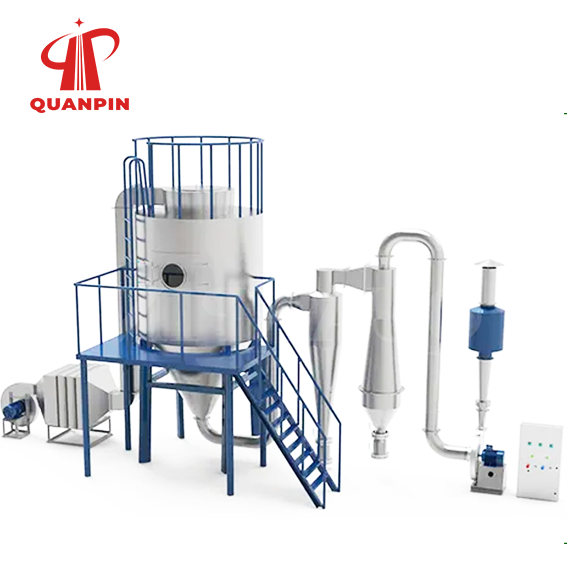
Five Steps for the Application Review
Identify the coffee and supply arrangement
Identify the prepared coffee formulation and supply arrangement.
Define actual feed entry
Define the point where feed enters the reviewed drying scope.
Record the transfer basis
Record the interval and the actual basis of the transfer information.
Keep remaining material separate
Keep remaining material and other removed fractions separately described.
Interpret the powder boundary
Interpret collected powder against the stated feed boundary.
Prepared, Transferred and Remaining Material
An initial vessel quantity, a transfer measurement and a closing observation can represent different records.
State the method behind each value rather than subtracting unlike quantities to create an apparently precise result.
If flushing, dilution or another addition occurs during the run, keep the change visible in the material description.
Do not silently count unused extract remaining upstream as material that has passed through the dryer.
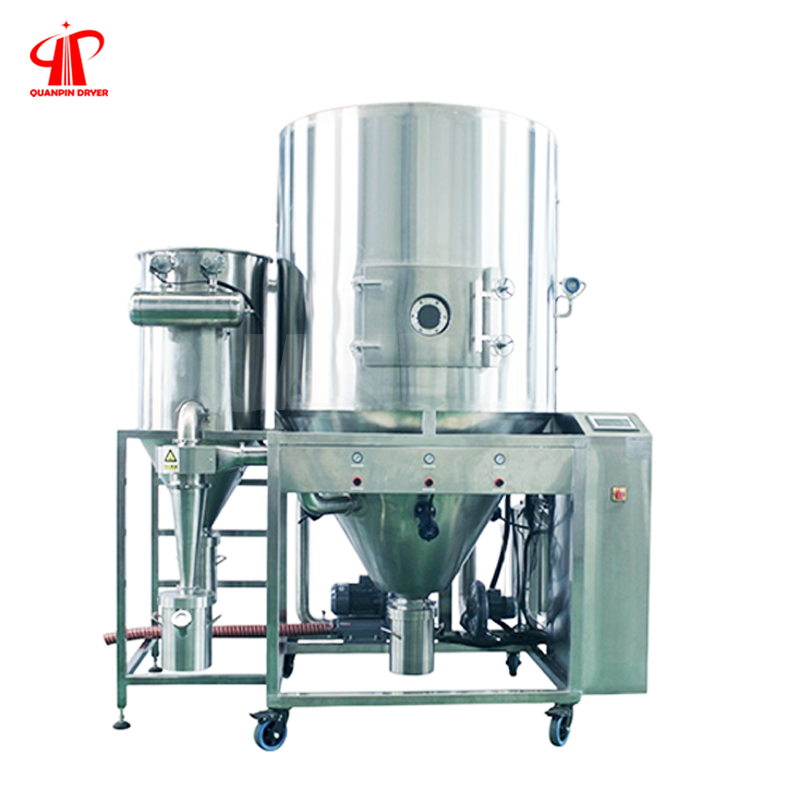
Equipment and Process Interfaces
Coffee preparation
Coffee preparation establishes the extract and any declared carrier available for the trial.
Supply vessel
The supply vessel belongs to the actual feed-preparation or storage scope confirmed for the project.
Transfer connection
The transfer connection defines the boundary between upstream material handling and the reviewed drying arrangement.
Drying configuration
The high speed centrifugal spray dryer configuration identifies the actual atomization and drying equipment.
Powder recovery
Powder recovery establishes the collected material available for subsequent assessment.
Trial material records
The trial record connects the supplied formulation, actual feed boundary and collected sample identities.
Interpreting Feed Transfer and Collected Powder
Define the Actual Material
A centrifugal spray dryer design review should state which feed-handling functions are included in the equipment proposal.
Do not infer a preparation tank, metering arrangement or transfer accessory from a generic process illustration.
Where another party supplies the upstream equipment, identify the connection and information that need coordination.
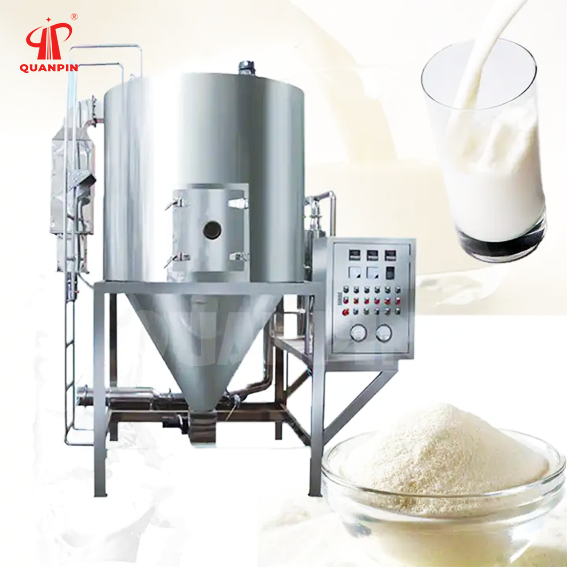
Preserve the Relevant Boundary
An observed remaining liquid does not automatically establish its quantity or composition.
Preserve any actual measurement basis and keep unresolved information clearly identified.
A change in coffee or carrier formulation should remain connected to the interval during which that feed was supplied.
State the Evidence Limits
The powder-accounting boundary should state which collected fractions are included rather than borrowing an unrelated recovery claim.
Application testing should identify the actual powder represented, independently from the upstream transfer record.
A useful comparison should make clear what material entered the reviewed system and what conclusions the available records support.
Benefits and Limits of a Defined Feed Boundary
Defining the feed boundary can expose an accounting assumption that would otherwise be hidden behind the prepared batch quantity. Food equipment and processing need appropriate hygiene controls. See FDA food manufacturing practices.
It can also identify whether an unresolved question belongs to upstream transfer or to the drying and collection scope. Identify allergens and cross-contact requirements when ingredients or carriers introduce them. See FDA food allergen information.
The distinction does not establish a universal transfer loss or a guaranteed powder recovery. Water activity describes a property different from total moisture content. See FDA water activity background.
Actual material records and agreed analytical evidence are needed for the specific run and formulation.
Formulation and Feed-Transfer Records
Record the coffee formulation prepared for the trial.
Identify the supply vessel and transfer connection actually used.
Records, Handling and Safety Requirements
Define the stated run interval and feed-entry boundary.
Preserve the methods behind any measured quantities.
Describe remaining material, samples and additions without merging them into an unexplained total.
Retain collected-powder and application-test identities with the corresponding feed history.
Food hygiene applies to preparation, storage, transfer and the relevant dryer contacts. Include relevant sanitation and handling requirements in the food-process review. See FDA sanitation and transportation resources.
Any sampling, inspection or intervention must follow the approved procedures for the actual material and installed equipment.
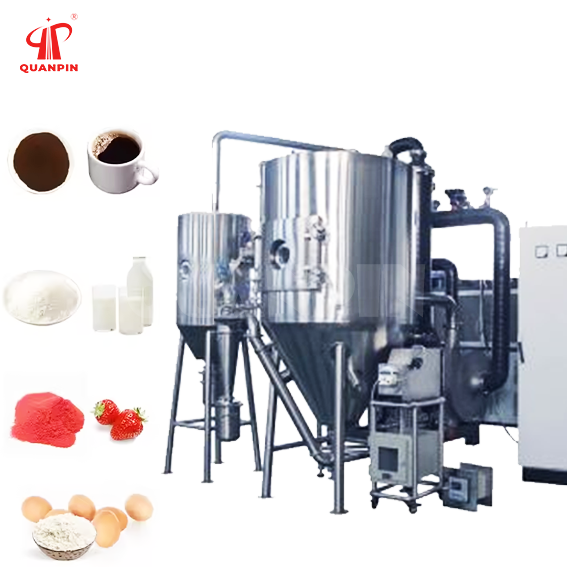
Prepare the Coffee Feed-Scope Enquiry
A centrifugal spray dryer price comparison should use the same feed-supply and drying scope.
Ask QUANPIN to confirm the proposed feed connection and identify any preparation or transfer functions supplied by others. Food hazard analysis and relevant preventive controls are separate from demonstrating a preferred ingredient appearance. See FDA preventive controls for human food.
Evidence and Limits after Supply Changes
Retain the actual feed-boundary description with the trial results so that subsequent comparisons use the same basis.
When a supply arrangement changes, review whether earlier observations remain relevant before treating the runs as equivalent.
Frequently Asked Questions
Does the prepared quantity equal the processed feed?
The extract prepared in a vessel is not automatically the quantity processed through the dryer.
Does remaining liquid establish a measured quantity?
An observation of liquid remaining upstream does not by itself establish a measured mass or composition.
Should flushing or dilution be recorded?
Flushing or dilution can change the supplied material and should remain visible in the run record.
Does an illustration confirm upstream accessories?
A generic dryer illustration does not confirm that upstream preparation or transfer accessories are included.
Does transfer information establish product acceptance?
Collected-powder acceptance and beverage assessment still require their own representative evidence.
What should the coffee enquiry define?
The enquiry should define the coffee formulation, actual feed connection, transfer records and the boundary used for interpreting the trial.
Discuss Your Application with QUANPIN
Discuss the confirmed LPG Centrifugal Spray Dryer application with QUANPIN. Use the enquiry form or the contact page to describe your project.
Email sales@qpdryer.com or stacie@qpdryer.com. Call +86 19850785582, or contact us on WhatsApp: +86 15921493205.
For process evaluation, consider the centrifugal spray dryer machine for centrifugal atomization of suitable liquid feeds. Confirm suitability with representative material, the required product properties and the proposed process conditions.