Vacuum Freeze Dryer for Fruit: Distinguish Chemical Retention from Extractable Phenolics and In Vitro Antioxidant Assays
By QUANPIN
A fruit extract describes what the selected preparation and analytical method recover and detect. It does not describe every compound present in the original ingredient.
For a food vacuum freeze dryer study, distinguish chemical retention, extractable phenolics and antioxidant assay response before ranking treatments. These outcomes answer related but different questions.
What Does a Fruit Extract Actually Measure?
A measured increase can reflect reporting basis or extraction behavior. Describe the evidence before assigning a mechanism to the apparent change.
Define the decision first: preserving a named compound requires different evidence from comparing the radical-scavenging response of laboratory extracts.
How Does Freeze Drying Fit the Comparison?
A Vacuum Freeze Dryer removes water from frozen material under reduced pressure. Its process description provides context for analysis rather than an analytical result.
The tropical-fruit experiment compared fresh and freeze-dried material using methanol extracts and several chemical measurements. Responses depended on the fruit and assay.
Which Starting Conditions Need Matching?
Fruit identity
Fresh starfruit and mango showed higher ferric-reducing responses than their dried counterparts. Other tested fruits did not show that same significant difference.
Starting specimen
Consequently, the phrase freeze dried cannot establish a universal chemical-retention ranking across fruit ingredients, preparations and laboratory methods.
Pretreatment
Record cultivar, ripeness and edible portion because a fruit name alone leaves substantial starting-material differences unresolved in a drying comparison.
Sample allocation
Identify whether the reference specimen was fresh, frozen or otherwise prepared. Preserve its sampling time and storage conditions beside the dried sample record.
Fresh basis
Describe cutting and pretreatment before interpreting chemical differences. A preparation change creates another experimental factor alongside the drying operation.
Why Specify the Reporting Basis?
Allocate comparable starting material across treatments. Preserve sample identifiers so the laboratory can connect each extract with its original fruit portion.
A fresh-mass result includes the original water. Comparing it directly with a dried-mass result can confuse concentration with preservation.
Dry-matter reporting improves one part of comparability, but it does not establish identical extraction efficiency or identical starting fruit composition.
An extract concentration describes the analytical solution. It requires a documented relationship to fruit mass before supporting an ingredient-level interpretation.
What Does Extraction Change?
Dry matter basis
Report units and denominators explicitly. Avoid a retention percentage when the compared measurements do not share a justified mass basis.
Extract concentration
Solvent composition affects what enters an extract. Keep the extraction recipe attached to the reported total phenolic result throughout the comparison.
Solvent selection
Record grinding, extraction duration, temperature and repeated extraction steps. Changing preparation can alter measured recovery without proving a change in total native content.
Extraction procedure
The goji drying experiment combined extract-based group assays with individual phenolic analysis. Its measurements provided complementary views of the treated fruit.
Analytical response
Use an extraction-based result to describe that tested procedure. Do not automatically rename it total chemical recovery from the whole production batch.
Individual profiles
A total phenolic assay combines responses into an equivalent value. It does not independently identify the concentration of every phenolic compound.
How Do Individual Compounds Differ from Group Assays?
Measured retention
A chromatographic profile can follow named compounds separately. Its coverage still depends on the analytical method and compounds actually identified.
Measured retention needs a defined reference and matched basis. An individual-compound comparison should state precisely which compound was measured.
Keep group response, individual profile and retained amount in separate result fields. Agreement strengthens interpretation without making these measurements interchangeable.
Can a higher phenolic result prove better retention?
DPPH, ABTS and ferric-reducing methods probe different chemical responses under laboratory conditions. Their numerical scales and response directions require method-specific interpretation.
The wild-strawberry study used several antioxidant-related measurements, including concentration-based endpoints. Lower effective concentration has a different interpretation from higher direct capacity.
Do not combine unlike assay values into a single equipment score. Preserve each method, reference standard and statistical comparison alongside its result.
Does DPPH measure nutritional value?
These laboratory responses provide no direct demonstration of nutrient absorption or a health effect after the fruit is eaten.
The jujube experiment compared cultivars, locations and drying methods while measuring phenolics and antioxidant responses separately. Treatment effects depended on the comparison.
That design shows why a fruit-development brief should preserve cultivar and location information instead of treating all batches as equivalent material.
Why Can Antioxidant Assays Disagree?
The blood-orange experiment also compared drying treatments using group assays and individual compounds. It supplies another material-specific example.
Use its qualitative comparison carefully: inconsistent printed units prevent confident reuse of the disputed numerical antioxidant values in a new report.
A treatment comparison includes the preparation, drying conditions and analytical procedure actually tested. It does not establish the performance of every commercial installation.
Higher laboratory response may justify further investigation. It does not, by itself, identify whether preservation, extractability or another factor caused the difference.
What Do Different Fruits Demonstrate?
Separate statistical evidence from an operational preference. A selected process may also need acceptable throughput and ingredient characteristics beyond the assay results.
State unresolved causes plainly. Additional matched measurements are more useful than assigning a convenient mechanism that the experiment did not establish.
How Should Process Comparisons Be Interpreted?
A Vacuum Freeze Dryer Machine enquiry should identify the fruit, intended ingredient form and chemical question before discussing analytical acceptance.
For a vacuum freeze drying machine trial, provide the preparation description, reference specimen and planned laboratory methods with the equipment brief.
Consult the QUANPIN freeze dryer product page for equipment context, then keep proposed operating details separate from independently measured results.
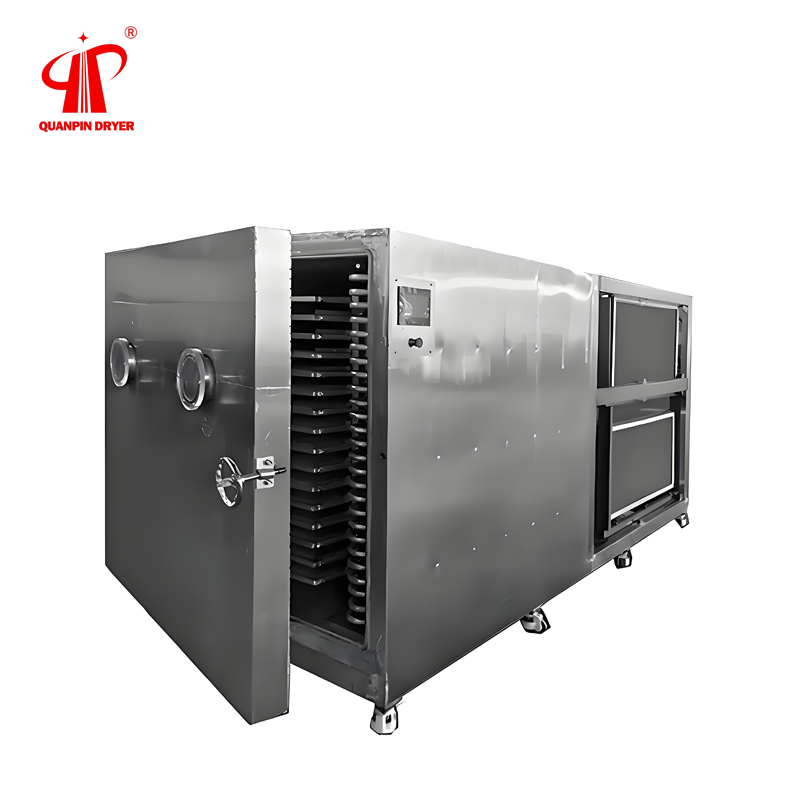
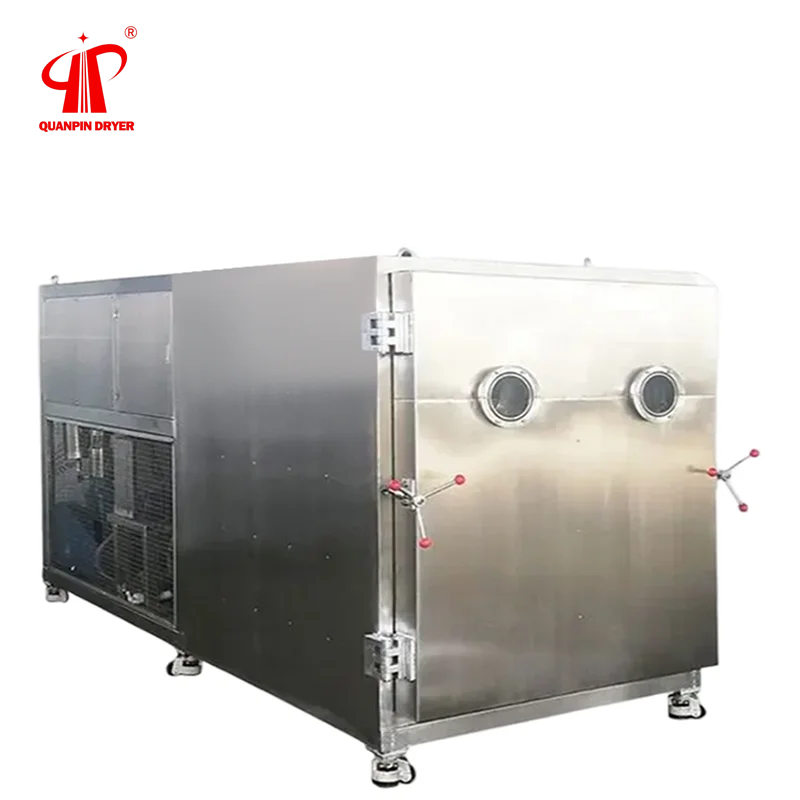
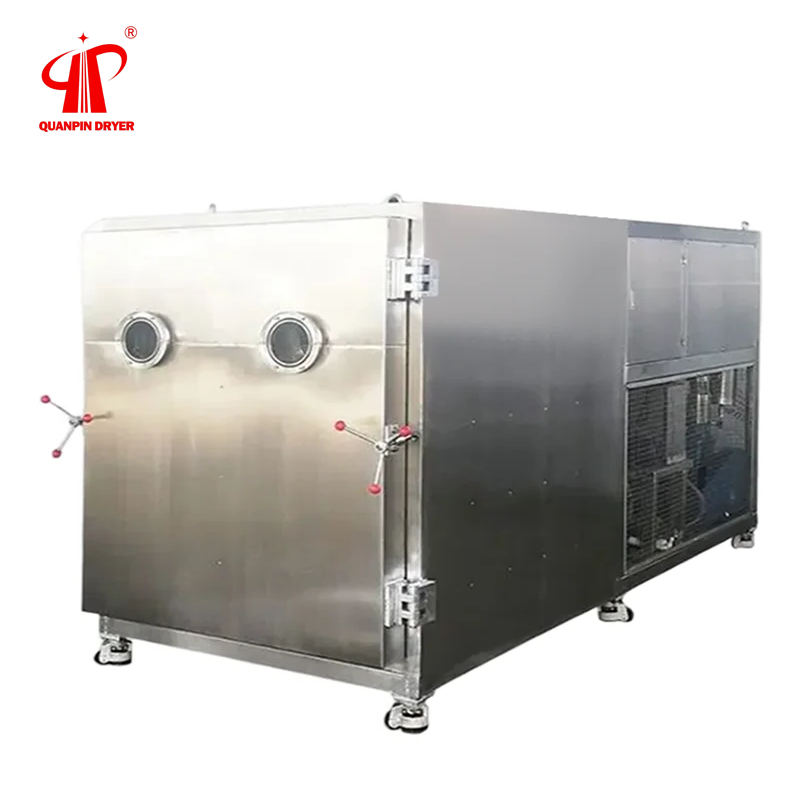
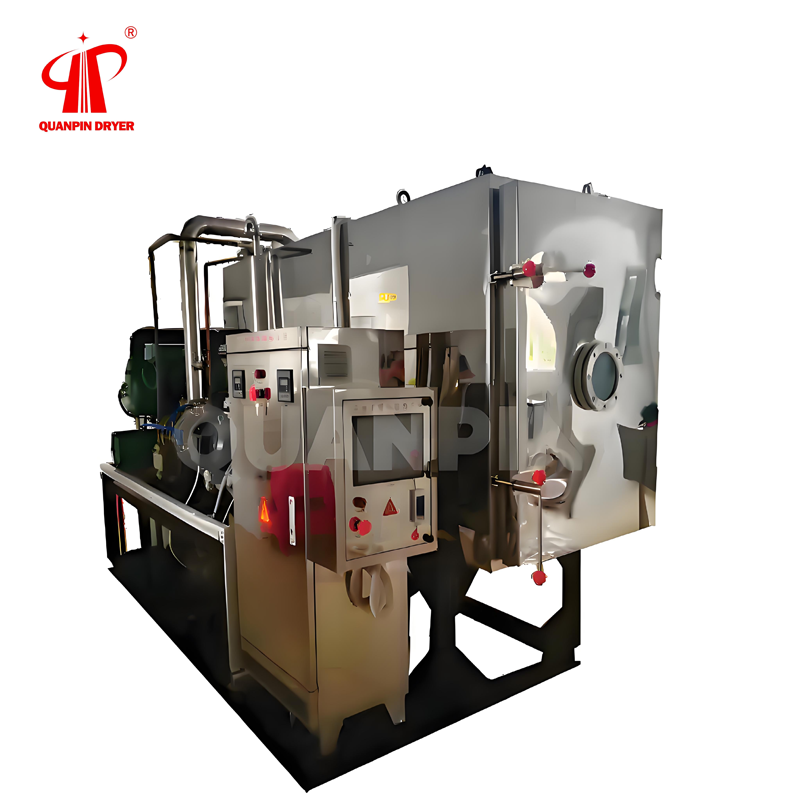
The equipment photographs illustrate available machinery. They are not records of the published fruit experiments or proof of a particular chemical outcome.
A defensible conclusion names the material, treatment and assay. It preserves the reporting basis and limits the claim to the specimens studied.
A higher extractable phenolic response can support a method-specific comparison. It cannot establish universal nutrient preservation across fruit products.
What Belongs in the Equipment Trial Brief?
Independent chemical measurements can clarify an apparent contradiction. First check preparation and denominators before attributing differences to the drying equipment.
Maintain the original analytical report with the process record. This makes later comparisons interpretable when fruit supply or laboratory preparation changes.
Which Conclusions Can the Results Support?
No. A higher phenolic result may involve extraction or reporting differences; matched analytical evidence is needed to interpret retention.
No. DPPH describes a laboratory radical-scavenging response under specified conditions, rather than the nutritional value of a serving.
Frequently Asked Questions
Are all antioxidant methods interchangeable?
No. Different antioxidant methods measure different responses and may rank the same extracts differently.
Can another fruit predict my result?
No. Another fruit provides research context, while your material needs its own matched specimens and analytical comparison.
Is the shelf setting a chemical-quality guarantee?
No. Shelf settings describe part of the process and do not independently establish the chemical composition of the finished ingredient.
What should a supplier receive?
Provide fruit identity, preparation, reference sampling, reporting basis and laboratory methods so the supplier understands the intended comparison.
Interpretation limits
Keep all conclusions within food composition and laboratory measurement. The studies do not establish clinical effects for the resulting products.
Comparison boundary
A useful final report distinguishes retained named compounds, extracted group responses and in vitro antioxidant measurements without merging them into one promise.
Further Questions About Fruit Analysis
Discuss the material, processing objective and required trials with QUANPIN. Review the equipment information and the relevant industry applications, or send an enquiry through our contact page.
Email sales@qpdryer.com or stacie@qpdryer.com. Call +86 19850785582 or contact WhatsApp +86 15921493205 to discuss the proposed scope.