High Shear Granulator Trials: Account for Every Sieve Fraction before Comparing the Selected Product
By QUANPIN
A high shear granulator trial for wet granulation should account for the whole discharged batch when evaluating granule size. An attractive middle sieve fraction cannot describe material excluded from that fraction.
For pharmaceutical development, record fines, selected granules, coarse material and unexplained losses separately. This makes the result interpretable before anyone proposes a production setting. Explore our pharmaceutical processing applications.
What Does the Selected Fraction Exclude?
Consider two trials that produce similar usable granules but different quantities of fines. Testing only the selected material can conceal an important difference between the trials.
The rapid mixer granulator enquiry should therefore describe both the intended granule characteristics and the material boundary used to calculate the reported outcome.
Define the Batch and Sampling Boundary
Start with the material charged and the actual formulation revision. A comparison becomes ambiguous when the starting powders changed along with the operating conditions.
Identify the discharged material before selecting analytical portions. Preserve its batch identity through collection, drying, sizing and laboratory handling.
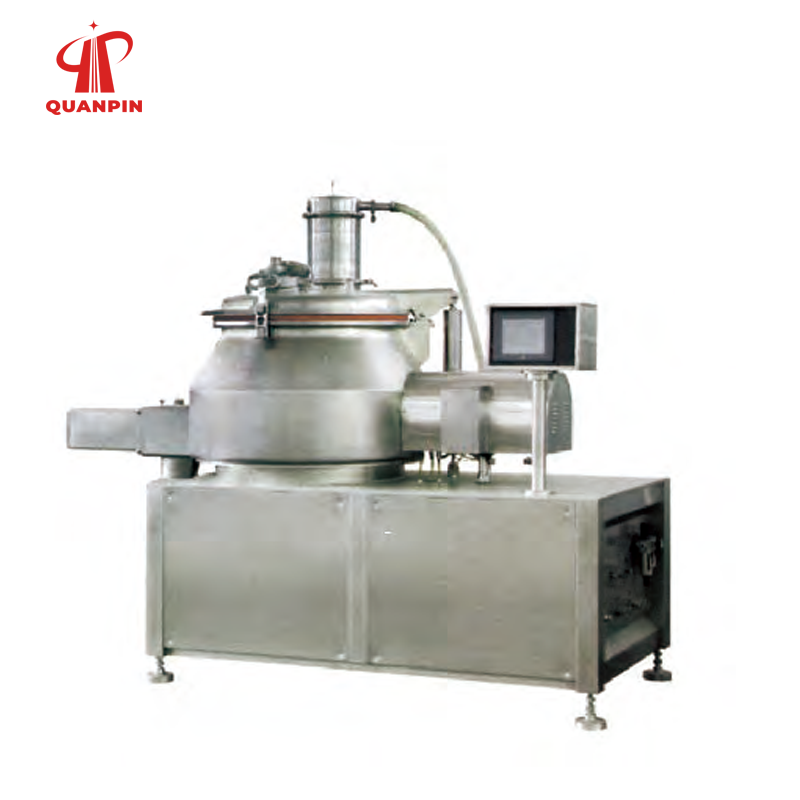
Five Decisions before Interpreting Size Results
Starting formulation
Define the sampling point. Material collected directly after discharge and material sampled after another operation describe different stages of the process.
Discharge identity
Record the condition of the sample. Wet and dried granules need appropriate methods rather than an assumption that their measured distributions are interchangeable.
Sampling stage
Set the fraction boundaries before interpreting results. A preferred product interval should follow the development question rather than shift to improve an apparent yield.
Sample condition
Sieve analysis separates material according to passage through specified openings under a defined method. Its result depends on sampling and testing conditions.
Fraction boundaries
A high shear mixer granulator does not establish the analytical method. The development team must identify how the resulting material will be characterized.
Size Is Only One Granule Attribute
Calling one fraction usable is an operational definition, not proof of pharmaceutical suitability. Its relevant properties still require assessment against the intended downstream duty.
The same selected interval can contain granules with different shapes, structures or mechanical behaviour. A size result answers only part of the formulation question.
Keep observations about flow, compaction and other relevant properties attached to the material actually tested. Do not transfer a selected-fraction result to the entire discharge.
At charging, identify the powders and binder preparation used. Record changes that might explain a difference rather than attribute every observation to the machine.
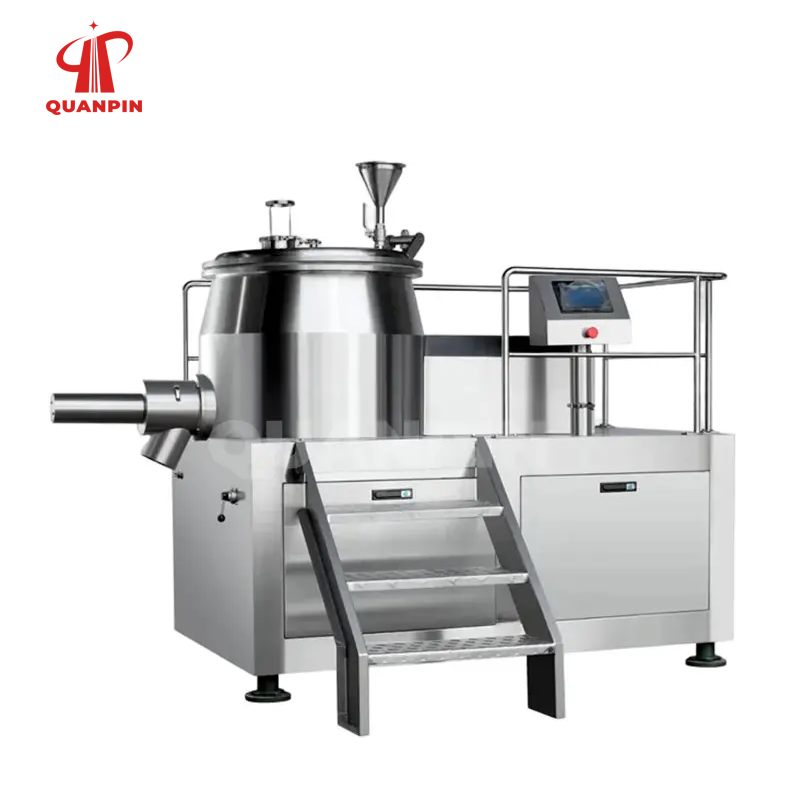
Follow Six Stages of the Trial Material
Charging
During granulation, preserve the sequence and actual observations. A nominal trial description is insufficient when an interruption or addition differed from the plan.
Granulation sequence
At discharge, identify the receiving container and any retained material. State whether the measurement boundary includes material remaining in the vessel.
Discharge collection
During drying, retain the connection to the original trial. Additional processing can change the sample condition and the meaning of subsequent comparisons.
Drying history
At sizing, keep each defined fraction identifiable. Do not discard the coarse and fine portions before recording the information needed for the comparison.
Sizing fractions
At testing, identify which fraction supplied each result. The laboratory report should not imply that a deliberately selected portion represents an unselected batch.
Laboratory sample identity
Use an accounting sheet that follows the actual route. Include collected fractions, analytical samples and material retained at identified process points.
Make the Material Account Interpretable
Account for the route
Separate measured amounts from estimated or unexplained amounts. A plausible explanation for a loss is still different from an observation supporting that explanation.
Where material adheres to handling surfaces, describe its location. The observation can guide investigation without establishing a universal mechanism for every formulation.
A high shear wet granulator trial may require several analytical views. Size distribution, shape observations and downstream behaviour can provide complementary information.
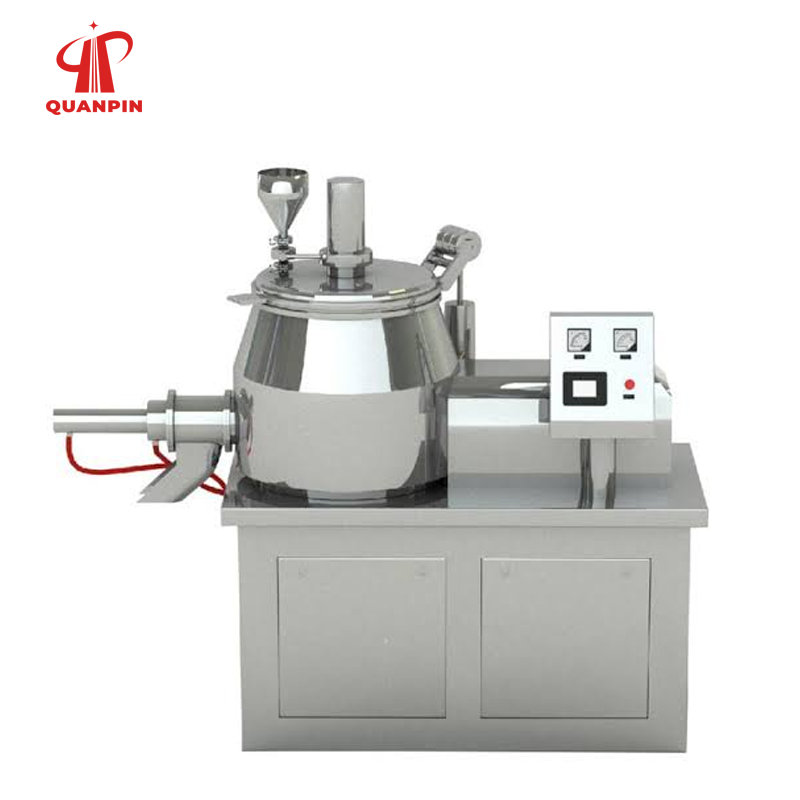
Use complementary measurements
Compare trials using consistent definitions and methods wherever feasible. If a method changes, identify the change before interpreting the apparent process trend.
Avoid presenting a favourable selected fraction as an equipment guarantee. Results depend on the formulation, processing route and evidence collected for the particular trial.
Ask QUANPIN which supplied equipment interfaces affect charging and discharge. Keep the scope of drying, sizing and analytical equipment explicit in the enquiry.
Confirm trial responsibilities
Define which party collects and identifies trial material. Responsibilities become especially important when testing happens at a different location from granulation.
Request a record of actual trial conditions within the agreed scope. Illustrative equipment images do not establish the operating conditions used for a material test.
Use the trial to identify questions for development. A preliminary observation can justify further work without being described as a validated production process.
Research Context and Its Limits
Particle-size measurement begins with representative sampling. NIST discusses powder sampling, sieving and the importance of reporting the method behind size data. See NIST guide to particle-size characterization.
An experimental high-shear study classified dried granules into fine, product and coarse fractions. Its definitions illustrate transparent accounting rather than universal pharmaceutical limits. See experimental study of high-shear granulation yield and shape.
Research using microcrystalline cellulose found different tabletability among sieved fractions. That formulation-specific observation explains why testing a selected portion deserves careful interpretation. See research on granule size and over-granulation.
A comparison of high-shear and fluidized-bed granulation examined multiple granule properties. Its results support asking which properties matter for the intended application. See experimental comparison of high-shear and fluidized-bed granules.
Investigate Unexpected Fractions and Losses
These studies supply context for a development plan. Their operating settings and reported results should not become untested specifications for QUANPIN equipment or another formulation.
If a trial has unexpectedly more fines, investigate the full route. Sampling, handling and subsequent processing may need review alongside granulation conditions.
Compare within a Defined Process Space
If coarse material is removed, record its identity and disposition. A selected-fraction report should disclose that the tested material excludes that portion.
If a sample spills or is lost, preserve the observation. Replacing the missing amount with a convenient estimate can distort the material-accounting result.
If fractions are recombined, document the operation and the new sample identity. Recombined material is not automatically equivalent to the originally discharged batch.
Interpret trends within the investigated formulation and process space. Published modelling research also illustrates that high-shear granulation predictions require defined input data and scope. See research on material data and high-shear process modelling.
Use controlled comparisons to separate plausible influences. Changing formulation, processing and test methods together makes a simple equipment explanation difficult to support.
Record unsuccessful trials with the same clarity as promising ones. Excluding inconvenient fractions or observations weakens the usefulness of the development record.
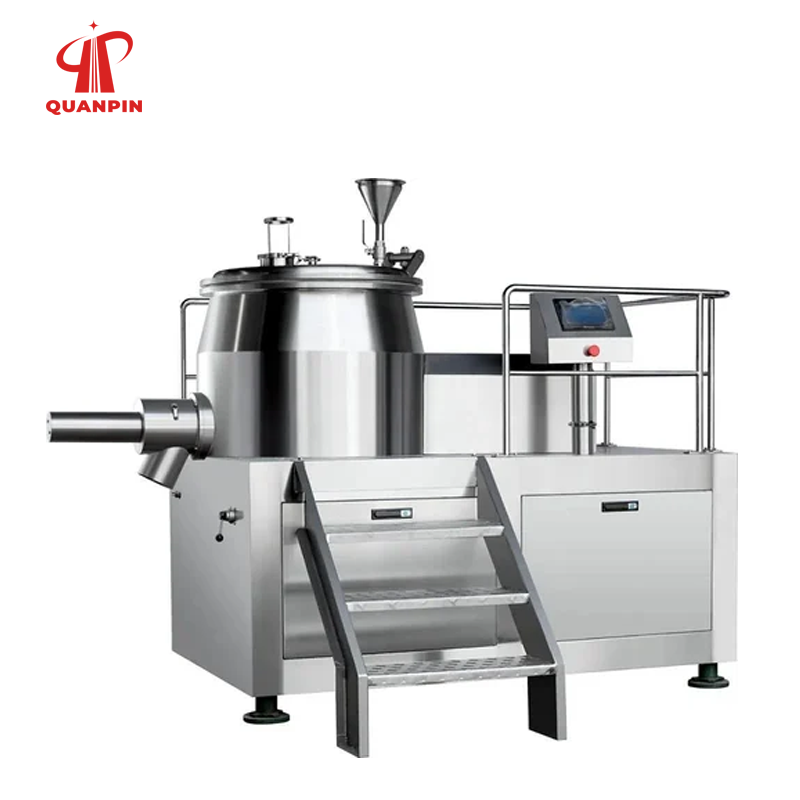
Prepare the GHL Trial Enquiry
Send QUANPIN the intended formulation family, material condition and downstream operation. Describe the test questions without assuming a universal granule specification.
Explain how the trial discharge will be collected, processed and sampled. Confirm which steps and measurements belong to the agreed equipment-trial scope.
Retain the Whole-Batch Account
A useful proposal connects the supplied granulator to a defined evaluation route. It should identify questions requiring representative testing rather than promise unsupported outcomes.
Retain the full material account alongside selected-fraction test reports. This allows later reviewers to understand both what performed well and what was excluded.
Frequently Asked Questions
Can a selected fraction represent everything?
No. A selected fraction describes only that identified portion unless an appropriate sampling and evaluation approach supports a broader conclusion.
Why retain fine and coarse results?
Fines and coarse material help explain the whole outcome. Their identity, amount and disposition should remain visible when comparing development trials.
Are wet and dry distributions equivalent?
Not automatically. Sample condition and measurement method differ, so the development team must establish an appropriate basis for comparison.
Is there a universal product interval?
No universal product fraction follows from the granulator model. The formulation, downstream duty and supported development criteria determine the relevant interval.
What if material is lost?
Record the loss and its circumstances. Preserve uncertainty where the amount or origin cannot be established instead of silently balancing the figures.
What information supports a trial?
Provide the material description, proposed trial route, fraction definitions and intended tests so equipment scope and evaluation responsibilities can be agreed clearly.
Discuss Your Granulation Trial with QUANPIN
Discuss the QUANPIN GHL mixing granulator with QUANPIN. Use our contact page or the enquiry form to explain the intended food application.
Email sales@qpdryer.com or stacie@qpdryer.com. Call +86 19850785582, or contact us on WhatsApp: +86 15921493205.
For process evaluation, consider the sifter for screening suitable powders or granules; the high speed granulator for controlled granule sizing in the proposed process; and the pulverizer machine for grinding suitable prepared dry feed. Confirm suitability with representative material, the required product properties and the proposed process conditions.