Extrusion Granulator Restarts: Separate Held Wet Mass from Earlier Extrudate after an Interruption
By QUANPIN
An extrusion granulator restart in wet granulation should distinguish newly prepared wet mass from material held during an interruption. Restarting the drive does not establish that the waiting material remains suitable.
For pharmaceutical development, preserve the identity and handling history of each material portion. Evaluate the interrupted route before combining its output with uninterrupted production. Explore our pharmaceutical processing applications.
Which Material Was Waiting during the Stop?
Consider a trial paused after wet mass preparation but before extrusion finishes. The waiting material and the material already extruded have experienced different histories.
The useful enquiry describes both portions and the next processing step. A single statement that the batch was delayed can obscure the actual decision boundaries.
Separate Material Condition from Machine Restart
Identify when the interruption began and which operation stopped. Distinguish stopped material preparation, stopped feeding and stopped downstream handling.
Locate the material physically. Wet mass in a covered container and extrudate waiting in a receiving tray should not share an assumed condition.
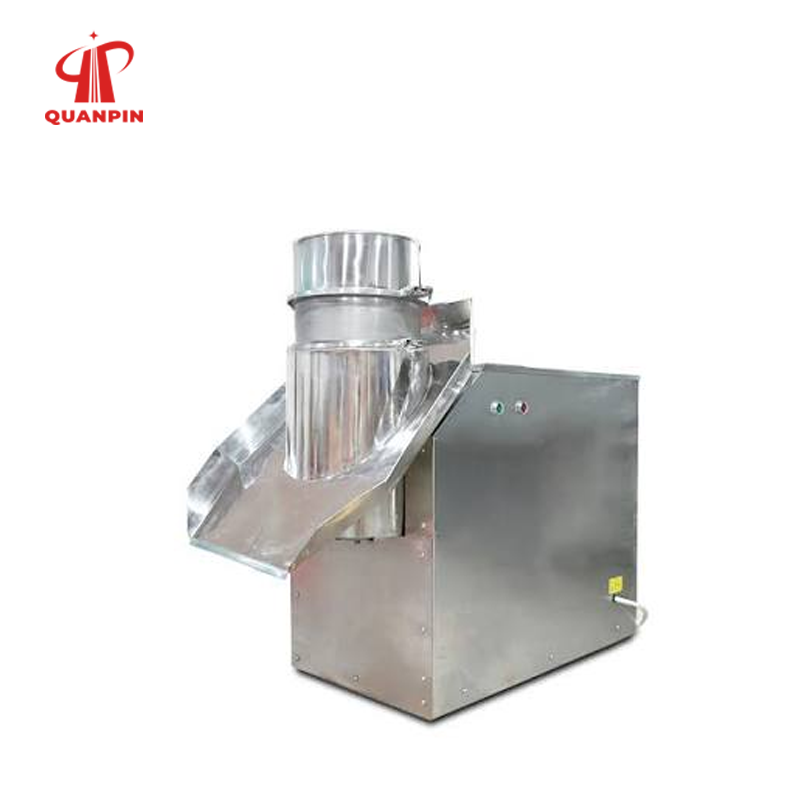
Five Facts to Record at an Interruption
Interruption timing
Record the protective arrangement and any known exposure. Preserve observed facts without claiming that a closed lid proves unchanged material properties.
Material location
Identify work performed on the equipment during the interruption. Inspection, clearing or component removal can create questions separate from elapsed material waiting time.
Protection and exposure
Assign the restart assessment to the authorized role. An available machine does not automatically mean every waiting portion is approved for continued processing.
Equipment work
Wet mass condition matters because extrusion depends on how the formulation deforms and flows through the supplied assembly. Appearance alone does not fully describe that behaviour.
Restart authority
Moisture can influence extrusion behaviour, but the relevant relationship is formulation-specific. Published conditions should not become untested settings for another material.
Define the Actual Extrusion Product
Extruded material has a different processing history from unextruded wet mass. Preserve that distinction when planning subsequent shaping, drying or testing.
A pharmaceutical granulator enquiry should identify whether the intended product is extrudate, dried granules or material awaiting a separate shaping step.
Do not assume an extrusion stage supplies spheronization. Any downstream equipment and its responsibilities require separate confirmation in the actual proposed scope.
At wet mass preparation, identify the formulation and actual preparation sequence. Record deviations that occurred before the interruption rather than attributing everything to waiting.
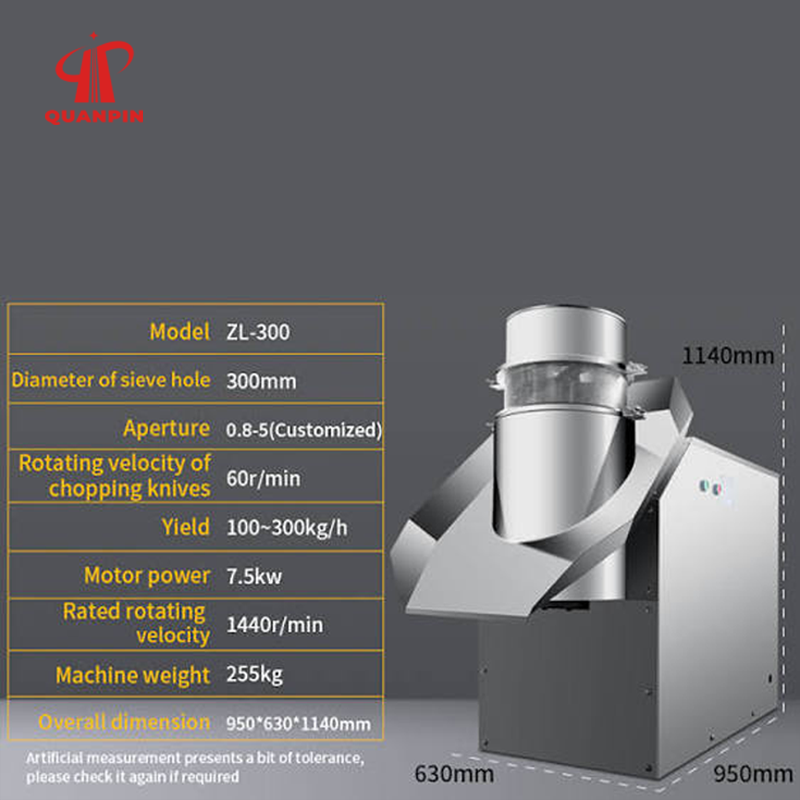
Follow Six Material Handling Stages
Preparation
At feeding, identify the material portion entering the machine. Preserve the connection between the source container and the output collected before the stop.
Feeding identity
At the interruption, identify material remaining at each relevant point. Follow approved safe procedures for inspection or clearing rather than improvising access.
Stopped material
During waiting, retain the material identity and specified protection. Record events that could change its condition or status under the site’s procedure.
Waiting protection
At restart, collect material in a way that preserves the agreed comparison. Do not silently combine the first restart output with earlier output.
Restart collection
At downstream processing, retain the portion identities until the authorized decision permits combination. Drying or shaping does not reconstruct a missing handling history.
Downstream traceability
Draw the interrupted material route from preparation through collection. Include the points where material waits outside the equipment as well as within it.
Plan Identifiable Collection and Sampling
Map the interrupted route
Separate evidence about material condition from evidence about equipment readiness. Both may be needed, but one does not automatically answer the other.
Where a sample is taken, identify its portion and sampling stage. A test result without that context may be difficult to apply to the waiting material.
The granulation equipment review should clarify charging, discharge and access arrangements relevant to the proposed interruption procedure, without assuming unconfirmed features are included.
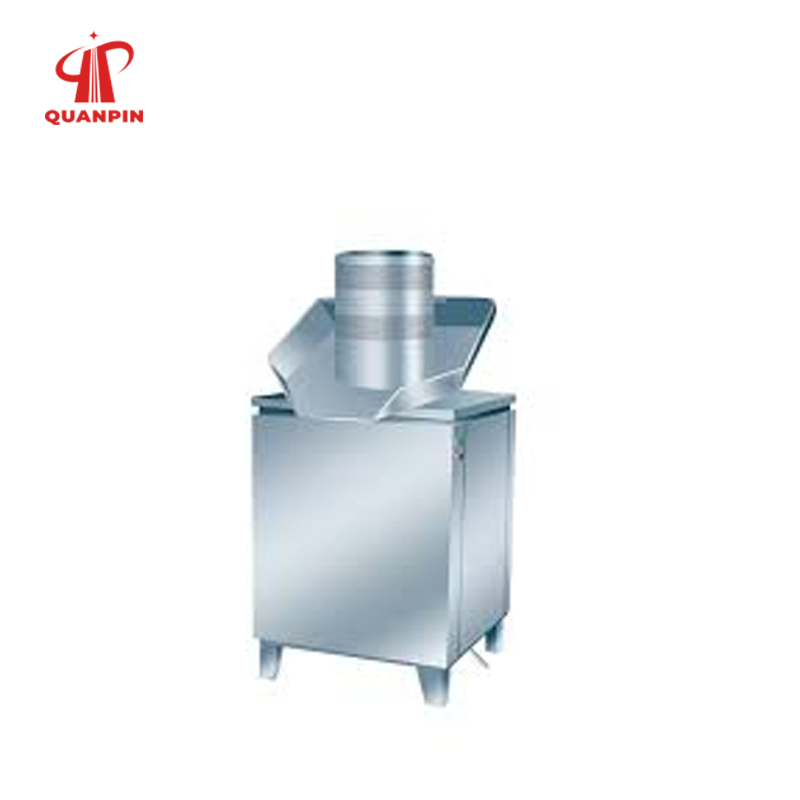
Identify the sample
Discuss how receiving containers will remain identifiable during trial work. Several similar trays can erase useful distinctions if the collection plan is informal.
Keep the proposed analytical questions visible before restarting the trial. This reduces the risk that potentially informative material is combined or discarded prematurely.
The extrusion granulator model does not establish a universal waiting limit. The formulation, protection, process route and supporting evidence determine the relevant assessment.
Confirm the downstream transfer
Request confirmation of the supplied assembly and intended material duty. A photograph cannot establish all operating interfaces or an approved restart procedure.
For a granulation and drying line enquiry, describe whether drying begins immediately or receives separately held material. Confirm the actual transfer responsibility.
A practical trial plan defines which observations would justify further investigation. It should preserve unexpected output rather than treat every restart as equivalent.
Research Context for Wet-Mass Assessment
Experimental work on extrusion and spheronization examined material transfer between particles during shaping. Its formulation-specific findings support evaluating downstream material behaviour rather than assuming extrusion alone defines the final product. See experimental research on mass transfer during spheronization.
Research characterizing wet powder masses examined different stages of extrusion flow. The study illustrates that material response depends on formulation and processing conditions. See research characterizing wet powder masses for extrusion.
A wet-mass classification study developed a structured approach to anticipating pellet formation and quality. Such research supports characterization rather than approval by appearance alone. See experimental wet-mass classification protocol.
Instrumentation research examined the mechanical conditions of extrusion, including heat generated during passage through the screen. This is context, not a QUANPIN performance claim. See research on extrusion instrumentation.
Respond to Differences after Waiting
These studies concern specific experimental systems. Their numerical settings do not establish validated waiting periods, acceptance limits or operating parameters for another formulation.
If the waiting material appears different, record the observation before changing it. Adding liquid to restore a familiar appearance requires an authorized development decision.
Interpret the Comparison within Its Scope
If restart output differs, identify the affected portion and its collection boundary. Preserve evidence needed to distinguish a transient observation from a continuing change.
If the downstream stage cannot receive material, assess that interruption separately. A completed extrusion step does not remove the need to evaluate subsequent waiting.
If material identity is lost, hold the uncertain portion under the appropriate procedure. Reconstructing identity from appearance or position is not equivalent to a recorded history.
Experimental work also shows that formulation and downstream processing variables can affect pellet properties. Interpret a restart comparison within its actual investigated scope. See research on formulation and processing effects on pellets.
Change one relevant factor at a time where the study design permits. Simultaneous changes to preparation, waiting and downstream processing complicate interpretation.
Keep rejected and retained portions in the trial account. Their disposition helps explain what the reported final product includes and excludes.
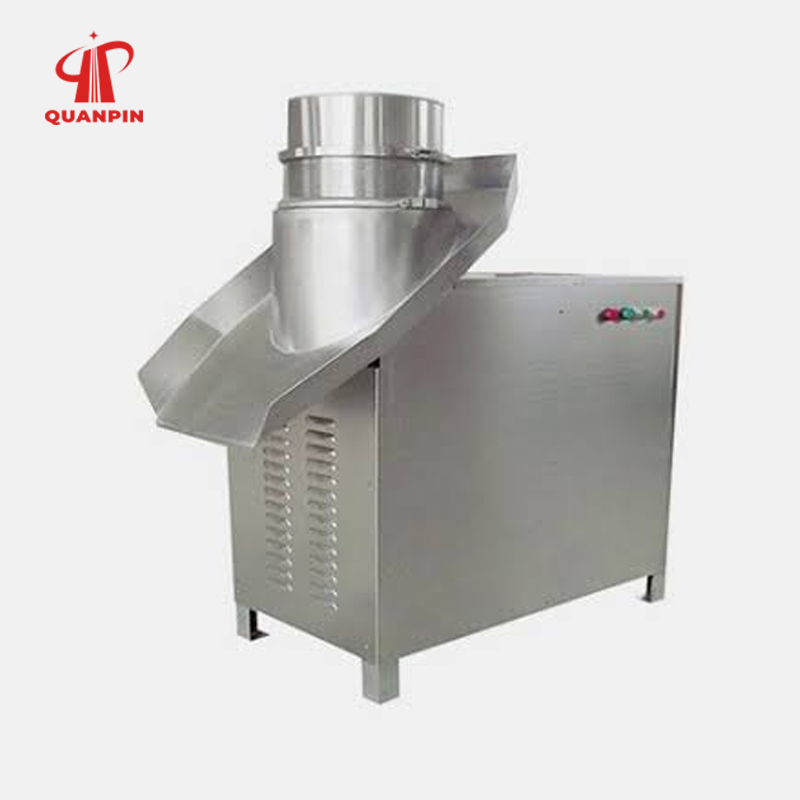
Prepare the JZL Enquiry
Send QUANPIN the material description, preparation route and intended downstream duty. Explain the interruption scenario that the equipment-interface review needs to address.
Ask which access and connection arrangements are included. Keep site-specific material authorization and restart procedures within the pharmaceutical operation’s quality system.
Retain the Interrupted Trial Route
A clear enquiry identifies mechanical duties and development questions together. It avoids assuming that equipment capability alone establishes material suitability after a delay.
Retain the agreed trial route with the results. Future reviewers should be able to identify the waiting portions and understand the basis of each decision.
Frequently Asked Questions
Does mechanical restart approve material?
No. Mechanical restart and material authorization are separate decisions. Both depend on the actual equipment condition and the identified material history.
Are held mass and extrudate equivalent?
Not automatically. Unextruded wet mass and collected extrudate experienced different operations and may require different characterization or disposition decisions.
Is there a universal waiting limit?
No universal waiting period follows from the machine name. Establish the appropriate criteria through formulation-specific evidence and the operation’s approved procedures.
Can portions be combined immediately?
Only under an authorized decision supported by the relevant procedure and evidence. Combining portions prematurely can remove information needed for a meaningful comparison.
What if material appears changed?
Identify the portion and record the change before intervening. An unexplained liquid addition or handling change can make the original interruption question harder to investigate.
What should an enquiry include?
Provide the formulation family, material condition, interruption location, waiting arrangement and downstream route so trial responsibilities and equipment interfaces can be reviewed clearly.
Discuss Your Extrusion Material Route with QUANPIN
Discuss the QUANPIN JZL extrusion granulator with QUANPIN. Use our contact page or the enquiry form to explain the intended food application.
Email sales@qpdryer.com or stacie@qpdryer.com. Call +86 19850785582, or contact us on WhatsApp: +86 15921493205.
For process evaluation, consider the wet granulation for shaping suitable wet mass by extrusion. Confirm suitability with representative material, the required product properties and the proposed process conditions.