High Shear Granulator for Pharmaceuticals: Define Binder Preparation and Granulator Addition as Separate Operations
By QUANPIN
A high shear granulator receives binder for a defined formulation duty, but binder preparation and addition are separate operations. Specify both boundaries before assuming that one equipment quotation covers the complete liquid-handling route.
For pharmaceutical development, distinguish the binder that was prepared from the binder actually delivered to the powder. Explore matching pharmaceutical applications.
Where Does Binder Preparation End and Addition Begin?
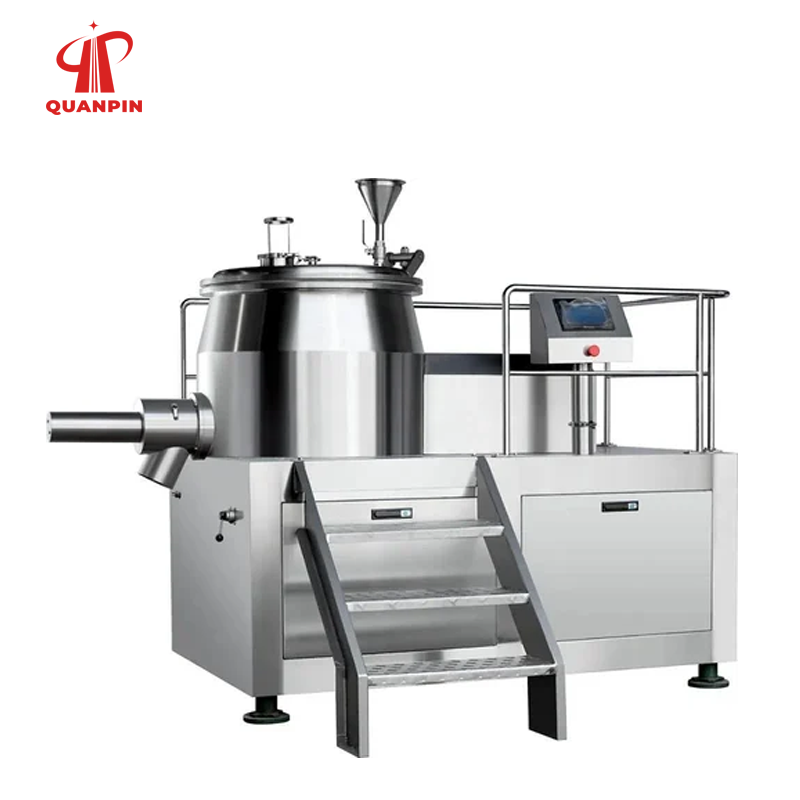
The GHL rapid mixer granulator uses an impeller to distribute binder through the powder and a chopper to act on wet agglomerates.
That verified principle does not establish that a binder-preparation tank or every delivery accessory is included with the granulator. Use product-specific development knowledge to justify the attributes being examined. See FDA ICH Q8 pharmaceutical development.
GHL Granulation and Liquid-Handling Scope
The high shear mixer granulator proposal should identify where the binder enters its confirmed supply boundary.
Upstream preparation, storage and transfer need their own description when they form part of the intended process.
Five Steps to Define the Binder Route
Identify the binder
Identify the formulation and binder used in the development study.
Describe preparation and holding
Describe how the binder is prepared and held.
Map the transfer route
Map the transfer to the granulator addition point.
Confirm addition responsibilities
Confirm the actual addition equipment and responsibilities.
Assess the formulation result
Evaluate the resulting material using the justified formulation methods.
Four Binder Records to Keep Separate
The prepared binder has an identity and preparation history that should remain traceable.
The held binder has experienced the actual conditions and duration before delivery.
The delivered quantity describes what reached the addition boundary rather than everything initially prepared.
The granulation record describes the powder-processing operation and should not silently replace these liquid-handling records.
Preparation, Transfer and Granulator Interfaces
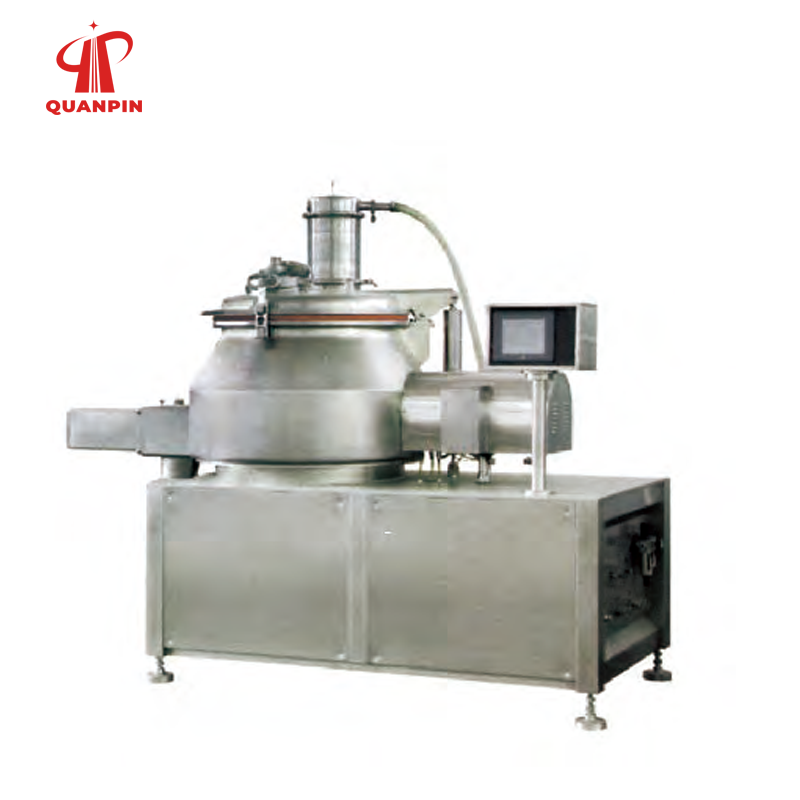
Preparation vessel
The preparation vessel belongs to the supply scope only when expressly confirmed.
Transfer path
Transfer containers or lines establish the path between preparation and addition.
Addition arrangement
The confirmed addition arrangement determines how binder enters the working vessel.
Impeller distribution
The impeller distributes material and binder during the reviewed granulation operation.
Chopper action
The chopper acts on wet agglomerates within the actual proposed configuration.
Discharge and downstream treatment
Discharge and downstream processing create further material boundaries after binder addition.
Following the Binder Actually Used
Preserve liquid identity
A high shear wet granulator enquiry should describe the actual liquid rather than a generic binder label.
Keep ingredient identity and preparation instructions attached to the binder record.
If the study includes a hold before use, preserve that history without assuming a universal acceptable duration.
Distinguish preparation from delivery
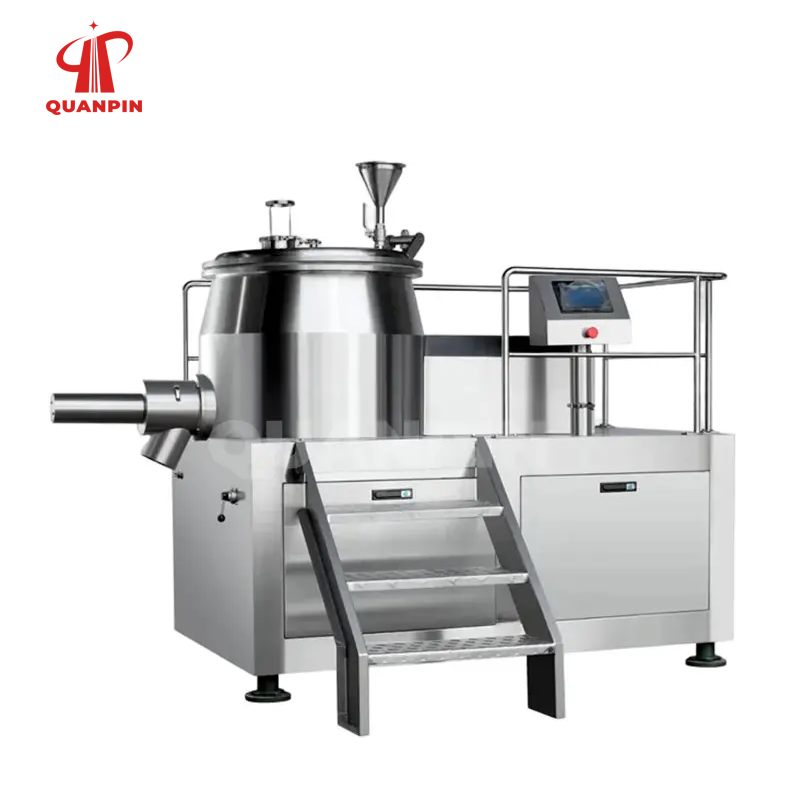
Distinguish material remaining in preparation or transfer equipment from the amount delivered to the granulator.
Do not infer an automated dosing or endpoint-control function from the equipment family name.
For wet granulation, the formulated liquid exposure must be considered with material compatibility and later processing.
Evaluate the actual formulation
Retain the actual addition arrangement used for the trial when interpreting the wet-mass result.
A favorable granule sample does not establish that preparation, storage and transfer were equivalent in another run.
The pharmaceutical development team should determine which binder-related attributes and records matter to the formulation.
Pharmaceutical Formulation and Compatibility
Separating the operations can expose a missing vessel, connection or responsibility in the project description.
It also helps investigate a difference between a preparation instruction and what actually reached the granulator. A development comparison should not be presented as complete validation of an untested production process. See FDA process validation guidance.
It does not establish a universal binder composition, storage limit or addition rate.
Each numerical requirement needs evidence for the actual formulation and confirmed installation.
Document Binder Identity and Preparation
Identify the binder ingredients and formulation reference.
Describe preparation and any actual holding step. Assess relevant quality risks using the actual material and process context. See FDA ICH Q9 quality risk management.
Transfer Records, Addition Scope and Safety
Record the transfer route and its product-contact scope.
Define the addition boundary and the basis of the delivery record.
Identify the granulator configuration and downstream route.
Preserve unresolved preparation or delivery questions rather than substituting another product’s values. Interpret measurements through process understanding rather than treating an isolated instrument reading as product acceptance. See FDA process analytical technology framework.
Review the actual binder’s hazards and compatibility before defining the equipment duty.
Preparation, transfer and granulator access must follow the applicable safe operating and cleaning procedures.
Provide QUANPIN with the Binder-Route Scope
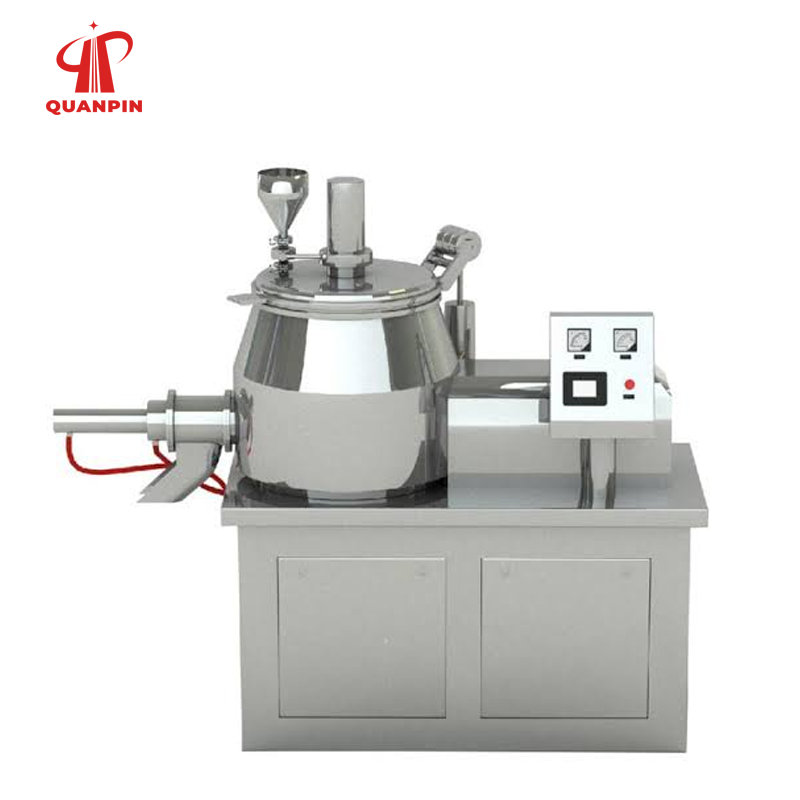
Send QUANPIN a simple drawing from binder preparation to the granulator vessel.
Request separate confirmation of preparation equipment, transfer accessories and the granulator addition arrangement.
Preserve the Confirmed Liquid-Handling Evidence
The enquiry should make the supply boundary understandable without implying that every liquid-handling function is standard.
Use the actual configuration and representative formulation evidence to review the completed route. Retain knowledge and manage adopted process changes through the pharmaceutical quality system. See FDA ICH Q10 pharmaceutical quality system.
Frequently Asked Questions
Are preparation and addition identical?
Binder preparation and granulator addition are different operations.
Is a preparation tank standard?
A preparation tank is not included merely because the granulator can process binder-assisted formulations.
Does prepared quantity equal delivered quantity?
The amount prepared is not automatically identical to the amount delivered.
Why retain holding history?
Holding and transfer history should remain attached to the binder actually used.
Does wet-mass appearance prove equivalence?
A favorable wet-mass result does not prove equivalence of an unrecorded preparation or delivery arrangement.
What should the binder enquiry include?
The enquiry should identify the binder, preparation route, addition boundary and responsible suppliers.
Discuss Your High-Shear Granulation Application with QUANPIN
Discuss the matching QUANPIN equipment with QUANPIN. Use the enquiry form or our contact page to describe the actual application.
Email sales@qpdryer.com or stacie@qpdryer.com. Call +86 19850785582, or contact us on WhatsApp: +86 15921493205.