Rapid Mixer Granulator for Pharmaceutical Wet Mass: Distinguish Chopper Function from Product Acceptance
By QUANPIN
A rapid mixer granulator chopper has a defined mechanical role in wet-mass processing. Its presence or operation does not independently establish that pharmaceutical granules meet the formulation’s acceptance requirements.
Distinguish the action performed by the equipment from the evidence used to accept the material after the relevant processing stages. Explore matching pharmaceutical applications.
What Does Chopper Function Establish?
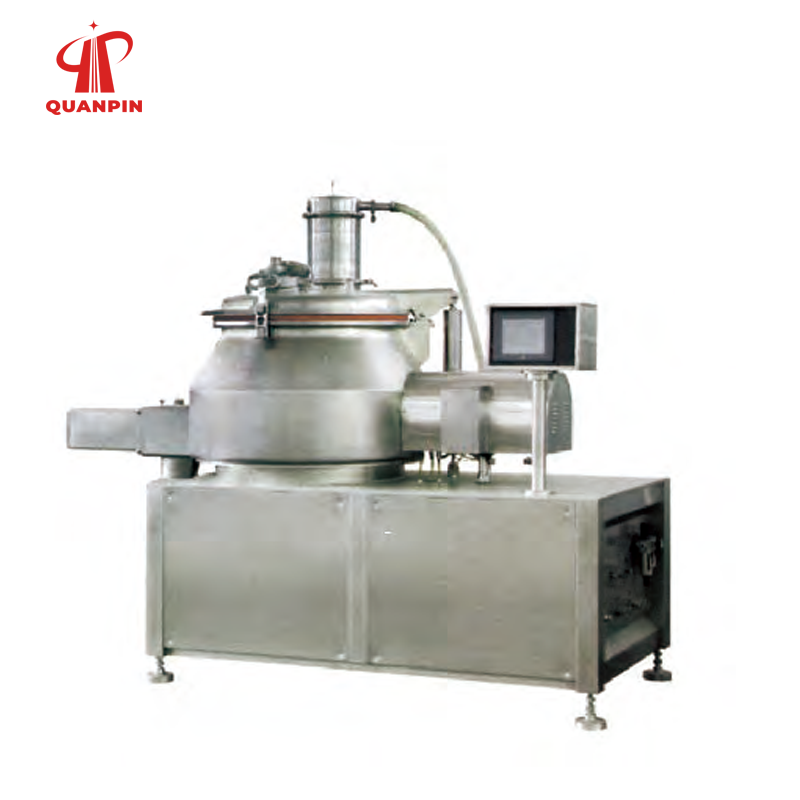
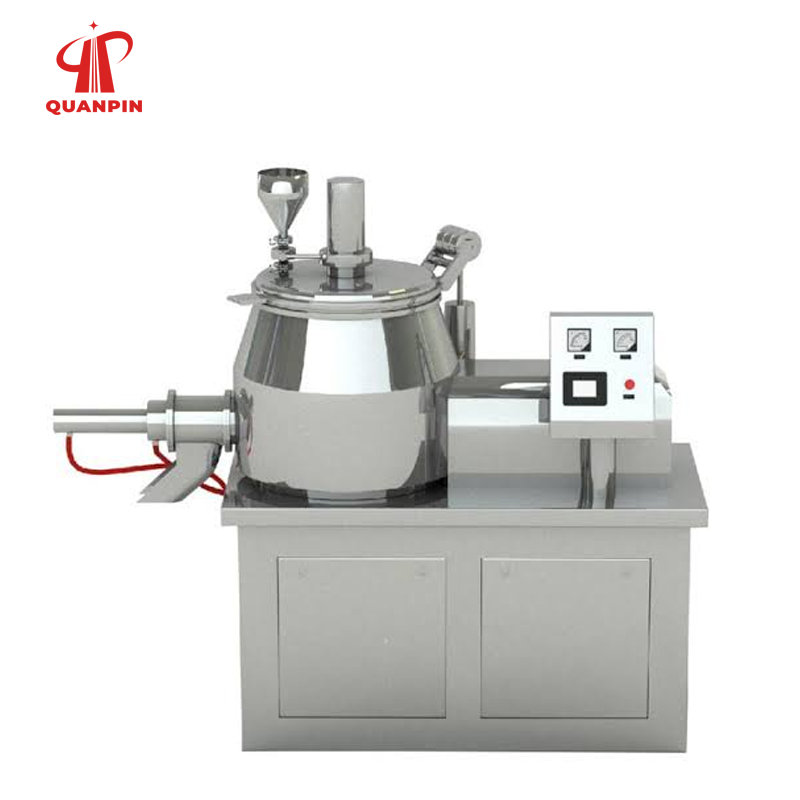
In the GHL high shear granulator, the impeller distributes binder through the powder while the side-mounted chopper acts on wet agglomerates.
The connected working arrangement should be reviewed for the actual formulation rather than described as an automatic product-quality guarantee. Use product-specific development knowledge to justify the attributes being examined. See FDA ICH Q8 pharmaceutical development.
Impeller and Chopper Roles in the GHL
A high shear mixer granulator trial needs the actual configuration and operating record alongside material observations.
A photograph of the chopper or an isolated instrument reading cannot describe the complete granulation result.
Five Steps to Assess the Actual Duty
Define the required attributes
Define the product attributes that the development study must examine.
Confirm the working assembly
Confirm the actual impeller and chopper arrangement.
Preserve formulation inputs
Preserve the binder and powder preparation records.
Identify sampling boundaries
Collect material at clearly stated process boundaries.
Assess material evidence
Evaluate the relevant wet and downstream product evidence.
Four Types of Evidence to Separate
Mechanical action describes what the installed working assembly does.
Operating records describe what happened during the actual run.
Material observations describe the condition seen or measured at a stated boundary.
Product acceptance connects appropriate test results to the formulation’s justified requirements.
Working Assembly and Process Interfaces
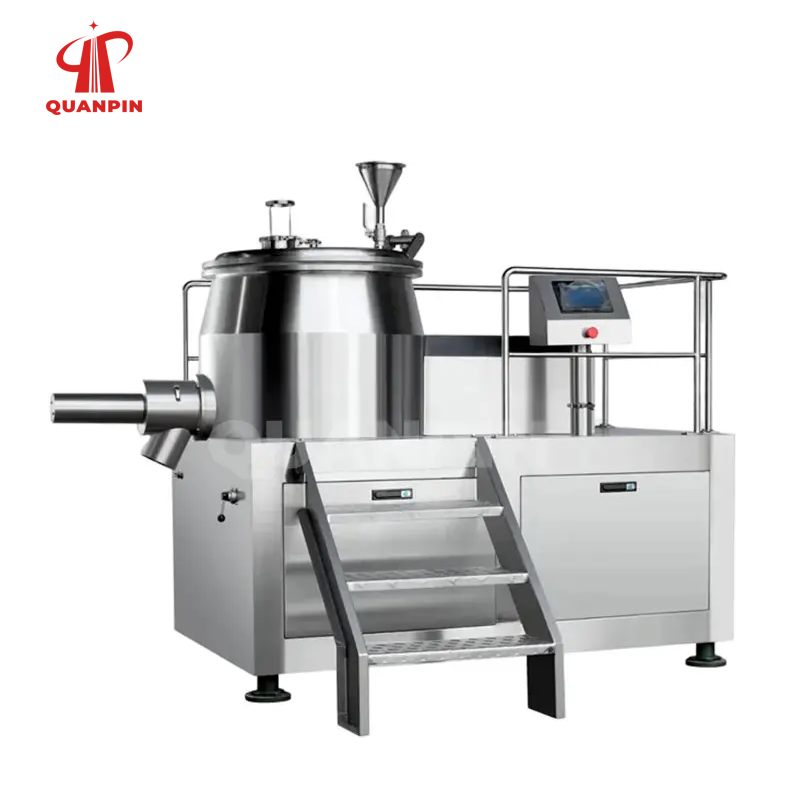
Working vessel
The working vessel contains the reviewed powder and binder duty.
Impeller
The impeller distributes material and liquid through the batch.
Chopper
The chopper acts on wet agglomerates rather than replacing a separate analytical method.
Binder addition
The binder-addition connection requires confirmation for the actual proposed equipment.
Sampling and discharge
Sampling and discharge provisions define the material accessible under approved procedures.
Downstream operations
Drying and later sizing belong to separately identified downstream operations.
Interpreting Mechanical Action in Development
Avoid an automatic performance inference
A high shear wet granulator description should not equate greater mechanical treatment with better product acceptance.
The appropriate assessment depends on the actual formulation and its intended subsequent process.
For wet granulation development, identify which observations describe fresh wet material.
Keep material states identifiable
Keep results obtained after drying or sizing attached to those later material states.
Do not assign every downstream difference solely to the chopper when other inputs or operations changed.
An equipment setting may be recorded accurately without establishing a validated operating range.
Review the complete process evidence
Preserve the actual powder, binder and process history when comparing development runs.
Use an investigation based on relevant evidence rather than treating one mechanical variable as the only possible explanation.
The pharmaceutical development team must justify the attributes, methods and acceptance basis used for the material.
Pharmaceutical Product Acceptance
Separating function from acceptance makes the equipment discussion more precise.
It also helps distinguish a confirmed mechanical feature from an unverified control or performance claim. A development comparison should not be presented as complete validation of an untested production process. See FDA process validation guidance.
The distinction does not prescribe a universal chopper setting or granulation endpoint.
A favorable sample remains evidence for its tested formulation, configuration and process history.
Document Formulation Inputs and Binder Delivery
State the formulation and actual incoming powder preparation.
Identify binder preparation and delivery conditions relevant to the study. Assess relevant quality risks using the actual material and process context. See FDA ICH Q9 quality risk management.
Configuration Records, Sampling and Safe Access
Preserve the installed impeller and chopper configuration.
Record the actual run and any deviations under the appropriate procedure.
Identify the material state and collection point for each sample.
Keep analytical methods and acceptance requirements distinct from equipment settings. Interpret measurements through process understanding rather than treating an isolated instrument reading as product acceptance. See FDA process analytical technology framework.
Inspection of the chopper or working vessel requires the applicable shutdown and isolation procedure.
Review material hazards, containment and product-contact cleaning for the actual pharmaceutical application.
Provide QUANPIN with the Mechanical-Function Scope
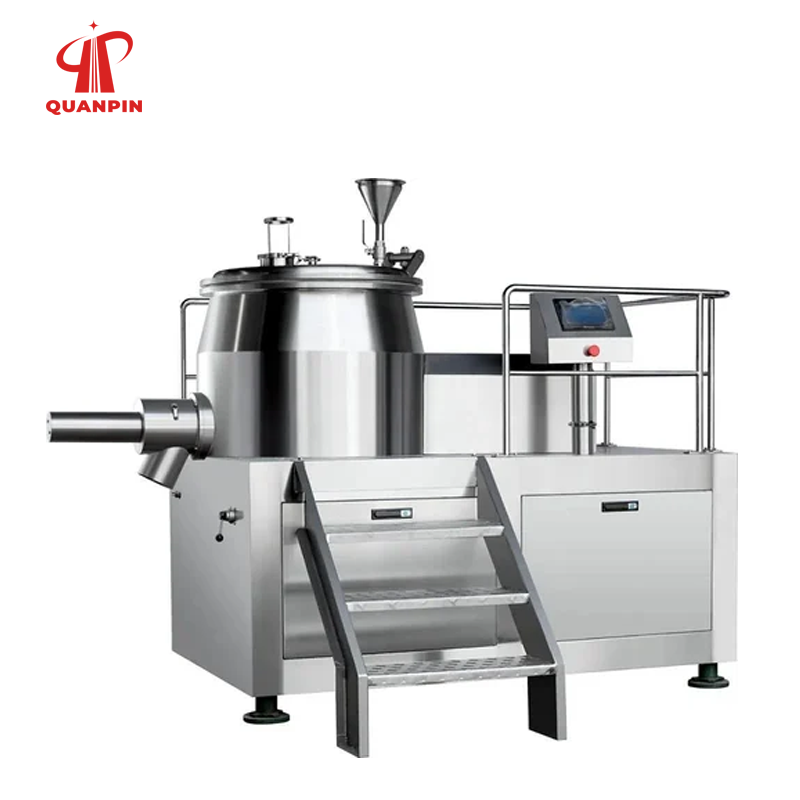
Send QUANPIN the formulation duty and a description of the proposed mechanical arrangement.
Include the required material attributes and identify which downstream operations belong in the project scope.
Retain Actual-Run Evidence and Acceptance Limits
Ask for confirmation of equipment functions without requesting unsupported assurances of pharmaceutical product acceptance.
Retain the configured machine record with the actual development results and their limitations. Retain knowledge and manage adopted process changes through the pharmaceutical quality system. See FDA ICH Q10 pharmaceutical quality system.
Frequently Asked Questions
Does chopper action prove acceptance?
The chopper’s mechanical function is not a complete product-acceptance method.
Does one setting define a validated range?
A recorded setting does not itself define a validated operating range.
Are wet and dried samples equivalent?
Fresh wet mass and dried or sized granules represent different testing boundaries.
Can every downstream change be assigned to the chopper?
A downstream change should not be assigned to the chopper without considering other process evidence.
Is more treatment always better?
More mechanical treatment is not automatically a justified improvement for every formulation.
What should the enquiry connect?
The enquiry should connect the confirmed equipment arrangement with the actual material and required tests.
Discuss Your Rapid-Mixing Granulation Application with QUANPIN
Discuss the matching QUANPIN equipment with QUANPIN. Use the enquiry form or our contact page to describe the actual application.
Email sales@qpdryer.com or stacie@qpdryer.com. Call +86 19850785582, or contact us on WhatsApp: +86 15921493205.