Granulating Live Microbial Powders: Separate Handling Improvement from Experimental Cell Survival
By QUANPIN
Granulating a powder containing living microorganisms changes more than its handling properties. A larger, easier-flowing particle does not independently establish that its cells survived the process.
This guide examines experimental survival through granulation and subsequent operations. It concerns formulation-specific process evidence, not clinical efficacy or a guarantee for QUANPIN equipment.
Water Measurements Do Not Replace Viability Evidence
Moisture content describes water in the material, while water activity concerns its thermodynamic availability. Neither directly measures microbial survival.
A viability measurement adds a biological response to the physical assessment. Preserve the organism, preparation stage and assay method represented by that result.
Define the GHL and Research-Apparatus Boundaries
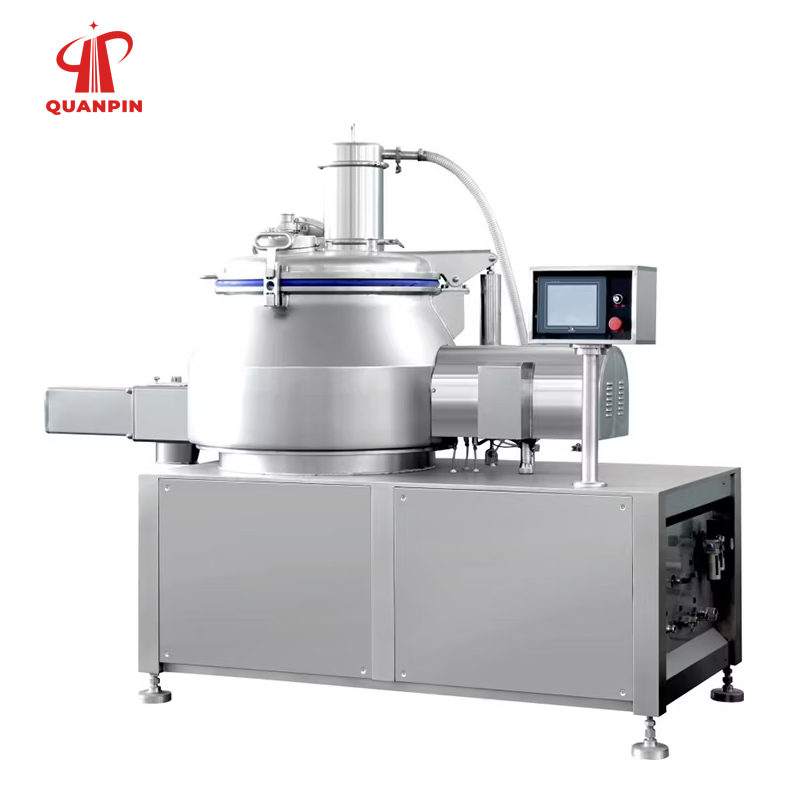
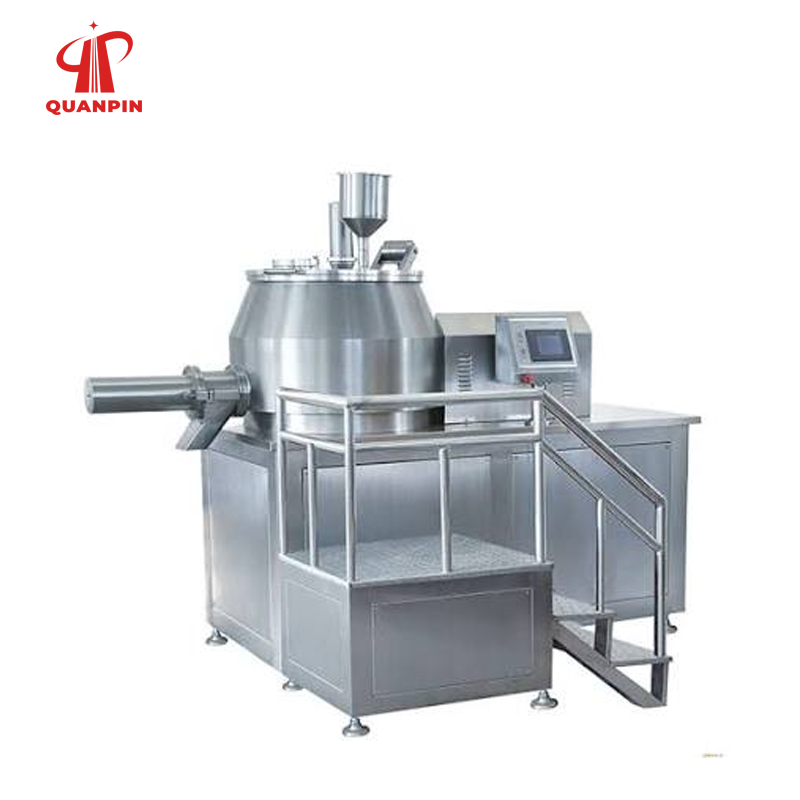
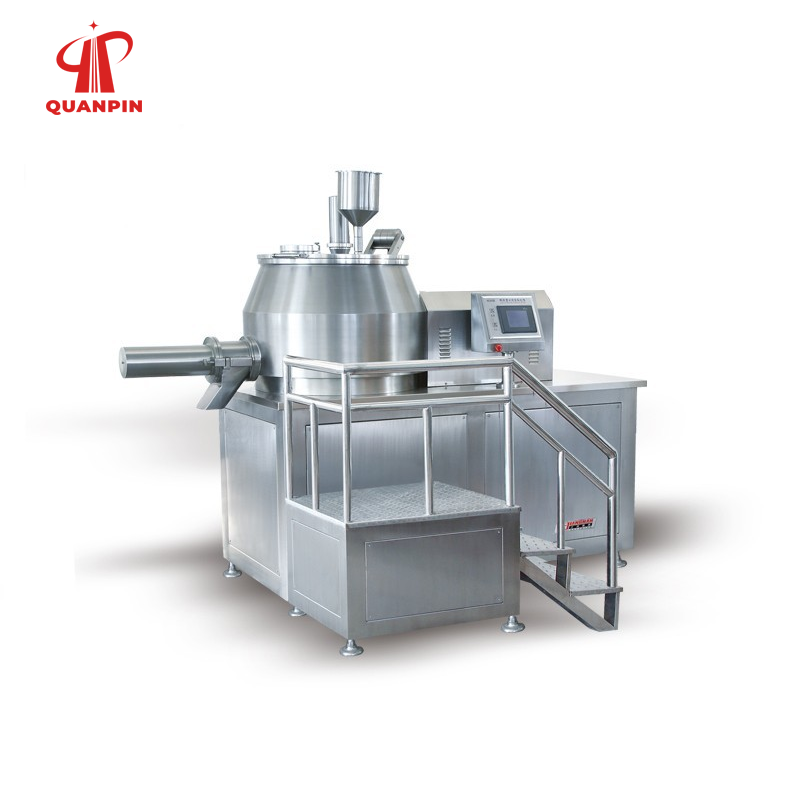
A high shear granulator may be considered for a compatible formulation after appropriate development. Published microbial experiments do not establish that every strain tolerates the same treatment.
Confirm the actual GHL arrangement separately. Fluidized-bed, extrusion, coating and microbiological testing equipment discussed below are not assumed supplied features.
Five Definitions for a Survival Investigation
Organism identity
Identify the microorganism and strain rather than using probiotics as a complete material description.
Carrier formulation
Identify the surrounding carrier and protective formulation.
Process stage
Define each process stage at which survival is evaluated.
Physical response
Keep the physical handling measurements separate from biological results.
Viability method
State the conditions and method used for the viability assessment.
Why Physical and Biological Responses Need Separate Tests
A handling improvement and a viable-cell observation can be obtained in the same experiment without being interchangeable outcomes.
An original LGG fluidized-bed investigation studied spray-dried skim-milk powder with fluidizing aid and moisture activation. It evaluated granule properties alongside viable cells.
The study used a fluidized bed and a specified milk-based substrate. Its result cannot establish survival in another machine or carrier.
The appropriate inference is that the biological response should accompany the physical processing comparison.
Six Stages Connecting Preparation with Evaluation
Before processing
Before processing, identify the cell preparation and its relevant starting condition.
During premixing
During premixing, preserve the actual carrier and protective ingredients.
During agglomeration
During agglomeration, evaluate the mechanical and liquid-related treatment actually imposed.
During moisture management
During moisture management, distinguish absorption or redistribution from microbial survival.
During drying
During subsequent drying, assess the biological effect independently of moisture removal.
During final evaluation
During final evaluation, distinguish manufacturing survival from later challenge or storage testing.
Read Organism- and Formulation-Specific Research Carefully
Assess the high-shear formulation
A high-shear model provides a more direct apparatus-category comparison while remaining formulation-specific.
An original LGG high-shear granulation study followed moisture, water activity and viable cells through several stages. Resistant maltodextrin affected material handling and resistance to drying stress.
Those findings belong to that laboratory preparation. A rapid mixer granulator enquiry cannot copy its formulation, settings or survival outcome without representative development.
Retain the organism boundary
The cell type and carrier can change the response to process conditions.
An original yeast fluidized-bed study investigated protectants, carrier materials and processing conditions before subsequent tableting. Thermal and formulation factors influenced measured survival.
The organism was Saccharomyces cerevisiae, not the bacterial strains in the other studies. A favourable yeast result does not establish bacterial tolerance.
Separate acid challenge from processing
Protection during a later acid challenge is a different experimental question from survival during manufacturing.
An original Lactobacillus acidophilus granule study evaluated an enteric-coated formulation under artificial gastric and intestinal conditions.
The coating arrangement and in-vitro challenge should remain explicit. Neither clinical benefit nor a GHL coating capability follows from that result.
Follow Manufacturing Stages without Generalizing
A staged manufacturing study can help identify which operation contributes to an observed survival change.
An original Lactobacillus casei sphere investigation followed granulation, extrusion, spheronization, drying and coating, and separately evaluated release and protection in simulated conditions.
The stage-specific findings concern its actual apparatus and formulation. They do not establish that drying is always the dominant stress for every microbial material.
Keep the manufacturing comparison separate from the downstream protection comparison. Both can matter without answering the same question.
Specify the Required Biological Assessment
A high shear mixer granulator study should identify the biological assessment needed alongside the granulation objective.
Agree which specimens can be produced during the trial and which require separate microbiological facilities.
Investigate Different Physical and Survival Results
If flow improves but viability falls, retain both observations. Better handling does not compensate for an unacceptable biological result.
If moisture falls without a proportional survival change, avoid treating moisture as a direct viability indicator.
If a carrier changes the outcome, report the formulation context instead of attributing the whole effect to the equipment.
If one organism tolerates a treatment, do not assume another strain has the same resistance.
If coated granules withstand an acid challenge, do not infer that every preceding manufacturing stage was harmless.
If a stored sample differs from a fresh one, distinguish storage effects from the immediate processing response.
Prepare the Granulation Trial
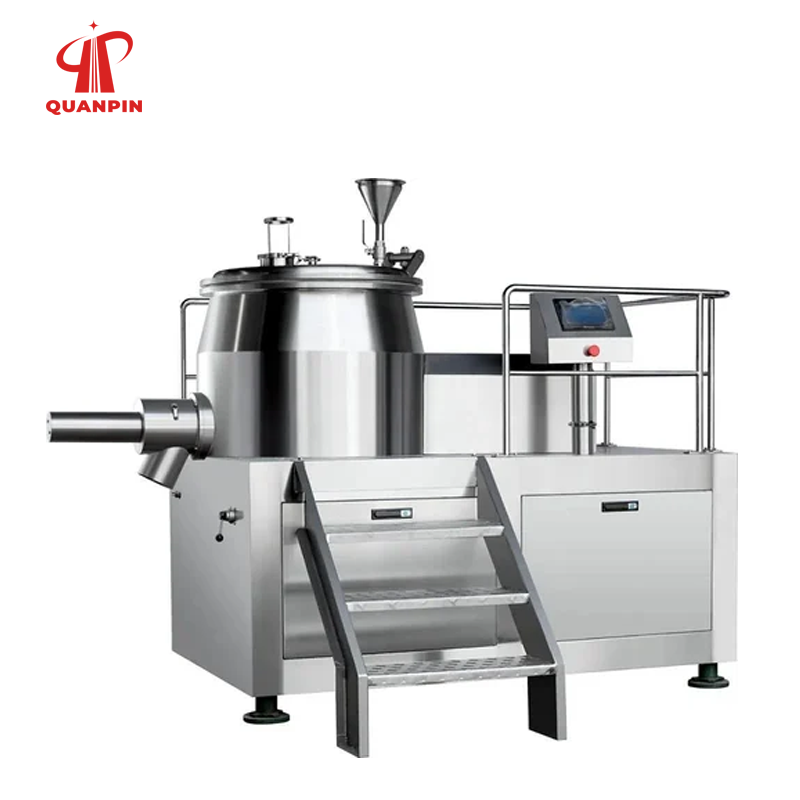
For a high shear wet granulator enquiry, describe the organism-containing material, intended agglomeration duty and required biological measurements.
Identify the downstream drying or finishing arrangement. Confirm whether each stage is included in the proposal or assessed separately.
Confirm Equipment and Laboratory Responsibilities
A high shear granulator price comparison should retain the actual trial scope. Microbiological validation is not automatically part of an equipment quotation.
The useful development conclusion states the formulation, stage and assay represented. It avoids turning a laboratory survival result into a product or treatment guarantee.
Frequently Asked Questions
Does water activity measure survival?
No. Moisture content and water activity are physical attributes, whereas viability requires a biological assessment.
Does improved flow establish viability?
No. Granule growth and flow improvement do not independently establish survival.
Can one strain represent every organism?
No. The organism and strain remain part of the demonstrated experimental scope.
Does acid protection prove harmless manufacture?
No. Acid-challenge protection and manufacturing survival are distinct measurements.
Does laboratory survival establish efficacy?
No. These are formulation and process studies, and their in-vitro findings do not establish clinical efficacy.
What should the enquiry define?
Identify the organism, carrier, process stages, biological method and separate equipment responsibilities before interpreting a trial.
Discuss Your Granulation Application
Discuss the material, processing objective and required trials with QUANPIN. Review the equipment information and the relevant industry applications, or send an enquiry through our contact page.
Email sales@qpdryer.com or stacie@qpdryer.com. Call +86 19850785582 or contact WhatsApp +86 15921493205 to discuss the proposed scope.
For process evaluation, consider the high speed mixer granulator for high-shear preparation of a suitable wet granulating mass. Confirm suitability with representative material, the required product properties and the proposed process conditions.